Summary:
Your restaurant can’t operate without a compliant fire suppression system. That’s not a suggestion from your insurance company or a recommendation from the fire marshal. It’s the law in Nassau County, and the consequences of getting it wrong go far beyond fines. We’re talking about immediate shutdowns during your busiest season, denied insurance claims after a fire, and the kind of liability that keeps you up at night. The good news is that compliance isn’t complicated once you understand what’s actually required, why those requirements exist, and how modern systems protect your kitchen better than ever before. Let’s start with the standard that changed everything for commercial kitchens.
What UL 300 Compliance Means for Your Restaurant
UL 300 is the fire testing standard that determines whether a restaurant fire suppression system actually works when grease fires happen. Introduced in 1994, this standard exists because commercial kitchens changed in ways that made older fire suppression methods dangerously ineffective.
Here’s what happened. Restaurants shifted from cooking with animal fats to vegetable oils. Those oils heat faster, retain heat longer, and reach much higher temperatures before igniting. Modern fryers are also better insulated, which is great for consistent cooking but terrible when fires start because the equipment stays hotter longer.
Old dry chemical systems couldn’t handle these changes. They’d knock down flames initially but couldn’t cool the oil below its auto-ignition temperature. The result was re-flash, where fires reignite seconds after the system discharged, often catching everyone off guard.
Why Wet Chemical Systems Became the Standard
UL 300 compliant systems use wet chemical agents instead of dry chemical powder, and the difference matters more than you might think. When wet chemical agents hit burning cooking oil, they create a chemical reaction called saponification. The agent combines with the grease to form a soapy foam blanket that smothers flames and cools the surface below its ignition point.
This cooling action is what prevents re-flash. Dry chemical systems never had this capability. They interrupted combustion temporarily but left hot oil ready to reignite the moment oxygen returned.
Wet chemical systems also discharge through nozzles positioned directly above each cooking appliance. Deep fryers get dedicated coverage. So do griddles, ranges, charbroilers, and any other equipment producing grease-laden vapors. The system activates through fusible links that melt at specific temperatures, or staff can pull a manual station if they spot flames first.
When the system goes off, it simultaneously shuts down gas and electrical supply to your cooking equipment. That fuel shutoff is critical. Without it, you’re just spraying suppressant on appliances that keep feeding the fire. With it, you’re cutting off the energy source while the chemical agent does its work.
Nassau County’s Fire Commission doesn’t accept dry chemical systems for commercial cooking operations anymore. If you’re still running one installed before 1994, you’re operating on borrowed time. Insurance companies won’t cover claims from systems that don’t meet current standards, and fire marshals can order immediate upgrades during inspections.
How Automatic Fire Suppression Systems Detect and Respond to Kitchen Fires
The “automatic” part of your restaurant fire suppression system refers to how it detects fires and activates without anyone pushing a button. Understanding this matters because the speed of response often determines whether you’re dealing with minor cleanup or major reconstruction.
Detection happens through fusible links installed in your hood system above cooking equipment. These links are designed to melt at specific temperatures, typically ranging from 165°F to 500°F depending on their placement and the equipment they’re protecting. When a link melts, it releases a cable or mechanism that triggers the entire system.
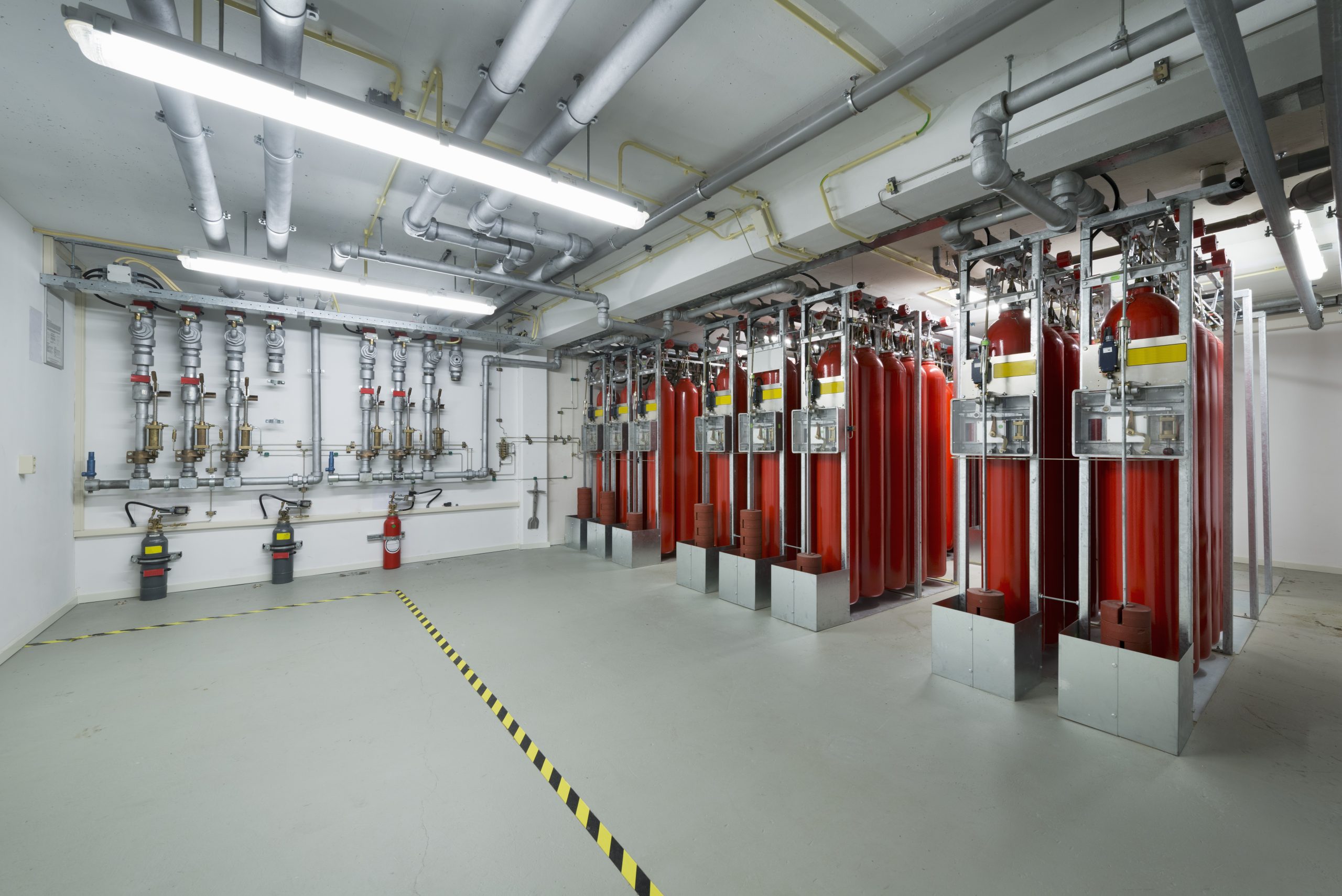
Here’s the sequence that happens in seconds. The fusible link melts from fire heat. That releases the control head mechanism. The control head opens the wet chemical agent cylinder using either a stored pressure system or a cartridge-operated release. Simultaneously, the system sends a signal to shut off gas valves and electrical circuits feeding your cooking equipment. The wet chemical agent flows through stainless steel piping to discharge nozzles positioned above each appliance. Those nozzles spray the agent directly onto the fire source and into the hood plenum and ductwork where grease fires often spread.
The whole process from detection to full discharge takes about 3 to 5 seconds. Compare that to the time it takes someone to notice smoke, locate a fire extinguisher, pull the pin, and aim properly. Automatic systems don’t hesitate, don’t panic, and don’t miss.
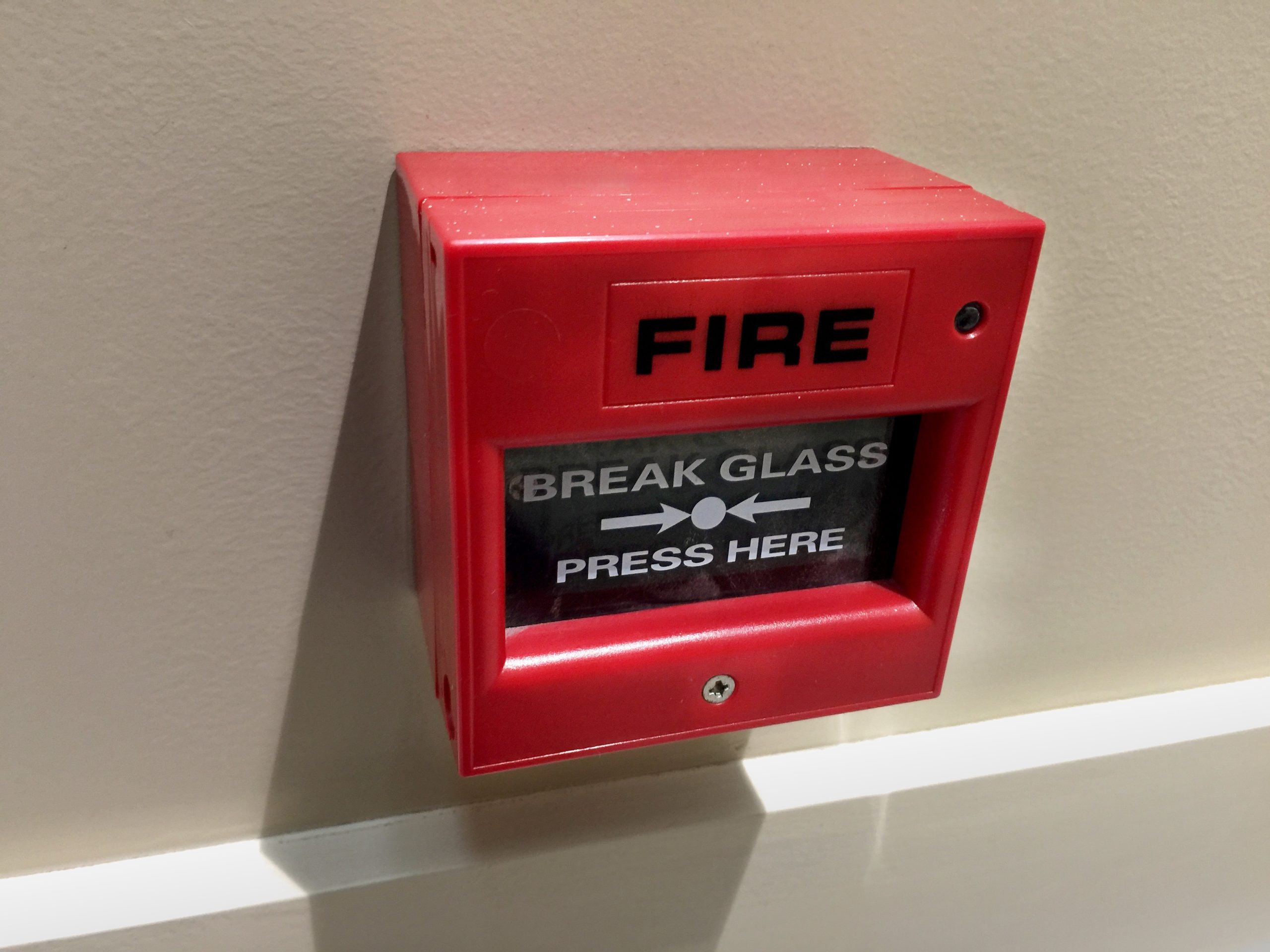
Your system also includes a manual pull station, usually mounted on a wall between 10 and 20 feet from the cooking area at a height of 42 to 48 inches. Staff can activate the system manually if they see flames before the fusible links melt. This gives you a backup activation method and faster response if someone catches a fire early.
One thing that surprises restaurant owners is that exhaust fans must stay running when the system activates. That seems counterintuitive since you’d think shutting everything down makes sense. But keeping the exhaust running pulls the wet chemical agent and any remaining smoke up through the ductwork, ensuring complete coverage of areas where grease accumulates. The makeup air system shuts off to prevent feeding fresh oxygen to the fire, but the exhaust keeps working.
Kitchen Hood Fire Suppression System Installation and Maintenance Requirements
Installing a kitchen hood fire suppression system isn’t something you hand off to a general contractor and hope for the best. Nassau County requires licensed professionals who understand both the technical requirements and the local permitting process. The Fire Commission oversees enforcement countywide, which creates more uniform standards than you’ll find in Suffolk County’s decentralized system.
Your system design starts with a hazard analysis of your cooking equipment. Every appliance that produces grease-laden vapors needs protection. That includes obvious equipment like fryers and griddles, but also ranges, woks, charbroilers, and upright broilers. The system designer calculates the amount of wet chemical agent needed based on your specific equipment layout, then determines nozzle placement to ensure complete coverage.
Nozzle positioning is precise work. Each nozzle must be aimed at specific angles to cover the cooking surface and the area inside the hood. If you move a fryer six inches to the left after installation, you’ve potentially created a gap in coverage that could let a fire spread. This is why you can’t rearrange kitchen equipment without having your fire suppression company recalibrate the system.
What Semi-Annual Inspections Actually Cover
NFPA 96 requires fire suppression systems in commercial kitchens to be inspected every six months by certified technicians. Missing even one inspection can void your insurance coverage and create liability that follows you personally if something goes wrong. But what are inspectors actually checking during these visits?
The inspection starts with verifying that your system is in the armed and ready position. Technicians check that agent cylinders have proper pressure levels using the gauge readings. Low pressure means the system might not discharge fully when activated. They inspect every fusible link for damage, grease buildup, or signs of heat exposure that could cause premature activation or failure to activate.
Nozzles get examined for obstructions. Grease accumulation can partially block discharge openings, reducing the coverage area when the system fires. This is why your hood cleaning schedule and suppression system maintenance need to be coordinated. One service doesn’t replace the other.
Inspectors verify that manual pull stations are accessible, properly labeled, and have intact tamper seals. They test the fuel shutoff interlocks to confirm that gas valves and electrical disconnects actually operate when the system activates. They check piping and fittings for leaks, corrosion, or damage that could prevent agent flow.
Documentation is a huge part of these inspections. Technicians place a new inspection tag on your system showing the service date and the next inspection due date. They provide written reports identifying any deficiencies that need correction. Those reports become critical during fire marshal inspections and insurance audits.
If your kitchen uses solid fuel cooking equipment like wood-fired ovens or charcoal grills, you need quarterly inspections instead of semi-annual. The higher fire risk from these appliances requires more frequent verification that your protection is working properly.
Here’s what many restaurant owners don’t realize until it’s too late. If your system discharges during an actual fire or even during testing, it must be professionally serviced and recharged before you can operate again. You can’t just wipe things down and flip the system back on. The agent cylinder needs refilling, fusible links need replacement, and the entire system requires inspection to verify it’s ready for the next emergency.
Water Mist Systems as an Emerging Option for Specialty Applications
Water mist systems represent newer fire suppression technology that’s starting to appear in commercial kitchens, though they’re not as common as wet chemical systems. Understanding where they fit helps you make informed decisions if you’re building a new kitchen or facing a major renovation.
A water mist system works by discharging ultra-fine water droplets, typically less than 200 microns in size. These tiny droplets cool the fire through rapid heat absorption and create steam that displaces oxygen around the flames. The droplet size is critical because smaller droplets have more surface area relative to their volume, which means they absorb heat more efficiently than larger water drops from traditional sprinklers.
The main advantage of water mist systems is reduced water damage compared to conventional sprinklers. They use a fraction of the water volume, which matters in kitchens with expensive equipment and electronics. The fine mist also penetrates into spaces that larger water droplets can’t reach, providing better coverage in complex cooking equipment arrangements.
However, water mist systems face some limitations in commercial kitchens. They work best in compartmentalized spaces with controlled airflow. If you have high-volume exhaust fans or open kitchen designs, the mist can be blown away before it effectively suppresses the fire. They also require careful consideration of your existing water supply and pressure requirements.
Not all jurisdictions accept water mist systems as the primary fire suppression for kitchen hoods. Nassau County’s Fire Commission and local fire marshals may have specific requirements about when and where these systems can be used. Before specifying a water mist system, you need confirmation from your authority having jurisdiction that it meets local code requirements for your specific application.
The cost of water mist systems typically runs higher than traditional wet chemical systems, ranging from $8,000 to $15,000 or more depending on kitchen size and complexity. That’s comparable to or slightly above wet chemical installations, but ongoing maintenance costs can differ based on system design and local service availability.
Most restaurant operators in Nassau County stick with proven wet chemical systems because they’re universally accepted, well understood by local inspectors, and supported by established service networks. Water mist becomes more interesting for specialty applications like heritage buildings where chemical cleanup is impractical, or facilities with unique constraints that make traditional systems difficult to install.
Staying Compliant with Nassau County Fire Suppression Requirements
Your restaurant fire suppression system protects more than your building and equipment. It protects your ability to stay open, your insurance coverage, and your personal liability if the worst happens. UL 300 compliance isn’t optional, and semi-annual inspections aren’t suggestions you can skip when business gets busy.
The difference between wet chemical and dry chemical systems matters because insurance companies and fire marshals know which technology actually works with modern cooking equipment. If you’re still running an outdated system, you’re gambling with coverage you think you have but might not when you need it most.
Nassau County’s centralized Fire Commission enforcement means you’re dealing with consistent standards and clear requirements. That’s actually an advantage once you work with professionals who understand the local process. We bring that local expertise along with the technical knowledge to design, install, and maintain systems that pass inspections and perform when fires start.