Summary:
You already know fire safety matters. What you might not know is how Nassau County’s specific requirements differ from what you’ve dealt with elsewhere—or how quickly a missed inspection or outdated tag can shut down your entire operation during your busiest week.
The Nassau County Fire Commission oversees a centralized system that sets uniform standards across the county. That’s good news for consistency, but it also means there’s no wiggle room when it comes to compliance. From commercial kitchen fire suppression systems to staff training protocols, every detail counts.
Here’s what actually matters when it comes to keeping your restaurant operational and safe.
Commercial Kitchen Fire Safety Requirements
Commercial kitchens operate in a high-risk environment. Open flames, hot oil, grease-laden vapors, and constant heat create the perfect conditions for fire to start and spread fast.
Nassau County follows the state’s Uniform Fire Prevention and Building Code, but adds its own layer of oversight through the Nassau County Fire Prevention Ordinance. This ordinance establishes the baseline for fire detection and suppression systems, storage and handling of flammable materials, and the inspection protocols you’ll face. The centralized approach through the Fire Commission means you get consistent enforcement—which helps once you understand the rules.
The reality is straightforward. Cooking equipment causes the majority of restaurant fires, and failure to maintain proper cleaning schedules contributes to a significant portion of those incidents. Your commercial kitchen needs more than just functional equipment—it needs systems designed specifically to handle grease fires and the unique hazards of high-volume cooking operations.
Fire Suppression Systems for Restaurant Kitchens
NFPA 96 requires automatic fire suppression equipment for every piece of cooking equipment that produces grease-laden vapors. That includes your ranges, fryers, grills, and anything else under your hood system. This isn’t a recommendation—it’s the standard that Nassau County enforces.
Wet chemical suppression systems are the industry standard for commercial kitchens. These systems release chemical agents that react with cooking oils to create a foam barrier, smothering the fire and cooling the surface below the oil’s flash point. When activated, they simultaneously shut off the gas or electric supply to your cooking equipment, cutting off the fuel source. The whole process happens in seconds.
Here’s what matters for compliance in Nassau County. Your system must be installed by licensed professionals and inspected semi-annually by a Master Fire Suppression Piping Contractor. Any inspection tag older than six months puts you in violation. The system must cover all protected cooking surfaces, and the nozzles need to be positioned correctly based on your specific equipment layout.
If you rearrange your kitchen or add new equipment, your suppression system may need reconfiguration. An appliance-specific system protects individual pieces of equipment, while an overlapping system creates a “fire-free zone” covering multiple appliances. The choice depends on how often you plan to modify your kitchen setup. Think about your long-term plans before you install.
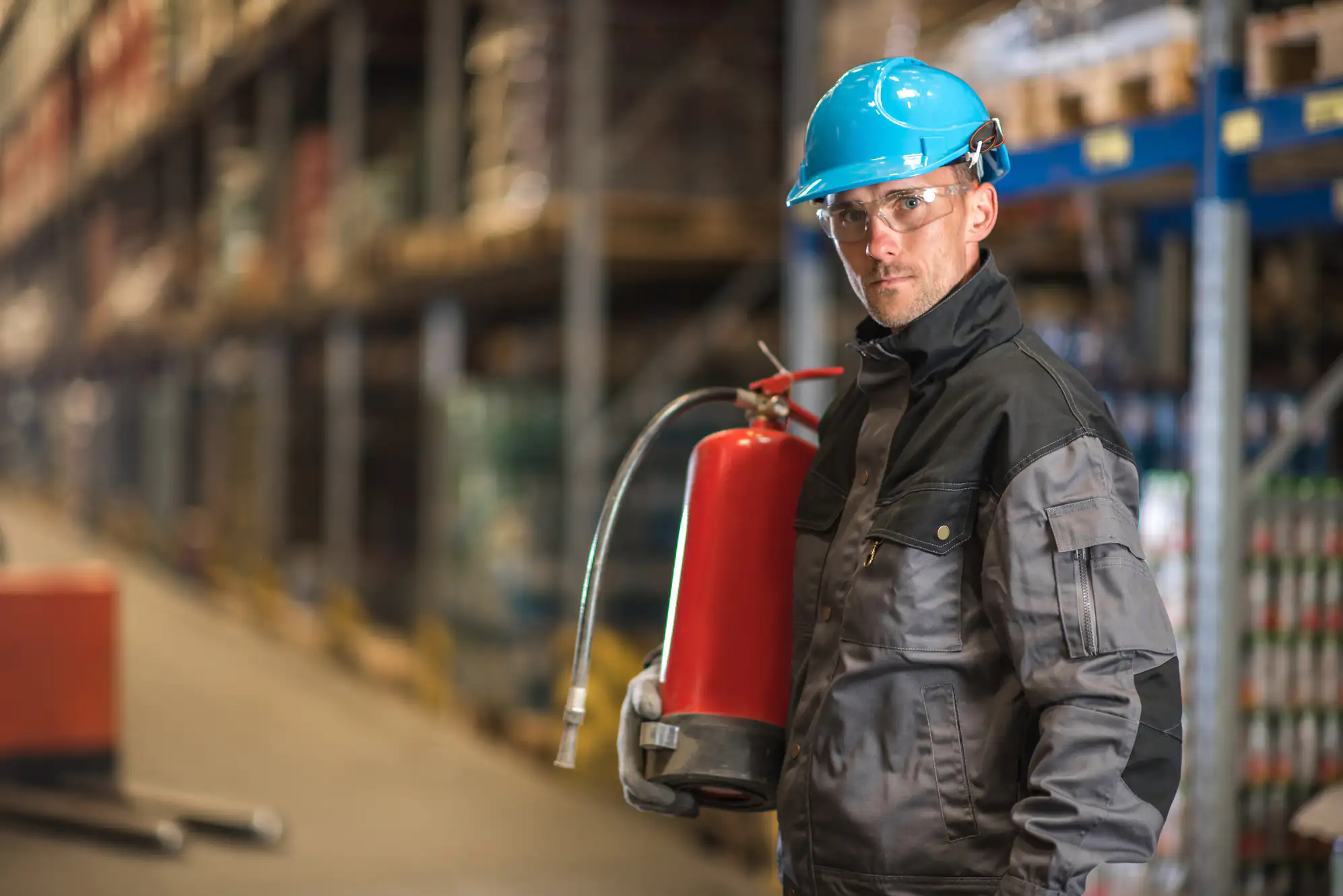
Beyond the automatic system, you need Class K portable fire extinguishers. These must be placed within 30 feet of your cooking equipment and mounted no higher than five feet from the floor. Recent code changes require placards above each extinguisher stating that staff should activate the automatic suppression system before using the portable extinguisher. This isn’t a suggestion—it’s because modern cooking oils burn so hot that a portable extinguisher alone may not be effective.
Your hood and duct system is just as critical as the suppression equipment. Grease buildup in ductwork acts as fuel, allowing fire to spread beyond the cooking surface. Nassau County requires quarterly professional cleaning of commercial cooking exhaust systems, performed by technicians holding the proper certifications. High-volume kitchens or operations using solid-fuel cooking may need more frequent cleaning. Don’t assume quarterly is enough if you’re running a high-output operation.
Missing a cleaning schedule or skipping documentation creates violations that inspectors will catch. Keep every service record, every inspection tag, and every cleaning receipt organized and accessible. If it’s not documented, it didn’t happen—at least not in the eyes of a fire marshal.
Fire Alarm and Detection System Requirements
Not every restaurant needs a full fire alarm system—it depends on your building size and occupancy classification. But if you do need one, Nassau County doesn’t allow shortcuts.
Fire alarm systems must be installed, maintained, and tested according to NFPA standards and the NYC Fire Code provisions that apply to commercial cooking operations. Your system needs to integrate with your suppression equipment so that when the suppression system activates, the alarm notifies everyone in the building. This coordination between systems can literally save lives.
Manual pull stations must be clearly labeled and accessible, typically placed along exit routes. If storage boxes or equipment block access to a pull station, that’s a violation. Inspectors check this every time. It’s one of the easiest things to fix and one of the most commonly cited problems.
Smoke detectors and heat sensors need to be positioned based on your kitchen layout and the type of cooking you do. The system should connect to a monitoring service that alerts authorities immediately when triggered. This isn’t just about meeting code—it’s about getting help fast when you need it.
Annual inspections by licensed fire alarm contractors are required for restaurant fire safety compliance. Your inspection records must be kept on-site and readily available. Fire marshals will ask to see them, and if you can’t produce current documentation, you’re facing a violation regardless of whether your system actually works.
Here’s something many restaurant owners miss: your fire alarm system may need to integrate with other building systems, including HVAC controls and elevator recalls. During a fire emergency, elevators should automatically return to designated floors, and ventilation systems need to manage smoke appropriately. These integrations require professional design and installation—this isn’t DIY territory.
The Nassau County Fire Marshal’s Office oversees enforcement, and they take a standardized approach across the county. That predictability helps you plan, but it also means there’s no negotiating when violations occur. Either you’re compliant or you’re not.
Fire Safety Training for Restaurant Staff
Your equipment can be perfect, but if your staff doesn’t know how to respond during an emergency, you’re still at risk. Fire safety training isn’t just recommended—in many cases, it’s required.
Nassau County and New York State regulations expect restaurant staff to be familiar with fire safety equipment and emergency procedures. While formal training for every employee isn’t always mandated, fire marshals expect evidence that your team knows how to use extinguishers, activate suppression systems, and evacuate safely. Updated 2019 codes specifically require restaurant kitchen staff to have training on portable fire extinguisher use and manual suppression system activation.
That means hands-on training, not just a video or handbook. Your staff needs to know where the manual pull stations are located, how to activate them, and when to use a portable extinguisher versus when to evacuate immediately. The difference between those choices can determine whether you have a contained incident or a catastrophe.
What Fire Safety Training Should Cover
Effective fire safety training starts with understanding the specific hazards in your kitchen. Deep fryers, for example, pose different risks than char grills or pizza ovens. Your training should address the equipment you actually use, not generic scenarios.
Staff should know how to identify early warning signs of potential fire hazards. Excessive smoke, unusual odors, or equipment malfunctioning can all signal problems before flames appear. Catching these early can prevent a full-scale emergency. Train your team to report issues immediately, not wait until the end of their shift.
Training must cover the difference between fire suppression systems and portable extinguishers. Your automatic system should always be activated first in a cooking fire situation. The system will shut off fuel sources and deploy suppression agents across the entire protected area. A portable extinguisher is backup, not the primary response. This is counterintuitive for many people—they see a small fire and reach for the extinguisher. That’s why the training matters.
Emergency evacuation procedures need to be clear and practiced. Staff should know all exit routes, where to gather outside, and who’s responsible for ensuring everyone got out. Blocked exits are one of the most common fire safety violations found during inspections—and they’re also one of the most dangerous. Make sure your team knows that exit routes must stay clear at all times, even during busy service when space is tight.
Fire drills aren’t just for schools. Regular drills help staff respond calmly and efficiently during actual emergencies. They also reveal problems with your emergency plan before those problems matter. Run drills during different shifts so everyone gets the experience.
Documentation matters here too. Keep records of all training sessions, including dates, topics covered, and who attended. If a fire marshal asks about your training program, you need to be able to prove it exists and that it’s current. Digital records work fine as long as they’re organized and immediately accessible.
Beyond the basics, consider training on fire prevention. Proper cleaning schedules, safe storage of combustible materials, and awareness of how grease buildup creates hazards can prevent fires from starting in the first place. An ounce of prevention beats a pound of suppression.
Common Fire Safety Violations and How to Avoid Them
Nassau County fire marshals see the same violations repeatedly. Knowing what they look for helps you stay ahead of problems.
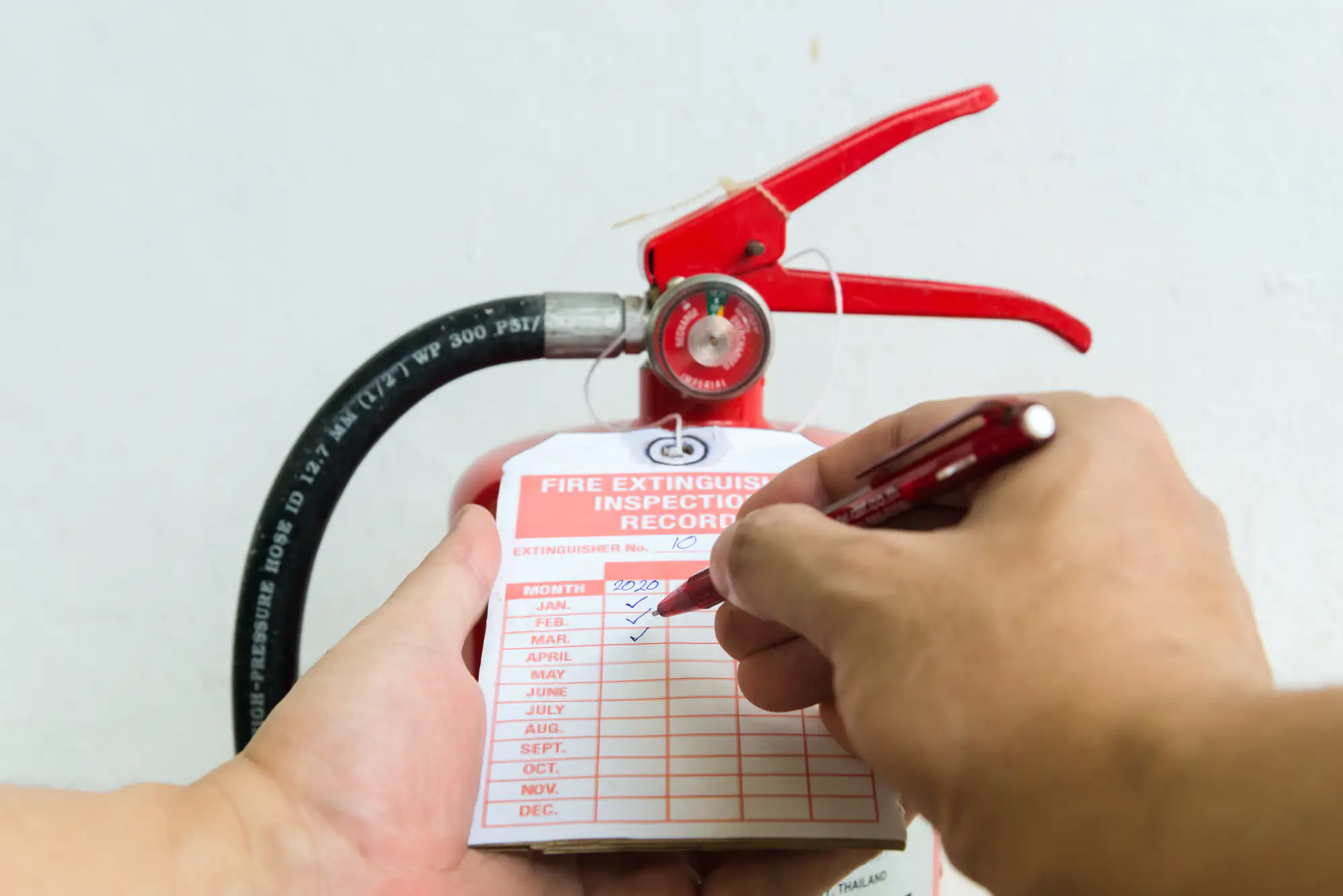
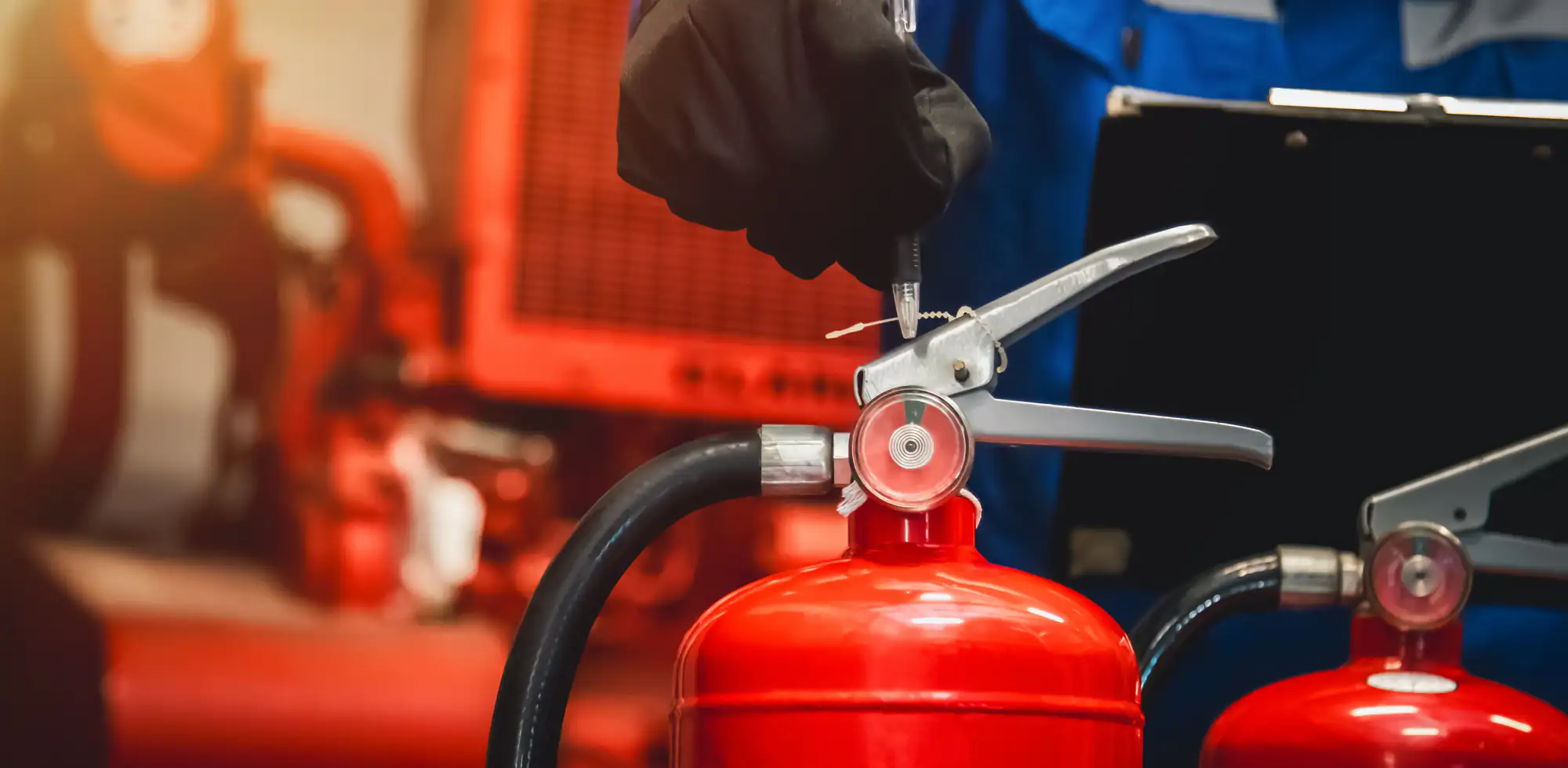
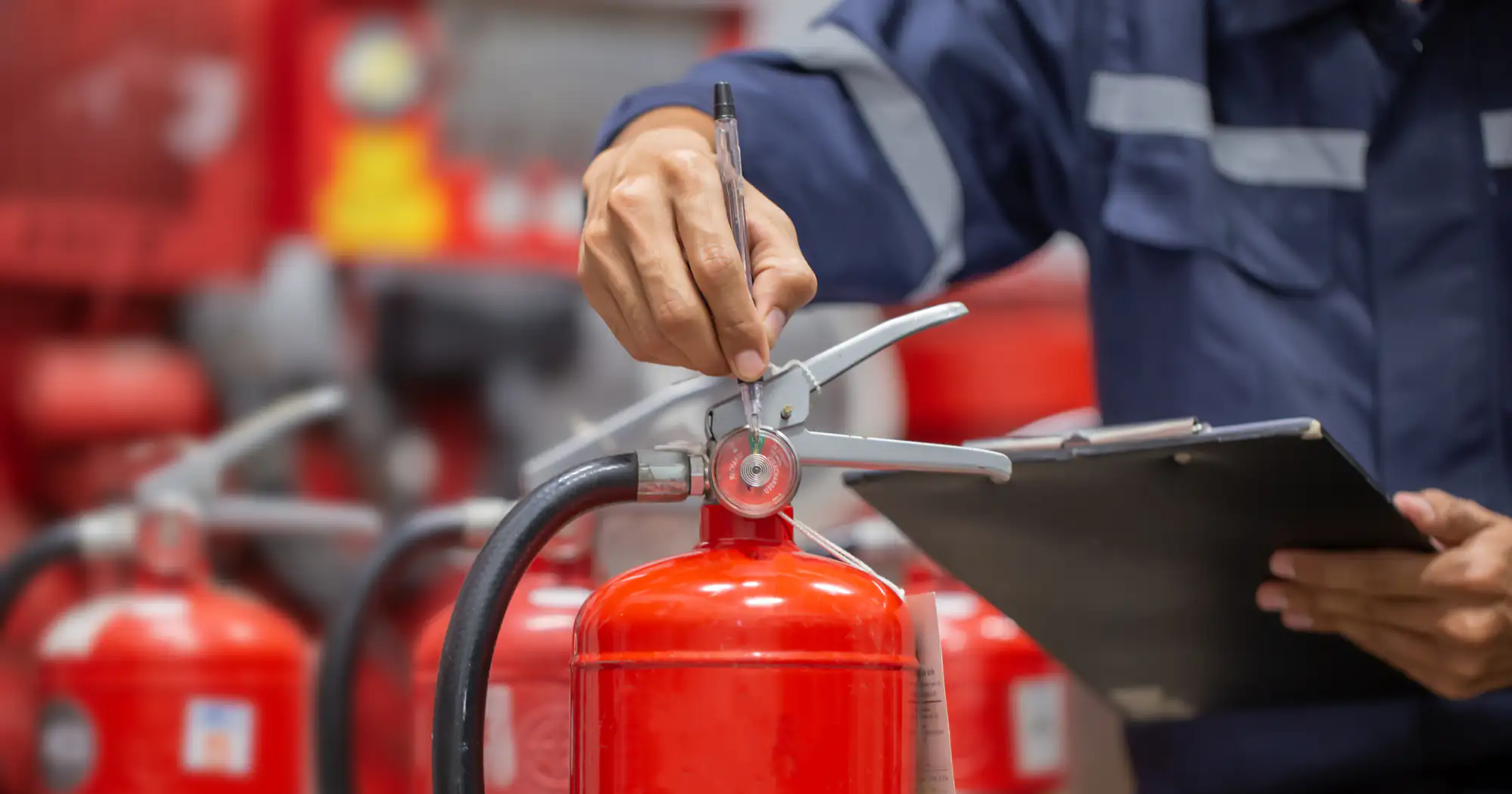
Expired inspection tags top the list. Your suppression system needs semi-annual inspection, your hood cleaning needs quarterly service, and your fire extinguishers need annual maintenance. Missing any of these deadlines creates an immediate violation. Set calendar reminders well before due dates, not on them.
Blocked manual pull stations and fire exits are easy to spot and easy to cite. During busy service, it’s tempting to stack boxes near exits or put supplies in front of pull stations temporarily. That temporary situation becomes permanent until an inspector shows up. Train staff that these areas stay clear always, no exceptions.
Grease buildup in ducts causes both fire hazards and violations. If your hood and duct system shows visible grease accumulation during an inspection, you’re getting cited. Quarterly cleaning is the minimum—some operations need monthly service. Pay attention to what’s actually happening in your kitchen, not just what the schedule says.
Missing or incomplete documentation will cost you. Fire safety violations happen when you can’t produce current inspection records, cleaning receipts, training logs, or equipment certifications. Even if the work was done, missing paperwork means a violation. Keep everything organized in one location that multiple people can access.
Wrong type or placement of fire extinguishers creates compliance issues. Class K extinguishers are required for commercial kitchens, positioned within 30 feet of cooking equipment, mounted properly, and tagged with current inspection dates. Using the wrong class of extinguisher or mounting them too high are common mistakes.
Improper storage of combustible materials near cooking equipment is both dangerous and citable. Paper goods, linens, cleaning supplies, and cardboard boxes need to be stored away from heat sources. It seems obvious, but space constraints in commercial kitchens lead to bad decisions. Find another solution.
The good news about these common violations is that they’re all preventable with basic systems and attention to detail. The bad news is that they can each carry fines up to $5,000 in Nassau County. Multiple violations add up fast.
If you do receive a violation notice, address it immediately. Nassau County allows you to request a hearing within three business days, and the Fire Commission must render a decision within three business days after the hearing. That’s a tight timeline. Having a qualified fire protection contractor who can respond quickly to correct violations makes the difference between a minor setback and a major problem.
Staying Compliant with Nassau County Fire Safety Standards
Nassau County’s centralized fire safety system creates clear, consistent standards. You know what’s expected, when inspections happen, and what violations cost. That predictability is an advantage if you use it.
The key to compliance isn’t perfection on day one—it’s building systems that keep you compliant over time. Regular inspections, documented training, maintained equipment, and organized records create a foundation that survives staff turnover, busy seasons, and unexpected inspections. Restaurant fire safety becomes part of your operational routine, not a crisis you handle when the inspector shows up.
When violations do occur, address them immediately. The Nassau County Fire Marshal’s Office can impose fines up to $5,000 per offense, and repeat violations can lead to more serious consequences. Finding a qualified fire protection partner who understands local requirements and can respond quickly makes all the difference.
We serve restaurants throughout Nassau County with the local licenses, NICET-certified professionals, and specialized expertise needed to keep commercial kitchens compliant and safe. From initial installations to ongoing maintenance and violation corrections, having a knowledgeable partner helps you focus on running your restaurant instead of worrying about the next inspection.