Summary:
You need fire safety equipment that works when it counts. Not just any supplier will do—you need someone who knows Nassau County’s fire codes, holds the right licenses, and can prove they’re qualified to install and service the systems protecting your property.
The problem? Every contractor claims they’re certified. Every supplier says they’re the best. And when you’re responsible for keeping a commercial building compliant, guessing wrong can cost you thousands in fines or worse.
This guide breaks down what actually matters when choosing fire safety equipment suppliers in Nassau County, NY—from verifying credentials to understanding what you’re really buying.
Fire Safety Supplies And Equipment Suppliers
Fire safety supplies cover everything from extinguishers and alarms to full suppression systems and emergency communication equipment. In Nassau County, suppliers need to understand the centralized oversight structure managed by the Nassau County Fire Commission, which coordinates regulations, inspections, and enforcement differently than neighboring Suffolk County.
The right supplier doesn’t just sell you equipment. We understand which systems your building type requires, how often inspections need to happen, and what documentation you’ll need when the fire marshal shows up. That knowledge gap is where most problems start—property owners assume compliance when they’re actually missing critical requirements.
What Makes A Fire Safety Equipment Supplier Qualified In Nassau County
Licensing comes first. In New York State, fire protection contractors must hold a valid NYS license to legally perform installation work. But state licensing alone isn’t enough in Nassau County—contractors also need Nassau County-specific licenses issued through the local fire marshal’s office.
You’re looking for two things: proof of state licensure (a number you can verify through the NYS Division of Homeland Security and Emergency Services) and Nassau County permits that authorize work in this jurisdiction. Many contractors have one but not both. That’s a problem waiting to happen when inspection time comes.
NICET certification matters too, especially for complex systems. The National Institute for Certification in Engineering Technologies issues certifications based on actual knowledge and experience, not just passing a basic exam. A NICET Level II or III technician has demonstrated competency in designing, installing, or inspecting fire protection systems. It’s one of the few credentials that actually means something in this industry.
Authorized dealer status tells you about equipment access and support. Suppliers who are authorized dealers for manufacturers like Notifier by Honeywell or Siemens can get factory support, proper training, and genuine replacement parts. Unauthorized resellers might offer lower prices, but you’ll pay for it when something breaks and they can’t get the part or don’t know how to service what they sold you.
Check for professional association memberships like the New York Fire Alarm Association. These aren’t just networking groups—members stay current on code changes, attend training, and typically operate at a higher standard than contractors who work in isolation.
Types Of Fire Protection Equipment You Actually Need
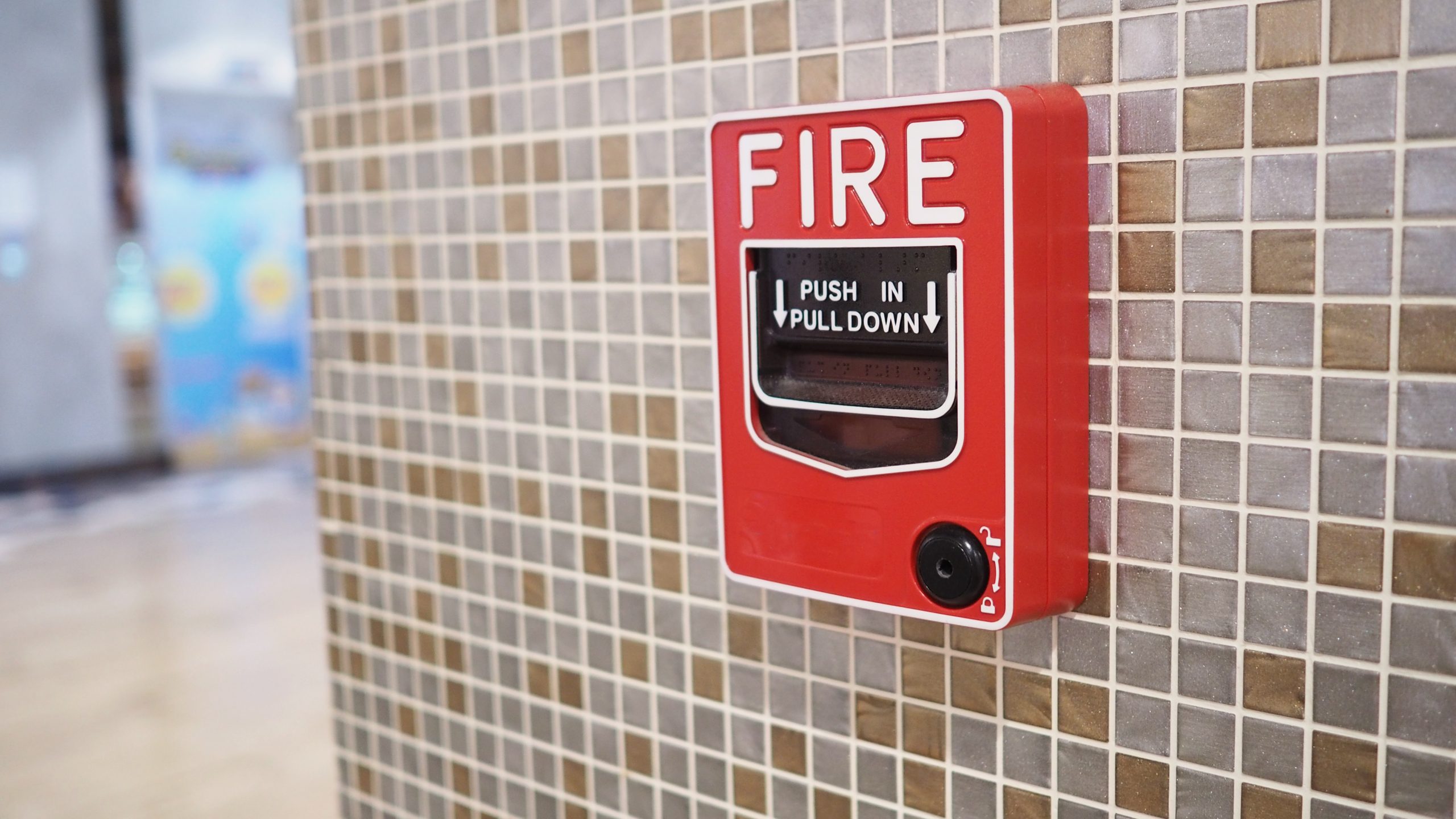
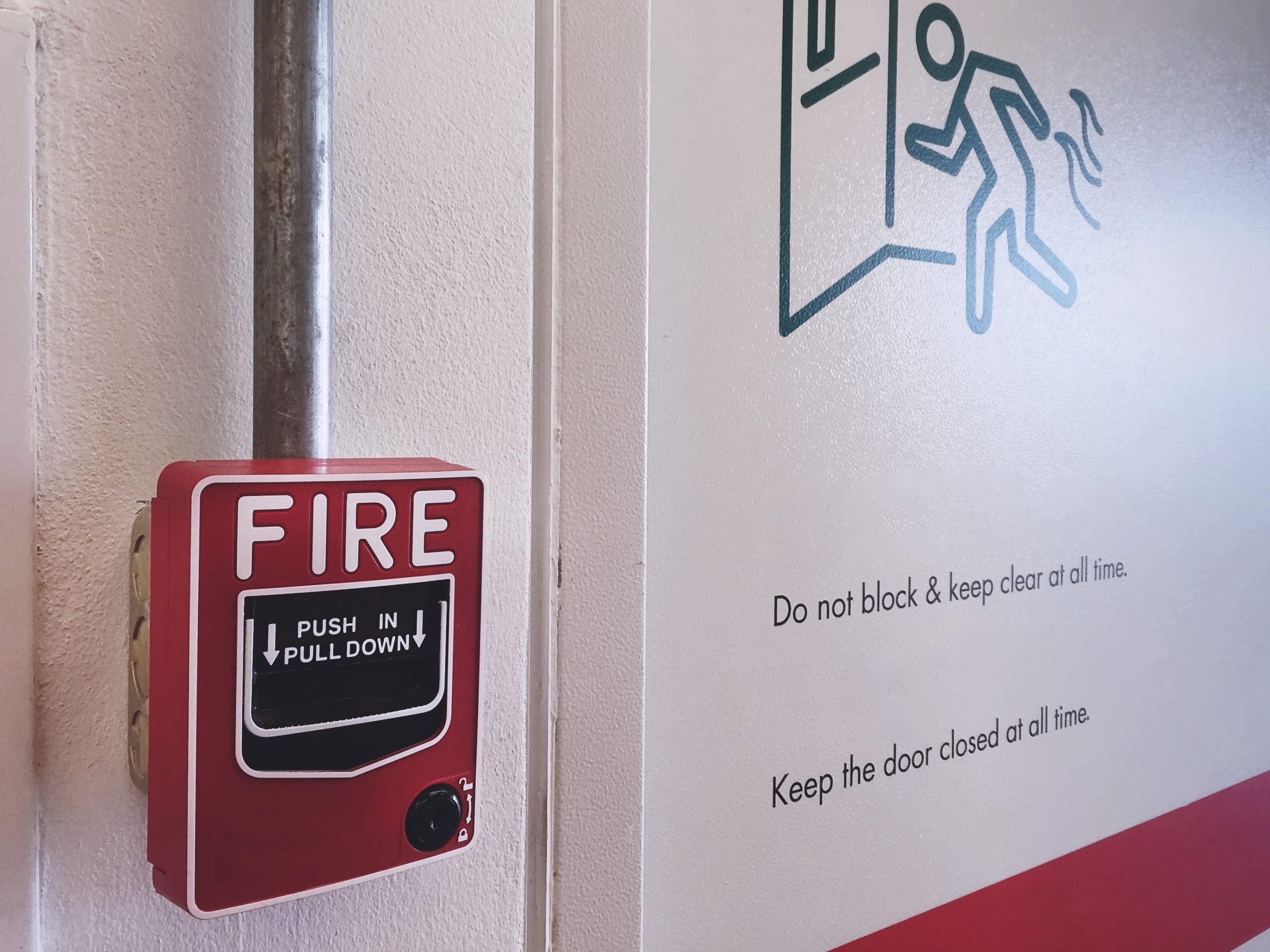
Fire alarm systems form the foundation of any commercial fire protection plan. You’re looking at conventional systems for smaller facilities or addressable systems for larger buildings where you need to know exactly which zone triggered the alarm. Nassau County follows NFPA 72 standards, which dictate where detectors go, how they’re powered, and how often they’re tested.
Fire extinguishers seem simple until you start looking at classifications. Class A for ordinary combustibles, Class B for flammable liquids, Class C for electrical fires, Class K for commercial kitchens. Most commercial spaces need ABC-rated extinguishers in common areas, but kitchens, server rooms, and manufacturing areas have specific requirements. Annual inspections are mandatory, and the documentation needs to be available during fire marshal visits.
Kitchen fire suppression systems are required in any commercial cooking operation. These aren’t optional—Nassau County enforces strict compliance for restaurants, cafeterias, and any facility with commercial cooking equipment. The systems use wet chemical agents designed specifically for grease fires, and they require professional installation, regular maintenance, and periodic replacement of components even if they’ve never activated.
BDA systems (Bi-Directional Amplifiers) have become increasingly important as building materials and construction methods create dead zones for emergency responder radios. If your building has one floor below grade or two floors above, Nassau County likely requires a BDA system that provides 95% coverage in general spaces and 99% in critical areas like stairwells and fire command centers. These systems need annual testing and FCC certification—this isn’t something you can cut corners on.
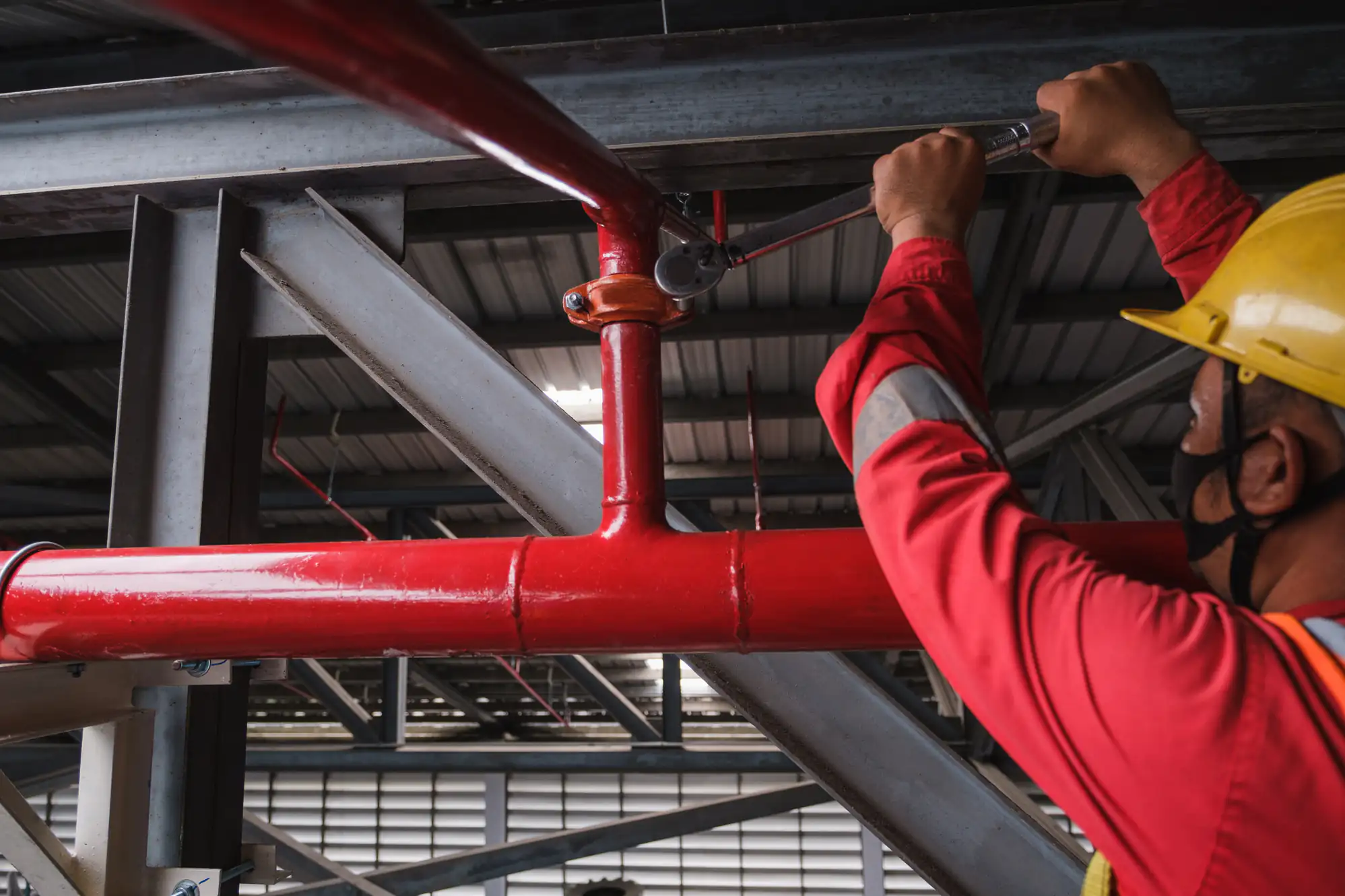
Sprinkler systems, standpipes, emergency lighting, and exit signage round out the typical commercial fire protection package. Each component has specific installation requirements, maintenance schedules, and inspection protocols. The suppliers who understand how all these pieces work together—and how they’re inspected as a complete system—are the ones who can actually keep you compliant.
Fire Protection Equipment Professionals
Finding qualified fire protection contractors in Nassau County means understanding the difference between equipment dealers and full-service protection companies. Dealers sell you products. Protection companies design systems, handle installation, perform inspections, and fix violations when they pop up.
You want contractors who can show you completed projects similar to yours. A company that installs fire alarms in residential buildings might not have experience with the industrial suppression systems your warehouse needs. Ask for references from properties like yours, in Nassau County specifically, where they’ve dealt with the same fire marshal’s office you’ll be working with.
How To Verify Fire Protection Contractor Licenses And Credentials
Start with the NYS license number. Every legitimate fire protection contractor in New York must hold a license issued by the state. You can verify this through the Division of Homeland Security and Emergency Services website—if they can’t provide a license number or it doesn’t check out, walk away immediately.
Nassau County licenses come next. The Nassau County Fire Marshal’s Office issues local permits and licenses for fire protection work. Contractors should be able to show you their Nassau County license numbers and explain which types of work they’re authorized to perform. This isn’t the same as the state license—it’s an additional requirement specific to Nassau County’s centralized fire safety structure.
NICET certification adds another layer of verification. You can check NICET credentials directly through the NICET website by searching the technician’s name. Look for Level II or higher in the relevant specialty—fire alarm systems, water-based systems, or special hazards systems depending on your needs. Level I is entry-level; Level II demonstrates competency; Levels III and IV represent advanced expertise.
Insurance and bonding protect you if something goes wrong. Fire protection contractors should carry general liability insurance, workers’ compensation, and often specific coverage for fire protection work. Ask to see current certificates of insurance and verify the coverage amounts are appropriate for your project size. A contractor who hesitates to provide insurance documentation is telling you something important.
Professional references matter more than online reviews. Anyone can game review sites, but calling three property managers who’ve worked with a contractor for years tells you what you really need to know. Ask specific questions: Did they show up on time? Did the work pass inspection the first time? How did they handle problems? Would you hire them again?
Understanding Nassau County Fire Code Compliance Requirements
Nassau County operates under the New York State Uniform Fire Prevention and Building Code as a baseline, but the Nassau County Fire Prevention Ordinance adds local requirements that you won’t find elsewhere. The centralized structure under the Nassau County Fire Commission means enforcement is more uniform than in Suffolk County, where individual fire districts set their own standards.
This centralization actually helps you. Once you understand Nassau County’s requirements, they apply consistently across all properties in the county. You’re not dealing with different standards in different towns like you would in Suffolk. But it also means there’s less flexibility—the fire marshal’s interpretation is what counts, and appeals go through the Fire Commission.
Fire code violations in Nassau County can result in fines up to $5,000 per offense. Violations don’t just appear during scheduled inspections—they can come up during building sales, insurance audits, or after complaints. The violations need to be corrected by licensed contractors, with proper permits pulled and inspections passed. This is where having a relationship with a qualified local supplier becomes valuable—we can respond quickly and know exactly what the fire marshal needs to see.
Annual inspections are required for most fire protection equipment. Fire alarms, sprinkler systems, standpipes, extinguishers, kitchen suppression systems, and BDA systems all have specific testing schedules mandated by NFPA standards and enforced by Nassau County. Missing these inspections or failing to maintain proper documentation creates violations that can snowball during your next fire marshal visit.
Design drawing approvals add another compliance layer for new installations or modifications. Before you can install or significantly modify fire protection systems, you need approved design drawings from the Nassau County Fire Marshal’s Office. Your contractor should handle this process, but you need to verify they’re actually pulling permits and getting approvals rather than just doing the work and hoping nobody notices.
Choosing The Right Fire Safety Equipment Supplier For Your Property
The right fire safety equipment supplier in Nassau County, NY knows the local codes, holds proper licenses, and can prove they’ve successfully completed projects like yours. We don’t just sell you equipment—we help you stay compliant, respond quickly when violations appear, and understand how Nassau County’s centralized fire safety structure actually works.
Verify licenses at both state and county levels. Check NICET certifications. Ask for references from similar properties. Review insurance coverage. These steps take time upfront but prevent expensive problems later when you’re facing violations or dealing with equipment that wasn’t installed correctly.
At Island Fire & Defense Systems, we bring NICET certified technicians, proper licensing, and authorized dealer status to every project across Nassau County, Suffolk County, and NYC.