Summary:
Your kitchen runs hot all year, but fall brings a different kind of heat. Heating systems kick on after months of sitting idle. Holiday reservations start filling the books. And somewhere in the back of your mind, you know year-end compliance deadlines are approaching. For Nassau County restaurant owners, this season isn’t just about prep lists and menu planning. It’s about making sure your fire safety training, systems, and protocols are ready for what’s ahead. Because when inspectors show up or an emergency happens, “we meant to get to that” doesn’t cut it. Let’s talk about what actually matters when preparing your restaurant for fall fire safety.
Why Fall Fire Safety Training Matters for Restaurants
Fall isn’t arbitrary timing for fire safety attention. It’s when multiple risk factors converge at once.
Your heating systems are starting up after sitting dormant through summer. Furnaces, space heaters, and HVAC units that haven’t run in months are suddenly working full-time. Any issues with ventilation, gas connections, or electrical components that developed during the off-season become active problems the moment you flip that switch.
Then there’s volume. The holiday season means more covers, longer hours, and equipment pushed harder than usual. Fryers run hotter, ovens stay on longer, and your exhaust system works overtime. That’s exactly when grease buildup, worn equipment, and undertrained staff become serious liabilities. Statistics show that nearly 60% of restaurant fires involve cooking equipment, and when you’re running at peak capacity, those risks multiply.
And let’s not forget the calendar. Year-end compliance deadlines aren’t suggestions. If your last fire suppression inspection was in spring, you’re due for your semi-annual check before the year closes. If staff training documentation is six months old, you’re cutting it close. Fall is when smart operators get ahead of these deadlines instead of scrambling in December.
What Fire Safety Training Should Cover for Restaurant Staff
Fire safety training isn’t about watching a video and signing a form. It’s about making sure your team knows what to do when something actually goes wrong.
Start with the basics that matter most in a kitchen environment. Your staff needs to understand the different types of fires they might encounter. A grease fire in a fryer requires a completely different response than an electrical fire or a small flare-up in a pan. Throwing water on burning oil creates an explosive situation that spreads fire instead of stopping it. That’s not common sense until someone teaches it.
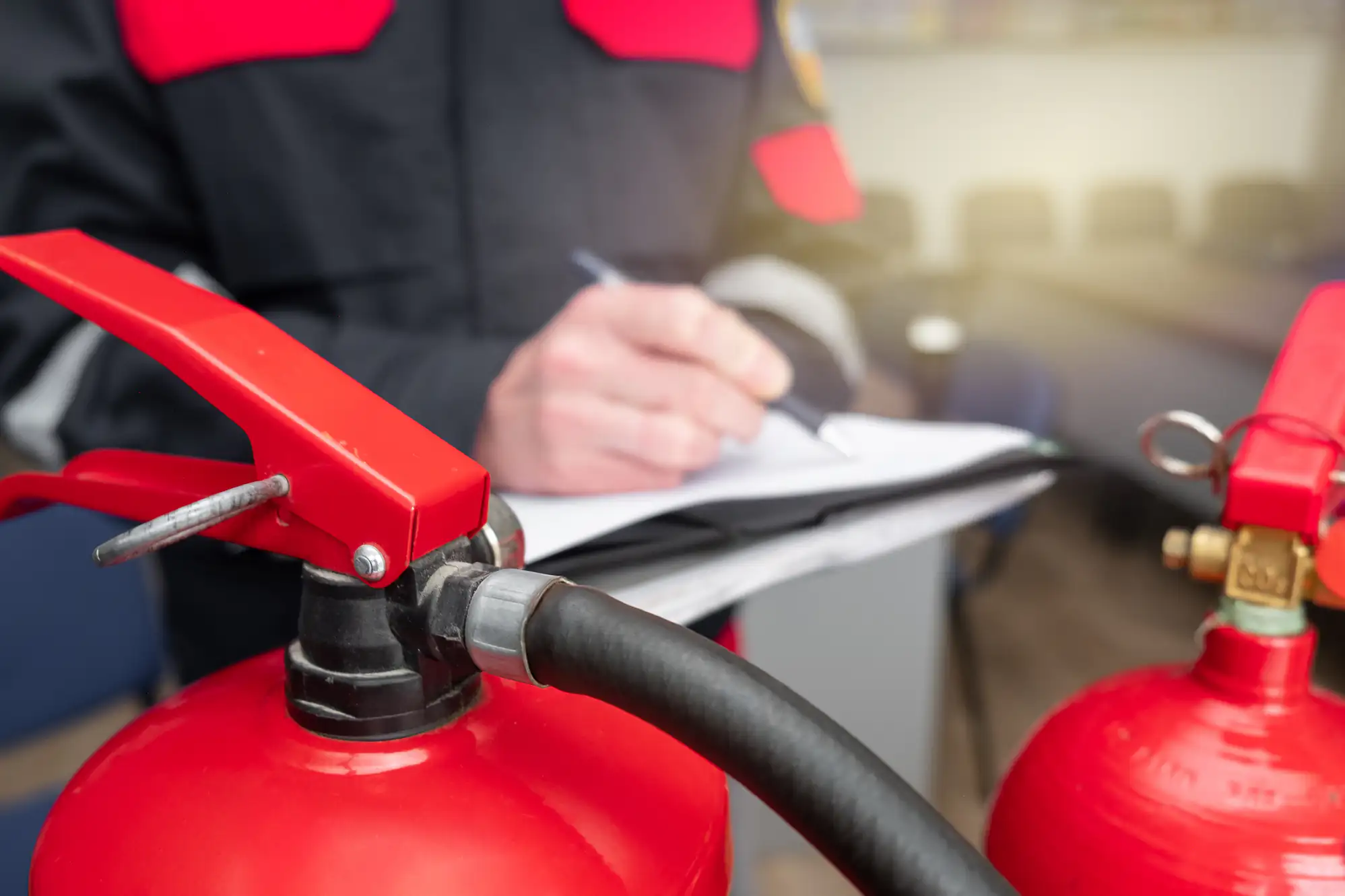
Fire extinguisher training should be hands-on. The PASS technique—Pull the pin, Aim at the base, Squeeze the handle, Sweep side to side—sounds simple until you’re holding an actual extinguisher with adrenaline pumping. Staff should know where every Class K extinguisher is located within 30 feet of cooking equipment, understand they’re only used after the suppression system activates, and practice the physical motion of using one. Visual inspections should happen monthly, and everyone should know what a charged, functional extinguisher looks like versus one that needs servicing.
Evacuation procedures need to be crystal clear. Who calls 911? Who manages customer evacuation? Where’s the assembly point outside? What’s the route if the main exit is blocked? These aren’t questions you want people figuring out while smoke is filling the dining room. Assign specific roles per shift so there’s never confusion about who does what. Train at least one person per shift to shut off gas and electrical power in an emergency—this simple action can prevent a small fire from becoming a total loss.
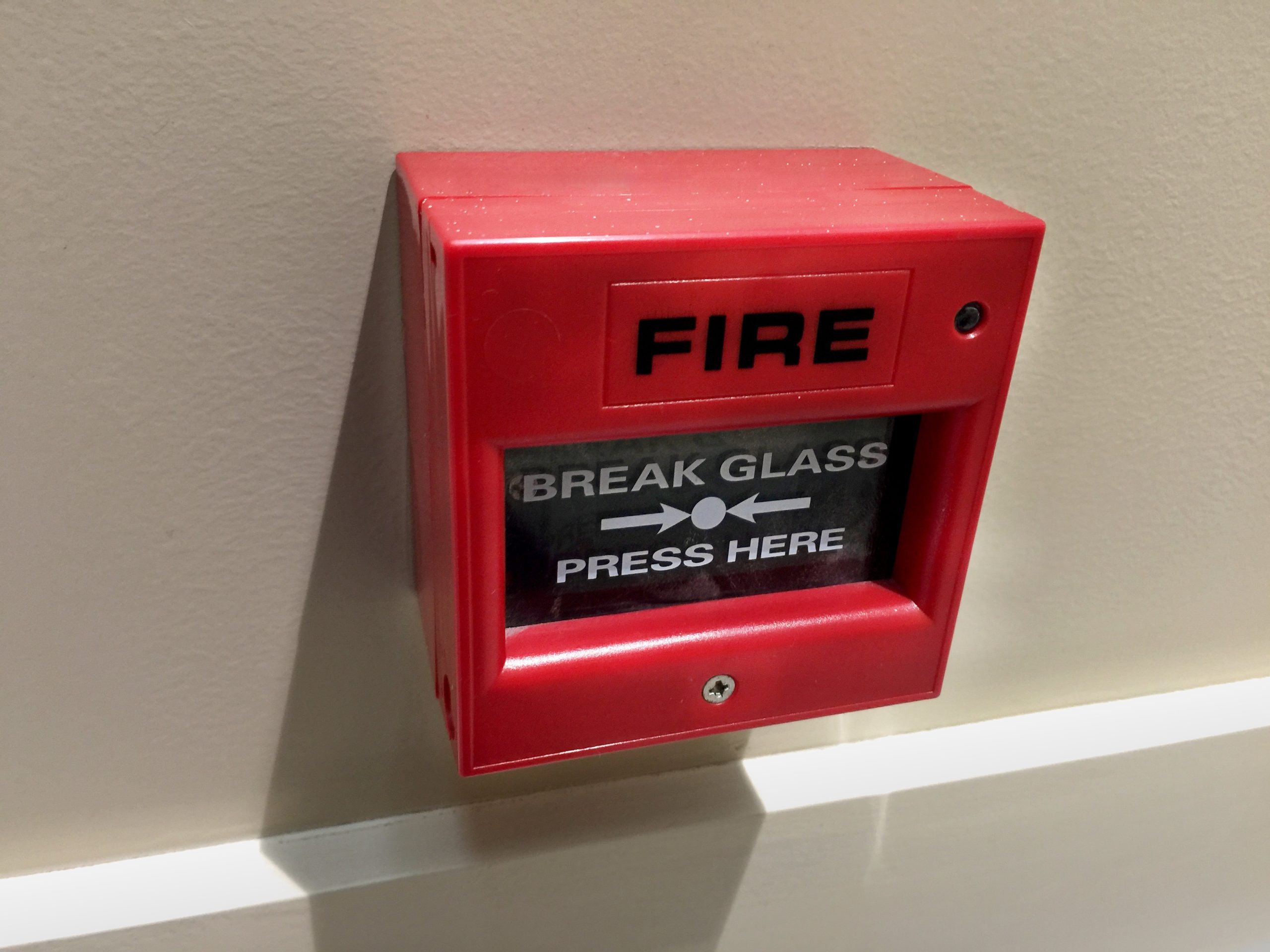
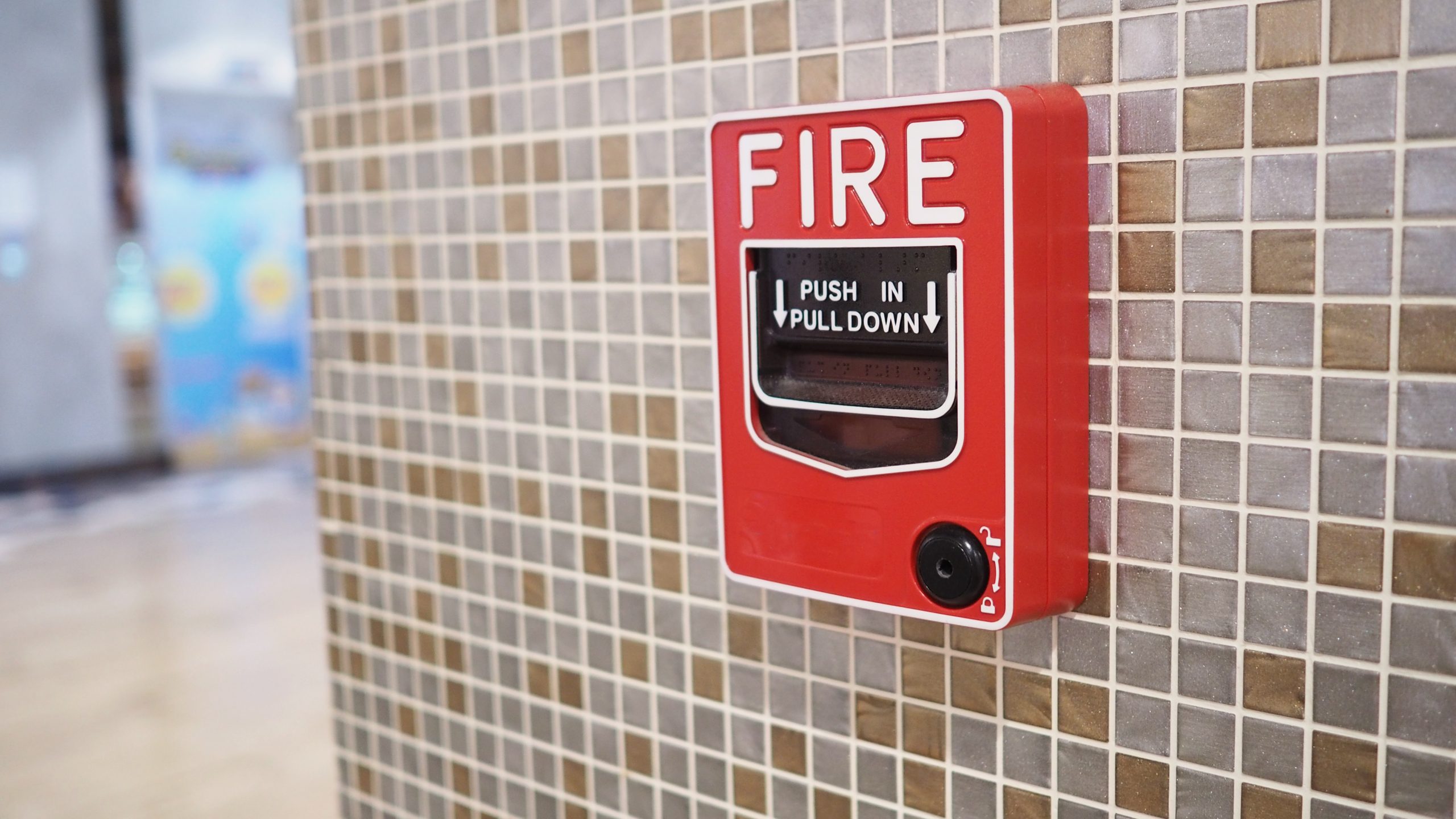
Your fire suppression system isn’t just equipment on the ceiling. Staff should know where the manual pull station is located, how to activate it, and understand that it’s not something to fear using. Too many restaurant owners tell their teams never to touch it because they’re worried about the mess and downtime. But that hesitation can cost you everything. The mess from a suppression system discharge is nothing compared to the damage from an uncontrolled fire.
Documentation matters too. FDNY and Nassau County fire marshals want to see proof that training happened. Dates, attendees, topics covered. Keep records organized and accessible. Training should happen at least twice a year per FDNY requirements, and more often if you have high turnover. Every new hire should receive fire safety orientation before they work a shift.
Fire Code Violations That Shut Down Restaurants
Violations aren’t just paperwork problems. They’re red flags that inspectors take seriously, and some will get you shut down on the spot.
Expired inspection tags are among the most common issues across Nassau County and Suffolk County restaurants. Your fire suppression system needs semi-annual inspections by an S-17 certified technician—that’s the FDNY requirement as of 2023, and it’s strictly enforced. If that tag shows a date older than six months, you’re in violation. Fire extinguishers need annual inspections and monthly visual checks. An expired tag or a gauge showing low pressure means that extinguisher might not work when you need it. Inspectors check these tags first because they’re quick indicators of whether you’re maintaining your systems.
Grease buildup in exhaust hoods and ductwork is a violation that directly causes fires. Research shows that failure to clean was a factor in nearly one in four restaurant fires. When grease accumulates in your exhaust system and a flame reaches it, that grease becomes fuel. The fire travels up the duct, spreading faster than most people realize. NFPA 96 requires cleaning frequency based on your cooking volume—monthly for high-volume operations, quarterly for moderate use. If an inspector finds excessive buildup, that’s a serious violation that can result in immediate closure.
Blocked exits and passageways are non-negotiable safety issues. In the rush to find storage space, restaurants sometimes stack boxes near exit doors or block access to fire extinguishers and manual pull stations. Every exit must remain clear and accessible at all times. Emergency lighting and exit signs must be functional. If customers or staff can’t get out quickly during an emergency, nothing else matters.
Improper storage of combustible materials near cooking equipment is another frequent violation. Paper products, linens, cleaning supplies, and cardboard boxes need to stay at least three feet away from heat sources. It seems obvious, but in a busy kitchen with limited space, these items often end up too close to stoves, ovens, or other equipment. Inspectors look for this because it’s a preventable fire hazard that many restaurants overlook.
Missing or incorrect fire extinguishers will get you cited. Kitchens must have Class K extinguishers designed specifically for grease fires. You can’t substitute a Class ABC extinguisher from the dining room—it’s not designed for high-temperature cooking oil fires. Each extinguisher type serves a specific purpose, and having the wrong one in the wrong location is a violation that puts everyone at risk.
The consequences go beyond fines. Yes, violations can cost up to $5,000 each in NYC and Nassau County. But the real damage is operational. A failed inspection during your busy season can mean immediate closure until issues are corrected. You lose revenue, disappoint customers, and damage your reputation. Insurance premiums can increase. In severe cases, repeat violations or serious safety hazards can result in permanent closure. It’s not worth the risk.
Restaurant Fall Fire Safety Preparation Checklist
Fall preparation isn’t a one-day project. It’s a systematic approach to making sure every fire safety component is ready before the season gets hectic.
Start with your heating systems. Before you turn on furnaces or supplemental heaters for the first time, have them inspected. Check that filters are clean, ventilation is clear, and all connections are secure. Space heaters, if you use them, should be kept at least three feet from any flammable materials and never left unattended. Gas connections should be inspected for leaks. These systems have been sitting idle, and issues can develop during downtime.
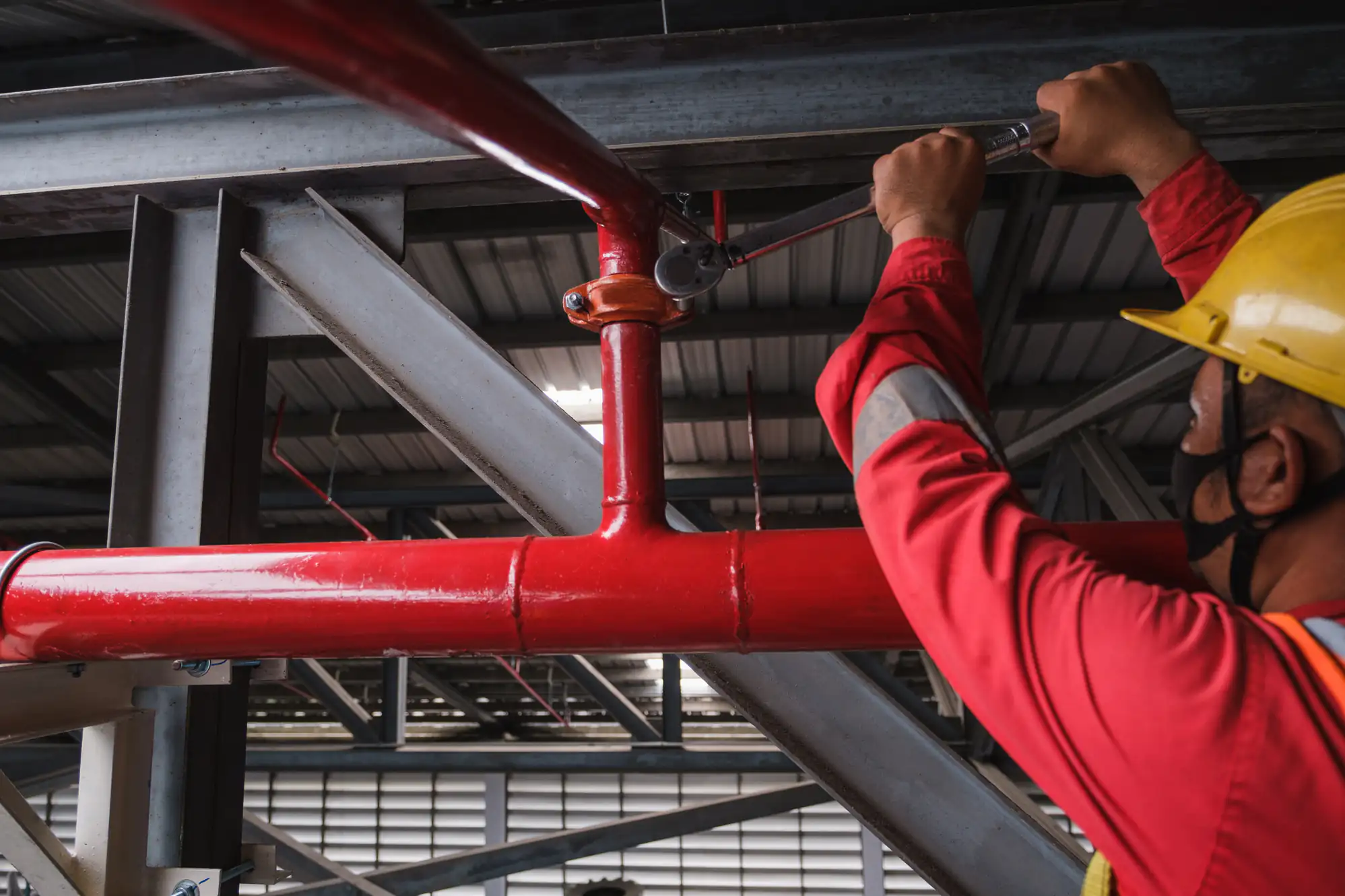
Your fire suppression system needs a full inspection if you’re approaching the six-month mark. This isn’t optional—it’s required across Suffolk, Nassau, and NYC. A technician certified for your specific system brand should test the system, check nozzle coverage, verify that the manual pull station is accessible, and ensure the system will activate properly. The inspection should include pressure checks and documentation that everything meets current code. Schedule this before you hit peak season, not during it.
Kitchen equipment deserves attention too. Fryers, grills, ovens, and ranges should be cleaned thoroughly, with special attention to grease buildup. Check gas and electrical connections. Make sure ventilation hoods are functioning properly and that exhaust fans are working at full capacity. Equipment that’s been running hard all summer may have wear that needs addressing before you push it even harder during the holidays.
Updating Your Restaurant Fire Safety Plan for Year-End Compliance
Your fire safety plan isn’t a document you create once and forget. It’s a living protocol that needs regular updates, especially before year-end compliance reviews.
Start by reviewing your current plan. When was it last updated? Have you changed any equipment layouts, added new cooking appliances, or modified your hood system? Any change to your kitchen configuration can affect how your fire suppression system works. If you’ve replaced equipment or rearranged your cooking line, your suppression system may need reengineering to ensure proper coverage. What worked six months ago might not provide adequate protection today.
Emergency contact information should be current. Who’s the designated person to call 911? Who’s authorized to shut down gas and electrical systems? Have any key staff members left or changed shifts? Your plan should reflect your current team, not last year’s roster. Make sure everyone knows their role and that contact information for emergency services, your fire protection company, and building management is accurate and accessible.
Evacuation procedures need to account for your actual space and current operations. If you’ve added outdoor seating, expanded your dining room, or changed your layout, your evacuation routes may have changed too. Walk through the procedures with your team. Make sure everyone knows primary and secondary exits, understands where customers should be directed, and knows the outdoor assembly point. Practice matters more than paperwork.
Documentation is what inspectors want to see. Your fire safety plan should include records of all training sessions with dates and attendee names. Inspection reports for your fire suppression system, fire extinguishers, and fire alarm system should be organized and readily available. Hood cleaning receipts, maintenance records, and any violation corrections should be part of your file. When an inspector asks to see your documentation, you should be able to produce it immediately, not search through boxes or email folders.
Year-end is also when you should review your compliance calendar for the coming year. When are your next required inspections? When does staff training need to happen again? When are permits up for renewal? Getting these dates on your calendar now prevents last-minute scrambling later. It also helps you budget for these expenses instead of treating them as surprises.
How Heating System Safety Affects Restaurant Fire Risk in Fall
Heating systems don’t get much attention in fire safety conversations, but they should—especially in fall when they’re starting up after months of inactivity.
Commercial heating systems in restaurants work hard. They’re compensating for cold air coming in through kitchen doors during deliveries, fighting against the chill from walk-in coolers, and trying to keep dining areas comfortable while cooking equipment generates intense heat in the kitchen. This constant demand puts stress on components that may have developed issues during the off-season.
Furnace filters that haven’t been changed can restrict airflow, causing systems to overheat. Dust and debris that accumulated over summer can ignite when heat kicks on for the first time. Gas connections that worked fine in spring may have developed small leaks over months of sitting unused. Electrical connections can corrode or loosen, creating fire hazards when the system draws power.
Space heaters deserve special attention because they’re often brought in as quick fixes for cold spots. These portable units should never be near curtains, tablecloths, paper products, or any combustible materials. They need to be on stable surfaces where they won’t tip over, and they should never run unattended. Many restaurant fires start with space heaters that were placed too close to flammable items or left running overnight.
HVAC return vents and ductwork should be inspected as part of your fall preparation. Just like kitchen exhaust systems accumulate grease, HVAC systems can accumulate dust and debris. If there’s any cross-contamination between kitchen exhaust and HVAC systems—which can happen in older buildings or poorly designed setups—you’ve got a serious fire risk. Make sure these systems are separate, clean, and functioning as designed.
The interaction between heating systems and your existing fire protection equipment matters too. Make sure heating vents aren’t blocked by storage or equipment. Verify that smoke detectors and heat sensors aren’t positioned where heating system operation will trigger false alarms. Your fire alarm system should be able to distinguish between normal heating operation and actual fire conditions.
Temperature fluctuations in fall can also affect your fire protection systems in ways you might not expect. Grease in exhaust systems can solidify faster in colder weather, meaning buildup happens more quickly than during summer months. Rooftop exhaust fans can struggle in cold conditions, especially if they’re not properly maintained. These seasonal factors mean your cleaning and maintenance schedule may need to be more frequent in fall and winter than during warmer months.
Preparing Your Nassau County Restaurant for a Safe Fall Season
Fall fire safety preparation isn’t about checking boxes. It’s about making sure your restaurant can handle the busiest, most demanding season of the year without putting anyone at risk.
The restaurants that succeed long-term are the ones that treat fire safety as an operational priority, not an afterthought. They train their staff properly, maintain their systems consistently, and address issues before they become violations or emergencies. They understand that the cost of preparation is nothing compared to the cost of a fire, a violation, or a shutdown during peak season.
Your next step is simple. Review your current fire safety status honestly. When was your last suppression system inspection? Is your staff trained and documented? Are your heating systems ready to run safely all season? If there are gaps, address them now while you have time, not when inspectors show up or when something goes wrong.
We work with Nassau County restaurants to ensure fire safety systems are compliant, staff are properly trained, and seasonal preparations are handled correctly. Getting ahead of fall fire safety requirements protects your business when it matters most.