Summary:
Your fire alarm system sits quietly on the wall until the moment it needs to work. That’s when you find out if you’ve been maintaining it correctly—or if you’ve been crossing your fingers and hoping for the best. In Nassau County, NY, fire alarm maintenance isn’t just about keeping equipment functional. It’s about meeting NFPA 72 standards, satisfying insurance requirements, avoiding fire marshal violations, and making sure your system actually protects people when it matters. The question most property owners ask is simple: what can I test myself, and when do I need to call a professional? The answer affects your liability, your insurance coverage, and whether the fire marshal shows up with a violation notice.
Fire Alarm Maintenance Requirements Nassau County Property Owners Face
Fire alarm maintenance follows specific schedules set by NFPA 72, the National Fire Alarm and Signaling Code. These aren’t suggestions. Nassau County enforces them through the Fire Prevention Ordinance, your insurance company requires them, and the fire marshal checks for them during inspections.
Monthly tests verify that your control panel shows proper status and notification devices work. Quarterly inspections check batteries and connections. Semi-annual testing covers specific components like certain detectors and power supplies. Annual inspections are the comprehensive ones—every device gets tested and documented by a licensed professional.
Then there’s the five-year sensitivity test, where smoke detectors get checked to make sure they’re not too sensitive (causing false alarms) or not sensitive enough (failing to trigger when they should). This requires specialized equipment most property owners don’t have access to.
What Building Owners Can Test Without a Licensed Contractor
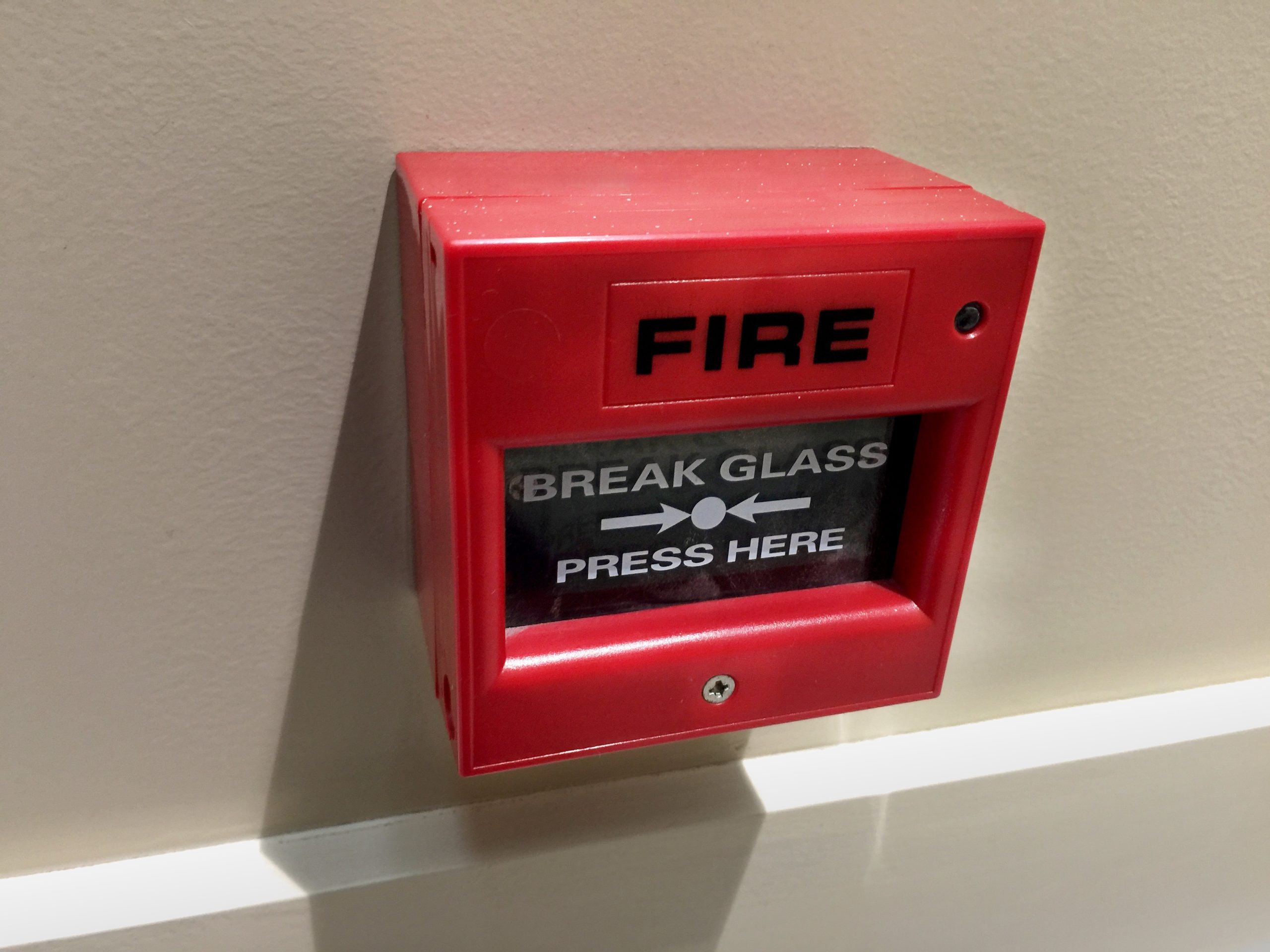
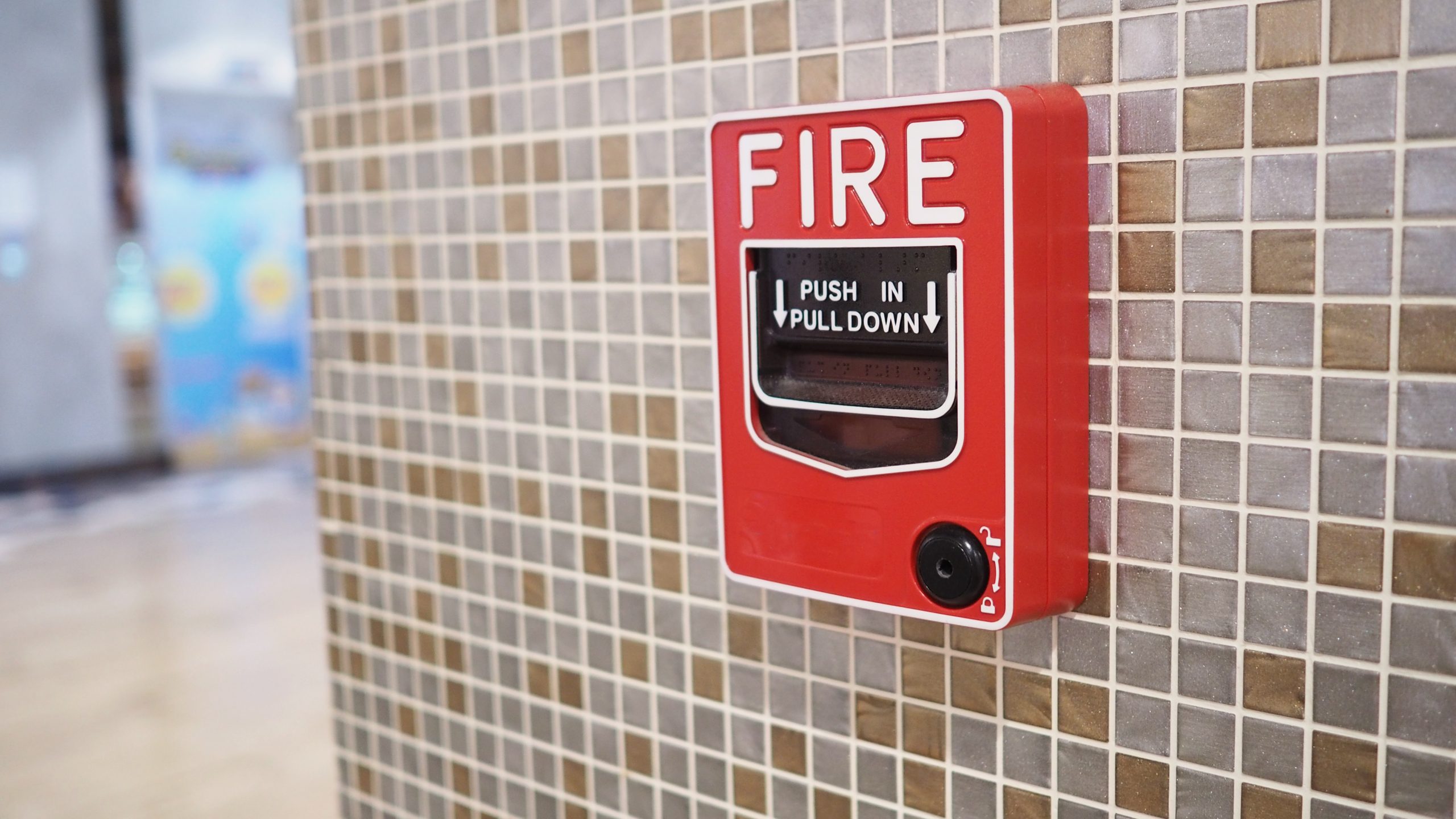
Some fire alarm testing can happen in-house. Your building staff can handle monthly visual checks—making sure control panels aren’t showing trouble signals and devices aren’t visibly damaged. You can press test buttons on smoke detectors to verify they beep. You can check that pull stations aren’t blocked and notification devices are accessible.
These basic checks keep you aware of obvious problems between professional inspections. They don’t replace professional testing, but they help you catch issues early.
What you can’t do yourself is the testing that requires certification, specialized equipment, or documentation that holds up during a fire marshal inspection. You can’t test smoke detector sensitivity with the aerosol equipment professionals use. You can’t verify that your system integrates properly with sprinklers, HVAC shutdowns, or emergency lighting. You can’t produce the documentation format Nassau County requires for compliance.
More importantly, your insurance policy almost certainly requires professional installation and maintenance. Try handling everything yourself, and you risk voiding your coverage entirely. That’s not a risk worth taking to save a few hundred dollars on annual inspection costs, especially when violations can run up to $5,000 per offense under Nassau County fire codes.
The line between DIY and professional isn’t about your technical ability. It’s about licensing requirements, liability protection, and having the right tools for the job. A licensed fire alarm contractor in Nassau County carries certifications, insurance, and equipment you don’t have access to. We know the specific requirements of the Nassau County Fire Prevention Ordinance—not just general fire safety principles.
When you hire a professional for fire alarm system inspections, you’re buying more than our time. You’re buying our knowledge of local codes, our relationship with the fire marshal’s office, our ability to spot problems before they become violations, and documentation that actually protects you if something goes wrong.
When Nassau County Requires Professional Fire Alarm Testing
Nassau County doesn’t leave professional testing requirements up for interpretation. Annual inspections must be conducted by a licensed fire alarm contractor. That’s not a recommendation—it’s the law under the Nassau County Fire Prevention Ordinance, enforced by the Office of the Nassau County Fire Marshal.
The annual inspection covers everything. Every smoke detector gets tested with calibrated equipment. Heat detectors get checked for proper response times. The control panel gets examined for functionality. Notification devices get verified for proper volume and visibility. Backup batteries get load tested. Integration with other systems gets confirmed. And all of it gets documented in the format the fire marshal expects to see when they show up at your property.
You can’t do this work yourself because you don’t have a contractor’s license. You can’t buy the testing equipment because it requires certification to operate. You can’t produce the documentation because it needs to come from a licensed professional to satisfy insurance and fire marshal requirements.
Beyond the annual inspection, semi-annual testing of certain components also requires professional service. The five-year sensitivity test absolutely requires a licensed technician with specialized metering devices and smoke aerosols. Any time you modify your system, add devices, or change building layout, you need professional assessment to ensure coverage remains adequate and compliant.
Professional fire alarm testing also matters when you’re dealing with violations. If the fire marshal has cited you for maintenance issues, you can’t fix it yourself and call it good. You need a licensed contractor to make corrections, test the system, and provide documentation that the violation has been resolved. We specialize in violation correction services, which means we know exactly what the fire marshal needs to see to close out violations and get your property back in compliance.
The cost of professional testing typically runs $200 to $800 annually for most commercial systems, depending on complexity. Compare that to fire code violation fines of up to $5,000 per offense, potential business closure orders, voided insurance coverage, and liability if your system fails during an actual fire. Professional service isn’t an expense—it’s protection against far bigger costs.
Fire Alarm System Inspections: What Licensed Professionals Actually Do
Professional fire alarm system inspections go far beyond pressing test buttons and checking batteries. Licensed technicians follow NFPA 72 protocols that cover every component in your system, using specialized equipment and testing procedures you can’t replicate on your own.
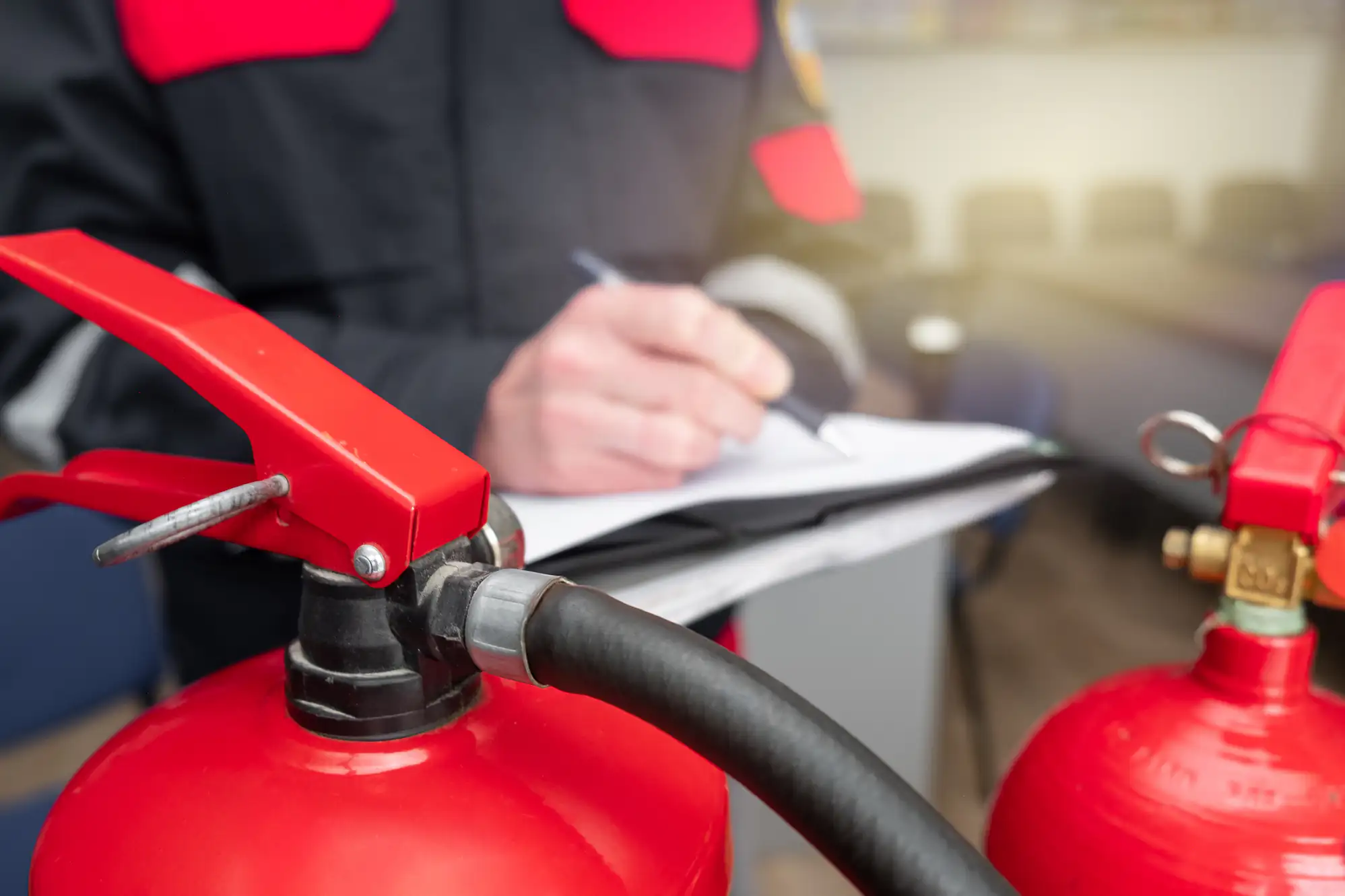
We start with visual inspection—checking for physical damage, obstructions, tampering, and environmental factors that could affect performance. Then comes functional testing, where each device gets activated to verify proper operation. Smoke detectors get tested with calibrated aerosol. Heat detectors get tested with heat sources. Manual pull stations get activated. Notification devices get measured for proper sound levels and light output.
The control panel gets examined in detail. Our technicians verify that signals from initiating devices reach the panel correctly, that the panel processes them properly, and that it triggers the right responses. We test communication with monitoring stations to ensure emergency services will actually get notified if your alarm activates.
Smoke Alarm Maintenance: Why DIY Testing Isn't Enough
Smoke alarm maintenance is where DIY testing falls apart completely. You can press the test button and hear a beep, but that doesn’t tell you if the detector will actually respond to smoke at the right sensitivity level. That test button only confirms the battery and sounder work—it doesn’t test the actual smoke detection capability.
Detectors that are too sensitive cause false alarms that disrupt your business and rack up fines from local authorities. Detectors that aren’t sensitive enough won’t trigger when they should, leaving you unprotected. Both problems happen gradually as detectors age, accumulate dust, or drift from calibration. You won’t notice either problem until you have an actual fire or until false alarms start costing you money.
Professional smoke detector maintenance uses specialized equipment to test detector sensitivity within manufacturer specifications. Our technicians use calibrated aerosol smoke and metering devices to verify that each detector activates within its designed range. We compare readings against manufacturer data to determine if the detector is still functioning correctly or if it needs cleaning, recalibration, or replacement.
NFPA 72 requires sensitivity testing within one year of installation, then every five years after that, or more frequently if detectors show signs of drift. This isn’t something you can do with a test button. It requires equipment, training, and documentation that only licensed contractors provide.
Smoke detectors also have a lifespan of about 10 years. After that, dust, debris, and component wear make them unreliable regardless of how they test. Professional inspections catch detectors approaching end-of-life before they fail during an emergency. DIY testing won’t tell you when replacement is needed until the detector stops working entirely—which could be during the fire you need it to detect.
The difference between professional and DIY smoke detector maintenance is the difference between knowing your detectors work and hoping they work. When you’re responsible for a commercial building in Nassau County, NY, hoping isn’t good enough. You need documentation, proper testing, and the certainty that comes from having NICET certified professionals handle the work.
Fire Alarm Testing Documentation Requirements in Nassau County
Documentation separates professional fire alarm testing from DIY attempts. When the fire marshal shows up for an inspection, they don’t want to hear that you’ve been testing your system. They want to see written records from a licensed contractor that prove your system has been maintained according to NFPA 72 standards and Nassau County Fire Prevention Ordinance requirements.
Those records need to include dates of inspection, names of inspecting technicians, contractor license numbers, condition of equipment, test results for each device, and actions taken to correct any deficiencies. The format matters. The source matters. A handwritten log from your maintenance staff doesn’t satisfy fire marshal requirements, no matter how detailed it might be.
Nassau County’s Fire Prevention Ordinance gives the fire marshal authority to demand these records at any time. If you can’t produce them, you’re looking at violations, fines, and potential closure orders until you bring your system into compliance. All fire code violations in Nassau County get heard at the District Court of Nassau County at 99 Main Street in Hempstead, and many of them carry penalties up to $5,000 per offense. Some violations can even be charged as misdemeanors with criminal implications.
Professional fire alarm contractors maintain these records as part of our service. When we inspect your system, you get documentation that satisfies fire marshal requirements, insurance company audits, and liability protection if something goes wrong. That documentation proves you’ve been maintaining your system according to code, which matters enormously if you ever face a lawsuit after a fire.
The documentation also tracks system history over time. We note when components are approaching end-of-life, when sensitivity is drifting, when modifications affect coverage, and when upgrades would improve reliability. This historical record helps you make informed decisions about system maintenance and replacement rather than just reacting to failures.
DIY testing can’t provide this documentation because it doesn’t come from a licensed source. Even if you keep meticulous records of your own testing, they won’t protect you during a fire marshal inspection or insurance audit. The documentation needs to come from someone with credentials, insurance, and accountability—someone with proper NYS licensing and Nassau County credentials.
Choosing Professional Fire Alarm Maintenance in Nassau County
Fire alarm maintenance in Nassau County, NY isn’t a DIY project. You can handle basic monthly checks to spot obvious problems, but annual inspections, sensitivity testing, and compliance documentation require licensed professionals. The cost of professional service—typically $200 to $800 annually—is far less than the cost of violations, voided insurance, or system failure during an actual emergency.
NFPA 72 standards, Nassau County Fire Prevention Ordinance requirements, and insurance policy conditions all point to the same conclusion: professional fire alarm testing isn’t optional. It’s how you protect your property, your people, and yourself from liability.
When you need fire alarm system inspections, violation corrections, or comprehensive maintenance in Nassau County, NY, we bring NICET certified professionals, proper licensing, and expertise in local fire codes. We understand what the fire marshal expects, what your insurance requires, and how to keep your system functioning when it matters most.