Summary:
You’re budgeting for a fire alarm system, and you need real numbers—not vague ranges that don’t account for your specific building, Nassau County’s permit requirements, or the actual equipment your property needs. The truth is, fire alarm installation costs vary dramatically based on factors most online guides gloss over. A 5,000 square foot retail space faces different requirements than a 20,000 square foot warehouse, and older buildings in Nassau County often come with retrofit challenges that can double your per-square-foot costs.
This isn’t about finding the cheapest option. It’s about understanding where your money goes, what Nassau County requires for permit approval, and how to avoid the surprise costs that derail budgets. Let’s break down what fire alarm system installation actually costs in 2026.
Fire Alarm Installation Cost Breakdown
Commercial fire alarm systems in Nassau County typically cost between $3 and $7 per square foot for standard installations. That puts a 5,000 square foot building somewhere between $15,000 and $35,000 for a complete system. But that range doesn’t tell you much if you don’t know what drives the price up or down.
The total cost splits into several categories: equipment (control panels, detectors, notification devices), labor (installation, wiring, testing), permits (Nassau County Fire Marshal fees, police permits), and ongoing expenses (monitoring, annual inspections, maintenance). Each category has variables that affect your final number. A new construction project with easy wiring access costs significantly less per square foot than retrofitting a 1960s building with finished walls and outdated electrical systems.
Understanding these categories helps you evaluate quotes accurately. When one contractor quotes $4 per square foot and another quotes $8, the difference usually comes down to system type, component quality, or complexity factors specific to your building.
What You're Actually Paying For: Equipment Costs Explained
Fire alarm equipment breaks down into three main components: detection devices, notification devices, and control panels. Each serves a specific function, and the type you need depends on your building’s size, layout, and Nassau County Fire Marshal requirements.
Smoke detectors range from $10 to $100 per unit depending on type. Ionization detectors sit at the lower end and respond quickly to fast-flaming fires. Photoelectric detectors cost $20 to $70 and detect smoldering fires more effectively. Dual-sensor detectors combining both technologies run $40 to $100 and provide comprehensive coverage. Heat detectors for kitchens or mechanical rooms cost $11 to $150 each. Carbon monoxide detectors add another $15 to $150 per unit, often required by code in certain occupancies.
Control panels represent your largest single equipment expense. Basic conventional panels start around $300 to $1,000 for small systems. Addressable panels—which allow you to pinpoint exactly which device triggered an alarm—range from $2,000 to $6,000 or more. Most commercial buildings in Nassau County require addressable systems to meet NFPA code requirements and Fire Marshal standards. The panel acts as the brain of your system, coordinating all devices and managing emergency responses.
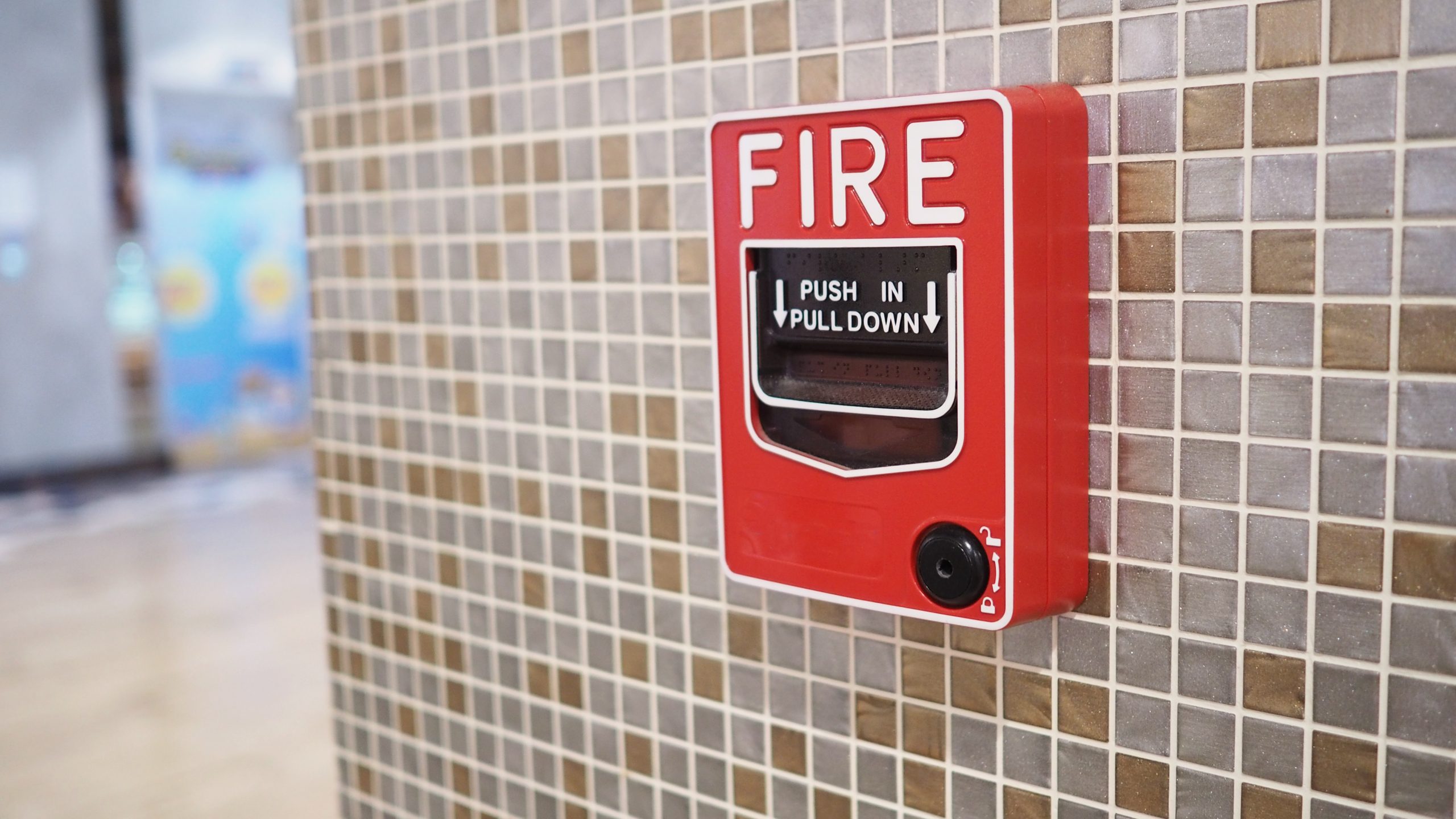
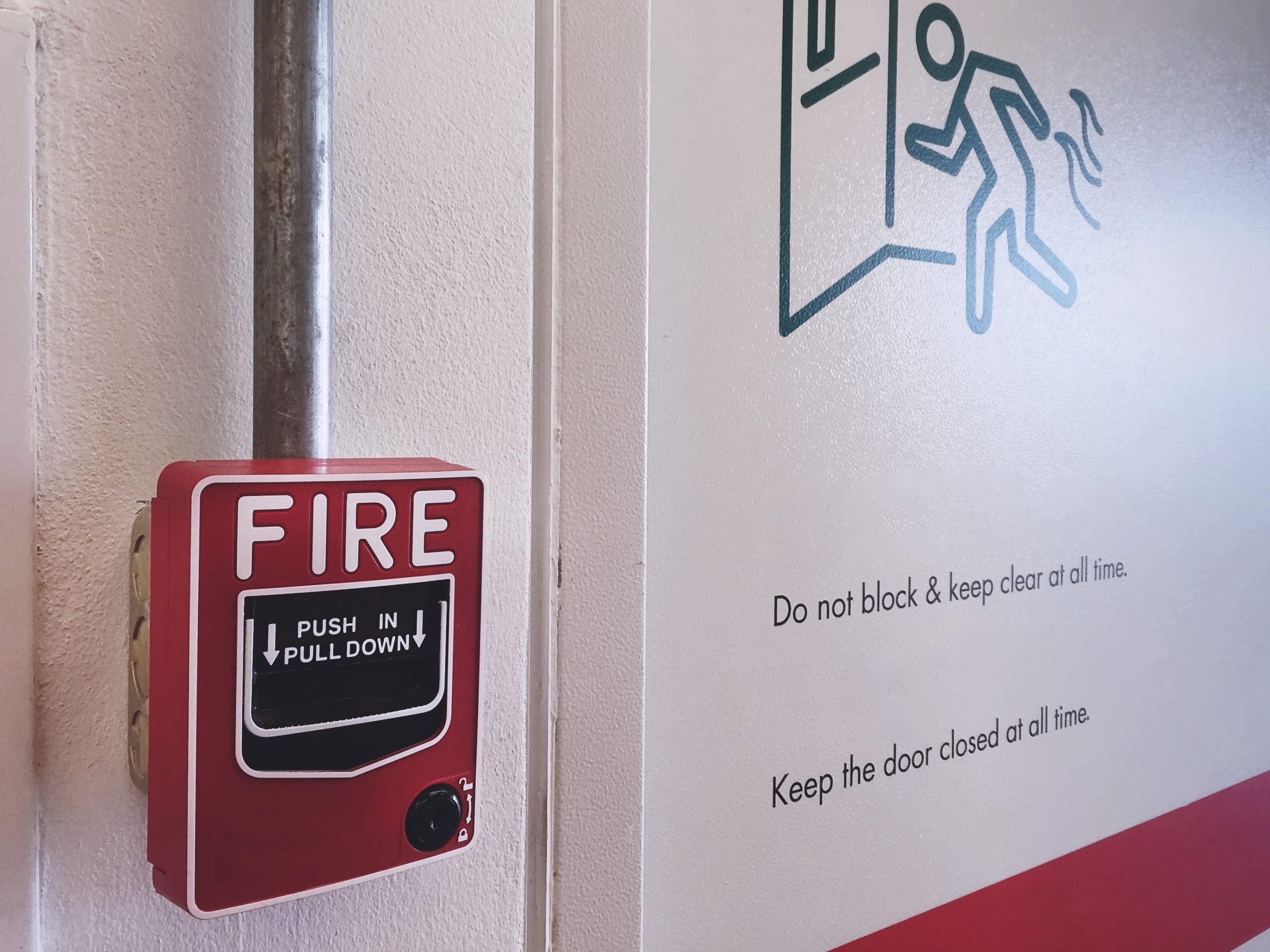
Notification devices include horns, strobes, and speakers. Basic alarms cost $10 to $50 per unit. Strobe lights or voice evacuation systems range from $50 to $500 each depending on sophistication and regulatory requirements. Buildings with occupancies over certain thresholds need voice evacuation capabilities, which increases notification device costs significantly. Pull stations cost $20 to $99 each, and Nassau County Fire Prevention Ordinance requires at least one manual fire alarm station per commercial building near exits.
The equipment you select impacts both upfront costs and long-term reliability. Cheaper components might save money initially but can lead to more frequent false alarms, higher maintenance costs, and potential code compliance issues during inspections.
Why Labor Costs More Than You'd Think
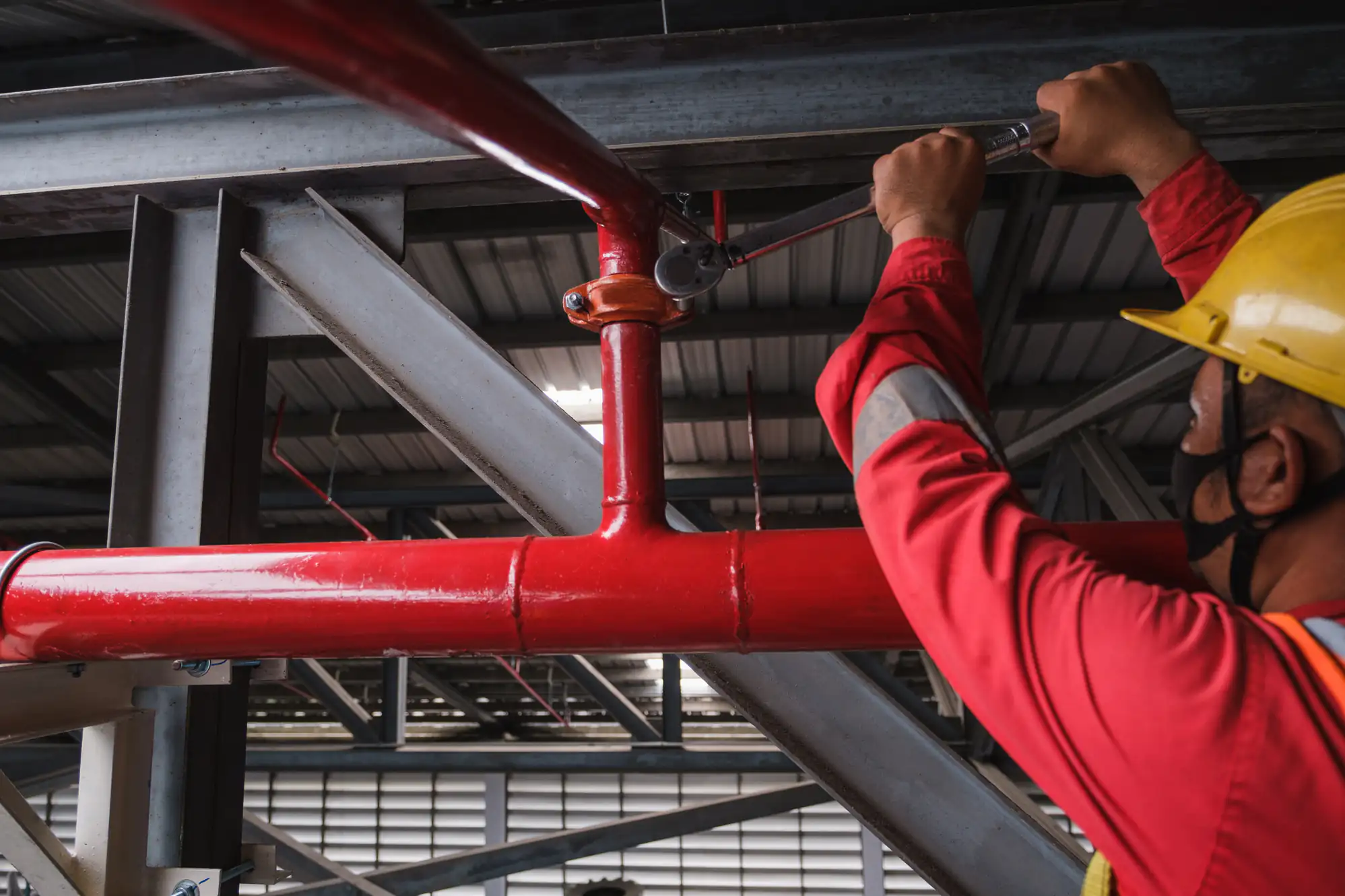
Labor typically represents 40% to 60% of your total fire alarm installation cost. Installation complexity varies dramatically based on building age, construction type, and accessibility. New construction installations cost significantly less because installers have open walls and ceilings to run wiring. Retrofit projects in existing buildings require fishing wires through finished spaces, cutting into walls, and working around occupied areas—all of which increase labor hours.
Nassau County buildings constructed between 1945 and 1975 present specific challenges. Many have aging 100-amp electrical panels, aluminum wiring, and infrastructure that doesn’t support modern fire alarm systems without upgrades. Retrofitting these buildings typically costs $4 to $12 per square foot compared to $1 to $5 per square foot for straightforward installations. The higher end accounts for additional labor needed for wall penetrations, updated wiring, and modifications to ensure code compliance with current Nassau County Fire Prevention Ordinance requirements.
Multi-story buildings increase labor costs due to vertical wiring runs between floors. A two-story building costs more than a single-story building of the same square footage because installers must run conduit and wiring through multiple levels. Buildings over 30 feet tall often require specialized detection methods and additional labor for high-ceiling installations. Some retail environments with high ceilings need beam detectors or air sampling systems that cost more to install than standard spot detectors.
Installation also includes system programming, testing, and coordination with the Nassau County Fire Marshal’s Office for inspections. Licensed installers must test every device, verify proper operation, and demonstrate system functionality during the final inspection. This testing phase ensures your system meets NFPA 72 standards and Nassau County requirements before you receive approval to operate.
Commercial Fire Alarm Cost by Building Size
Commercial fire alarm costs scale with building size and complexity. Small offices under 5,000 square feet typically invest $15,000 to $25,000 for complete systems including 10 to 20 smoke detectors, 4 to 8 pull stations, 8 to 15 horn/strobe devices, control panel, monitoring equipment, and installation labor. Medical offices and restaurants tend toward the higher end because of room count and special hazard areas requiring additional detection devices.
Medium retail spaces between 5,000 and 20,000 square feet run $25,000 to $75,000. Device count scales proportionally with building size—a 10,000 square foot space needs roughly twice the devices of a 5,000 square foot space. High ceilings common in retail environments sometimes require beam detectors or air sampling systems that cost more than standard spot detectors but provide necessary coverage for large open areas.
Large warehouses from 20,000 to 50,000 square feet cost $75,000 to $200,000 for fire alarm installations. These projects almost always use addressable systems because of device count and the need to pinpoint alarm locations quickly. Warehouse heights affect detector selection and spacing—buildings over 30 feet tall need specialized detection methods that increase costs but ensure reliable fire detection in challenging environments.
Conventional vs. Addressable: Which System Your Building Actually Needs
Choosing between conventional and addressable fire alarm systems affects both upfront costs and long-term functionality. Conventional systems group multiple devices into zones. When an alarm triggers, you know which zone has the problem but not which specific device activated. These systems work well for smaller buildings where you can quickly locate the source visually. Conventional systems cost less upfront—basic panels start around $300 to $1,000—making them attractive for budget-conscious small businesses.
Addressable systems assign each device a unique identifier. When a smoke detector activates, the control panel displays exactly which device triggered the alarm and its precise location. This specificity speeds emergency response and reduces time spent searching for fire sources in large buildings. Addressable panels cost $2,000 to $6,000 or more, but most commercial buildings in Nassau County require them to meet Fire Marshal requirements and NFPA codes.
The cost difference extends beyond the control panel. Addressable devices themselves cost more than conventional equivalents, but they provide advanced features like sensitivity adjustment, maintenance alerts, and automatic testing capabilities. Systems using Notifier by Honeywell ONYX Advanced Detection technology offer nine levels of sensitivity and drift compensation that reduces nuisance alarms—a significant benefit given that false alarms cost U.S. businesses over $1 billion annually in fees and lost productivity.
For buildings with complex layouts, multiple floors, or areas where pinpointing fire location matters for evacuation planning, addressable systems justify the higher cost. The ability to identify exactly which device needs attention also reduces maintenance time and costs over the system’s lifespan. If your Nassau County property has more than 10,000 square feet or multiple floors, expect addressable systems in your quote—and understand that the extra cost delivers real operational value.
The Monthly Costs Nobody Mentions Upfront
Fire alarm installation represents just the beginning of your investment. Ongoing monitoring and maintenance ensure your system remains code-compliant and functional when you need it most. Commercial fire alarm monitoring in Nassau County typically costs $50 to $70 per month depending on the provider, communication method (phone line, cellular, or IP), and equipment being monitored. That’s $600 to $840 annually—not insignificant when you’re planning long-term operating budgets.
Professional monitoring means when your system detects fire or smoke, a central station receives the signal within seconds and dispatches emergency services to your Nassau County location. The monitoring center also tracks trouble signals, supervisory alerts, and power loss around the clock. This 24/7 oversight provides the rapid response that can mean the difference between minor damage and total loss.
Annual inspections are mandatory under NFPA 72 and Nassau County Fire Marshal requirements. Small commercial properties with basic systems typically pay $300 to $1,000 for annual inspections. The inspection includes testing smoke detectors, heat sensors, pull stations, control panels, and notification devices to verify everything functions correctly. Inspectors document all tests and provide certificates of compliance required for insurance and occupancy permits.
Maintenance costs beyond annual inspections typically range from $200 to $800 annually depending on system complexity. Routine maintenance involves cleaning smoke detectors, replacing batteries, and addressing minor issues before they become major problems. Some devices require semi-annual testing of communication pathways and backup power systems. Quarterly testing focuses on specific devices like waterflow switches in buildings equipped with sprinkler systems.
Factor these ongoing costs into your total budget. A system that costs $5,000 less upfront but requires expensive proprietary monitoring or has higher maintenance needs might cost more over its 10 to 15 year lifespan than a higher-quality system with lower operating costs. Do the math over five years, not just the installation phase.
Nassau County Fire Alarm Permit Requirements and Costs
Nassau County has specific permit requirements that affect both cost and timeline for fire alarm installations. Understanding these requirements before starting your project prevents delays and ensures code compliance from the beginning. Here’s what actually matters for your budget and schedule.
Commercial fire alarm permits in Nassau County require working with a licensed alarm company registered with the Nassau County Fire Marshal’s Office. You cannot obtain the permit yourself—it must come through a licensed installer. The Fire Marshal’s Office maintains a list of licensed contractors authorized to pull permits. This requirement exists for good reason: it ensures installations meet code and get proper inspection oversight.