Summary:
You’re comparing fire alarm systems because you need one that actually works when it counts. Maybe you’re dealing with a code violation, planning new construction, or finally upgrading that system from the 1980s. Whatever brought you here, you’re probably noticing that fire alarm technology isn’t as straightforward as it used to be.
Addressable versus conventional. Photoelectric versus ionization. Wired versus wireless. Heat detectors, smoke detectors, control panels with enough features to fly a plane. It’s a lot.
Here’s what actually matters: the system you choose affects how fast you locate a fire, how often you deal with false alarms, what your installation costs, and whether you can expand later without ripping everything out. Let’s start with the biggest decision most property owners face.
Understanding Fire Alarm Control Panel Types
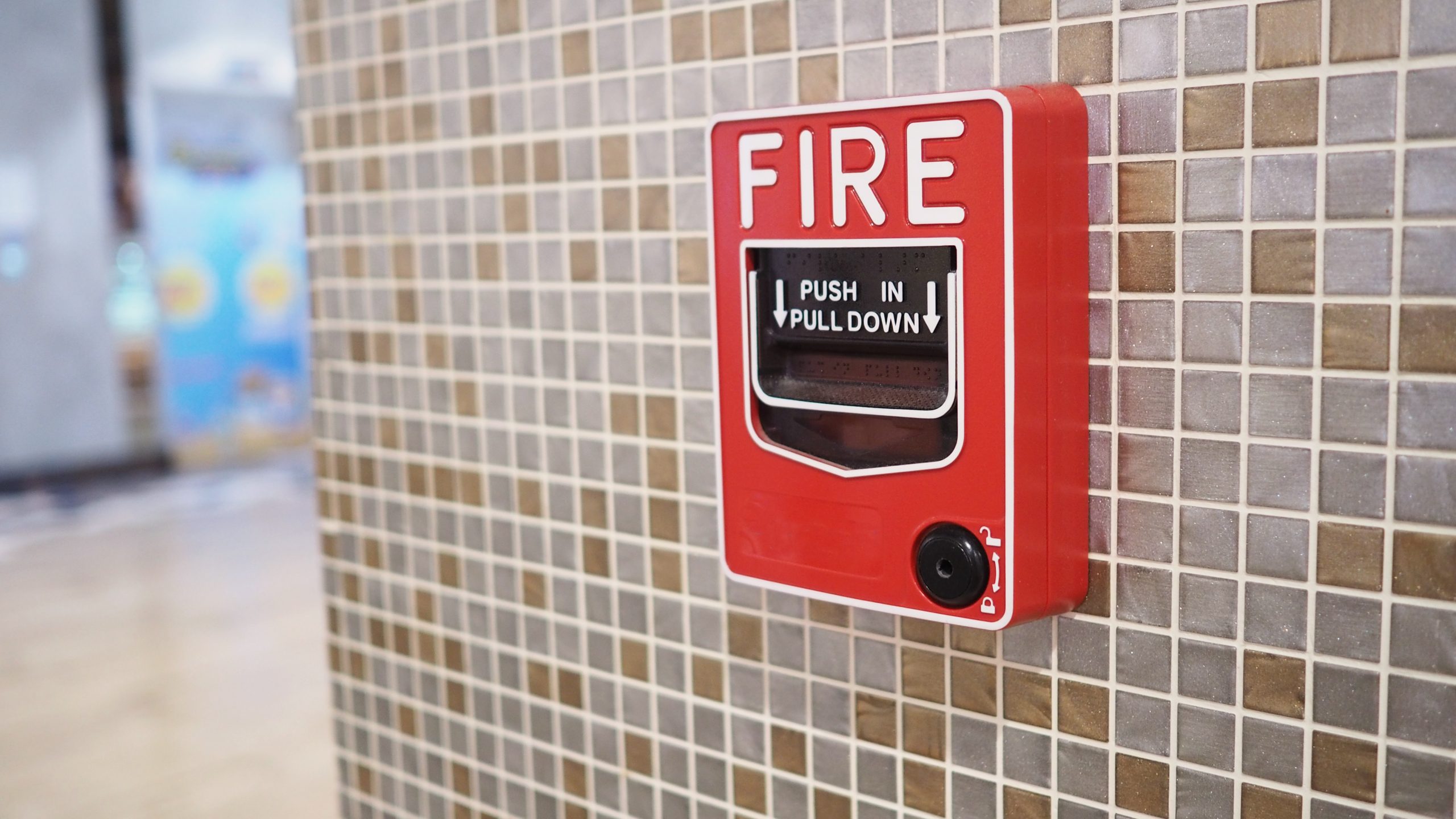
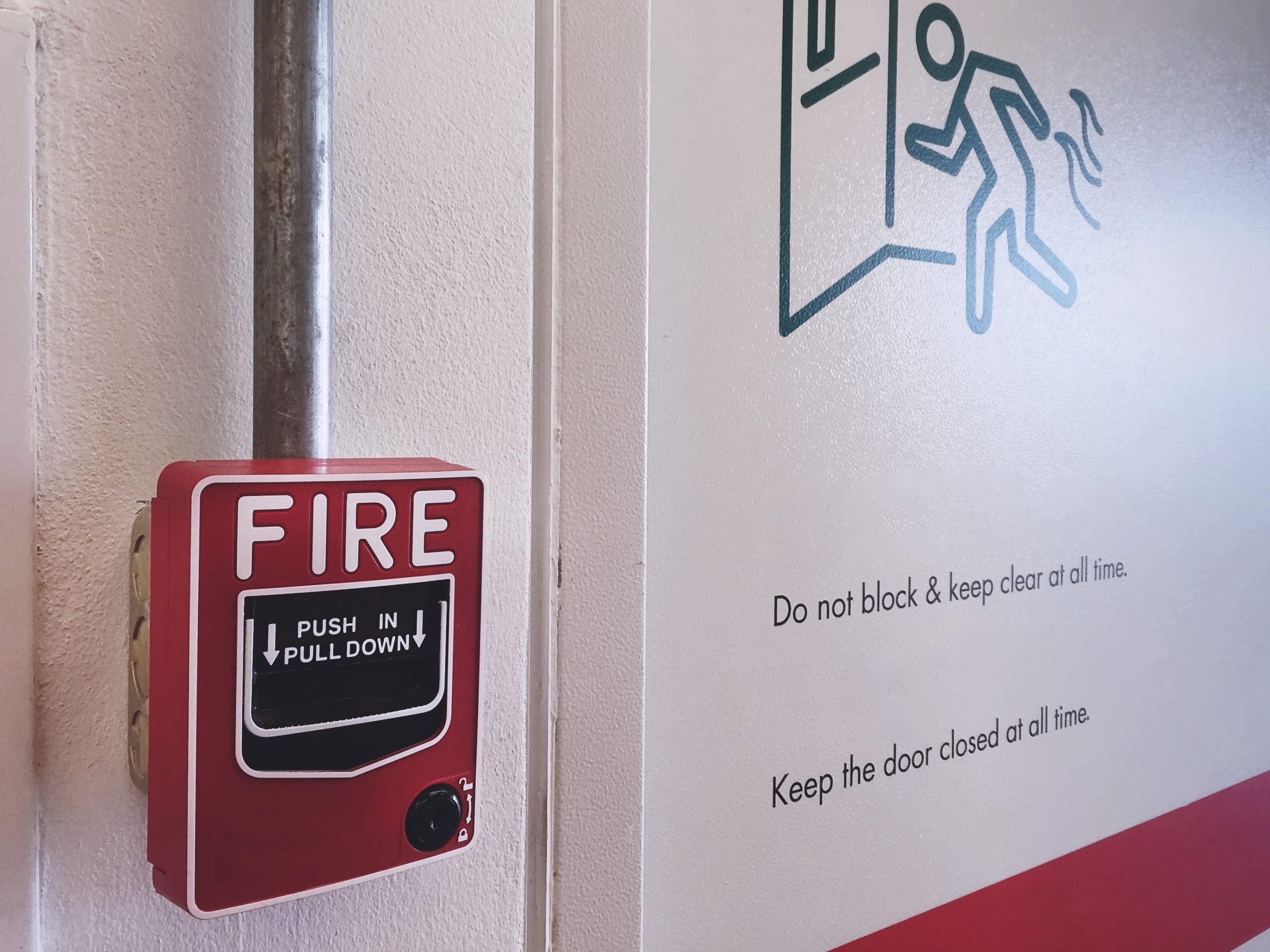
The fire alarm control panel is the brain of your entire system. It receives signals from smoke detectors, heat detectors, and manual pull stations, then decides what happens next. Alarms sound. Strobes flash. Emergency services get notified. But how that panel processes information depends entirely on which technology you’re using.
Conventional panels and addressable panels handle communication differently. That difference affects everything from how firefighters respond to how much you spend on installation. Neither one is universally better. They’re designed for different applications, and choosing the wrong one for your building creates problems you’ll be dealing with for years.
Let’s look at how each one actually works.
How Conventional Fire Alarm Systems Work
Conventional fire alarm systems divide your building into zones. Each zone is a separate circuit with multiple devices wired together. When a smoke detector in Zone 3 activates, the control panel knows there’s a problem in Zone 3. That’s it. It doesn’t know which detector triggered or exactly where the fire started. You know the general area.
The panel displays something like “Zone 3 Alarm” and lights up the corresponding indicator. If Zone 3 covers the entire second floor, someone needs to walk that floor looking at individual detectors to find which one activated. In a small building with clear zones, that’s not a huge problem. In a 50,000 square foot facility with dozens of rooms per zone, it wastes critical time.
Conventional systems use analog technology and hardware-based communication. They’re reliable. They’ve been around for decades. Installation is straightforward for technicians familiar with the wiring. The upfront equipment cost is typically lower than addressable systems.
But here’s the reality. Conventional panels only tell you the zone. If you have ten smoke detectors in that zone, you’re hunting. During a fire, every second counts. Firefighters arriving on scene don’t want to search an entire floor. They want an exact location.
Conventional systems also require more wiring. Each zone needs its own circuit running back to the panel. More wire means higher installation labor costs, especially in larger buildings. You’re saving money on equipment but spending it on installation time.
These systems work well for smaller facilities where zones can be kept tight. A small office building, retail shop, or warehouse with an open layout. Places where “Zone 2” actually narrows it down enough to respond quickly. For anything larger or more complex, the limitations start showing.
One more thing. Conventional systems are harder to expand. Adding devices means checking zone capacity, running new wire, and potentially adding zones to the panel. It’s doable, but not elegant.
How Addressable Fire Alarm Systems Work
Addressable systems assign a unique ID to every single device on the network. Smoke detector #023 in the first-floor conference room has its own address. When that detector activates, the control panel doesn’t just say “Zone 1.” It says “Smoke Detector 023, First Floor Conference Room.” You know exactly where the fire is before anyone even walks toward it.
This precision changes emergency response. Firefighters arriving on scene see the exact location on the panel display. They head straight there. No searching. No wasted time. In a large building, that could mean the difference between containing a fire and losing an entire floor.
Addressable systems use digital communication over a signaling loop circuit. All devices connect to this loop, which terminates back at the control panel. Instead of multiple zone circuits, you have one or two loops handling communication for the entire system. Less wiring. Lower installation labor. Easier to add devices later.
Each device continuously communicates with the panel. Not just when there’s a fire. The panel monitors device health, battery status, even dust accumulation on sensors. If a detector starts malfunctioning, you know before it fails completely. Preventive maintenance instead of reactive repairs.
False alarms drop significantly with addressable technology. The panel can analyze data from individual devices and use intelligent algorithms to determine if it’s real smoke or just steam from a bathroom. Some systems even have sensitivity adjustment for specific detectors based on their location. The detector near the kitchen can be set differently than the one in the server room.
Programming flexibility is another advantage. You can set up complex responses. If the kitchen heat detector activates, shut down the hood suppression system and alert the kitchen staff. If the warehouse smoke detector triggers, activate the HVAC smoke control and unlock specific exit doors. Conventional systems can’t do this level of coordination.
Addressable panels also integrate with building management systems more easily. Fire alarm data flows into your central monitoring platform alongside HVAC, security, and access control. Everything talks to each other. When there’s a fire, the BMS can automatically shut down air handlers, recall elevators, and unlock doors based on the exact fire location.
The upfront equipment cost is higher for addressable systems. The panel itself costs more. Addressable devices cost more than conventional ones. But installation labor is typically lower because you’re running less wire. For larger buildings, the total installed cost often ends up comparable, sometimes even lower.
Scalability is built in. Need to add ten more smoke detectors next year? Program their addresses, connect them to the loop, and you’re done. No new zone circuits. No panel capacity issues in most cases. The system grows with your building.
Addressable systems are the standard for new commercial construction, high-rises, hospitals, schools, and any facility where pinpoint accuracy matters. They’re also increasingly common in residential applications, especially multi-family buildings where interconnected systems are required by code.
Photoelectric Smoke Alarms vs Ionization Technology
Not all smoke detectors sense smoke the same way. The technology inside that device determines what type of fire it detects best. Photoelectric and ionization smoke alarms use completely different methods. Each one excels at catching specific fire types. Neither one catches everything equally well.
This isn’t just technical trivia. The detector type you install affects how much warning time you get during different fire scenarios. For residential applications especially, this choice has life safety implications.
Here’s how each technology actually works and where it belongs.
Photoelectric Smoke Detection Technology
Photoelectric smoke alarms use a light beam and a sensor inside a detection chamber. Under normal conditions, the light beam doesn’t hit the sensor. When smoke enters the chamber, it scatters the light. Some of that scattered light hits the sensor, triggering the alarm.
This technology excels at detecting smoldering fires. Fires that produce large smoke particles before they burst into flames. Think of a cigarette burning in a couch cushion. Electrical wiring smoldering inside a wall. Furniture or bedding that’s been smoldering for hours before it ignites.
Smoldering fires are deadly. They produce massive amounts of smoke and toxic gases while temperatures stay relatively low. People don’t wake up from heat. They die from smoke inhalation in their sleep. Photoelectric detectors catch these fires early, giving you critical extra minutes to evacuate.
For residential settings, photoelectric technology is increasingly preferred. Most fatal home fires involve a significant smoldering period. These detectors provide earlier warning for the fire types that kill people at night. Some states have even banned ionization-only detectors in new residential construction because photoelectric performs better for typical home fire scenarios.
Photoelectric alarms also produce fewer false alarms from cooking or steam. That light scattering method doesn’t react as strongly to non-smoke particles. You can install them closer to kitchens and bathrooms without constant nuisance alarms. When people get fewer false alarms, they stop disabling their smoke detectors. That alone saves lives.
Commercial applications benefit from photoelectric technology too, especially in areas where smoldering fires are likely. Office spaces with lots of furniture and paper. Hotel rooms. Anywhere people sleep or spend extended time. The early warning matters.
These detectors cost slightly more than ionization types, but the price difference has narrowed. For most residential and commercial applications, photoelectric is the better choice. Some manufacturers now offer dual-sensor detectors that combine both technologies in one unit, giving you the benefits of each.
Wireless Smoke Alarms and Interconnected Systems
Wireless smoke alarms solve one of the biggest challenges in fire protection: getting whole-building coverage without tearing into walls to run wire. These systems use radio frequency communication instead of physical wiring to link detectors together. When one alarm activates, all connected alarms sound simultaneously throughout the property.
The advantage is immediate. In a multi-story home or building, you might not hear a smoke alarm going off in the basement if you’re on the third floor. With interconnected wireless smoke alarms, that basement detector triggers every alarm in the system. You hear it no matter where you are. That extra warning time can be the difference between a safe evacuation and a tragedy.
Installation is dramatically simpler than hardwired systems. Battery-operated wireless detectors mount to the ceiling or wall without running any wire. Pair them together using the built-in radio frequency module, and you’re done. This makes wireless systems ideal for existing buildings where fishing wire through walls would be expensive or impossible. Nassau County has plenty of older construction where wireless retrofits make perfect sense.
Many states now require interconnected smoke alarms in new residential construction. Wireless technology makes compliance easier without the labor cost of hardwiring every detector. You can install a complete interconnected system in a fraction of the time it takes to wire a traditional system.
Modern wireless smoke alarms offer impressive range. Most systems handle 50 feet or more between devices indoors, with some extending coverage across large properties. You can interconnect up to 18 or more devices depending on the manufacturer, providing comprehensive coverage for even sizable homes and commercial spaces.
Battery life has improved significantly. Many wireless detectors now use sealed lithium batteries rated for 10 years. No battery changes for a decade. When the battery finally depletes, you replace the entire unit. This eliminates the common problem of people removing batteries from chirping detectors and forgetting to replace them.
Some wireless systems integrate with smart home platforms. You get smartphone alerts when an alarm activates, even when you’re away from the property. Check alarm status remotely. Silence false alarms from your phone. These features appeal to property owners who want fire protection integrated with their overall building management approach.
The main consideration with wireless systems is ensuring devices stay within communication range. Thick walls, metal construction, or large distances between detectors can interfere with radio signals. Professional installation helps identify and solve these issues before they become problems. We assess your building layout and recommend wireless detector placement that ensures reliable communication throughout your Nassau County property.
Smoke detectors aren’t appropriate everywhere. Some locations generate smoke, steam, dust, or fumes during normal operations. Installing smoke alarms in these areas creates a false alarm nightmare. That’s where heat detectors come in.
Heat detectors respond to temperature, not smoke. They activate when the ambient temperature reaches a preset threshold or when temperature rises rapidly over a short period. Two main types exist: fixed temperature and rate-of-rise.
Fixed temperature heat detectors trigger when the surrounding air hits a specific temperature, typically 135°F or 194°F depending on the model and application. They’re simple, reliable, and won’t activate from normal temperature fluctuations. A kitchen can get warm during cooking without setting off the alarm. But when a fire pushes temperatures past that threshold, the detector activates.
Rate-of-rise heat detectors monitor how fast temperature increases. If the temperature jumps 12-15 degrees per minute, the alarm sounds even if the absolute temperature hasn’t reached the fixed threshold yet. This provides faster response for fast-developing fires in areas that normally run hot.
Commercial kitchens are the classic heat detector application. Smoke and steam are constant. Grease fires produce intense heat quickly. A heat detector catches the fire without triggering every time someone opens an oven. Many jurisdictions require heat detectors in commercial kitchen areas specifically because smoke alarms don’t work there.
Garages and parking structures are another common application. Vehicle exhaust creates fumes that would set off smoke detectors constantly. Dust and humidity add to the problem. Heat detectors avoid false alarms while still providing fire protection. Some newer systems even combine heat detection with carbon monoxide monitoring for comprehensive garage safety.
Attics, mechanical rooms, and boiler rooms all benefit from heat detection. These spaces often have temperature fluctuations, dust, or steam that interfere with smoke detection. Heat detectors handle these environments without the false alarm issues.
Industrial facilities use heat detectors extensively. Manufacturing areas with dust, chemical fumes, or normal smoke from processes can’t rely on smoke detection. Heat detectors provide fire protection without shutting down operations every time normal particulates hit the air.
One important limitation: heat detectors are slower to respond than smoke detectors for most fire types. Smoke appears before temperature rises significantly. Heat detectors are designed for property protection more than life safety. You shouldn’t use them as the primary detection method in occupied spaces where people sleep or spend extended time. They’re supplemental protection in areas where smoke detection doesn’t work.
The best systems combine both technologies. Smoke detectors in offices, hallways, and occupied spaces. Heat detectors in kitchens, garages, and mechanical rooms. Each technology where it performs best. That’s how you get comprehensive coverage without constant false alarms.
We design fire alarm systems that match detection technology to your specific building layout and use. Our NICET certified professionals assess each area and recommend the right detector type for that space. You’re not getting a one-size-fits-all solution. You’re getting a system engineered for your actual building conditions in Nassau County.