Summary:
You installed a fire alarm system because it was required. It passed inspection. The panel lights up green. But here’s the question most Nassau County business owners don’t ask until it’s too late: if a fire breaks out at 2 AM on a Saturday, who’s calling 911?
Traditional fire alarms do one thing—they sound. Loud, yes. Local, absolutely. But that’s where their job ends. Fire monitoring systems go further. They detect, alert, verify, and dispatch emergency services automatically, whether you’re on-site or three states away. The difference isn’t subtle. It’s the difference between hoping someone hears the alarm and knowing the fire department is already on the way.
What Is a Fire Monitoring System and How Does It Work
A fire monitoring system connects your building’s smoke detectors, heat sensors, and alarm control panel to a UL-listed central monitoring station through cellular, internet, or dedicated communication pathways. When a device activates, the system sends an immediate signal to trained monitoring personnel who verify the alarm and contact Nassau County emergency services.
The process happens fast. Most monitored systems notify the fire department within 30 seconds of initial activation. Compare that to a traditional alarm, which relies on someone hearing it, finding a phone, and making the call themselves—assuming anyone’s even there to hear it.
This isn’t about replacing your fire alarm. It’s about connecting it to people who are always watching. Your detectors still work the same way. Your notification devices still sound. But now, when they activate, a professional monitoring center receives that signal instantly and takes action.
How Central Fire Alarm Systems Connect to Monitoring Stations
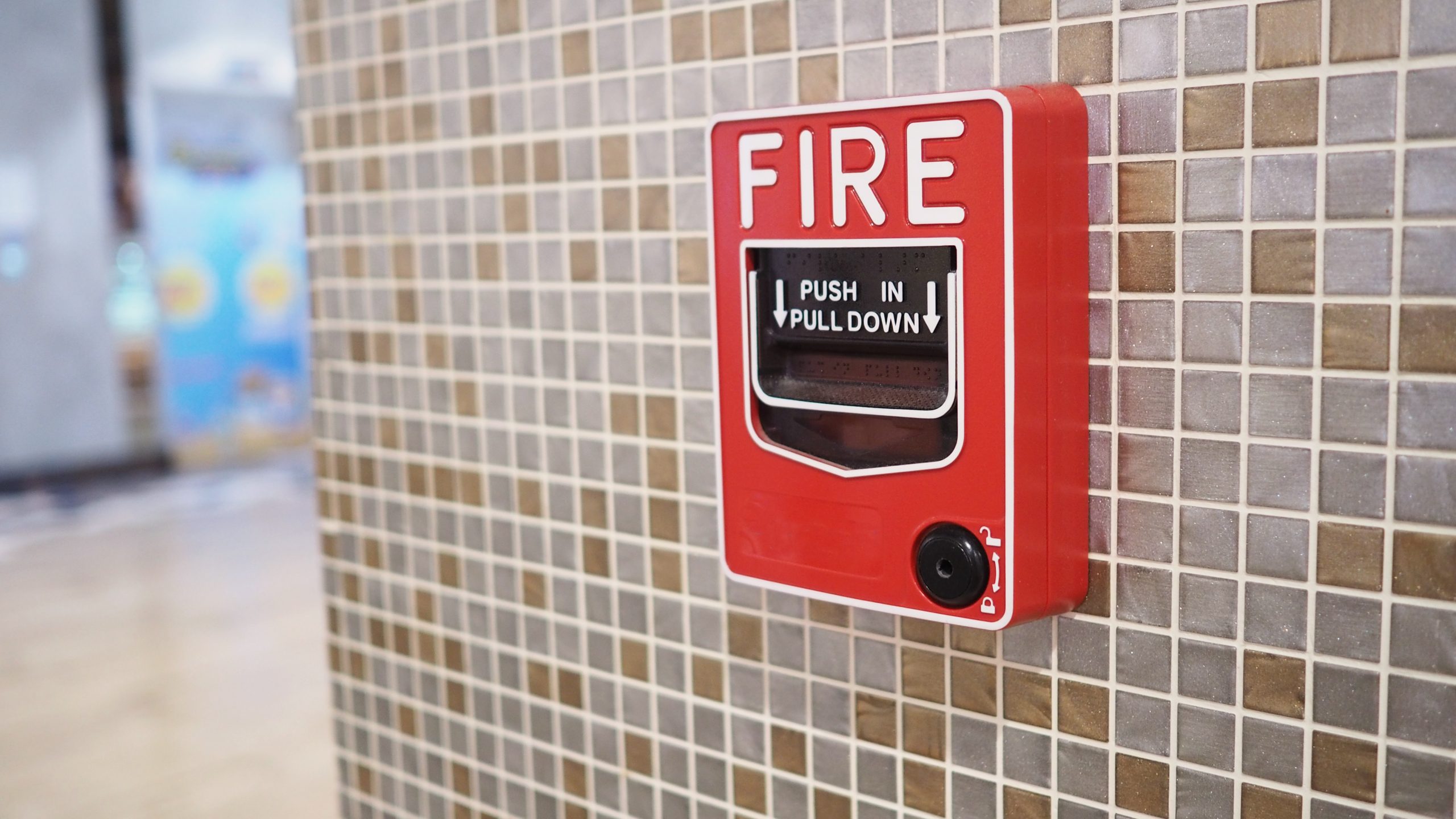
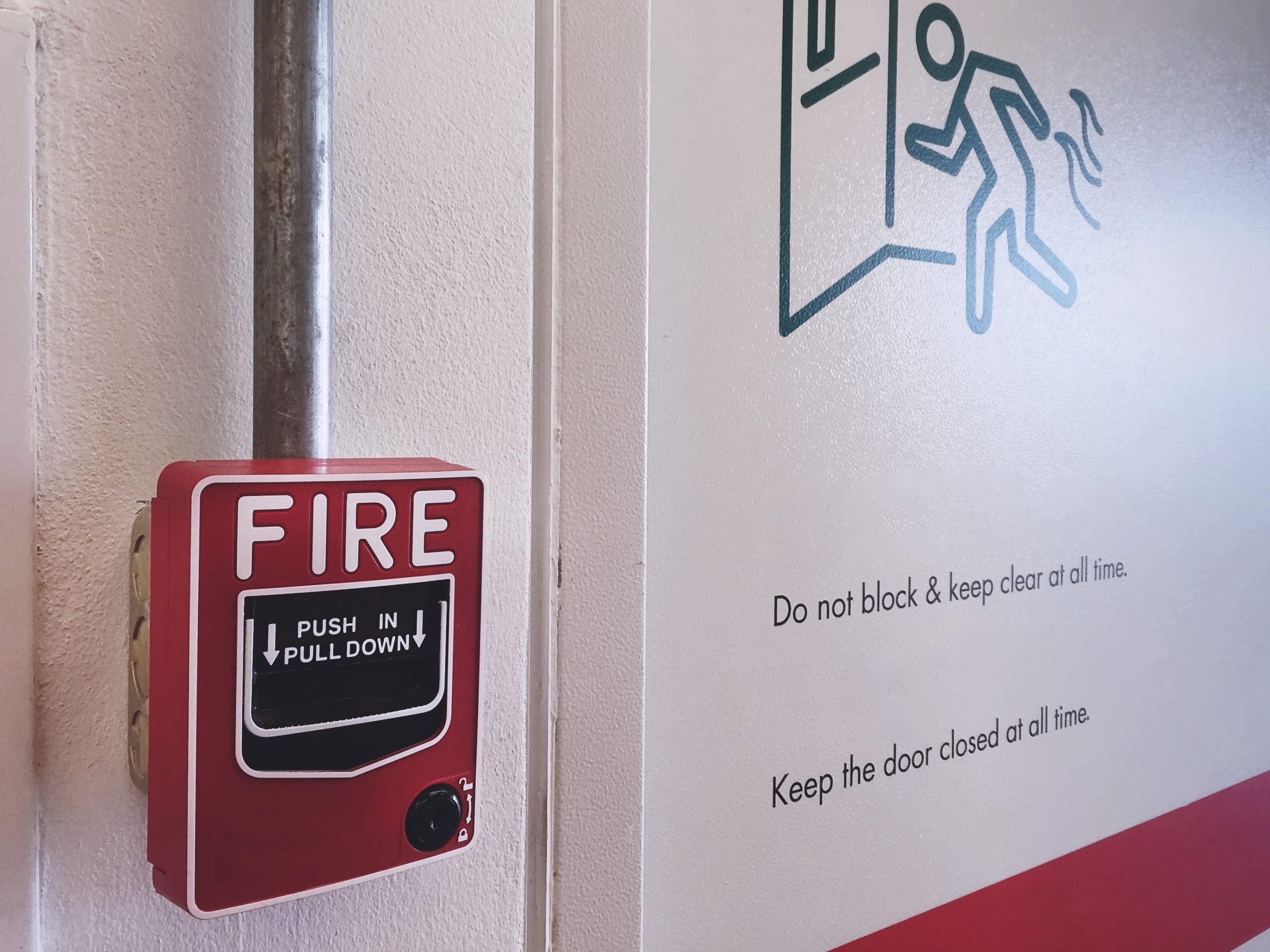
Your fire alarm control panel is the brain of the system. It receives signals from every smoke detector, heat sensor, and manual pull station in your building. When a device triggers, the panel processes that information and determines the appropriate response based on how the system was programmed.
In a monitored setup, the panel doesn’t stop there. It immediately transmits emergency signals to the central monitoring station using multiple communication methods. Most modern systems use cellular networks as the primary pathway, with internet protocol connections or traditional phone lines serving as backup options. This redundancy matters. If one communication path fails, the signal still gets through.
The monitoring center maintains detailed information about your facility—building layout, emergency contact numbers, specific response protocols. When they receive your alarm signal, they’re not starting from scratch. They know your property. They verify the emergency. And they provide essential information to responding units about the alarm location and type of emergency.
This is where addressable fire alarm systems show their value. Instead of just knowing “Zone 3 activated,” monitoring personnel see “Smoke detector #47, third floor northwest conference room.” That precision helps first responders locate the problem faster and plan their approach before they even arrive.
The whole process—from detector activation to fire department notification—typically takes less than a minute. Traditional alarms can’t match that speed because they depend entirely on human action. Someone has to hear the alarm, assess the situation, find contact information, and make the call. Every one of those steps adds time. And in a fire, time is the one thing you don’t have.
Fire Monitoring System vs Traditional Fire Alarm Comparison
Traditional fire alarms alert people in the building. That’s their entire function. They sound loud enough to wake sleeping occupants or warn employees to evacuate. If someone’s there to hear it, they work. If the building is empty, they’re just making noise.
Fire monitoring systems alert people in the building and the people who can actually do something about the fire. The alarm still sounds locally, but simultaneously, a signal goes to the central station. Monitoring operators receive the alert, verify it’s not a false alarm, and dispatch emergency services. This happens whether your building is occupied or completely empty.
The difference becomes critical during off-hours. A traditional alarm going off in an empty warehouse at midnight might eventually get noticed by a passing patrol car or a neighboring business. Eventually. A monitored system has already contacted the fire department before the first flame spreads beyond the point of origin.
Response time directly impacts damage. The NFPA found that monitored fire alarms reduce property damage by 50% in commercial settings. That’s not because the systems detect fire any better—it’s because help arrives faster. Fires double in size every minute in the early stages. Cutting response time by even five minutes can mean the difference between a contained incident and a total loss.
There’s also the insurance angle. Most commercial insurance providers recognize the value of professional monitoring. They know monitored buildings have better outcomes. That’s why they offer premium reductions—typically 5% to 20%—for properties with central station monitoring. Over time, those savings can offset a significant portion of your monitoring costs.
False alarms are another consideration. Traditional systems can’t distinguish between actual emergencies and nuisance alarms from cooking smoke or steam. Every activation triggers the same response—loud noise, evacuation, disruption. Monitored systems add a verification layer. Operators can check with on-site personnel, review system data, or use integrated video verification before dispatching emergency services. This reduces false dispatches, which in Nassau County can result in fines and service charges.
Commercial Fire Alarm Monitoring Benefits for Nassau County Businesses
Nassau County has specific fire safety requirements that go beyond basic alarm installation. Commercial properties need permits, regular inspections, and compliance with local fire marshal standards. A fire monitoring system doesn’t just protect your building—it demonstrates to inspectors and insurance providers that you’ve taken fire safety seriously.
The permit process alone can be confusing. Nassau County requires fire alarm permits that must be obtained through licensed alarm companies registered with the Nassau County Fire Marshal. The fee is $90 every three years for residential systems, with commercial requirements varying based on building type and occupancy. Working with a monitoring company that understands these local requirements saves time and prevents compliance issues.
But compliance is just the baseline. The real value comes from what monitoring provides when things go wrong. Your building is most vulnerable when it’s unoccupied. Nights, weekends, holidays—these are the times when a fire can spread unchecked. A monitored system ensures that even at 3 AM on Christmas morning, someone is watching your property and ready to dispatch help.
Fire Alarm System Monitoring Company Selection Criteria
Not all fire monitoring system providers offer the same level of service. The company you choose becomes your partner in fire safety, so it’s worth understanding what separates professional operations from basic offerings.
Start with certification. Your monitoring company should use a UL-listed central station. This certification from Underwriters Laboratories means the monitoring facility meets strict standards for staffing, training, service quality, and operational excellence. UL-listed stations undergo regular audits to maintain certification. It’s not just a badge—it’s proof of operational reliability.
Next, look at licensing and technician qualifications. In New York, fire alarm work requires specific licenses. Your provider should hold the appropriate NYS alarm system contractor license and any required local permits. Nassau County, for example, requires companies to be registered with the Fire Marshal. Beyond company licensing, check whether the technicians themselves hold NICET certifications. The National Institute for Certification in Engineering Technologies credentials demonstrate that technicians have passed rigorous exams covering fire alarm system design, installation, and maintenance.
Response protocols matter. Ask how the monitoring center handles different types of alarms. What’s their verification process? How quickly do they contact emergency services? Who gets notified when an alarm activates—just the fire department, or do they also contact property owners and emergency contacts? A good monitoring company should be able to walk you through their exact procedures.
Local presence makes a difference, especially in a market like Nassau County where codes and requirements can vary by municipality. A monitoring company with local technicians understands the specific fire marshal requirements for your area. They know which building departments require what documentation. They have relationships with local authorities having jurisdiction. This local knowledge prevents delays during installation, inspection, and ongoing service.
Service scope is another consideration. Some companies only provide monitoring. Others offer full-service fire protection including system design, installation, inspection, testing, maintenance, and 24/7 emergency response. Having one accountable provider for the entire lifecycle of your fire protection system simplifies management and ensures consistency. You’re not coordinating between an installation company, a monitoring service, and a separate maintenance provider. One call handles everything.
Technology capabilities are increasingly important. Modern fire monitoring systems can integrate with building management systems, provide mobile alerts, offer remote system access, and support predictive maintenance through continuous system monitoring. If you’re managing multiple locations, cloud-based platforms let you monitor all your properties from a single dashboard. These aren’t luxury features—they’re becoming standard expectations.
Finally, consider the company’s track record with violation correction. If your building has existing fire code violations or failed inspections, you need a provider with experience resolving these issues. Companies that specialize in violation correction understand the documentation requirements, know how to work with fire marshals, and can expedite the process of bringing your system into compliance.
Choosing Between Addressable and Conventional Systems for Monitoring
When you’re setting up fire monitoring, the type of fire alarm system you have affects what information the monitoring center receives and how quickly responders can locate a problem.
Conventional fire alarm systems divide your building into zones. Each zone might cover a floor, a wing, or a section of the building. When a detector activates, the control panel and monitoring center know which zone triggered, but not which specific device. If you have 20 smoke detectors in Zone 3, an alarm tells you the problem is somewhere in that zone. First responders still need to search that entire area to find the actual fire location.
Addressable fire alarm systems give every device a unique identifier. Smoke detector #47. Heat sensor #112. Pull station #8. When a device activates, the control panel and monitoring center know exactly which device triggered and where it’s located. This precision matters. First responders can go directly to the third floor northwest conference room instead of searching the entire third floor.
For monitoring purposes, addressable systems provide better information. The monitoring center can see device-level detail, which helps them provide more accurate information to emergency services. If your building has multiple floors, complex layouts, or areas that are difficult to access, that precision can significantly reduce response time.
Addressable systems also offer better diagnostics. The monitoring center can see when a detector needs maintenance, when a device goes offline, or when communication issues develop. This enables proactive service before problems become emergencies. Conventional systems typically only report trouble conditions at the zone level, making it harder to identify specific issues.
Cost is a factor. Addressable systems generally require higher upfront investment, but they offer scalability and advanced features that can justify the expense for larger or more complex buildings. Conventional systems are more cost-effective for smaller facilities with straightforward layouts. The right choice depends on your building size, complexity, budget, and long-term plans.
Either way, the key is ensuring your system connects to professional monitoring. An addressable system without monitoring is less valuable than a conventional system with 24/7 central station surveillance. The monitoring is what ensures help arrives when you need it.
Making the Right Fire Protection Decision for Your Nassau County Property
The choice between traditional fire alarms and monitored fire protection systems comes down to one question: when a fire starts, do you want to hope someone’s there to call 911, or do you want to know that help is already on the way?
Traditional alarms meet minimum code requirements. They’ll pass inspection. They’ll sound when smoke is detected. But they stop there. Fire monitoring systems add the layer that actually saves property and potentially lives—automatic emergency dispatch, professional verification, 24/7 surveillance, and response even when your building sits empty.
For Nassau County businesses dealing with strict fire codes, insurance requirements, and the reality of after-hours risk, monitoring isn’t an upgrade. It’s the baseline for serious fire protection. If you’re ready to move beyond hoping your fire alarm is enough, we bring NICET-certified professionals, local licensing expertise, and Notifier by Honeywell authorized equipment to properties across Nassau County, Suffolk, and NYC. The systems we install don’t just meet code—they connect to people who are always watching.