
Explore firsthand accounts of our exceptional service and dedication to safety through the glowing testimonials from our satisfied clients.
You’re looking at this page because something’s forcing your hand. Maybe you got hit with a violation notice. Maybe your insurance company is asking questions about your outdated system. Maybe you’re just tired of wondering if your current setup would actually alert anyone if something went wrong.
Here’s what changes when your fire detection system is installed correctly. You pass inspections without the back-and-forth. Your insurance company stops sending letters. Your monitoring actually connects to a central station that responds 24/7, not just during business hours.
The difference isn’t just compliance. It’s knowing that if smoke fills a back room at 2 AM, the right people get notified immediately. That’s what a properly designed fire alarm system does—it removes the variables that keep you up at night.
We operate under NYS License #12000325006, Nassau County licenses 2019AEL75352 and PEL000000259, and Suffolk County license 180. That’s not paperwork for show—it means we’re legally authorized to install, service, and certify fire protection systems across every jurisdiction we serve.
We’re NICET certified, which matters because it means our technicians have passed third-party competency exams that most installers never bother with. We’re an authorized Notifier by Honeywell dealer, so you’re getting commercial-grade equipment, not residential smoke detectors dressed up as a business solution. We’re also MBE certified and members of the New York Fire Alarm Association.
East Patchogue sits in Suffolk County, where individual municipalities can layer additional fire safety regulations on top of state codes. We know which towns require what, and we design systems that satisfy both the letter and intent of local requirements.
First, we assess your property and review any existing violations or inspection reports you’ve received. We’re looking at building layout, occupancy type, existing infrastructure, and what the local authority having jurisdiction actually requires—not what someone thinks they require.
Then we design a system that fits your building. That might mean addressable smoke detectors that pinpoint the exact location of an alarm. It might include pull stations, strobes, and horns positioned according to NFPA spacing requirements. If you need a combo smoke and co alarm setup or BDA system installation for emergency responder radio coverage, we map that out too.
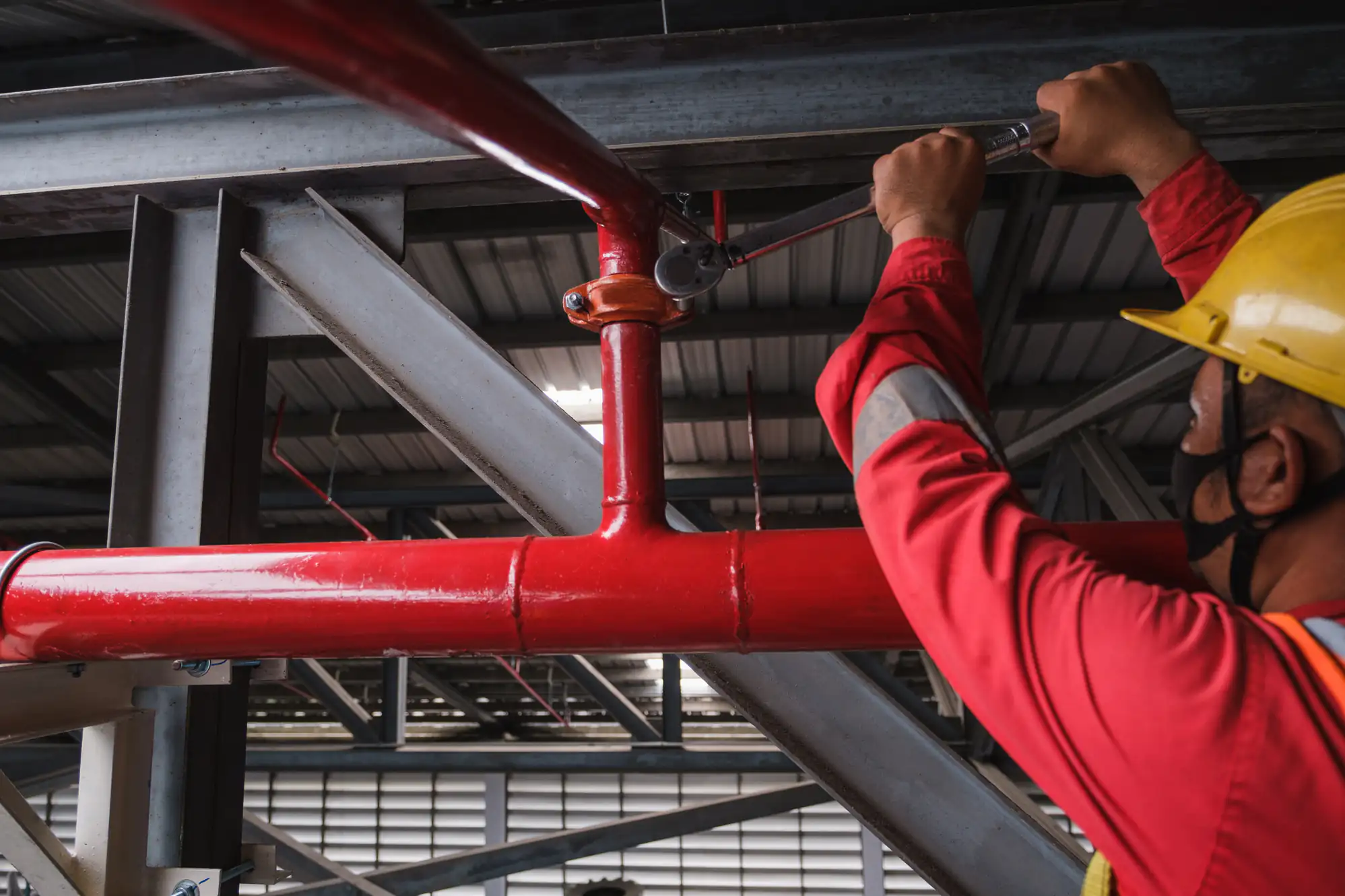
Installation happens on a schedule that doesn’t shut down your operation. Our FCC-certified team handles the physical work, pulls permits, and coordinates inspections. Once the system is live, we test every device, document everything for your records, and connect monitoring to our central station.
You’re not done until the local fire marshal signs off. We handle that walkthrough and any follow-up the inspector requires.
Ready to get started?
A code-compliant fire alarm system in East Patchogue includes more than just smoke detectors on the ceiling. You’re looking at an addressable control panel that identifies which device triggered the alarm. You get initiation devices—smoke detectors, heat detectors, manual pull stations—placed according to NFPA 72 spacing requirements. You get notification devices—horns, strobes, or combo units—that meet ADA audibility and visibility standards.
If your building was constructed before 2000, there’s a 70% chance your current system doesn’t meet modern codes. Older buildings often have conventional systems that can’t tell you where the fire is, only that there’s an alarm somewhere. Upgrading to an addressable system means faster response and less damage.
Suffolk County properties face a unique challenge. Unlike Nassau County, which has a centralized fire marshal’s office, Suffolk allows individual towns to enforce their own interpretations of state fire codes. That means what passes inspection in one town might fail in another. We design systems that satisfy the strictest interpretation, so you’re covered regardless of which inspector shows up.
Buildings with automatic fire detection experience 40% less property damage during actual fire events. That’s not marketing—it’s data from the National Fire Protection Association. Early detection means earlier suppression, whether that’s sprinklers activating or firefighters arriving while the fire is still containable.
There’s no honest way to quote this without seeing your building. A 2,000 square foot office needs a different system than a 10,000 square foot warehouse, and a restaurant with a commercial kitchen has different code requirements than a retail store.
What drives cost is device count, system complexity, and how much infrastructure work is required. An addressable system with 15 smoke detectors, a control panel, and basic notification devices might run differently than a full building system with pull stations, duct detectors, and elevator recall integration. If you’re correcting violations or upgrading from a non-compliant system, there may be additional work to bring wiring and device placement up to current code.
The real cost isn’t the installation—it’s what happens if you don’t have a working system. First-time fire code violations in New York start at $250 to $1,000. Repeat violations jump to $1,000 to $5,000 or more. FDNY issued over 22,000 violations across NYC in 2024 alone, and many resulted in forced closures until corrected. Your insurance company will also adjust premiums or drop coverage entirely if you’re operating without compliant fire protection. Most commercial insurers offer premium discounts up to 15% for buildings with monitored fire alarm systems, which often offsets your installation cost within a few years.
A smoke detector is a single device that makes noise when it detects smoke. A fire alarm system is a network of devices that detects fire conditions, notifies occupants, and alerts a monitoring center or fire department.
Residential smoke detectors—like the Kidde models you see at hardware stores—are designed for homes. They’re standalone battery or AC-powered units that sound a local alarm. They don’t communicate with each other, they don’t report to anyone off-site, and they don’t meet commercial building codes in New York. A Nest fire alarm or similar smart detector is a step up for residential use, but it’s still not a commercial fire alarm system.
Commercial fire detection systems use a control panel that monitors every device on the network. When a smoke detector activates, the panel identifies which device triggered, sounds building-wide notification appliances, and sends a signal to a central monitoring station. That station contacts the fire department and your emergency contacts immediately. If you have a sprinkler system, the fire alarm panel often integrates with it. If you have elevators, the system can recall them to the ground floor during an alarm.
The difference matters because commercial buildings have different occupancy loads, egress requirements, and liability exposures than homes. You need a system that notifies everyone in the building simultaneously, provides clear egress guidance, and ensures emergency responders are dispatched even if the building is unoccupied.
New York requires annual inspections for most commercial fire alarm systems, and some municipalities require semi-annual inspections depending on occupancy type. NFPA 72 sets the national standard, but local authorities can impose stricter requirements.
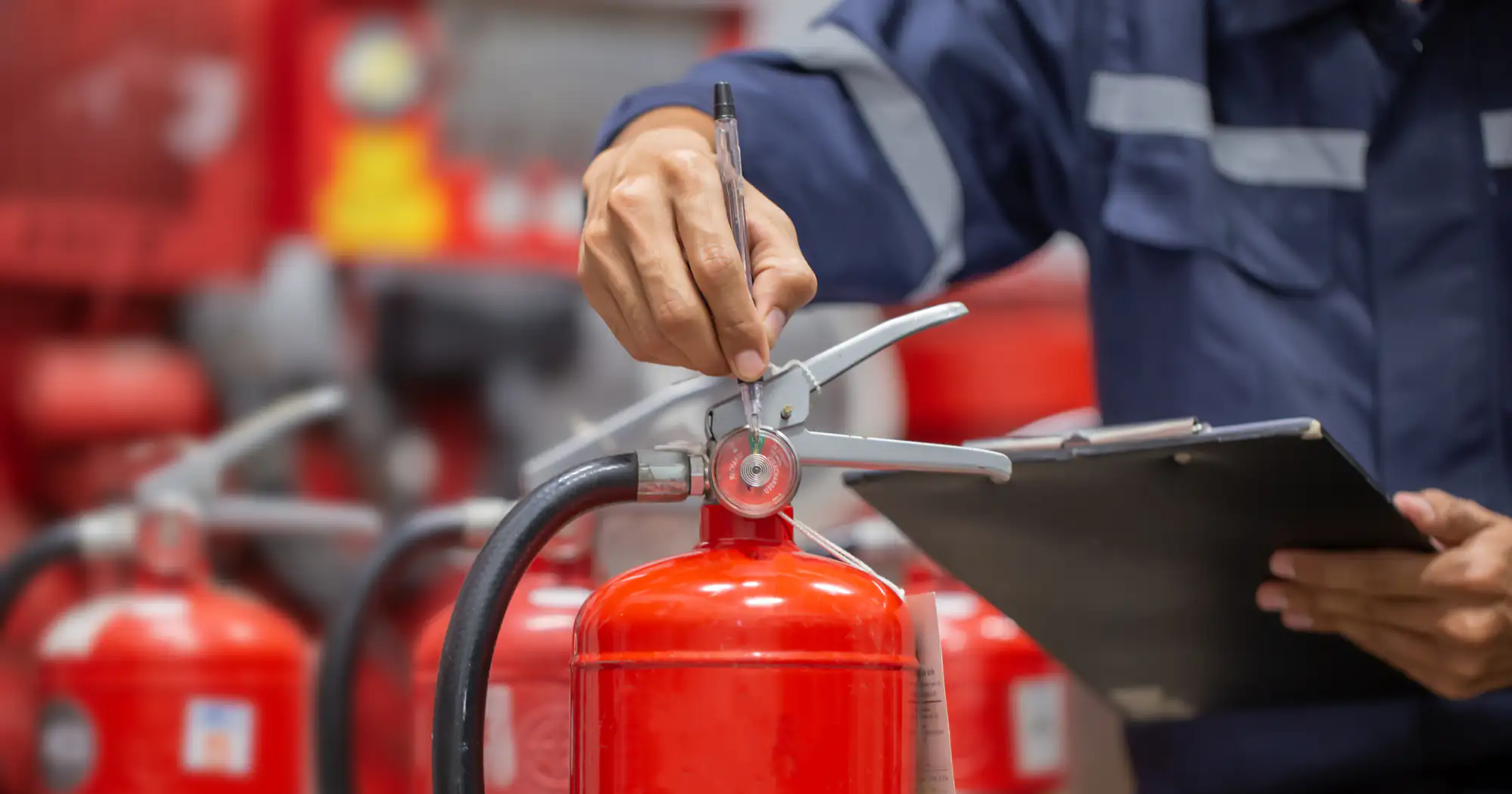
Annual inspections include testing all initiating devices, notification appliances, and control panel functions. We verify that smoke detectors respond to test smoke, pull stations trigger alarms, horns and strobes activate, and the system communicates with the monitoring center. We also check battery backup systems and document everything for your records. If any device fails testing, we replace or repair it on the spot.
Beyond inspections, you need ongoing maintenance. Smoke detectors accumulate dust and require cleaning or replacement every 10 years. Batteries in backup power supplies degrade and need replacement every 3 to 5 years. Notification devices can fail due to electrical issues or physical damage. A maintenance agreement ensures these issues get caught during routine service visits, not during an actual emergency or inspection.
Skipping inspections isn’t just a code violation—it’s a liability exposure. If a fire occurs and your system didn’t activate because of a maintenance issue, you’re looking at property damage, potential injuries, and insurance claims that may not be covered. Inspectors also check for this documentation during building sales, lease renewals, and certificate of occupancy renewals.
Yes. Violation correction is a significant part of what we do, especially in Suffolk and Nassau counties where older buildings are common.
When you receive a violation notice, it typically specifies what’s deficient—missing devices, non-functional equipment, outdated technology, or improper installation. We review the violation, assess your current system, and determine whether you need repairs, upgrades, or full replacement. Sometimes it’s a matter of adding missing smoke detectors or pull stations. Other times, the entire system is so outdated that patching it won’t satisfy the inspector.
Buildings constructed before modern fire codes often have conventional systems that don’t meet current NFPA 72 or local requirements. Upgrading to an addressable system gives you code compliance and better functionality. We handle the permit process, coordinate with the local fire marshal, and schedule the re-inspection once work is complete.
The key is acting quickly. Violation notices come with deadlines, and missing those deadlines escalates fines and can result in stop-work orders or occupancy restrictions. We’ve seen businesses forced to close until violations were corrected, which costs far more than the repair work itself. If you’re dealing with a violation, the fastest path forward is getting someone who knows the local codes to assess what’s actually required and get the work done right the first time.
BDA stands for Bi-Directional Amplifier, and it’s a system that ensures emergency responder radios work inside your building. It’s not technically part of your fire alarm system, but it’s often required by the same fire codes and installed by the same contractors.
New York fire codes require BDA systems in many commercial buildings, especially larger structures, high-rises, and buildings with basements or interior spaces where radio signals don’t penetrate. When firefighters enter a burning building, they need reliable radio communication with their team and dispatch. If your building’s construction blocks radio frequencies—concrete, steel, underground areas—a BDA system amplifies those signals so radios work throughout the structure.
The fire marshal tests BDA systems during inspections, just like fire alarms. If your system doesn’t provide adequate radio coverage, you’ll fail inspection and receive a violation. We’re FCC-certified to install and certify BDA systems, which matters because improper installation can interfere with public safety radio frequencies and result in federal penalties.
If you’re installing or upgrading a fire alarm system, it’s worth assessing whether you need a BDA system at the same time. Coordinating both installations saves time, reduces disruption, and ensures you’re fully compliant when the inspector arrives. Many property owners don’t realize they need one until they fail an inspection, which adds delays and costs to a project that could have been handled upfront.
Nuisance alarms happen, and how your system handles them depends on how it’s designed and monitored. A properly installed system minimizes false alarms through correct device placement, regular maintenance, and quality equipment.
When an alarm activates, your monitoring center receives the signal immediately. They’ll attempt to contact your designated emergency contacts to verify whether it’s a real emergency or a false alarm. If they can’t reach anyone or if the situation is unclear, they dispatch the fire department. That’s the correct protocol—it’s better to send firefighters to a false alarm than to ignore a real fire.
False alarms cost you money in some jurisdictions. Many towns and fire districts fine property owners for excessive false alarms, especially if they’re caused by neglect or improper maintenance. The first false alarm might be forgiven, but repeated incidents result in escalating fines. This is why regular maintenance and using commercial-grade equipment matters—cheap detectors and poorly maintained systems are the leading cause of nuisance alarms.
If your system malfunctions—control panel errors, device failures, communication issues—it needs immediate attention. A malfunctioning system may not report actual fire conditions, which defeats the entire purpose. Most monitoring centers will notify you of trouble conditions like low battery, device faults, or communication failures so you can get service before it becomes a bigger problem. We respond to service calls quickly because a non-functional fire alarm system is both a code violation and a serious safety risk.
Other Services we provide in East Patchogue