
Explore firsthand accounts of our exceptional service and dedication to safety through the glowing testimonials from our satisfied clients.
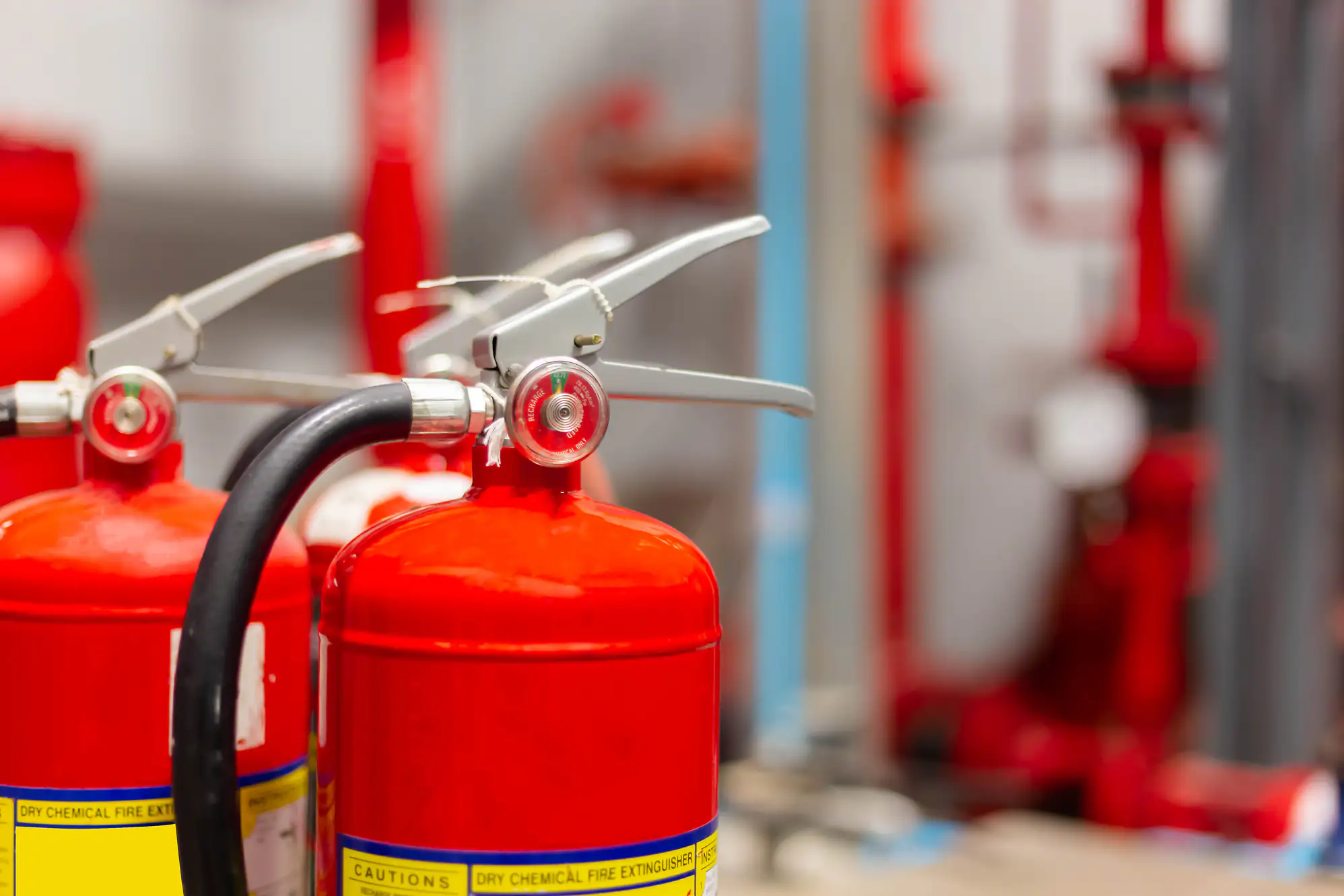
A fire alarm system isn’t just about passing inspection. It’s about knowing that if something goes wrong at 2 AM on a Sunday, someone’s getting notified immediately and the right people are responding.
That’s what 24/7 central station monitoring actually does. Your system connects to a monitoring center that never sleeps, so even if you’re off-site or your building is closed, alerts go out the second smoke or heat gets detected. That early warning can be the difference between minor damage and total loss.
You also get insurance companies off your back. Most commercial policies require compliant fire detection systems, and many offer premium reductions between 5% and 20% when you have monitored alarms installed. That’s real money back every year, just for doing what you should already be doing to protect your property.
And if you’re dealing with existing violations or outdated equipment, a proper fire alarm installation brings you back into compliance with FDNY, Suffolk County, and NFPA 72 standards. No more notices. No more fines. Just a system that works and meets the code.
We hold NYS License #12000325006, Suffolk County License 180, and Nassau County licenses to operate legally across Long Island and NYC. That’s not just paperwork—it means our installations meet the specific fire codes enforced in your area, and our team knows what inspectors are looking for.
We’re NICET certified, which is the national standard for fire alarm technician competency. We’re also an authorized Notifier by Honeywell dealer, so you’re getting commercial-grade equipment backed by one of the most trusted names in fire detection systems. Our MBE certification reflects our commitment to serving the community while maintaining the highest professional standards.
We’ve been serving Holbrook and the surrounding Long Island communities because we understand the local building landscape. Whether it’s a retail space on Veteran’s Memorial Highway, a warehouse in the industrial corridor, or a multi-tenant commercial property, we’ve seen the fire code challenges specific to Suffolk County and we know how to address them correctly the first time.
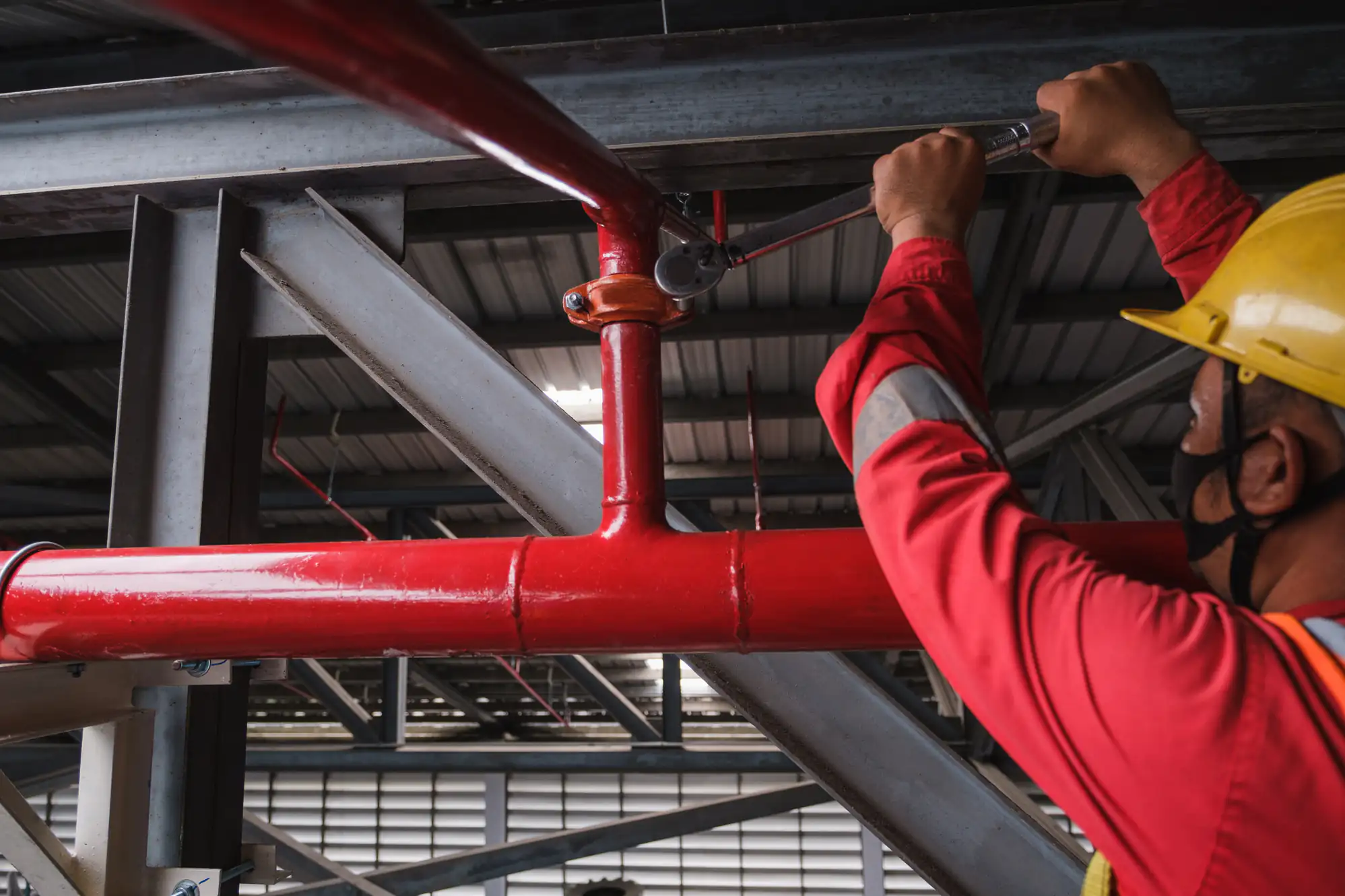
It starts with a site assessment. We come out to your Holbrook property, evaluate your building layout, occupancy type, and current fire protection setup. We’re looking at square footage, ceiling heights, hazardous materials if applicable, and what the fire code actually requires for your specific use case. This isn’t a sales call—it’s a technical evaluation.
From there, we design a system that meets NFPA 72 and local fire code requirements. That includes determining device placement for smoke detectors, heat sensors, pull stations, and notification appliances like strobes and horns. For commercial properties in NYC or buildings requiring FDNY approval, we handle the submission of plans and coordinate the approval process before any installation begins.
Installation is scheduled around your operations whenever possible. Our licensed technicians mount devices, run wiring or configure wireless systems, install the main control panel, and integrate everything with our central monitoring station. We test every zone, every detector, every notification device to make sure it’s functioning correctly.
Once installation is complete, we walk you through the system operation and schedule the final inspection with your local fire marshal or authority having jurisdiction. We’re there during that inspection to demonstrate compliance and address any questions. After approval, your system goes live with 24/7 monitoring, and you receive documentation for your records and insurance company.
Ready to get started?
A complete fire alarm system includes detection devices—smoke detectors, heat sensors, or combo smoke and CO alarms depending on your building’s needs. Commercial properties typically require addressable systems where each device has a unique identifier, making it easier to pinpoint exactly where an alarm originated.
You also get notification appliances: the horns, strobes, and speaker systems that alert occupants to evacuate. These have to meet specific decibel and candela requirements based on your building size and ambient noise levels. For larger facilities or high-noise environments, that might mean voice evacuation systems that provide clear spoken instructions during an emergency.
The control panel is the brain of the system. It monitors every connected device, processes alarm signals, and communicates with the central monitoring station. In Holbrook and across Long Island, many commercial buildings also require fire alarm annunciators near entry points so first responders can quickly identify the alarm location when they arrive.
Central station monitoring means your system is connected to a UL-listed monitoring center that receives signals 24/7. When an alarm activates, the monitoring center verifies the signal and immediately notifies the fire department and your designated contacts. This happens in seconds, even if your building is unoccupied. For businesses in Suffolk County where response times matter, that automatic notification can significantly reduce fire damage and business interruption.
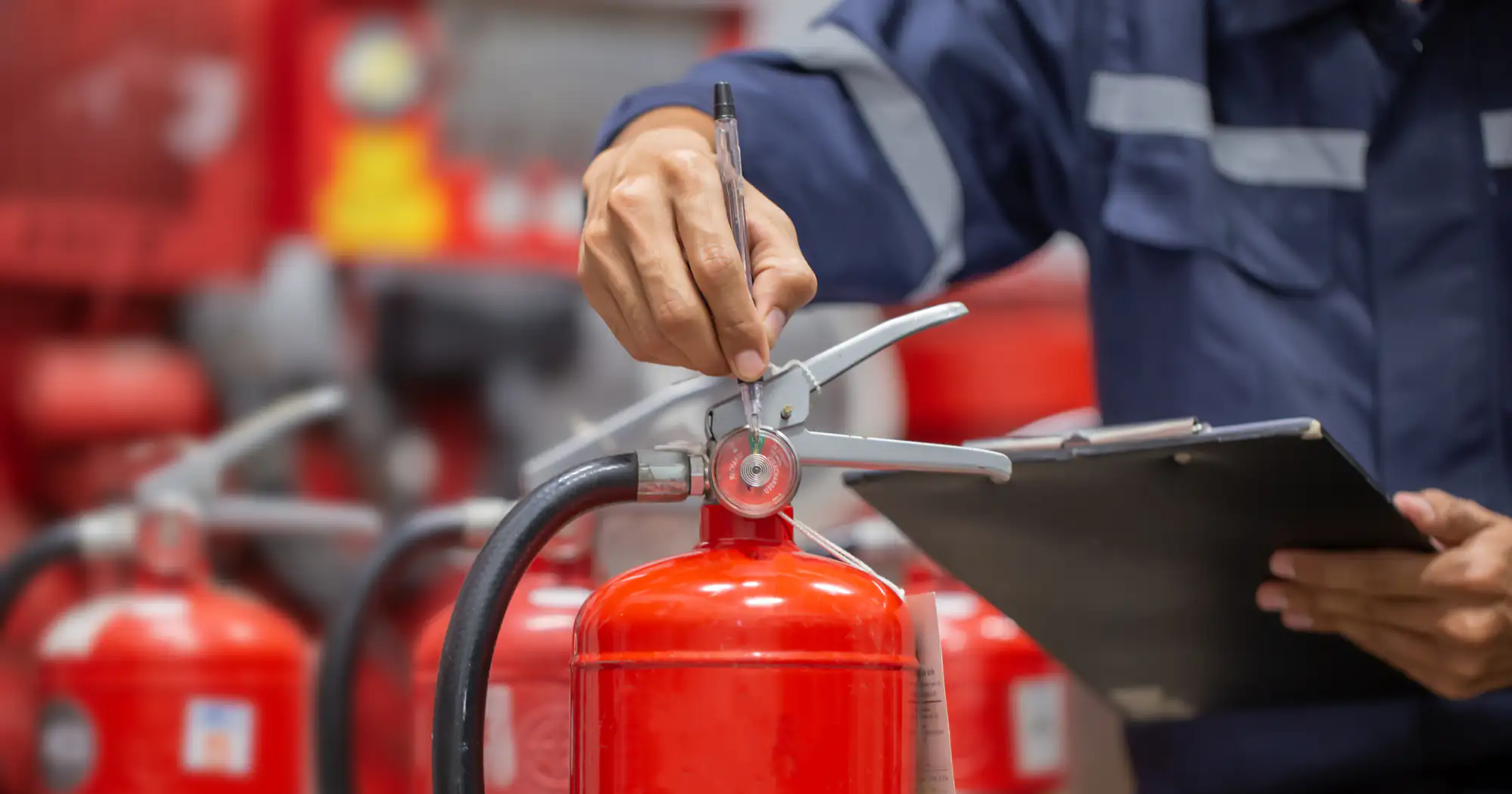
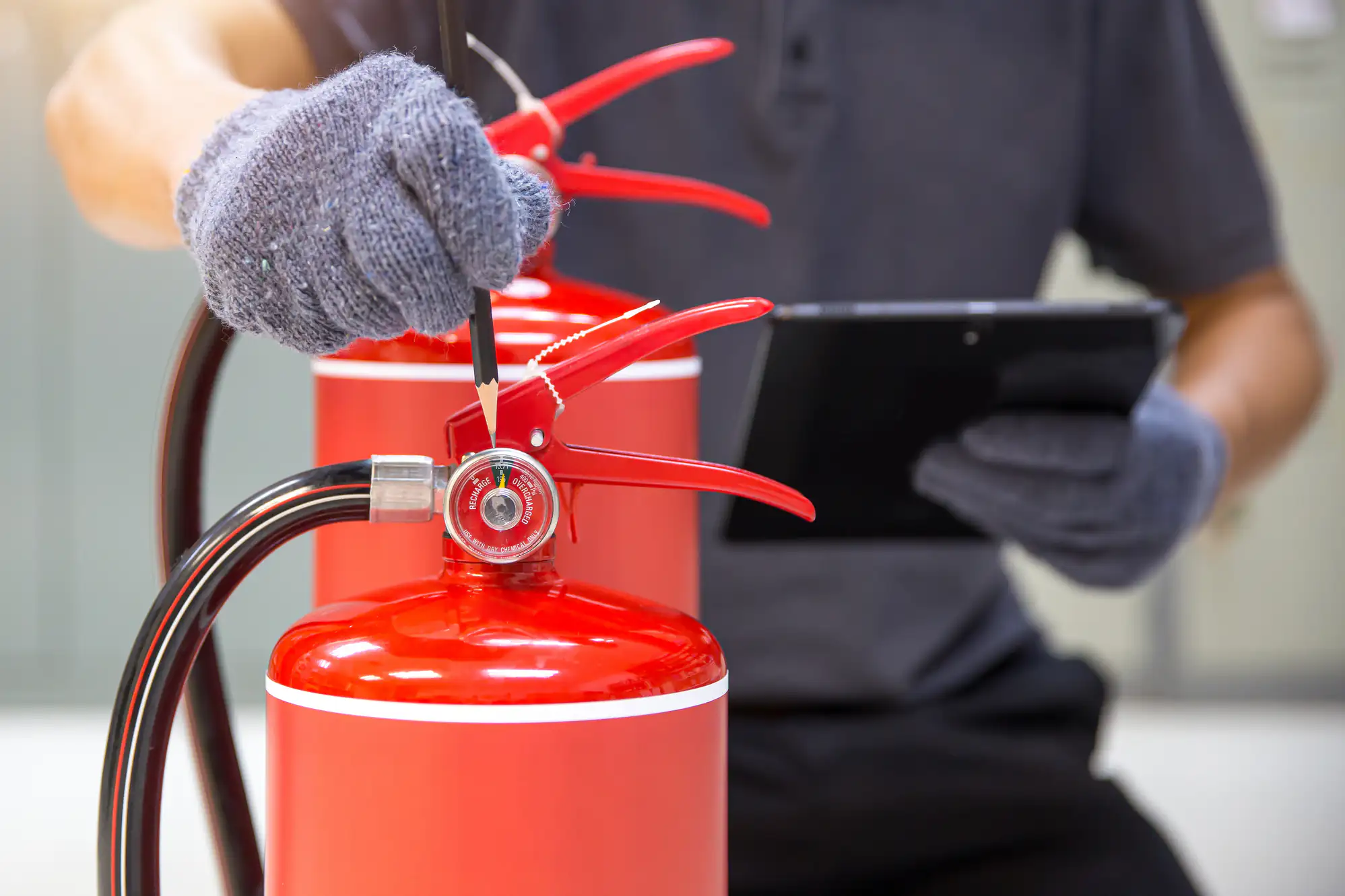
Regular inspections and maintenance keep everything functional. New York requires annual fire alarm inspections at minimum, and we handle testing, battery replacement, detector cleaning, and any necessary repairs to keep you compliant year after year.
Commercial buildings in Suffolk County must comply with New York State Fire Code, which adopts NFPA 72 as the baseline standard for fire alarm installation and maintenance. The specific requirements depend on your building’s occupancy classification, square footage, and use.
Most commercial properties require fire alarm systems if they exceed certain occupancy thresholds, contain hazardous materials, have multiple tenants, include assembly spaces, or are designated for high fire risk business uses. Retail spaces, warehouses, office buildings, and restaurants typically fall into categories that mandate fire detection and notification systems.
If your building is in an area served by FDNY or requires NYC Fire Department approval, you’ll also need to submit system plans for review before installation. That process requires working with licensed professionals who understand the specific documentation and technical requirements FDNY expects. Suffolk County enforces its own local amendments as well, so your system needs to meet both state code and any additional county requirements. Working with a company that holds Suffolk County License 180 ensures your installation will pass local inspections without delays or rejections.
Cost depends entirely on your building size, system complexity, and what the fire code requires for your specific occupancy type. A small retail space might need a basic system with a few smoke detectors and a simple control panel, while a large warehouse or multi-story office building requires addressable systems with dozens of devices, multiple notification zones, and more sophisticated monitoring capabilities.
As a rough guide, basic commercial fire alarm systems start around $2,000 to $5,000 for smaller spaces, but larger or more complex installations can run $10,000 to $50,000 or more depending on the scope. Addressable systems cost more upfront than conventional systems, but they provide better diagnostics and are often required for larger commercial buildings under NFPA 72.
Don’t forget ongoing costs. You’ll need annual inspections, which typically run a few hundred dollars, plus monthly monitoring fees for central station service, usually between $30 and $100 per month depending on the system size and monitoring features. Many businesses find that insurance premium reductions offset a significant portion of these costs. If your property is currently unprotected or you’re dealing with code violations, the cost of not having a compliant system—fines, liability exposure, and potential fire losses—far exceeds the investment in proper fire detection.
That depends on the age of your current system, whether it still meets code, and what kind of shape the equipment is in. Fire alarm technology has changed significantly over the past 20 years, and many older systems lack the capabilities required by current fire codes or can’t integrate with modern monitoring platforms.
If your system is more than 15 to 20 years old, replacement often makes more sense than trying to retrofit outdated equipment. Older conventional systems can’t provide the device-level diagnostics that newer addressable systems offer, and finding replacement parts for discontinued models becomes increasingly difficult and expensive.
Code changes also drive upgrades. If your building undergoes renovations, changes occupancy type, or gets flagged during an inspection, you may be required to bring the entire fire alarm system up to current NFPA 72 standards. In some cases, that means a full replacement rather than just adding a few devices to an aging system.
We can assess your current system during a site visit and give you a straight answer about whether upgrade or replacement is the right move. Sometimes adding wireless devices or integrating new detectors with an existing panel works fine. Other times, you’re better off starting fresh with equipment that’ll last another 15 years and meet code without constant workarounds. We’ll tell you which situation you’re in and why.
An unmonitored fire alarm system activates local notification devices—horns and strobes—when it detects smoke or heat, but it doesn’t automatically alert anyone outside the building. It relies entirely on someone hearing the alarm and calling 911. If your building is unoccupied when a fire starts, nobody knows until someone happens to see smoke or flames.
A monitored system connects to a central monitoring station that receives alarm signals in real time, 24/7. When your system activates, the monitoring center gets the signal within seconds, verifies it’s a real alarm, and immediately dispatches the fire department while also notifying your designated contacts. This happens automatically whether you’re on-site or not, whether it’s 3 PM on a Tuesday or 3 AM on a Sunday.
For commercial properties, monitored systems are almost always the better choice and often required by insurance companies or local fire codes. The faster response time can dramatically reduce fire damage and business interruption costs. Nonresidential fires caused over $12 billion in direct property damage in recent years, and that doesn’t include lost revenue from interrupted operations. Early detection and rapid fire department notification—which only happens with monitored systems—can be the difference between a small contained incident and a total loss.
Most insurance carriers recognize this and offer premium discounts for monitored fire alarm systems, typically 5% to 20% off your annual policy cost. That discount alone can offset a significant portion of your monthly monitoring fees.
New York requires fire alarm inspections at least annually for most commercial systems, but the actual frequency depends on your system type, building occupancy, and local jurisdiction requirements. Some high-risk occupancies or specialized systems need quarterly or semi-annual inspections.
Annual inspections include testing all initiating devices like smoke detectors and pull stations, verifying notification appliances are working at the correct volume and brightness, checking battery backups, testing communication with the monitoring center, and documenting everything for your records and the authority having jurisdiction.
Certain components need attention more frequently. Smoke detector sensitivity testing is required periodically to ensure devices haven’t drifted out of range and are still detecting smoke at the proper thresholds. Batteries in wireless devices or backup power supplies need replacement every few years depending on the type.
If your system serves a building in NYC or requires FDNY oversight, you may have additional inspection and testing requirements beyond the baseline NFPA 72 standards. Missing required inspections can result in code violations, fines, and insurance coverage issues if a fire occurs and your system wasn’t properly maintained.
We handle inspection scheduling and send reminders when your annual service is due, so you’re never scrambling to get compliant right before an audit or insurance review. Our technicians document every test and provide you with the official inspection reports you need to demonstrate compliance.
Yes. Violation correction is a significant part of what we do for commercial property owners in Holbrook and across Long Island. Whether you received a notice from the fire marshal, failed an inspection, or discovered issues during an insurance audit, we can assess what’s wrong and develop a correction plan that brings you back into compliance.
Common violations include outdated equipment that no longer meets current code, insufficient device coverage for your building size, missing or non-functional notification appliances, lack of required monitoring, or systems that were never properly permitted in the first place. Sometimes it’s a maintenance issue—detectors that haven’t been tested, expired batteries, or control panels showing trouble conditions that were ignored.
We start by reviewing the violation notice and conducting our own assessment to understand exactly what the authority having jurisdiction is requiring. Then we provide a detailed scope of work and timeline for corrections. For some violations, the fix is straightforward—replacing a few devices or scheduling overdue inspections. For others, it might require system upgrades or redesign to meet current NFPA 72 standards.
Once corrections are complete, we coordinate the re-inspection with your local fire marshal and provide all necessary documentation showing compliance. Our Suffolk County and Nassau County licenses mean we’re authorized to perform this work in your jurisdiction, and our familiarity with local inspectors helps move the process along without unnecessary delays. The goal is to get you compliant, keep you compliant, and eliminate the stress and liability that comes with open fire code violations.
Other Services we provide in Holbrook