
Explore firsthand accounts of our exceptional service and dedication to safety through the glowing testimonials from our satisfied clients.
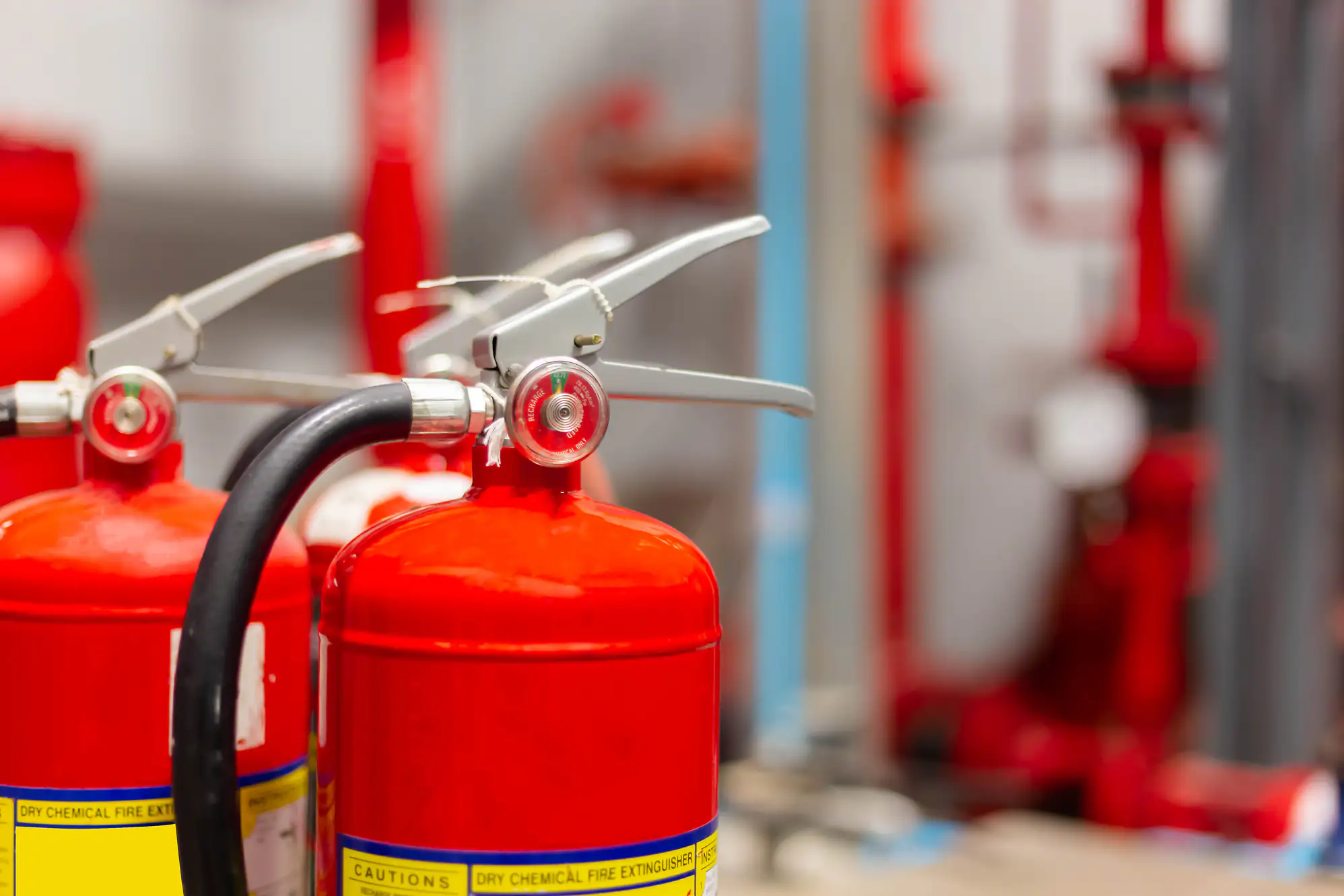
You’re not getting calls from the fire marshal. Your insurance isn’t questioning your coverage. Your annual inspection doesn’t turn into a scramble to fix violations before the re-inspection deadline.
That’s what a properly installed and maintained fire detection system does. It runs quietly in the background while you focus on running your business or managing your property.
When we install fire alarm systems in Islip Terrace and across Suffolk County, you get addressable technology that pinpoints exactly where an issue is. Not just “something’s wrong somewhere in the building.” You get systems that integrate with your existing infrastructure. And you get documentation that satisfies inspectors the first time.
The difference shows up during inspections, during emergencies, and in your insurance premiums. You’re not dealing with outdated equipment that can’t communicate with modern building systems. You’re not explaining to tenants why the alarm went off for the third time this month because of a faulty sensor.
Island Fire & Defense Systems holds NYS License #12000325006 and operates across Suffolk, Nassau, and NYC. We’re NICET certified, MBE certified, and authorized Notifier by Honeywell dealers.
That matters because Long Island fire code enforcement has gotten stricter. Property owners in Islip Terrace, Ronkonkoma, Hauppauge, and surrounding areas are dealing with more frequent inspections and higher stakes for non-compliance. A blocked exit or expired component can trigger fines, shutdown orders, or insurance issues.
We’ve been handling fire alarm installation, smoke detector replacement, and violation correction for commercial properties, restaurants, warehouses, and high-value residential buildings throughout the region. We know what inspectors look for. We know how to document systems properly. And we know how to fix problems before they become violations.
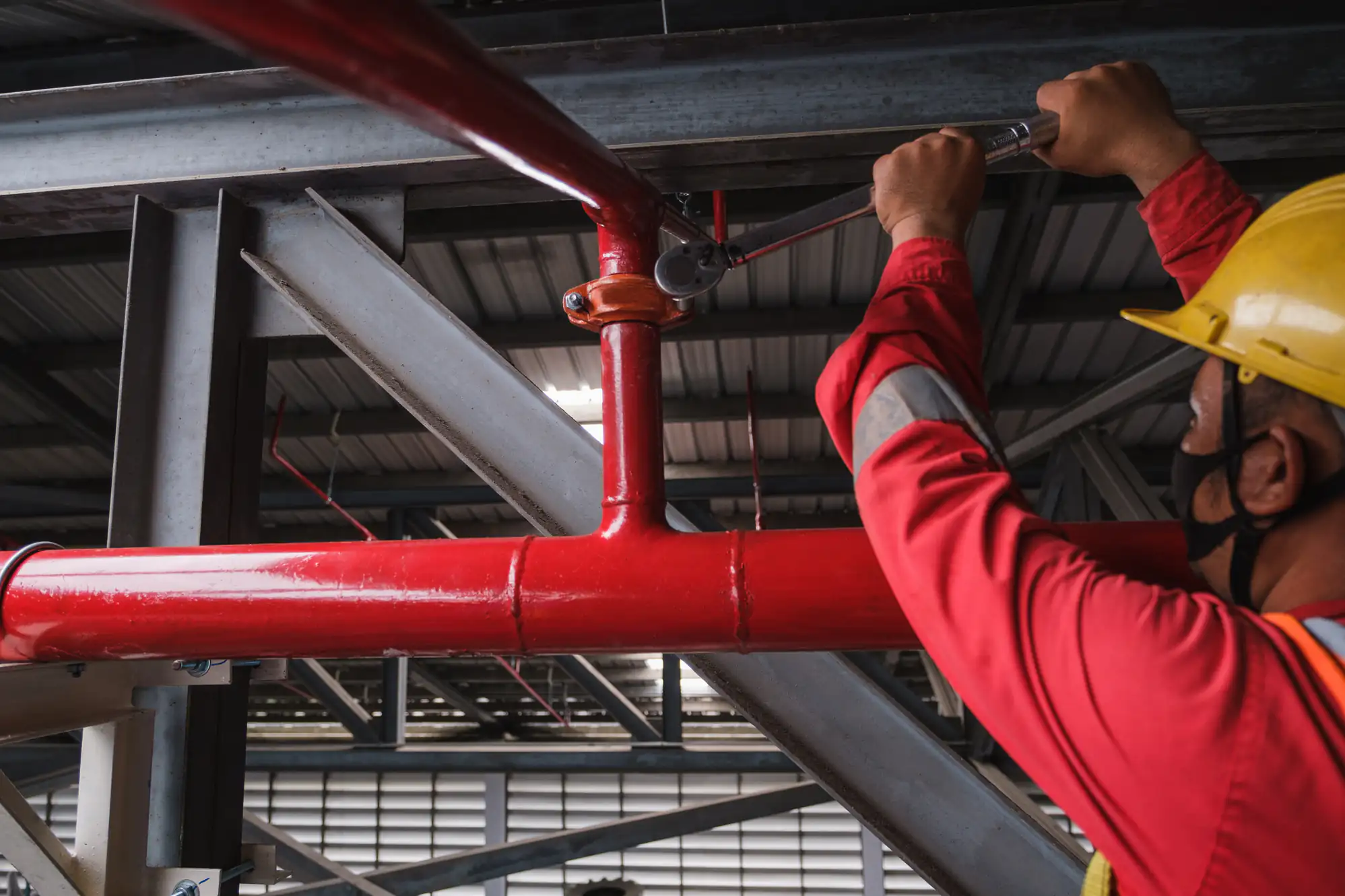
We start with a site assessment. That means walking your property, reviewing your current system if you have one, and identifying what’s required for code compliance. We’re looking at building layout, occupancy type, existing infrastructure, and any violations that need correction.
Next comes system design. We create detailed fire alarm drawings using AutoCAD that show device layouts, system risers, battery calculations, and voltage drops. These aren’t rough sketches. They’re engineered submittal documents that get approved by inspectors and satisfy insurance requirements.
Installation happens with minimal disruption to your operations. Our NICET certified technicians handle everything from smoke alarm installation to control panel programming. We test every device, document every connection, and make sure the system communicates properly with monitoring services.
After installation, you get a complete maintenance schedule. Fire alarm systems need annual testing by licensed technicians under New York regulations. We handle those inspections, catch small issues before they become big problems, and keep your documentation current. You’re not tracking deadlines or coordinating multiple contractors. It’s handled.
Ready to get started?
You get addressable fire detection that identifies the exact location of smoke, heat, or system faults. That means faster response times and fewer false alarms that disrupt your business or wake your tenants at 2 AM.
The system includes smoke detectors, heat sensors, pull stations, notification devices, and a control panel that manages everything. For commercial kitchens, we integrate fire alarm systems with suppression systems. For larger buildings, we connect to building management systems so you can monitor status remotely.
In Islip Terrace and across Long Island, many properties need combo smoke and CO alarm coverage to meet current code. We install Notifier by Honeywell equipment that handles both and communicates system health in real time. When a battery is getting weak or a sensor needs replacement, you know about it before the inspection.
You also get proper documentation. That includes as-built drawings, equipment manuals, testing records, and compliance certificates. When the fire marshal shows up or your insurance company asks for proof of maintenance, you have everything organized and ready. No scrambling through file cabinets or trying to remember when the last inspection happened.
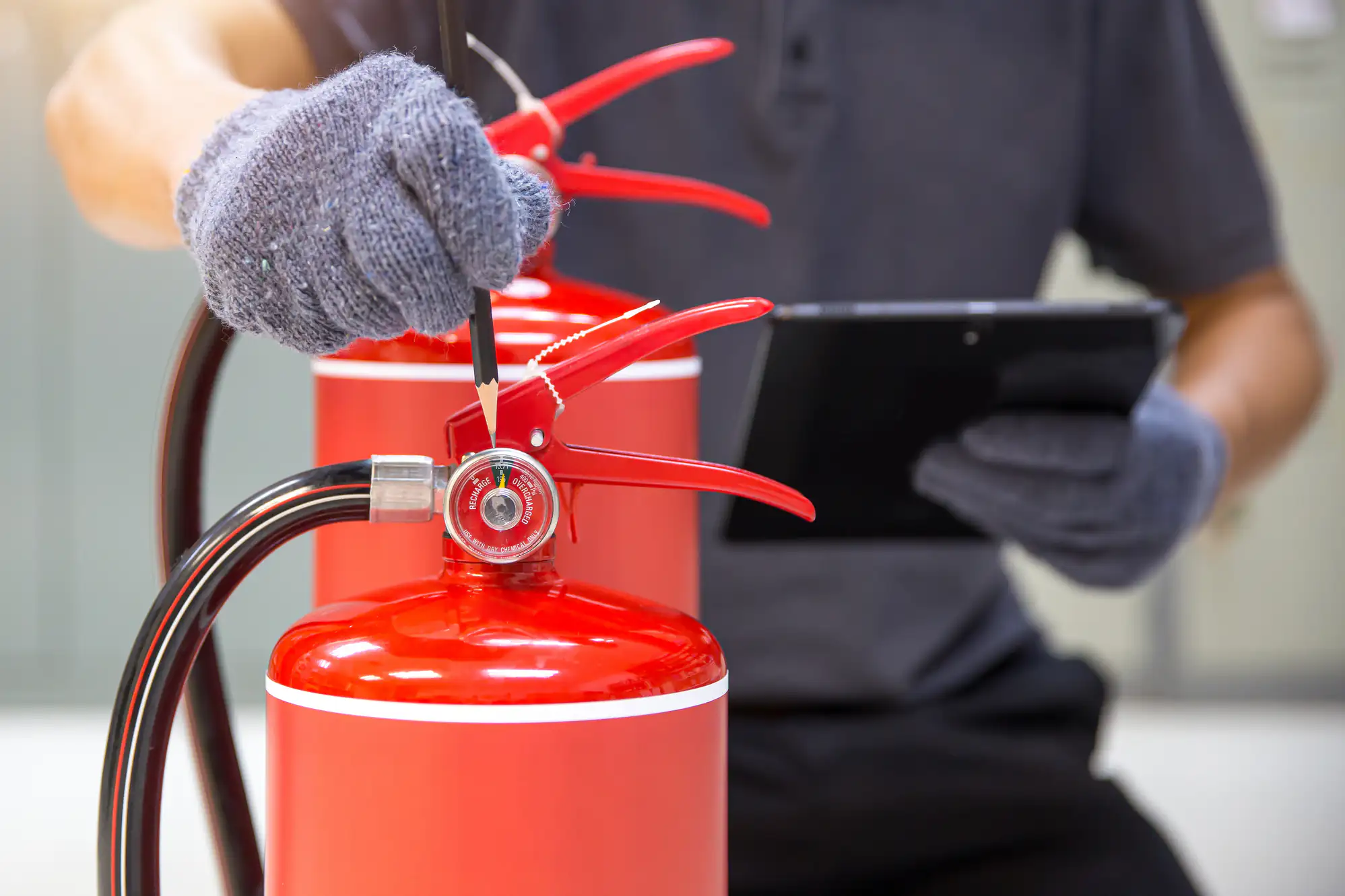
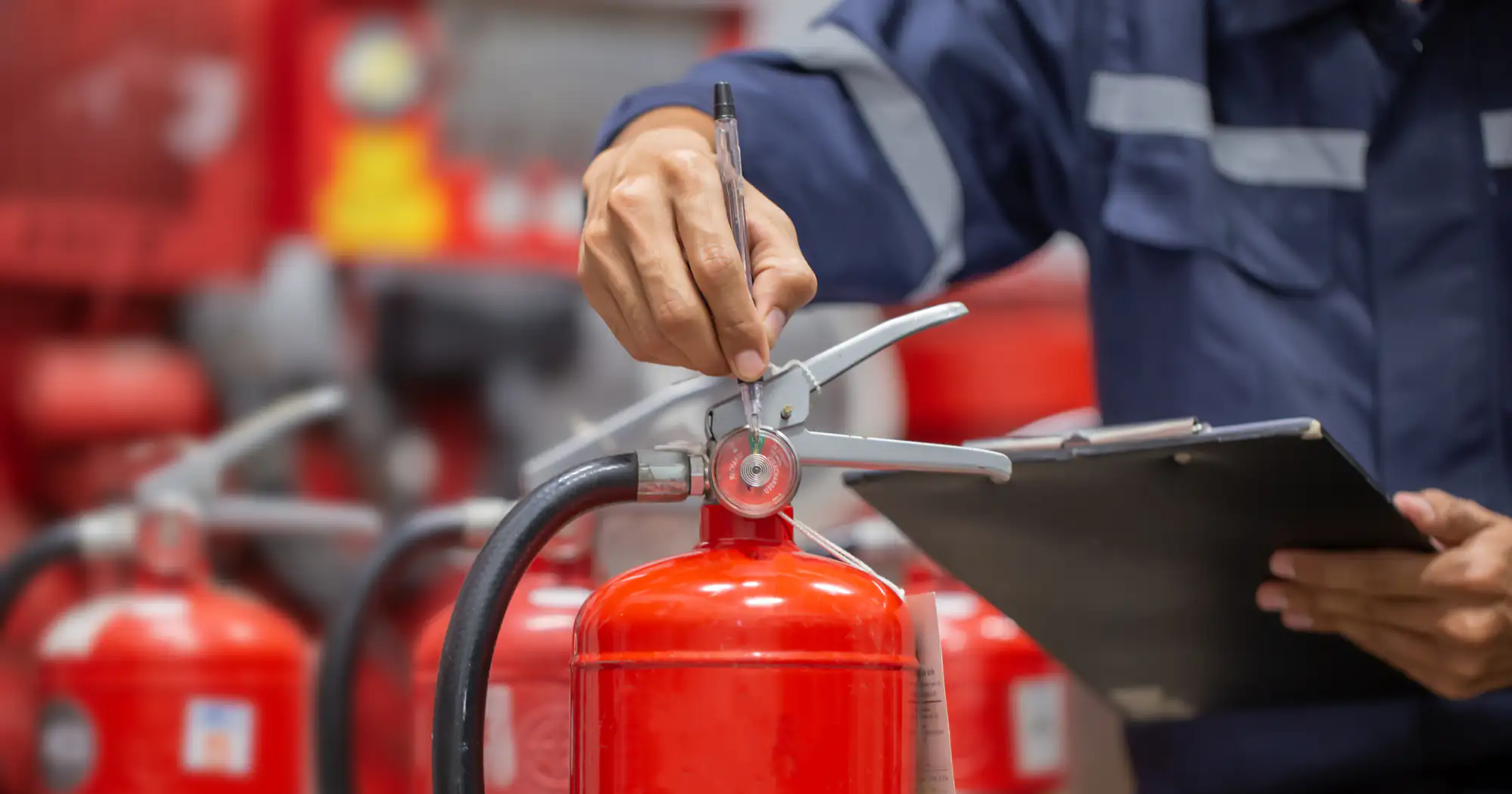
New York requires annual inspections by a licensed fire alarm technician. That’s not optional and it’s not something you can skip when business gets busy.
The inspection covers every device in your system. Technicians test smoke detectors, verify notification devices are working, check battery backups, and make sure the control panel is communicating properly. They’re also looking for physical damage, obstructions, and any changes to your building that might affect coverage.
If you fail inspection, you typically get a limited window to correct issues and schedule a re-inspection. During that time, you’re operating with known deficiencies. If something happens and your system doesn’t perform, your insurance company will want to know why you didn’t address the violations. The annual inspection isn’t just about avoiding fines. It’s about making sure the system actually works when you need it.
Conventional systems divide your building into zones. When an alarm triggers, you know which zone it’s in, but not the specific device. In a large building, that zone might cover an entire floor or wing.
Addressable systems assign a unique identifier to every device. When something triggers, the control panel tells you exactly which smoke detector or pull station activated. You’re looking at “Device 247, third floor conference room” instead of “Zone 3, somewhere on the third floor.”
For commercial properties and larger buildings, addressable makes a huge difference during emergencies and troubleshooting. First responders know exactly where to go. Maintenance teams can identify and replace faulty devices without testing dozens of units. And you can monitor system health remotely, catching issues before they cause problems. Most new installations in Islip Terrace and across Long Island use addressable technology because the benefits outweigh the slightly higher upfront cost.
Yes, and that’s a significant part of what we do. Properties receive violations for all kinds of reasons: outdated equipment, improper device placement, inadequate coverage in renovated areas, missing documentation, or deferred maintenance.
We start by reviewing the violation notice to understand exactly what needs correction. Sometimes it’s straightforward like replacing expired smoke detectors or adding coverage to a new storage area. Other times it involves upgrading control panels that can’t communicate with modern monitoring systems or redesigning device layouts that don’t meet current code.
The goal is fixing the violation in a way that prevents future issues. Just addressing the minimum requirement often leaves you vulnerable to the same problem next year. We look at the whole system, identify weak points, and recommend corrections that bring you into full compliance. Then we document everything so you have proof the work was completed properly. Most violations can be resolved without replacing your entire system, but you need someone who knows what inspectors are actually looking for.
It depends on how many devices you have, what type of system you’re running, and whether you’re doing straight replacement or upgrading to newer technology.
For addressable systems, individual smoke detector replacement typically runs between $150 and $400 per device including labor. That covers the detector itself, programming it into your system, testing, and documentation. If you’re replacing multiple devices during scheduled maintenance, the per-unit cost usually drops.
Conventional system detectors cost less per unit, but if you’re dealing with an older system, you might have trouble finding compatible replacements. At that point, you’re looking at whether it makes sense to replace a few devices or upgrade to addressable technology that gives you better monitoring and easier maintenance going forward.
The real cost isn’t the device replacement. It’s what happens when you don’t replace failing detectors and they cause inspection failures, insurance issues, or don’t work during an actual emergency. We can assess your current system and give you specific pricing based on what you actually need, not a generic quote that changes when we show up.
Standalone smoke detectors and fire alarm systems serve different purposes. Residential smoke alarms are self-contained units that sound a local alarm. They’re not monitored, they don’t communicate with each other, and they don’t alert emergency services.
Fire alarm systems integrate multiple detection devices, notification appliances, and monitoring capabilities into one managed system. When a device triggers, the control panel identifies the location, activates building-wide notification, and can automatically alert the fire department through a monitoring service.
New York fire code determines what’s required based on your building type, occupancy, and size. Most commercial properties, multi-family buildings over a certain size, and buildings with specific occupancies like restaurants or warehouses need full fire alarm systems, not just individual smoke detectors. Even if code doesn’t require it, insurance companies often mandate monitored fire detection for coverage. The question isn’t usually whether you need a system, but what type of system meets your specific requirements without overbuilding.
You receive a violation notice that specifies what failed and gives you a deadline to correct the issues and schedule a re-inspection. The timeline varies depending on the severity of the violation.
Minor issues like a single faulty detector or missing documentation might give you 30 to 60 days. Major deficiencies like non-functional control panels, inadequate coverage, or expired equipment often come with shorter deadlines and potential fines if not corrected promptly.
During the correction period, you’re responsible for fixing the problems and having the work verified by a licensed technician. Then you schedule the re-inspection to demonstrate compliance. If you fail the re-inspection, penalties escalate. You might face increased fines, mandatory monitoring, or in serious cases, restrictions on building occupancy until the system is brought into compliance. The key is addressing violations immediately rather than waiting until the deadline. Problems don’t fix themselves, and the longer you wait, the more complicated and expensive corrections become.
Other Services we provide in Islip Terrace