Explore firsthand accounts of our exceptional service and dedication to safety through the glowing testimonials from our satisfied clients.
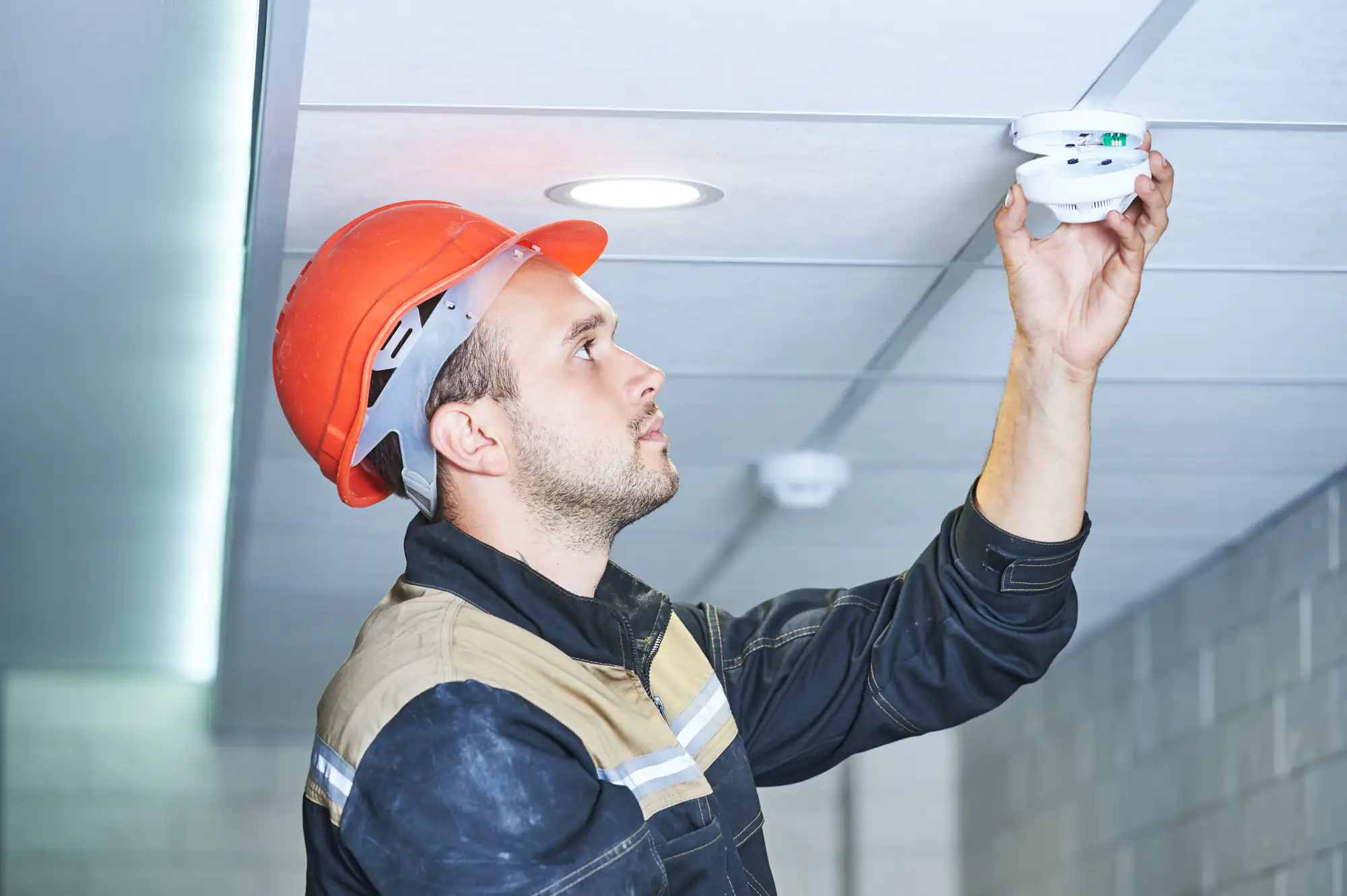
You’re not just buying smoke detectors. You’re buying the ability to sleep at night knowing your property won’t burn down while your alarm system sits there doing nothing.
A properly installed fire detection system means your insurance company stops questioning your coverage. It means passing Suffolk County inspections without the back-and-forth. It means your facility manager isn’t scrambling when the fire marshal shows up unannounced.
Here’s what changes: false alarms drop because addressable systems know the difference between burnt toast and actual smoke. Response times improve because first responders can actually communicate inside your building through proper BDA integration. And when NFPA updates their standards, your system is already built to adapt.
The difference between a fire alarm installation done right and one done cheap shows up in three places: your inspection reports, your insurance premiums, and whether the system actually alerts anyone when there’s smoke.
We hold Suffolk County license 180, Nassau County licenses, and NYS License #12000325006. We’re NICET certified, FCC certified for BDA systems, and we’re an authorized Notifier by Honeywell dealer.
That’s not alphabet soup. Those certifications mean we can legally install fire detection systems across all the jurisdictions that matter in Long Island, and we understand the regulatory differences between them.
Suffolk County operates differently than Nassau. You’ve got 109 volunteer fire departments, each with local control over fire safety standards beyond state codes. That means what passes in Hauppauge might not fly in Farmingville. We know which municipalities add requirements on top of NFPA standards, and we build systems that satisfy both.
We’re also MBE certified and members of the New York Fire Alarm Association. We’ve been handling fire protection across Suffolk, Nassau, and NYC long enough to know that most violations happen because someone didn’t understand the local requirements.
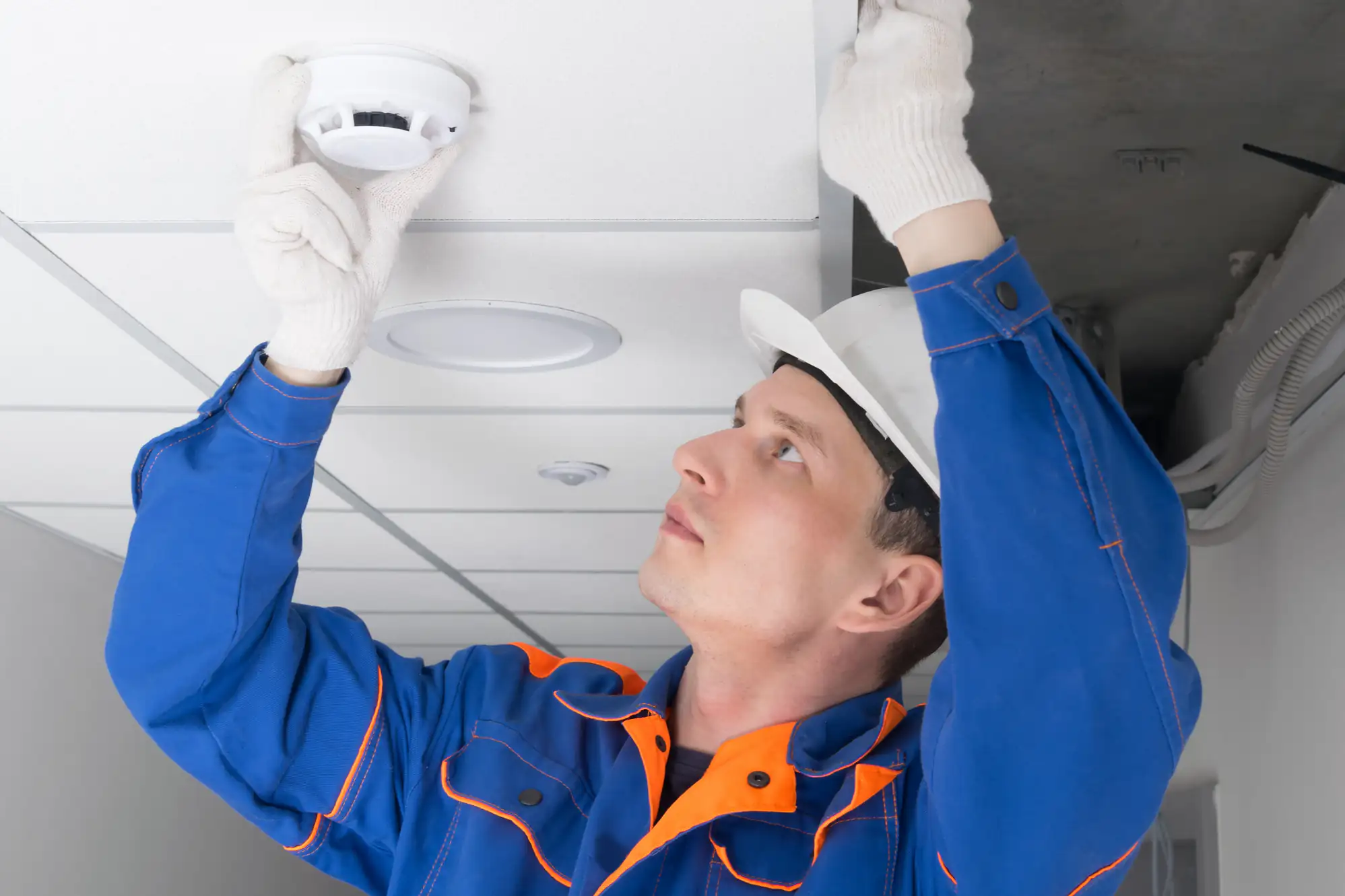
First, we assess your property and figure out what you actually need. Not what we want to sell you. We look at your building layout, occupancy type, existing infrastructure, and which jurisdiction’s codes apply to your specific address in Farmingville.
Then we design a system that meets NFPA 72 standards and local requirements. If you need smoke detector replacement in specific zones, combo smoke and co alarm units in residential areas, or a full addressable fire alarm system for a commercial facility, we map it out before we touch a single wire.
Installation happens with FCC-certified techs who understand how to integrate fire detection with your BDA system so first responders can communicate during an emergency. We’re not just mounting kidde smoke alarms on your ceiling. We’re creating a network that knows where the fire is and alerts the right people.
After installation, we test everything. Every detector, every notification device, every communication pathway. Then we document it for your inspection and give you a system that’s ready for Suffolk County’s annual inspection requirements.
You get a system that works, paperwork that satisfies inspectors, and a team that answers the phone when you need service.
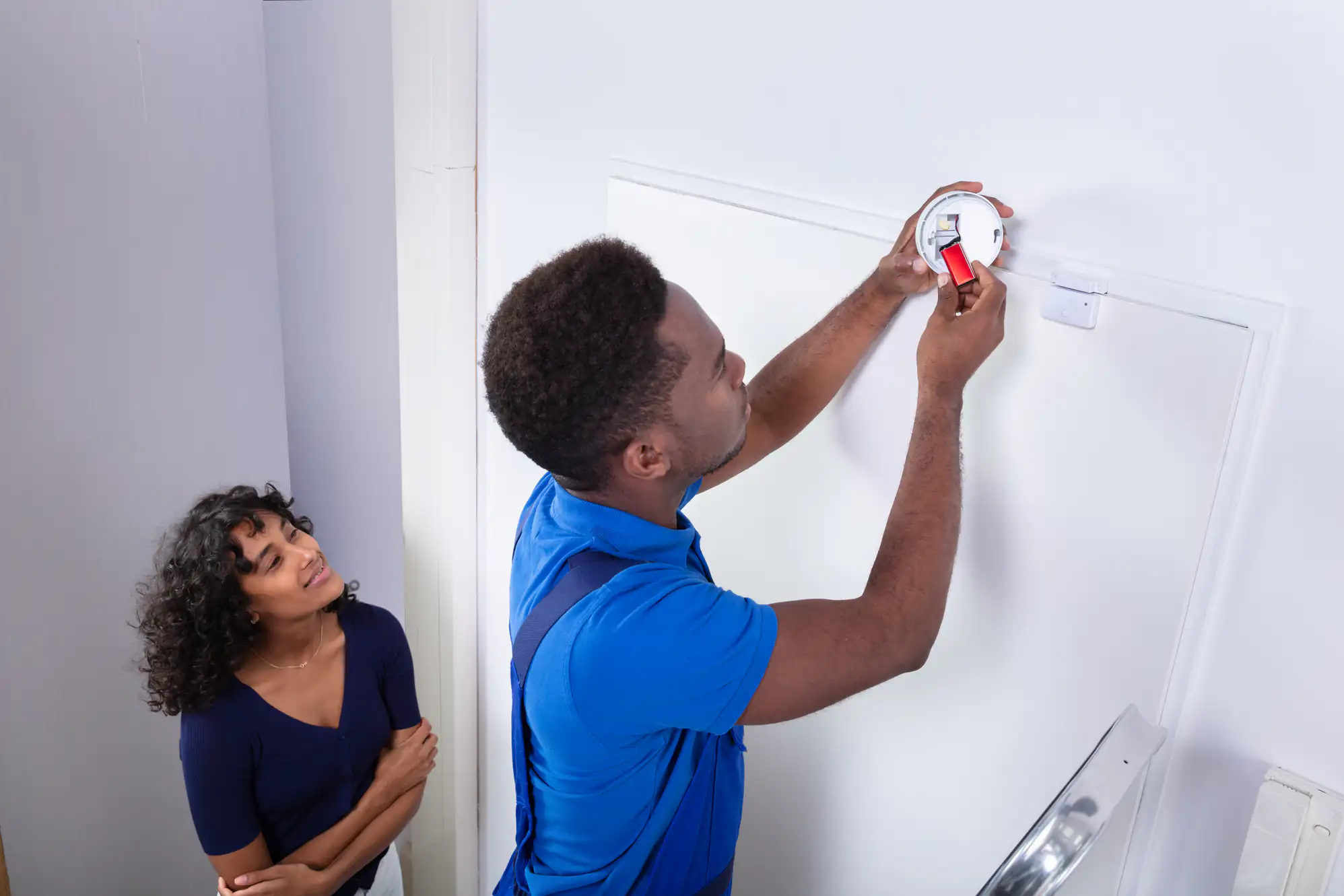
Ready to get started?
Your fire detector installation includes a site assessment that identifies code requirements specific to Farmingville and Suffolk County. We determine detector placement based on NFPA 72 standards, building layout, and the type of hazards present in your space.
You get commercial-grade equipment from Notifier by Honeywell, not residential smoke detectors from the hardware store. That means addressable systems that pinpoint exactly where smoke is detected, reducing false alarms that cost you $250 to $2,000 per incident in Suffolk County.
We install combo smoke and co alarm units where required, integrate with your existing BDA system for emergency responder communication, and ensure every device is properly wired and tested. If you’re replacing an outdated system, we handle the removal and disposal of old equipment.
Installation includes complete documentation for your inspection file. Suffolk County wants to see proof of NFPA compliance, manufacturer specs, and testing results. We provide all of it.
You also get violation correction if you’re dealing with existing FDNY or local fire marshal citations. Many Farmingville properties face violations for inoperable detectors, improper placement, or systems that don’t meet current codes. We fix those issues and provide the documentation needed to clear the violation.
After installation, you have access to our maintenance and inspection services to keep your system compliant with annual testing requirements.
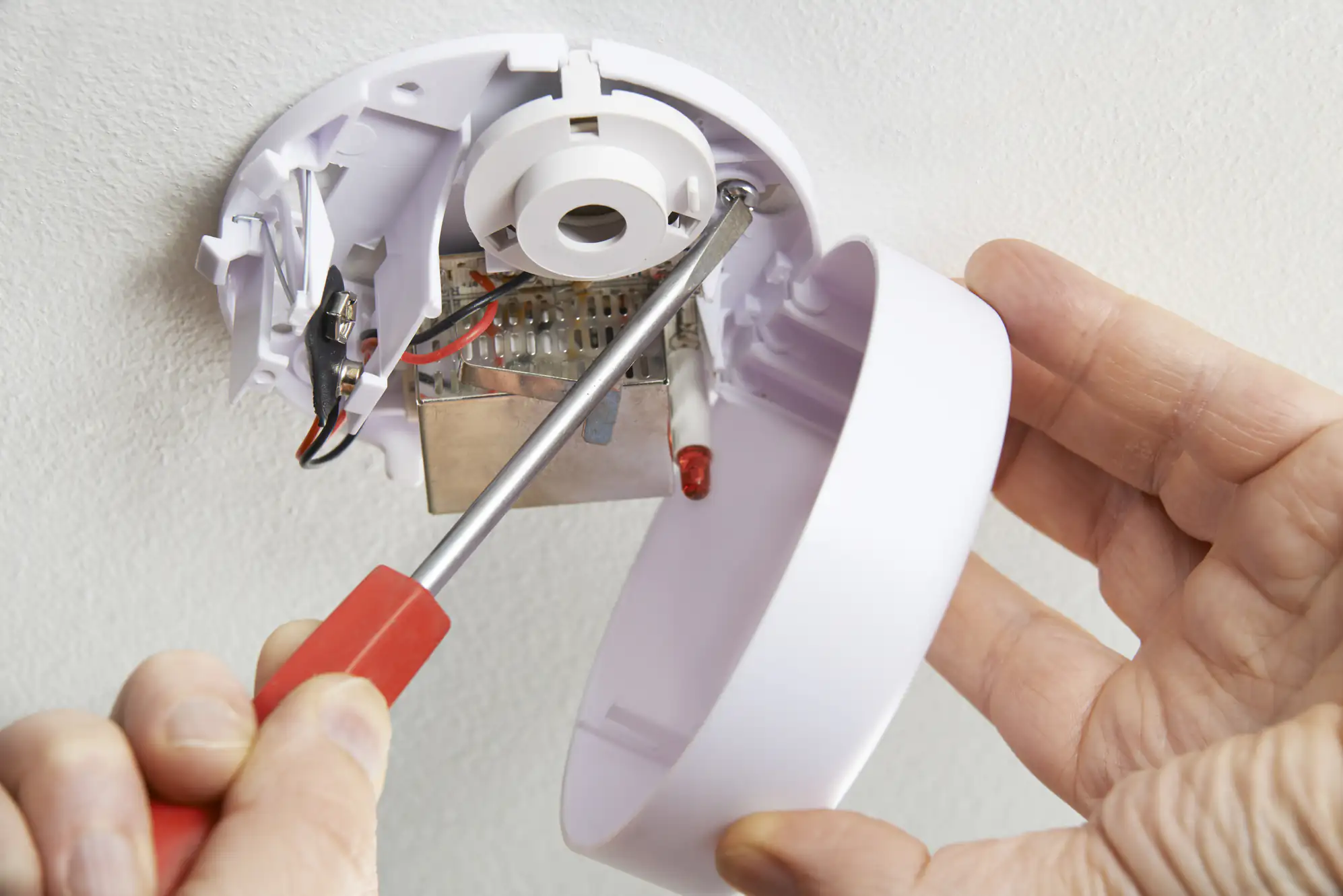
Cost depends on building size, detector type, and whether you need a conventional or addressable system. A small commercial space might run $2,000 to $5,000 for a basic conventional fire alarm system. Larger facilities with addressable systems that pinpoint fire location typically start around $8,000 and go up based on square footage and complexity.
Addressable systems cost more upfront but save money long-term. False alarm fines in Suffolk County run $250 to $2,000 per incident. Addressable systems reduce false alarms because they identify the exact detector that triggered, letting you verify before emergency services roll out.
You’ll also see insurance discounts of 5 to 20 percent with a professionally installed and monitored fire detection system. For buildings over 5,000 square feet, addressable systems typically deliver ROI within 18 to 24 months when you factor in reduced false alarm fines and lower premiums.
If you’re correcting violations, add another $500 to $3,000 depending on what needs fixing. But that’s cheaper than the $800 to $5,000 FDNY violation fines, and it’s definitely cheaper than a vacate order that shuts down your business until you comply.
Smoke detector replacement means swapping out individual detectors that are outdated, malfunctioning, or non-compliant. Full fire alarm system installation means designing and installing an entire networked system with detectors, notification devices, control panels, and monitoring.
If you’ve got an existing system and a few detectors have reached their 10-year lifespan, you need replacement. If your building doesn’t have a code-compliant system, or your current system can’t meet NFPA 72 standards, you need a full installation.
Here’s where it gets tricky in Farmingville: Suffolk County municipalities can impose requirements beyond state codes. Your building might need specific detector types, spacing, or notification devices based on local ordinances. A full installation accounts for all of that from the start.
Replacement is simpler and cheaper if your existing system infrastructure is solid. But if you’re constantly dealing with false alarms, failed inspections, or detectors that don’t communicate with your panel, replacement is just throwing money at a broken system. You need a proper installation that fixes the underlying issues.
We assess your current setup and tell you honestly whether replacement makes sense or whether you’re better off installing a system that actually works.
Many Suffolk County jurisdictions now require BDA systems (Bi-Directional Amplifiers) so first responders can communicate by radio inside your building during emergencies. If you’re installing or upgrading a fire alarm system in a commercial building, there’s a good chance you need BDA.
Here’s why it matters: 98.5 percent of first responders report dead spots in buildings, and 56 percent have experienced communication failures during actual emergencies. When firefighters can’t talk to each other inside your facility, response times slow down and risks increase.
BDA systems amplify radio signals throughout your building, eliminating dead zones. They’re code-compliant emergency responder radio systems that integrate with your fire detection setup. When your fire alarm triggers, responders need reliable communication to coordinate their response.
Suffolk County fire marshals are enforcing BDA requirements more strictly. If your building is over a certain size or has construction materials that block radio signals (concrete, metal, underground areas), you likely need it.
We install Notifier by Honeywell BDA systems that meet FCC certification requirements and integrate seamlessly with your fire detection. We test signal strength throughout your building and document compliance for inspections. It’s not optional in many cases, and it’s not something you want to skip.
Smoke detectors have a 10-year lifespan from manufacture date, not installation date. After 10 years, sensors degrade and become unreliable. Carbon monoxide detectors in combo smoke and co alarm units typically last 5 to 7 years.
NFPA 72 requires you to replace detectors at the end of their service life. Suffolk County inspectors check manufacture dates during annual inspections. If your detectors are expired, you fail inspection and get a violation notice.
Here’s what most Farmingville property owners miss: the 10-year clock starts when the detector was manufactured, not when you installed it. If a detector sat in a warehouse for two years before installation, you’ve only got eight years of compliant service life.
You also need to replace detectors after certain types of contamination or damage. If you’ve had construction work, painting, or significant dust exposure, detectors may need early replacement even if they’re not 10 years old.
We track detector age during our maintenance visits and let you know when replacement is coming up. That way you can budget for it instead of scrambling when an inspector red-tags your system. Planned replacement is always cheaper than emergency replacement after a failed inspection.
You get a violation notice with a deadline to correct the issues and reinspect. Depending on severity, you might face fines ranging from $800 to $5,000. Serious violations like inoperable systems, blocked exits, or extreme hazards can result in immediate closure or vacate orders until you fix the problems.
Suffolk County doesn’t mess around with fire safety. If your system can’t communicate with the monitoring station, if detectors are missing or non-functional, or if you’re not meeting NFPA 72 standards, you’re getting cited.
Common failures we see: expired detectors that weren’t replaced, improper spacing that doesn’t provide adequate coverage, notification devices that don’t meet audibility requirements, and control panels that aren’t properly maintained. Many properties also fail because their system doesn’t integrate with required BDA systems for emergency responder communication.
You have to correct the violations and schedule a reinspection. That means paying for repairs, paying for the reinspection, and potentially paying fines. If you don’t correct violations by the deadline, fines increase and you risk forced closure.
We handle violation correction for Farmingville properties regularly. We know what inspectors look for, we fix the issues properly, and we provide documentation that satisfies the fire marshal. It’s faster and cheaper to fix it right the first time than to keep failing reinspections.
Consumer-grade smart detectors like Nest aren’t designed for commercial fire alarm systems and won’t meet NFPA 72 or Suffolk County code requirements for most commercial applications. They’re residential products that don’t integrate with commercial monitoring, notification, and control systems.
Commercial buildings need UL-listed fire detection equipment that connects to a monitored fire alarm control panel. That panel communicates with a central monitoring station and, in many cases, directly with the fire department. Nest and similar smart home devices don’t have that capability.
You also need devices that meet specific sensitivity, spacing, and notification standards for commercial occupancies. A residential smoke detector might work fine in a house, but it won’t provide adequate coverage or meet code requirements in a warehouse, restaurant, or office building.
That said, there are commercial-grade addressable detectors with smart features—remote monitoring, detailed diagnostics, integration with building automation systems. Those are what you want if you’re looking for advanced functionality in a commercial setting.
For residential or small mixed-use properties, smart detectors might work in specific applications, but you need to verify they meet local code requirements. We assess your building type and occupancy classification, then recommend equipment that’s both code-compliant and functional for your needs. Saving a few hundred dollars on consumer-grade equipment isn’t worth failing inspection or having a system that doesn’t actually protect your property.
Other Services we provide in Farmingville