Explore firsthand accounts of our exceptional service and dedication to safety through the glowing testimonials from our satisfied clients.
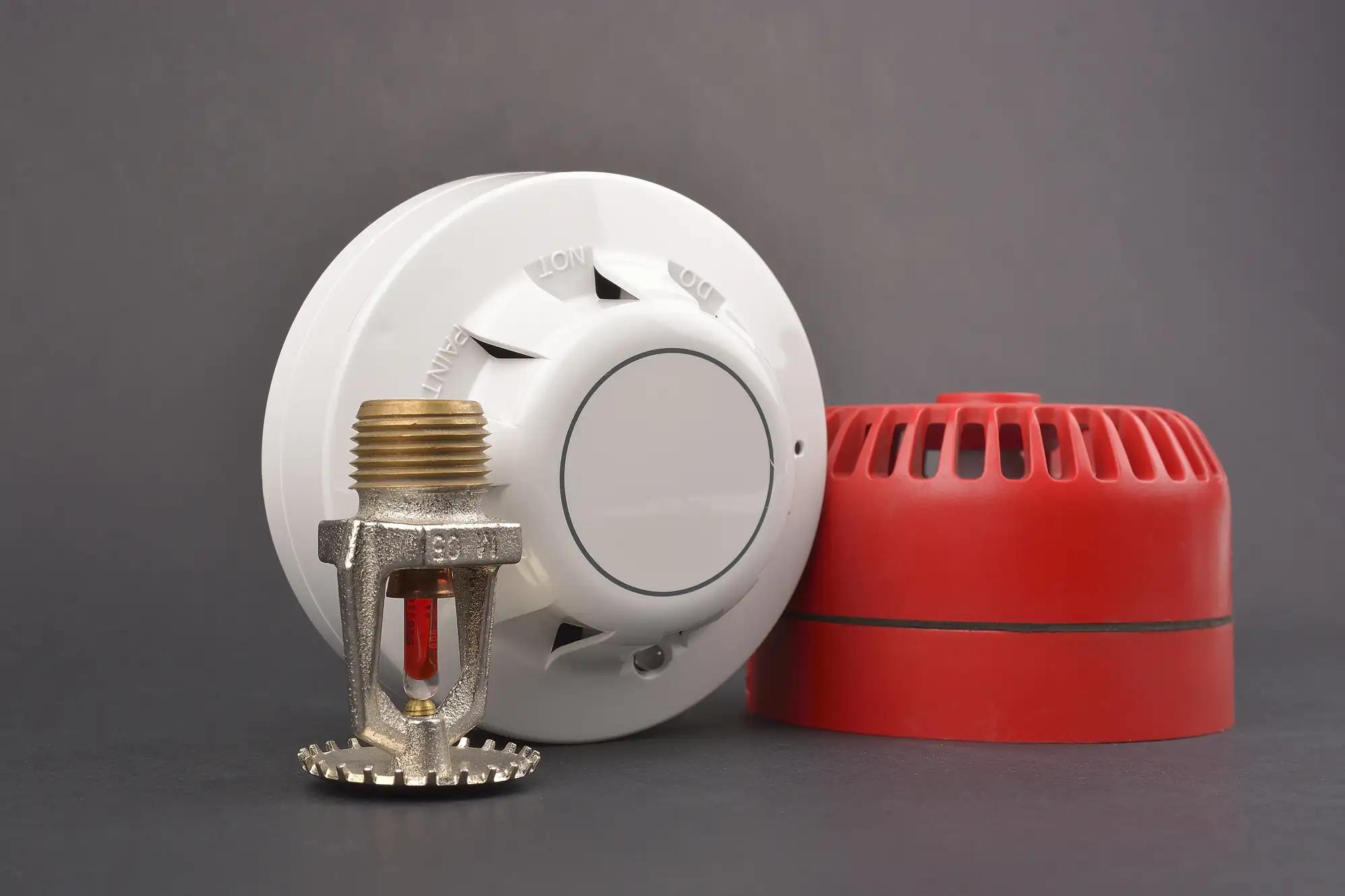
You stop worrying about surprise inspections. Your fire marshal visits don’t end in violation notices or shutdown threats. Your insurance stays affordable because your documentation is clean and your systems are up to code.
That’s what fire safety consulting actually does. It keeps you ahead of NFPA 101 life safety code requirements, international fire code updates, and the local enforcement that’s gotten stricter across Nassau County in the last two years alone.
Buildings in Baywood and surrounding Long Island communities are facing more scrutiny than ever. Fire inspectors issued over 22,000 violations across NYC in 2024, and Long Island properties aren’t far behind. First-time violations start at $250 but can climb past $5,000 depending on severity. Repeat offenses can trigger ECB summonses or temporary closures.
You don’t need more paperwork. You need someone who knows what inspectors look for, what your fire safety plan should include, and how to document everything correctly so you’re not scrambling when the fire marshal shows up.
We hold NYS License #12000325006, Nassau County licenses, and Suffolk County License 180. We’re NICET-certified, MBE-certified, and authorized Notifier by Honeywell dealers. That’s not just credentials—it’s proof we’re qualified to consult on your fire protection systems and sign off on inspections that actually hold up under scrutiny.
We’ve worked with commercial properties, restaurants, warehouses, and high-value residential buildings throughout Baywood and the surrounding towns. We know the local enforcement patterns, the common violation triggers, and what it takes to correct issues before they escalate.
You’re not getting a national chain that doesn’t understand Long Island fire codes. You’re working with a local team that’s been navigating Nassau and Suffolk County requirements for years.
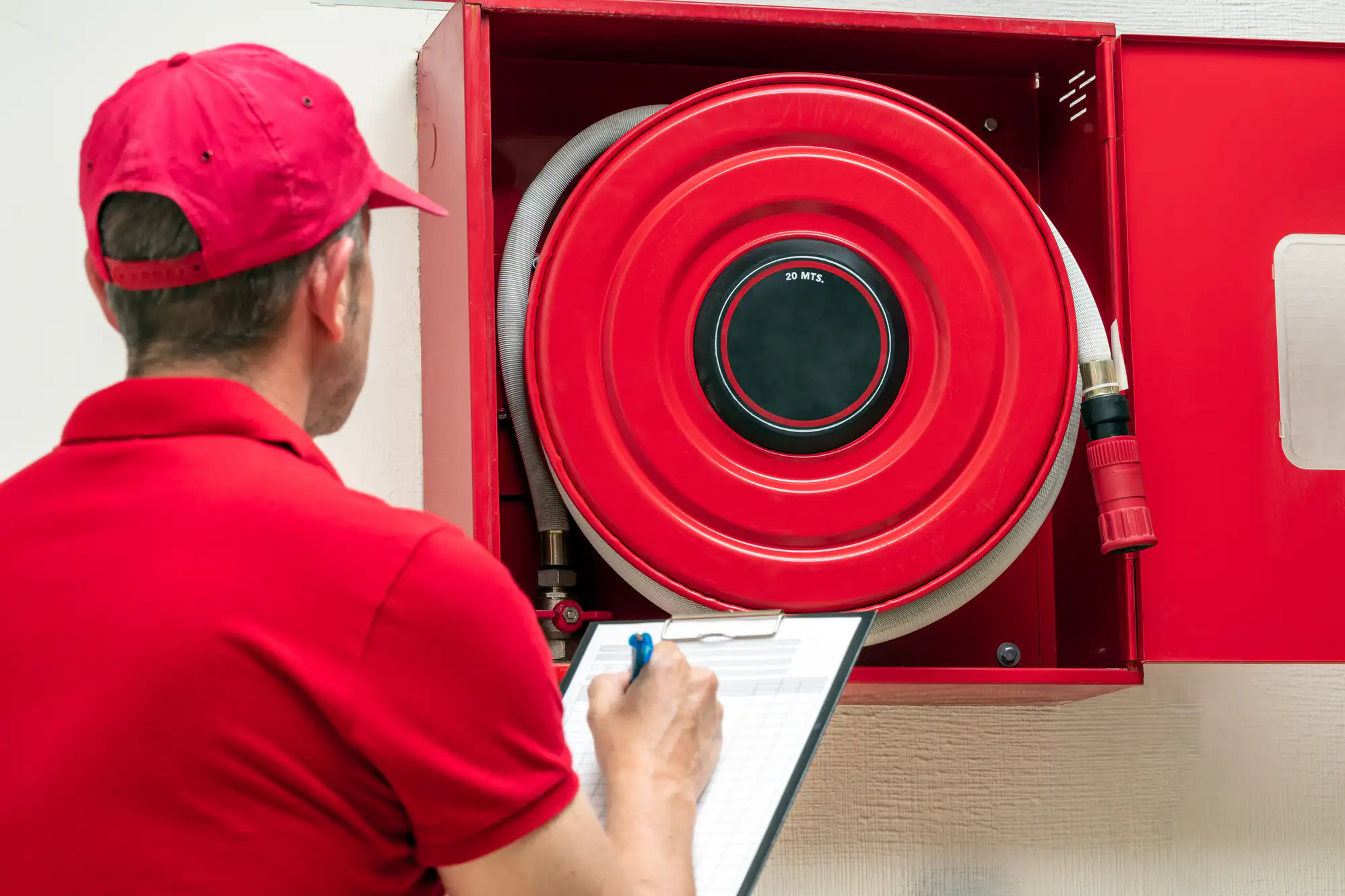
First, we assess your current fire protection systems and documentation. That means reviewing your fire alarm setup, suppression systems, emergency egress, and any existing fire safety plans or log books. We’re looking for gaps—missing inspections, outdated equipment, incomplete records, or anything that would trigger a violation during a fire marshal inspection.
Next, we map out what needs to happen. If you’re missing required NFPA 25 inspections, we schedule them. If your fire safety plan doesn’t meet ICC building code standards or your egress window code compliance is questionable, we document what needs updating. If you’ve already received violations, we provide the corrective action plan and the paperwork to lift them.
Then we implement. That could mean coordinating with our installation team for system upgrades, completing required testing, or setting up your ongoing inspection schedule so you’re never late on monthly, quarterly, or annual requirements again. We also make sure your fire log books are current and formatted correctly—that’s the first thing inspectors check.
After everything’s in place, you get documentation that proves compliance. Clean records, signed reports, and a system that keeps you on track without constant follow-up on your end.
Ready to get started?
You get a full fire code compliance assessment based on NFPA standards and local Long Island requirements. We review your building’s fire alarm systems, kitchen suppression setups if applicable, sprinkler and standpipe inspections, and emergency communication systems like BDA installations that are now required in many commercial buildings.
We also handle violation correction. If you’ve already been cited, we don’t just tell you what’s wrong—we fix it and provide the documentation the fire marshal needs to close the case. That includes coordinating any necessary repairs, scheduling re-inspections, and making sure your fire safety plan reflects the updates.
For Baywood properties specifically, we’re seeing increased enforcement around fire log book accuracy and NFPA 25 compliance. Many building owners don’t realize that sprinkler and standpipe systems require monthly, quarterly, and annual inspections depending on the component. Missing even one cycle can result in a violation, and inspectors in Nassau County are checking those records closely.
We also provide ongoing consultation. Fire codes change. Your building’s use might change. We stay current on international fire code updates and local amendments so you don’t have to track every revision yourself. If something shifts that affects your compliance status, you’ll know about it before an inspector shows up.
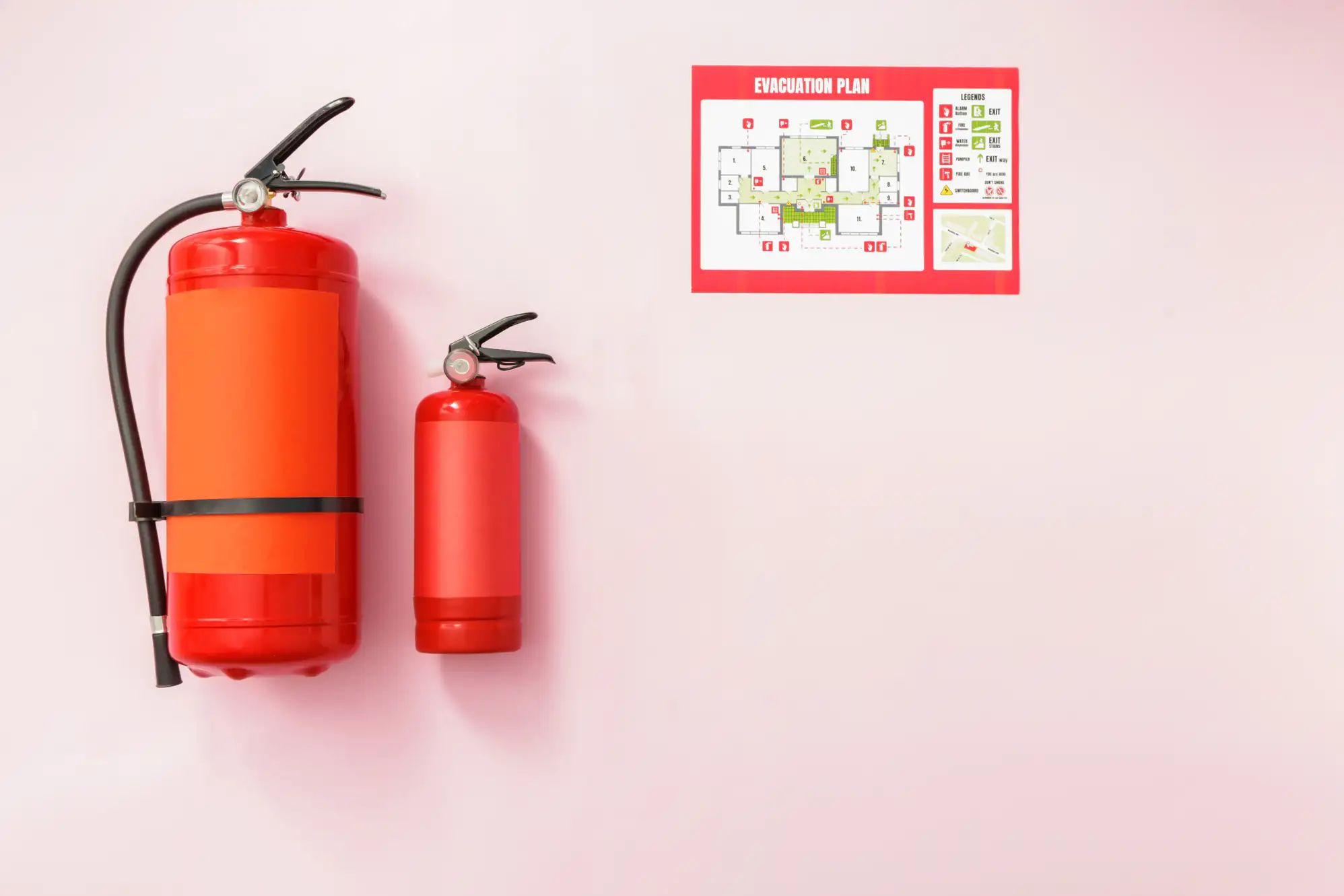
A fire protection consultant reviews your building’s fire protection systems, checks whether you’re meeting NFPA and local fire code requirements, and identifies any compliance gaps before they turn into violations. That includes inspecting fire alarms, suppression systems, emergency exits, and documentation like your fire safety plan and log books.
We also coordinate inspections and testing. NFPA 25 requires routine checks on water-based systems—sprinklers, standpipes, fire pumps—on monthly, quarterly, semi-annual, and annual schedules. Most building owners don’t have the in-house expertise to manage that, so we handle scheduling, execution, and documentation.
If you’ve already received a violation notice, we provide the corrective plan and proof of compliance needed to resolve it. We’re not just pointing out problems—we’re fixing them and making sure the paperwork satisfies the fire marshal’s requirements so the violation gets lifted.
First-time fire code violations in New York typically range from $250 to $1,000, but that’s just the starting point. More serious infractions—like non-functional fire alarms, blocked egress routes, or missing suppression system inspections—can result in fines between $800 and $5,000 or higher. Repeat violations escalate quickly and can lead to ECB summonses or temporary closure orders until you’re compliant.
The bigger cost isn’t always the fine itself. It’s the disruption. If your business gets shut down while you’re correcting violations, you’re losing revenue every day you’re closed. Your insurance premiums might increase if your carrier finds out about repeated fire safety issues. And if an incident occurs while you’re non-compliant, your liability exposure goes up significantly.
That’s why fire safety consulting pays for itself. Catching issues during a proactive assessment costs a fraction of what you’d spend on fines, legal fees, and lost business after a failed inspection.
NFPA 101 is the Life Safety Code—it focuses on protecting people in buildings through proper egress, fire-resistant construction, and detection systems. It covers things like exit signage, egress window code requirements, occupancy limits, and emergency lighting. Most jurisdictions in New York adopt NFPA 101 as the baseline for life safety compliance.
The International Fire Code, or ICC building code, is broader. It addresses fire prevention across the entire building lifecycle—construction materials, hazardous material storage, fire suppression systems, and operational procedures like fire drills and evacuation plans. Some local jurisdictions use the IFC as their primary code, while others blend it with NFPA standards.
In practice, you need to comply with both, plus any local amendments. Nassau County and Suffolk County have their own modifications to these codes, and inspectors enforce them strictly. A fire safety consultant helps you navigate which standards apply to your specific building type and use, so you’re not guessing about what’s required.
It depends on your building type and the systems installed, but NFPA 25 sets the standard schedule for water-based fire protection. Sprinkler systems need monthly inspections of gauges and valves, quarterly checks of alarm devices, annual flow tests, and five-year internal inspections of piping. Standpipe systems follow a similar cadence. Fire pumps require weekly, monthly, and annual testing depending on the component.
Fire alarm systems generally need annual inspections under NFPA 72, but some local jurisdictions require semi-annual checks. Kitchen suppression systems in restaurants must be inspected every six months. Emergency lighting and exit signs need monthly functionality tests that you’re supposed to document in your fire log book.
If you’re in a high-occupancy building or a facility with special hazards, your inspection frequency might be even tighter. The fire marshal will check your log books first during an inspection, and missing entries are an easy violation to issue. We set up automated schedules so you’re never late on a required test.
Yes. Violation correction is a core part of what we do. When you receive a notice from the fire marshal, you’re given a deadline to fix the issue and provide proof of compliance. If you miss that deadline, fines increase and enforcement escalates.
We start by reviewing the violation notice to understand exactly what the inspector cited. Then we assess whether it’s a documentation issue, an equipment failure, or a system that’s out of code. From there, we create a corrective action plan—either updating your paperwork, scheduling the missed inspection, or coordinating repairs with our installation team if hardware needs replacing.
Once the issue is resolved, we provide the signed documentation the fire marshal requires to close the violation. That might include inspection reports, test results, updated fire safety plans, or proof that your systems now meet NFPA or ICC building code standards. We’ve lifted violations for properties across Long Island, and we know what inspectors need to see before they’ll sign off.
If your building meets certain occupancy thresholds or use classifications, yes—you’re legally required to have a fire safety plan under New York fire code. That includes most commercial properties, multi-family residential buildings, restaurants, warehouses, and any facility with a fire alarm system.
Your fire safety plan needs to outline evacuation procedures, staff responsibilities during a fire emergency, locations of fire protection equipment, and maintenance schedules for all systems. It also has to be updated whenever your building layout changes, your occupancy type shifts, or you install new fire protection equipment.
The fire marshal will ask to see it during inspections, and if it’s missing, outdated, or incomplete, that’s an immediate violation. We develop fire and safety plans that meet local requirements and actually make sense for your building’s operations—not generic templates that don’t reflect how your property is used. We also train your staff on the plan so everyone knows what to do if an alarm goes off.
Other Services we provide in Baywood