Explore firsthand accounts of our exceptional service and dedication to safety through the glowing testimonials from our satisfied clients.
You’re not dealing with fire safety because it’s exciting. You’re dealing with it because a fire marshal inspection is coming up, or you got a violation notice, or your building needs a fire safety plan before you can move forward.
Here’s what changes when it’s handled right. You pass inspections without scrambling. Your building meets NFPA 101 life safety code and international fire code requirements without you becoming an expert in either. If there’s a violation, it gets corrected quickly and documented properly so it doesn’t come back.
And if you’re in a high-rise or large commercial space in Patchogue, you’re likely dealing with BDA system requirements. Those emergency responder communication systems aren’t optional anymore—Suffolk County and surrounding areas require them for new construction and many existing buildings. When they’re installed correctly by FCC-certified professionals, first responders can actually communicate during an emergency. When they’re not, you’re looking at failed inspections and real safety gaps.
We hold NYS License #12000325006, Suffolk County license 180, and Nassau County licenses. We’re NICET certified, MBE certified, and members of the New York Fire Alarm Association. We’re also a Notifier by Honeywell authorized dealer, which matters when you need equipment that actually meets code.
We work across Patchogue, Medford, Ronkonkoma, Bay Shore, and the rest of Suffolk and Nassau Counties. Most of our clients are commercial property owners, facility managers, and business operators who need fire protection systems installed, inspected, or brought up to code. Some are dealing with FDNY violations. Others are architects or engineers who need a fire protection consultant during the design phase.
We’re not the cheapest option, and we’re fine with that. You’re paying for systems that pass inspection the first time, violations that actually get resolved, and professionals who show up when they say they will.
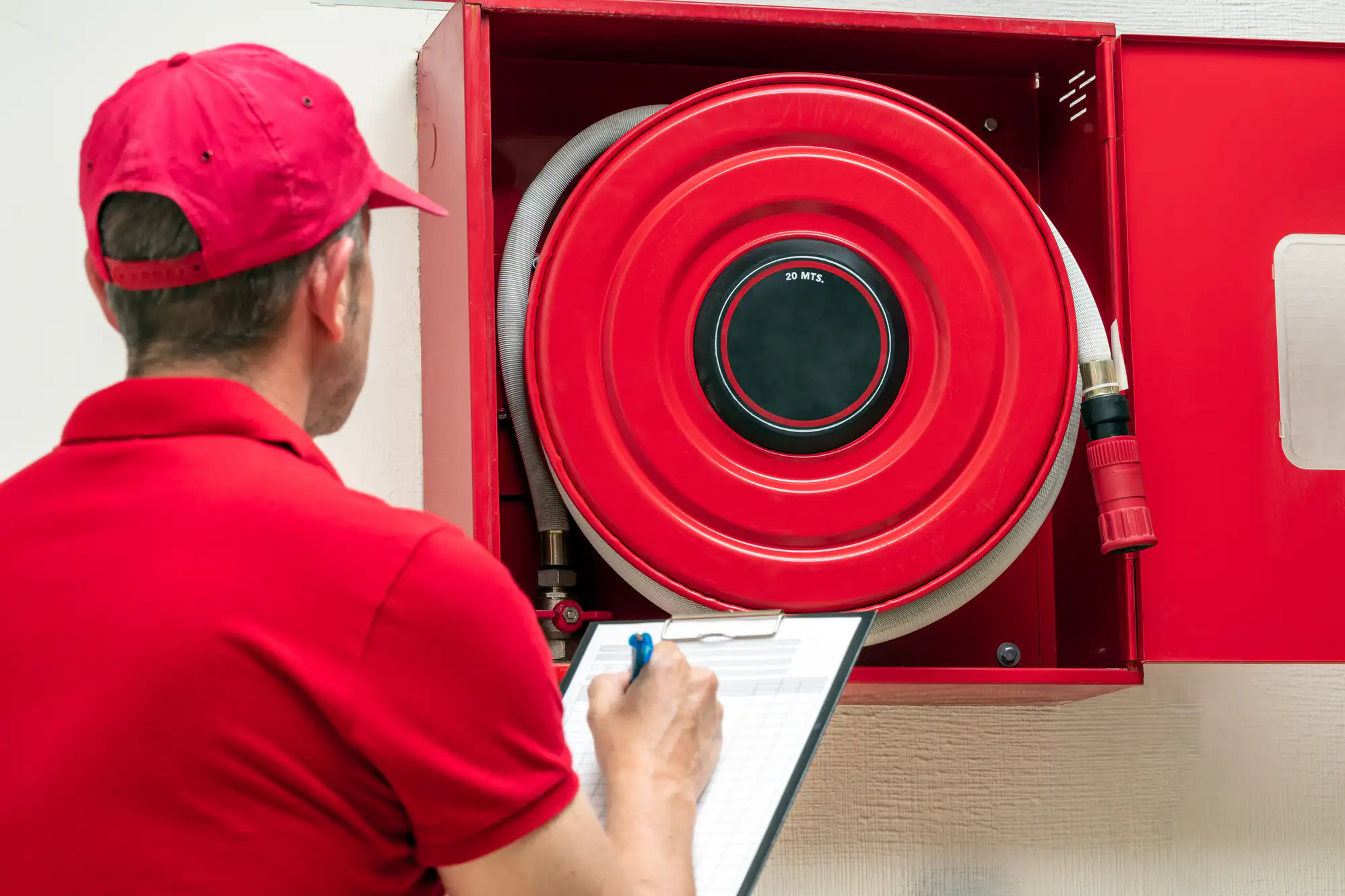
First, we assess what you’re dealing with. That might be a building that needs a fire and safety plan, a failed inspection, a violation notice, or new construction that requires BDA installation. We look at your property, review any existing systems or documentation, and figure out what needs to happen to meet code.
Then we handle it. If you need a fire safety plan, we develop one that meets ICC building code and local requirements. If you’re dealing with violations, we correct them and provide the documentation the fire marshal needs. If you need fire alarm systems, sprinkler inspections, or emergency communication systems installed, we do that too.
Throughout the process, you get updates that make sense. We don’t bury you in technical jargon, but we also don’t skip the details that matter. When the work is done, you get documentation that proves compliance—which is what you’ll need for inspections, insurance, and your own peace of mind.
For ongoing clients in Patchogue and across Suffolk County, we handle regular inspections and monitoring so you stay compliant year-round. Most violations happen because of maintenance issues or outdated systems, not because someone intentionally ignored the rules. Regular monitoring prevents that.
Ready to get started?
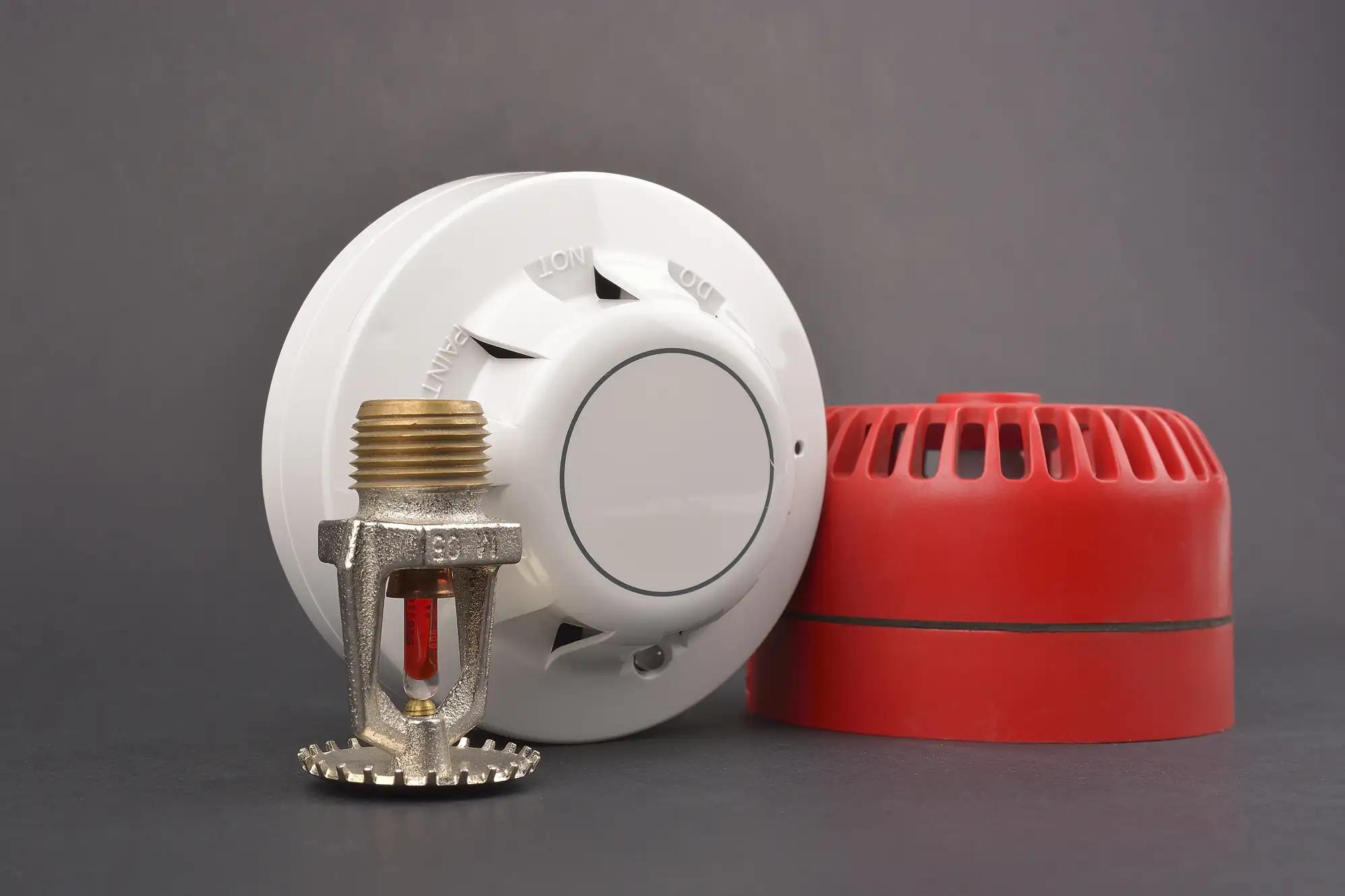
Fire safety consulting covers everything from initial assessments to violation correction to ongoing compliance monitoring. For commercial properties in Patchogue, that usually means fire alarm system installation and inspection, sprinkler system testing, emergency lighting checks, and egress window code verification.
If your building requires a BDA system—and many in Suffolk County do—we handle the full installation. That includes site surveys, FCC-certified installation, testing to ensure 99% coverage in critical areas and 90% in general areas, and documentation for the authority having jurisdiction. These emergency responder radio systems are required because modern building materials like Low-E glass and steel block radio signals. Without them, first responders can’t communicate during emergencies.
We also develop fire safety plans that meet local and state requirements. These aren’t generic templates—they’re specific to your building layout, occupancy type, and the actual hazards present. If you’re a restaurant owner in Patchogue dealing with kitchen suppression systems, or a warehouse operator managing high-pile storage, your fire safety plan needs to reflect that.
For properties with existing violations, we provide correction services and work directly with fire marshals to resolve issues. Violations aren’t just fines—they can lead to building closures, legal action, and insurance problems. Getting them corrected properly the first time matters.
A fire protection consultant assesses fire risks, ensures your building meets code, and develops strategies to keep people and property safe. For most projects in Patchogue, that starts with reviewing your building plans or existing systems against current codes—NFPA 101 life safety code, international fire code, and local Suffolk County requirements.
During new construction or renovations, we participate in design meetings to make sure fire alarm placement, sprinkler coverage, emergency exits, and communication systems are planned correctly from the start. It’s much cheaper to get it right during design than to retrofit later. For existing buildings, we inspect what’s already there, identify gaps or violations, and create a plan to bring everything up to code.
We also handle the technical side: specifying equipment, coordinating with contractors, testing systems after installation, and providing documentation for inspections. If you’re dealing with a fire marshal inspection or an insurance requirement, we make sure you have what you need to pass.
It depends entirely on what the violation is. Minor issues like missing signage, blocked exits, or expired extinguishers can often be corrected within a few days. You fix the problem, document it, and submit proof to the fire marshal.
More complex violations—like non-functioning fire alarm systems, sprinkler deficiencies, or missing BDA systems—take longer because they require equipment, installation, testing, and inspection. A full fire alarm system upgrade might take several weeks from assessment to final sign-off. BDA system installation can take longer depending on building size and complexity.
The key is starting immediately. Unresolved violations can lead to fines that increase over time, mandatory building evacuations, or even closure until the issue is fixed. We prioritize violation work because we know what’s at stake. Most clients in Suffolk County who call us about violations want them handled fast and correctly—not just patched over to pass a single inspection.
If your building is in Patchogue or anywhere in Suffolk County and meets certain criteria, a BDA system isn’t a recommendation—it’s required by code. Most jurisdictions now require emergency responder communication enhancement systems in new high-rise buildings, large commercial spaces, and certain existing structures.
The reason is simple: modern construction materials block radio signals. First responders report communication dead spots in 98.5% of buildings, and 56% have experienced total communication failure during emergencies. When firefighters can’t talk to each other or dispatch, response times increase and safety decreases.
A BDA system amplifies radio signals throughout your building so emergency personnel can communicate from any floor, stairwell, or interior space. Code typically requires 99% coverage in critical areas like stairwells and fire command centers, and 90% coverage in general building areas. During inspections, this gets tested. If coverage doesn’t meet requirements, you don’t pass. We handle BDA installation with FCC-certified technicians and provide the signal strength documentation inspectors need to see.
A fire safety plan is a documented strategy for preventing fires and responding when they happen. It’s required for most commercial buildings in New York, and it needs to be specific to your property—not a generic template.
We start by walking your building and identifying hazards: where ignition sources are, how people would evacuate, where fire protection equipment is located, and what special risks exist based on your operations. A restaurant has different risks than a warehouse or an office building. Then we document evacuation routes, assembly points, and procedures for notifying occupants and emergency responders.
The plan also covers your fire protection systems: where alarms and sprinklers are, how they’re tested, and who’s responsible for maintenance. We include staff responsibilities—who calls 911, who checks that everyone evacuated, who shuts down equipment if needed. For buildings in Patchogue that require fire drills, we outline the schedule and documentation process.
Once it’s written, we review it with you so your team actually understands it. A plan that sits in a binder and never gets used doesn’t help anyone. We also update it when your building layout changes, your operations change, or codes change.
NFPA 72 requires annual inspections for most fire alarm systems, and New York State follows that standard. Some components need more frequent testing—backup batteries might need quarterly checks, and certain devices need semi-annual testing depending on your system type.
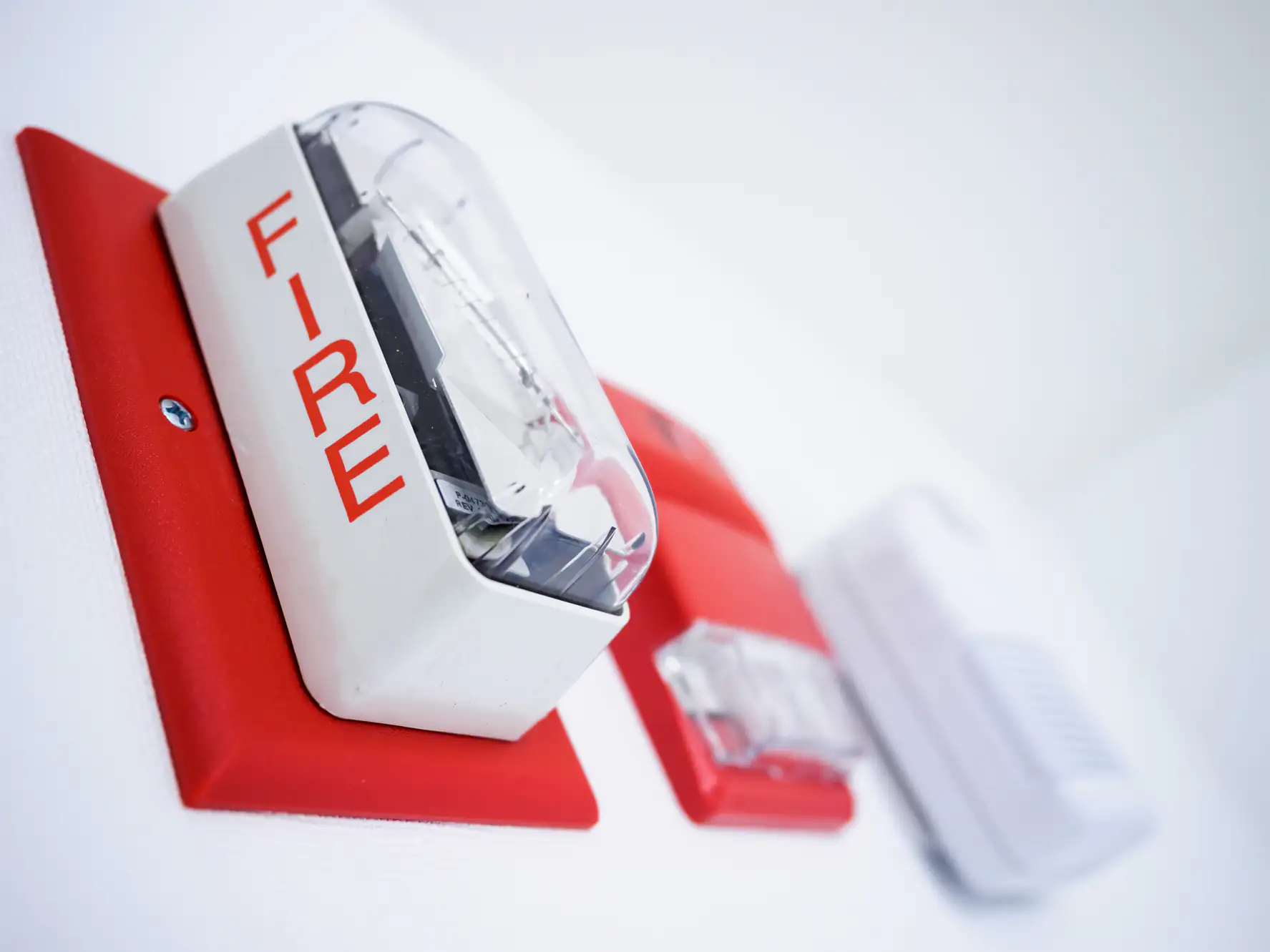
During an inspection, we test all notification devices, pull stations, smoke detectors, and control panels. We verify that signals reach the monitoring station correctly and that backup power works. We also check for physical damage, obstructions, or anything that would prevent the system from working during an actual fire.
If your system is older or you’ve had additions to your building, inspections often reveal coverage gaps or outdated equipment. The 3G sunset is affecting a lot of fire alarm systems right now—if your monitoring relies on 3G cellular communication, it needs to be upgraded or it’ll stop working. We catch those issues during inspections before they become violations.
Documentation matters as much as the inspection itself. You need written records proving your system was tested and passed. Fire marshals and insurance companies ask for this. We provide detailed reports after every inspection so you have what you need.
You get a violation notice that specifies what’s wrong and gives you a deadline to fix it. The severity depends on the issue. Minor violations might give you 30 days. Serious safety hazards might require immediate correction or even temporary closure until the problem is resolved.
Ignoring a violation isn’t an option. Fines increase the longer it goes unresolved, and the fire marshal can escalate enforcement. In extreme cases, buildings get red-tagged and occupants are forced to evacuate until violations are corrected. That’s not common, but it happens when safety risks are significant.
Most failures happen because of maintenance issues—expired extinguishers, non-functioning alarms, blocked exits, or missing documentation. These are fixable quickly if you address them right away. Larger issues like outdated fire suppression systems or missing emergency communication systems take more time and investment, but they still need to be handled.
We work with property owners across Suffolk County who’ve failed inspections. The process is straightforward: we assess what the violation notice says, correct the issues, document everything, and coordinate re-inspection. The goal is getting you back in compliance as quickly as possible with proof that the work was done right.
Other Services we provide in Patchogue