Summary:
Summer in Nassau County means more than just rising temperatures. It means your HVAC system running at full capacity, your commercial kitchen operating through lunch and dinner rushes, and your electrical systems under maximum load. It also means fire marshals are conducting inspections, insurance audits are scheduled, and your fire protection systems need to be functioning flawlessly.
Most business owners don’t think about fire safety until they’re facing a violation notice or, worse, an actual emergency. But summer preparation isn’t complicated—it just requires knowing what to check, when to check it, and how to document everything properly. Here’s what actually matters when you’re getting your commercial property ready for the season.
Fire Safety Inspection Checklist for Summer Preparation
Your fire safety inspection checklist isn’t a suggestion—it’s your defense against violations, insurance claim denials, and actual emergencies. Nassau County operates under centralized fire regulations enforced by the Fire Marshal’s Office, which means uniform standards across the county. That’s different from Suffolk’s district-by-district approach, and it actually makes compliance more predictable if you know what to expect.
Start with the basics that get flagged most often during inspections. Fire extinguishers need monthly visual checks by your team and annual inspections by certified professionals. Emergency lighting requires annual 90-minute load tests. Exit signs must be illuminated and visible from 100 feet. These aren’t minor details—they’re the first things inspectors document, and violations can run up to $5,000 per offense.
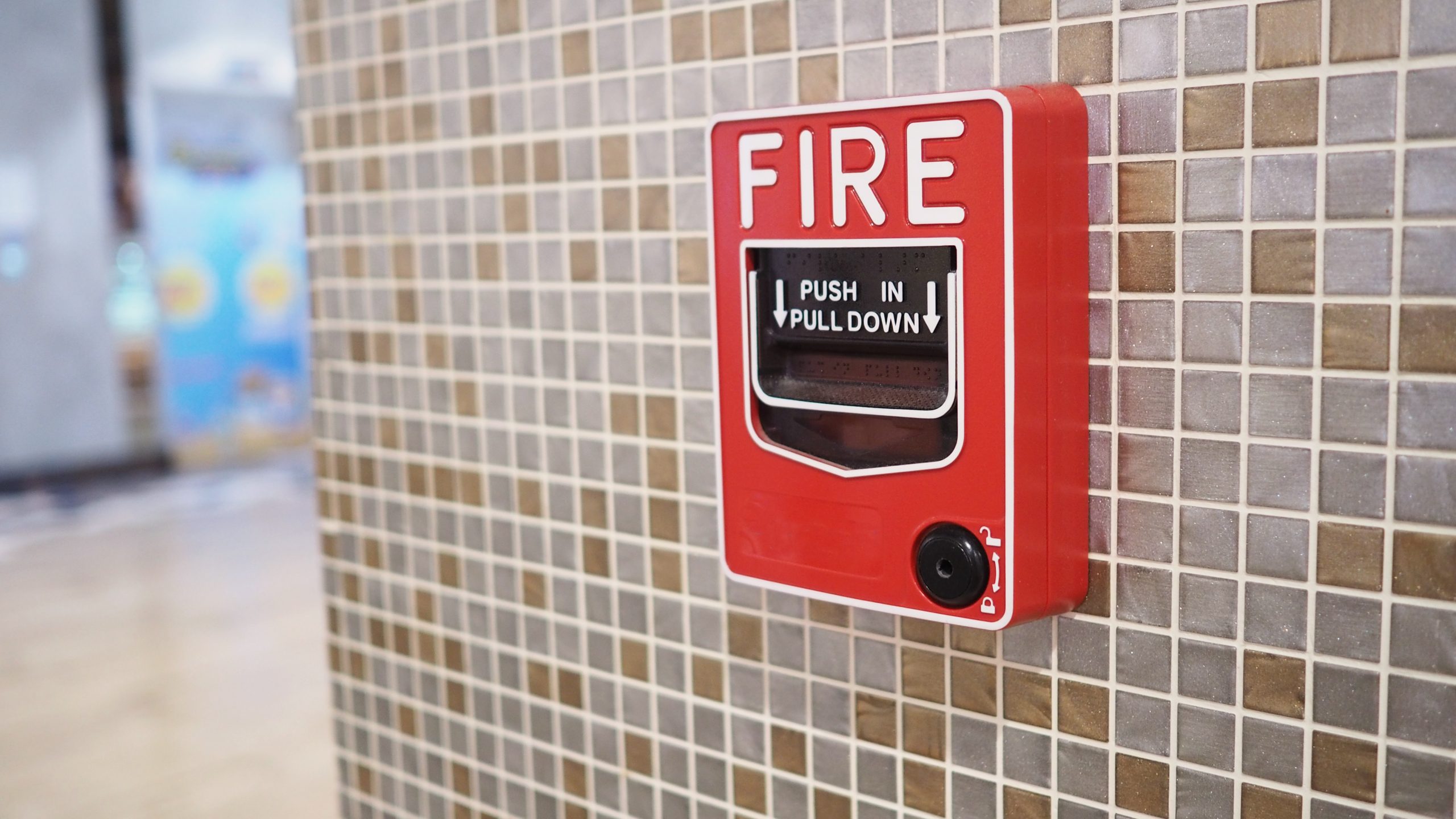
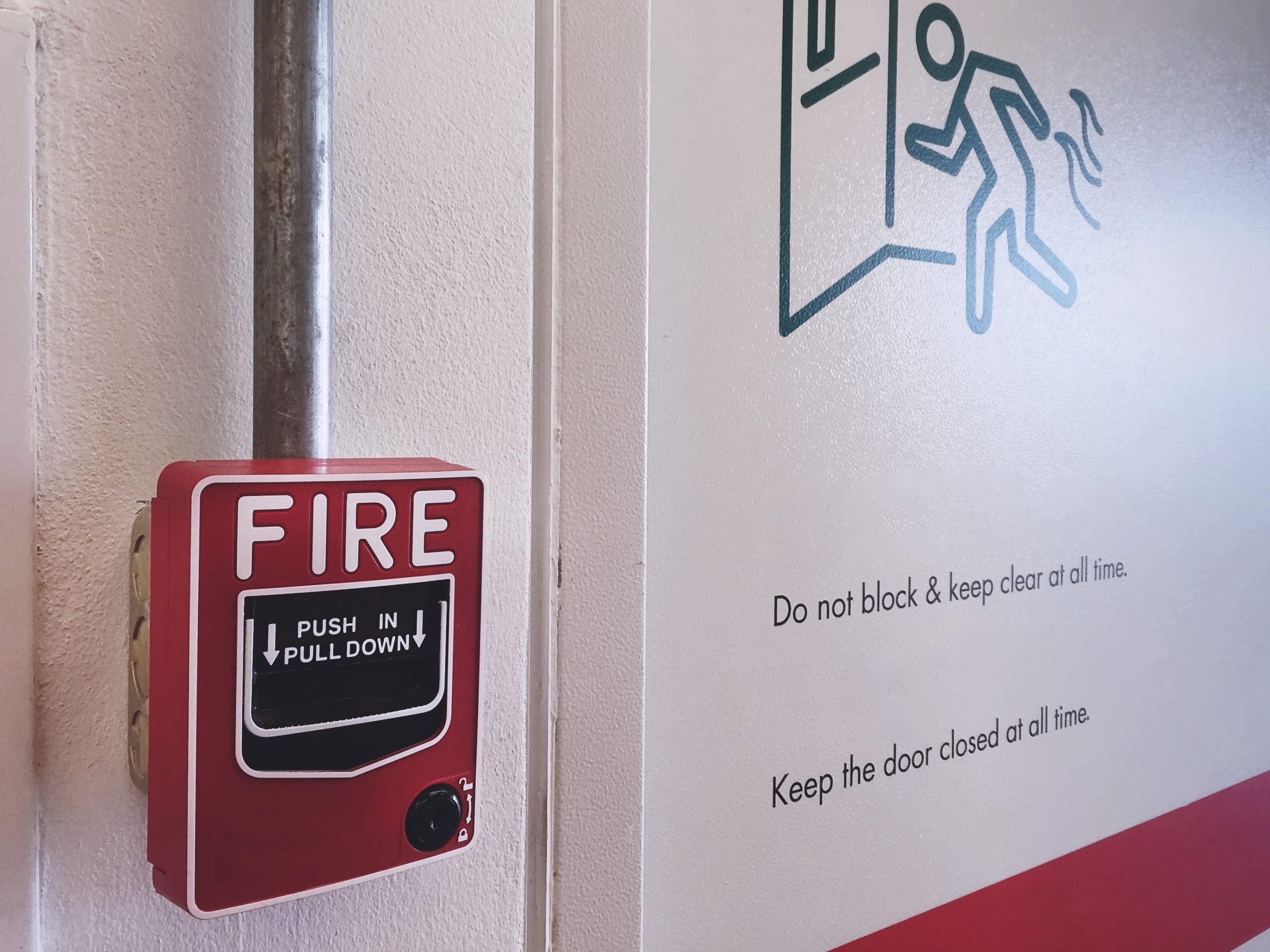
Your fire alarm system needs annual testing under NFPA 72 standards, with all documentation readily accessible. That means control panel checks, smoke detector testing, manual pull station activation, and notification appliance verification. If you’re missing inspection records or your last test was over 12 months ago, you’re already out of compliance before summer even starts.
Essential Summer Fire Equipment Inspection Requirements
Summer puts unique stress on fire protection equipment that sits dormant most of the year. Your HVAC system is the perfect example. When it’s running continuously to cool your building, electrical connections can overheat, filters can clog, and fire dampers in ductwork need to function correctly to prevent smoke spread. An HVAC inspection isn’t just about comfort—it’s about identifying fire hazards before they become problems.
Commercial kitchens face their own summer challenges. Higher volume means more grease accumulation, which is exactly what makes kitchen fires so dangerous. NFPA 96 requires semi-annual inspections of commercial kitchen fire suppression systems, and if your last inspection was in fall or winter, you’re due before summer hits. Grease buildup on discharge nozzles is the most common failure point—even partial blockage can leave cooking surfaces unprotected during a fire event.
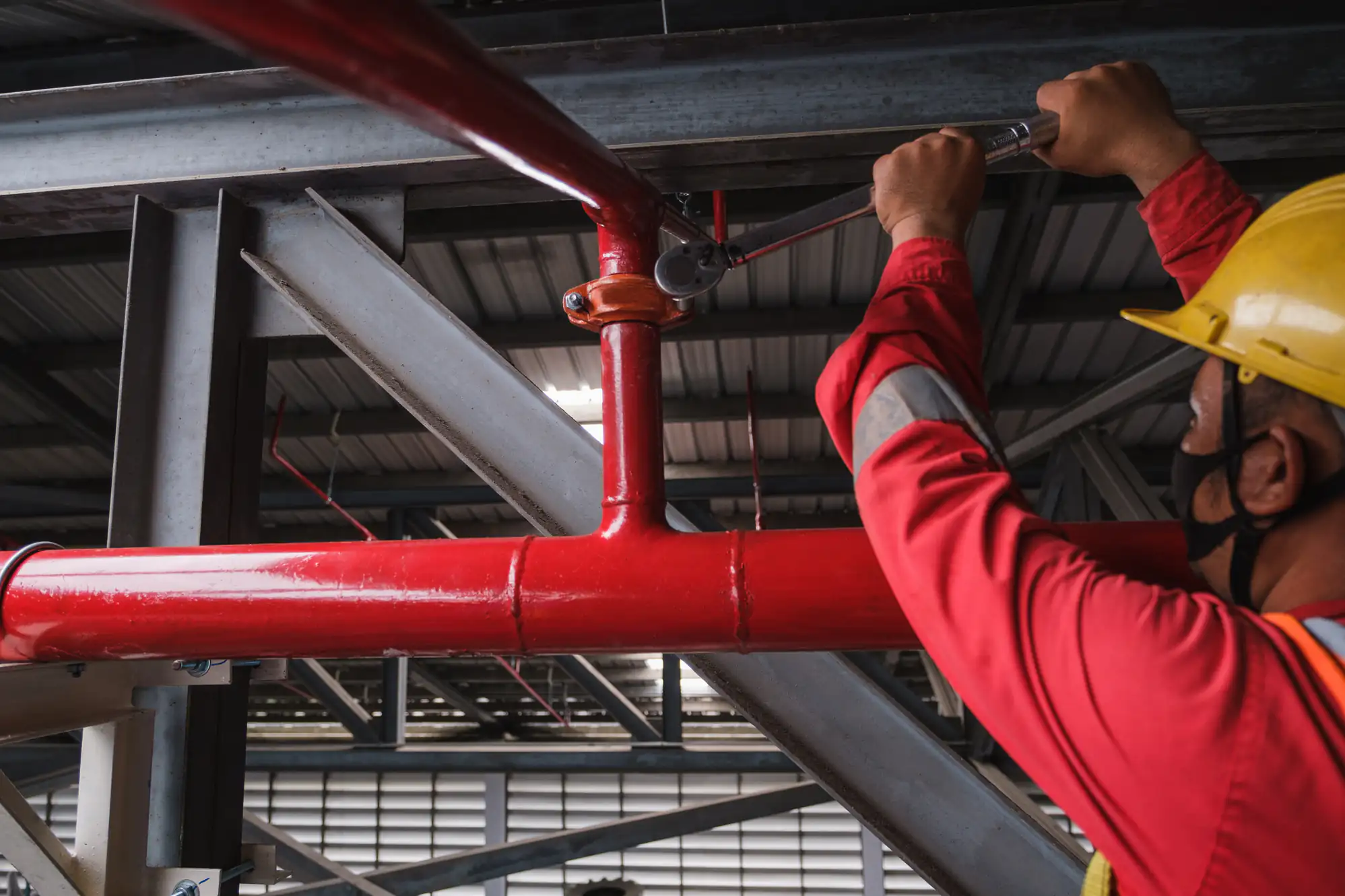
Fire sprinkler systems need attention too. Monthly visual checks should confirm no obstructed heads, no signs of corrosion, and proper water pressure. Annual inspections by licensed professionals verify flow tests, valve operation, and system functionality. If you have a wet pipe system, summer heat can affect pressure readings. If you have a dry pipe system, valve maintenance becomes critical.
Don’t overlook your fire extinguishers. They should be mounted, accessible, and show current inspection tags. The travel distance from any point in your building to the nearest extinguisher can’t exceed 75 feet for Class A hazards or 50 feet for Class B hazards. In commercial cooking areas, that distance drops to 30 feet. Walk your property and verify placement before an inspector does it for you.
Emergency exit routes need clear paths, functioning door hardware, and proper signage. Fire doors can’t be propped open or wedged. Panic hardware must operate smoothly. Exit maps should be posted at regular intervals and updated if you’ve renovated or changed your floor plan. These seem basic, but they’re also the violations that show up most frequently during inspections.
Fire Safety Compliance Documentation and Record-Keeping
Documentation isn’t paperwork for the sake of paperwork—it’s your proof of compliance when the fire marshal shows up or when your insurance company reviews a claim. Nassau County requires that inspection records, testing logs, and maintenance certificates be readily accessible to the Authority Having Jurisdiction. That means you can’t spend three days digging through file cabinets when an inspector asks for your last 12 months of fire alarm logs.
Your fire alarm system needs NFPA 72 Record of Completion forms, inspection and testing forms properly executed, and as-built plans showing all devices and circuitry. These documents should be at the fire alarm panel, not in an office somewhere across the building. When systems are tested, you need dates, devices tested, personnel conducting testing, and any deficiencies identified. Missing or incomplete documentation gets flagged immediately during inspections.
Commercial kitchen suppression systems require their own documentation trail. After each semi-annual inspection, you should receive a Commercial Cooking System Service and Inspection Report. One copy stays on-site, and one gets sent to the local fire department. If your system discharges during an actual event, you can’t resume kitchen operations until a contractor certifies full system restoration with proper documentation.
Fire extinguisher inspections need monthly logs showing visual checks and annual certifications from licensed inspectors. Each extinguisher should have a tag showing the last inspection date and the inspector’s information. If an extinguisher is expired, damaged, or missing its inspection tag, it’s a violation waiting to happen.
Keep digital backups of everything. Paper logs get lost, damaged, or misplaced. A well-organized digital system lets you produce compliance history in minutes instead of days. When you can hand an inspector a complete PDF of your last year’s alarm logs in 10 seconds, you’re demonstrating the kind of organization that builds confidence and reduces scrutiny.
The Nassau County Fire Prevention Ordinance requires 24-hour notice before testing certain systems. That means coordination with the Fire Marshal’s Office, notification of building occupants, and scheduling during appropriate hours. Document these notifications too—they’re part of your compliance record.
Commercial Fire Safety Requirements for Peak Season
Peak season means peak risk. More people in your building, more equipment running, more activities happening simultaneously. Commercial fire safety during summer isn’t about different rules—it’s about higher stakes when things go wrong.
Your building’s occupancy classification determines specific requirements under NFPA 101 Life Safety Code. Assembly occupancies have different egress requirements than business occupancies. If you’re running summer events or increasing capacity, verify that your fire protection systems are rated for your actual occupancy levels, not just your off-season minimums.
Staff training becomes critical when you’re operating at full capacity. Every employee should know how to activate your fire suppression system, where fire extinguishers are located, and what the evacuation plan looks like. If you’ve hired seasonal staff, they need this training before they start working, not after. A fire doesn’t wait for someone to finish their first week.
HVAC System Fire Safety Checks Before Summer
Your HVAC system moves air throughout your building, which means it can also move smoke and fire if it’s not properly maintained. Fire dampers in ductwork are designed to close automatically when temperature rises, preventing fire spread between zones. But they only work if they’re maintained and tested regularly.
Before summer, verify that fire dampers are inspected and functional. These components often get overlooked because they’re hidden in ductwork, but they’re required under building codes and NFPA 90A standards. Annual inspections should confirm that dampers close completely, actuators function correctly, and there’s no debris or damage preventing proper operation.
Electrical connections in HVAC equipment need attention. Overheating electrical systems are a leading cause of summer fires in commercial buildings. Inspect cooling systems, electrical panels, and motor connections for signs of wear, corrosion, or overheating. Keep electrical rooms and equipment clear of dust and debris that can ignite.
Filter maintenance isn’t just about air quality—it’s about fire prevention. Clogged filters force HVAC systems to work harder, increasing electrical load and heat generation. Replace filters on schedule, and verify that filter housings are properly secured. A filter that comes loose and gets pulled into equipment can cause mechanical failure or fire.
Ventilation systems in commercial kitchens deserve special attention. Exhaust hoods must capture all cooking emissions, and ductwork must be free from grease buildup. NFPA 96 mandates specific cleaning frequencies based on cooking volume—monthly for high-volume operations, quarterly for moderate volume. Grease-laden ducts are fuel waiting for ignition, and summer’s increased kitchen activity makes this risk even higher.
Don’t forget about your building automation system if you have one. Sensor calibration, actuator function, and control sequences all affect fire safety performance. A misconfigured BAS can prevent smoke control systems from activating correctly or can fail to shut down HVAC equipment during a fire event.
Commercial Kitchen Fire Suppression Summer Maintenance
Commercial kitchens present some of the highest fire risks in any commercial building, and summer is when most kitchens operate at maximum capacity. Class K fires involving cooking oils and greases burn at exceptionally high temperatures, and standard fire extinguishers won’t cut it. That’s why wet chemical suppression systems are required, and why maintenance can’t be optional.
NFPA 96 and NFPA 17A require semi-annual inspections of commercial kitchen fire suppression systems. If your last inspection was more than six months ago, you’re overdue. These inspections aren’t quick visual checks—they’re comprehensive evaluations of every component in the detection, actuation, and discharge chain.
Discharge nozzles are the most common failure point. Grease buildup inside and around nozzle openings reduces discharge coverage, potentially leaving portions of your cooking surface unprotected. Even partial blockage is a critical deficiency. During inspections, technicians verify nozzle placement against your current equipment layout, confirm orientation angles match approved design drawings, and replace any nozzle showing blockage, corrosion, or damage.
Fusible links detect heat and trigger system activation. When they’re covered in grease, they can’t function correctly. High-volume kitchens should clean hood systems, filters, and nozzles weekly or even daily during peak season. This isn’t just about passing inspections—it’s about ensuring your system actually works when you need it.
System testing includes running air through extinguishing lines to verify no blockages, checking agent levels and pressure in suppression cylinders, testing mechanical elements like sensors and actuators, and verifying that gas and electrical shutoff functions operate correctly. All of this gets documented in a service report that stays on-site and goes to the fire department.
If your kitchen equipment layout has changed—new fryers, moved grills, different cooking appliances—your suppression system may no longer provide adequate coverage. Any change in appliance layout, cooking medium, or exhaust configuration requires system re-evaluation and potential re-approval. Operating with an outdated system configuration is a liability that insurance companies won’t cover.
Restaurant owners and facility managers often ask about cleaning frequency. Semi-annual inspections are the minimum, but they’re not enough for active fire prevention. Weekly cleaning of hoods, filters, and nozzles prevents grease accumulation. Monthly deep cleaning of ductwork reduces fuel load. These simple maintenance tasks can decrease the likelihood of hood fires and keep your kitchen operational instead of shut down for repairs.
Preparing Your Nassau County Property for Summer Fire Safety
Summer fire safety preparation isn’t about checking boxes on a form—it’s about making sure your fire protection systems actually work when they’re needed. The difference between a controlled suppression event and a catastrophic loss comes down to whether your equipment was properly maintained and your team was properly prepared.
Nassau County’s centralized fire regulations create predictable compliance requirements, but they don’t enforce themselves. Monthly visual checks, semi-annual kitchen inspections, annual fire alarm testing, and proper documentation all need to happen on schedule. When you stay ahead of these requirements, you avoid violations, protect your insurance coverage, and most importantly, keep your building and occupants safe.
If you’re unsure about your current compliance status or need help preparing for summer inspections, we provide comprehensive fire protection services throughout Nassau County, NY. Our NICET certified professionals understand local regulations, maintain proper licensing, and handle everything from fire alarm system installation and testing to commercial kitchen suppression maintenance and violation corrections.