Summary:
You’ve probably heard both terms thrown around. Fire alarm inspection. Fire alarm testing. Maybe even annual testing, semi-annual inspection, or monthly checks. If you’re not in the fire protection business, it all sounds like the same thing.
It’s not.
And the difference matters more than you think. Get it wrong, and you’re looking at violations from the Nassau County Fire Marshal, insurance headaches, or a system that fails when you need it most. This isn’t about semantics. It’s about understanding what your building actually needs, when you need it, and what you should expect to pay for it. Let’s clear it up.
What's the Difference Between Fire Alarm Inspection and Testing
Here’s the short version: inspection is looking at your system. Testing is making sure it works.
Inspection involves visual examination. A technician walks through your building checking that smoke detectors are mounted properly, control panels show the right status lights, notification devices aren’t damaged or obstructed, and everything appears to be in place. It’s a checkup to confirm nothing looks broken, corroded, or out of place.
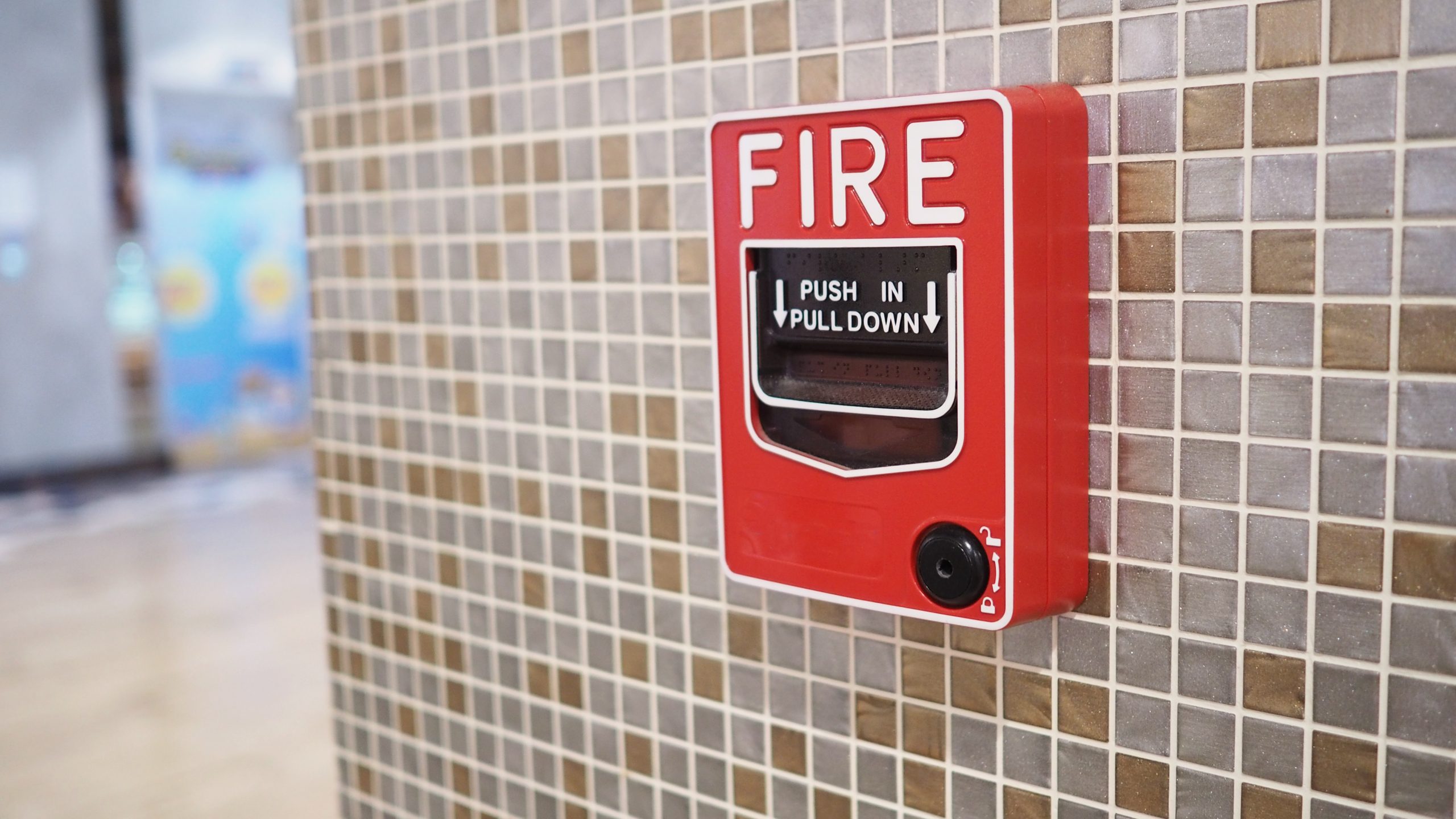
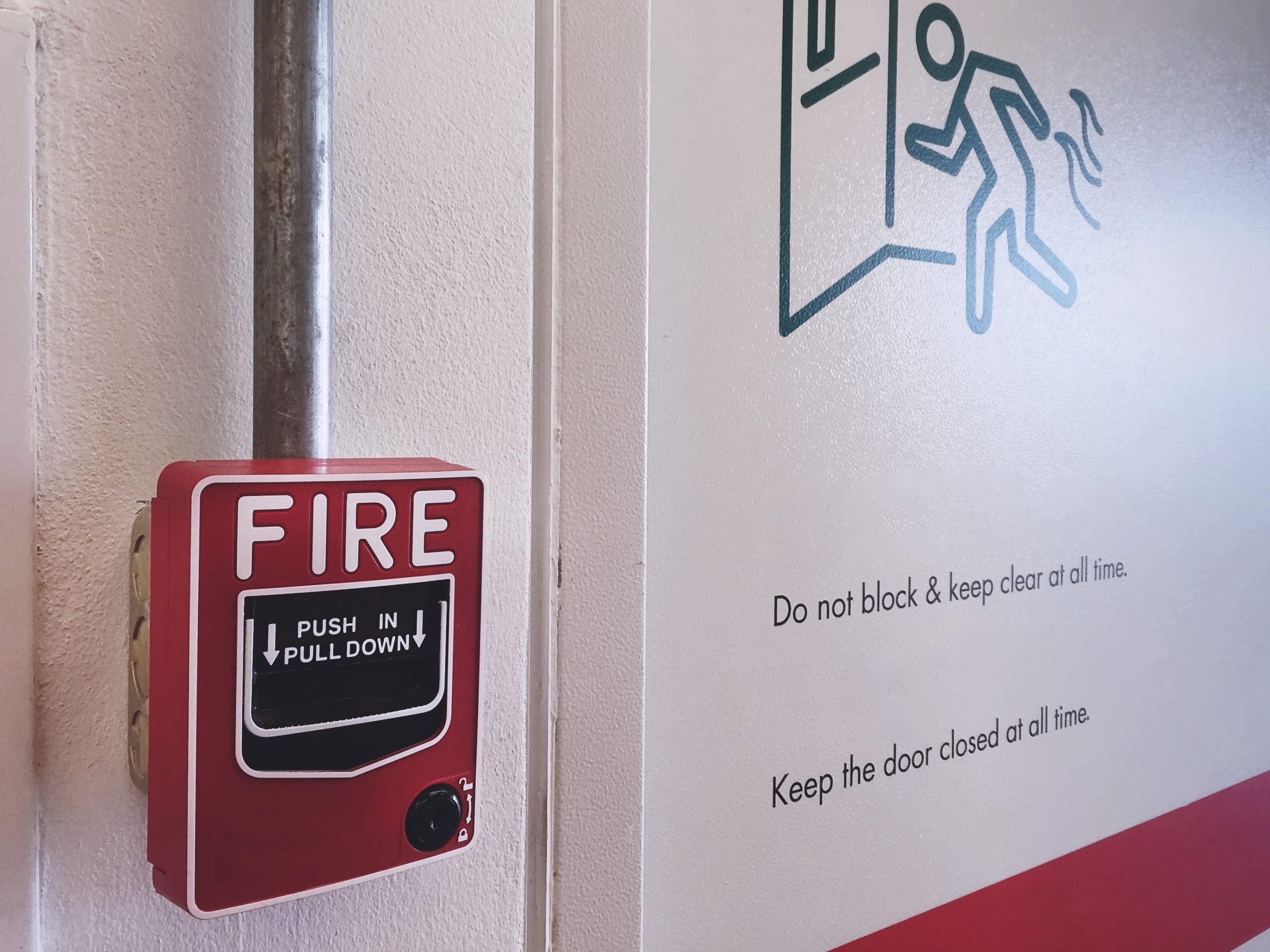
Testing goes deeper. It’s functional verification. The technician activates devices to confirm they actually work. Smoke detectors get tested with aerosol to verify they detect smoke at the correct sensitivity. Manual pull stations get activated to ensure they send signals to the control panel. Notification devices are triggered to confirm they produce adequate sound levels and visual alerts throughout your building.
Both are required by NFPA 72, but at different intervals. And both serve different purposes in keeping your system reliable.
Fire Alarm Testing Requirements Under NFPA 72
NFPA 72 is the National Fire Alarm and Signaling Code. It’s the standard that dictates how often your fire alarm system needs to be inspected and tested. Most jurisdictions, including Nassau County, have adopted NFPA 72 as the baseline requirement.
Here’s what NFPA 72 actually requires. Weekly visual inspections of control equipment for systems not monitored for alarm, supervisory, and trouble signals. Monthly inspections of batteries and visual checks on devices like smoke detectors, heat detectors, and notification appliances. Semi-annual testing of flow switches, tamper switches, and backup batteries. Annual comprehensive testing of the entire system, including all initiating devices, notification devices, control panels, and communication pathways to monitoring centers.
The annual test is the big one. It’s where every component gets activated and verified. Smoke detectors are tested for proper operation and sensitivity. Heat detectors are checked with heat sources. Manual pull stations are activated. Notification devices are triggered to measure sound levels and visual performance. The control panel is tested to confirm it receives signals correctly and activates the appropriate responses.
Nassau County’s Fire Prevention Ordinance may impose additional requirements beyond NFPA 72 minimums, depending on your building type and occupancy. That’s why working with a provider who understands local codes matters. You’re not just meeting national standards. You’re meeting what the Nassau County Fire Marshal expects to see when they show up.
After every annual inspection and test, NFPA 72 requires a certified technician to complete a detailed report. That report documents all deficiencies, corrections, and test results. It’s not optional. It’s the proof you need when your insurance company asks, when the Fire Marshal requests records, or when you’re trying to demonstrate compliance during an audit.
Annual Fire Alarm Testing vs Semi-Annual Inspections
Annual and semi-annual aren’t interchangeable. They cover different scopes and serve different purposes.
Annual fire alarm testing is comprehensive. It’s a full functional test of your entire system. Every smoke detector, every heat detector, every manual pull station, every notification device, and every connection to your monitoring service gets tested. The technician verifies that when a smoke detector activates, the control panel receives the signal, processes it correctly, triggers the right notification devices, and sends an alert to your monitoring center or fire department. It’s end-to-end verification that your system works as designed.
Semi-annual inspections are quicker and more focused. They typically include visual inspections of initiating and notification devices, plus functional testing of specific components like flow switches, tamper switches, and backup batteries. These are the components that interact with your sprinkler system and need regular verification to ensure integration works correctly.
The duration difference is significant. For a small to medium commercial building with a basic fire alarm system, an annual test might take half a day. Larger buildings with hundreds of devices can take multiple days or even weeks, especially if the system is complex or integrated with other building systems.
Semi-annual inspections are faster because they’re not testing every single device. They’re checking critical components and confirming that nothing has changed since the last full annual test. Think of it as a mid-year checkup to catch issues before they become problems.
Some buildings only need annual testing. Others require semi-annual or even quarterly checks depending on occupancy type, system complexity, and local AHJ requirements. Healthcare facilities, high-rise buildings, and properties with complex integrated systems often face more frequent inspection schedules.
How Much Does Fire Alarm Testing Cost
Cost depends on what you’re testing and how complex your system is.
Small commercial properties with basic fire alarm systems usually pay between $300 and $1,000 for annual inspections. That’s for a straightforward setup with smoke detectors, pull stations, and notification devices. If you’ve got around 50 devices including audio visuals, alarm pull stations, smoke detectors, duct detectors, and heat detectors, expect to land somewhere in the $500 to $1,000 range.
Larger facilities with 500 or more devices can run $7,000 to $8,000 for a comprehensive annual inspection. Buildings with specialized detection devices like VESDA systems, infrared detectors, gas detectors, or beam detectors take longer to test because they require specific testing equipment and protocols.
What Affects Fire Alarm Testing Cost
Several factors drive the price up or down.
Number of devices is the most obvious one. More devices mean more time to test, and time is what you’re paying for. A building with 20 smoke detectors takes far less time than one with 200.
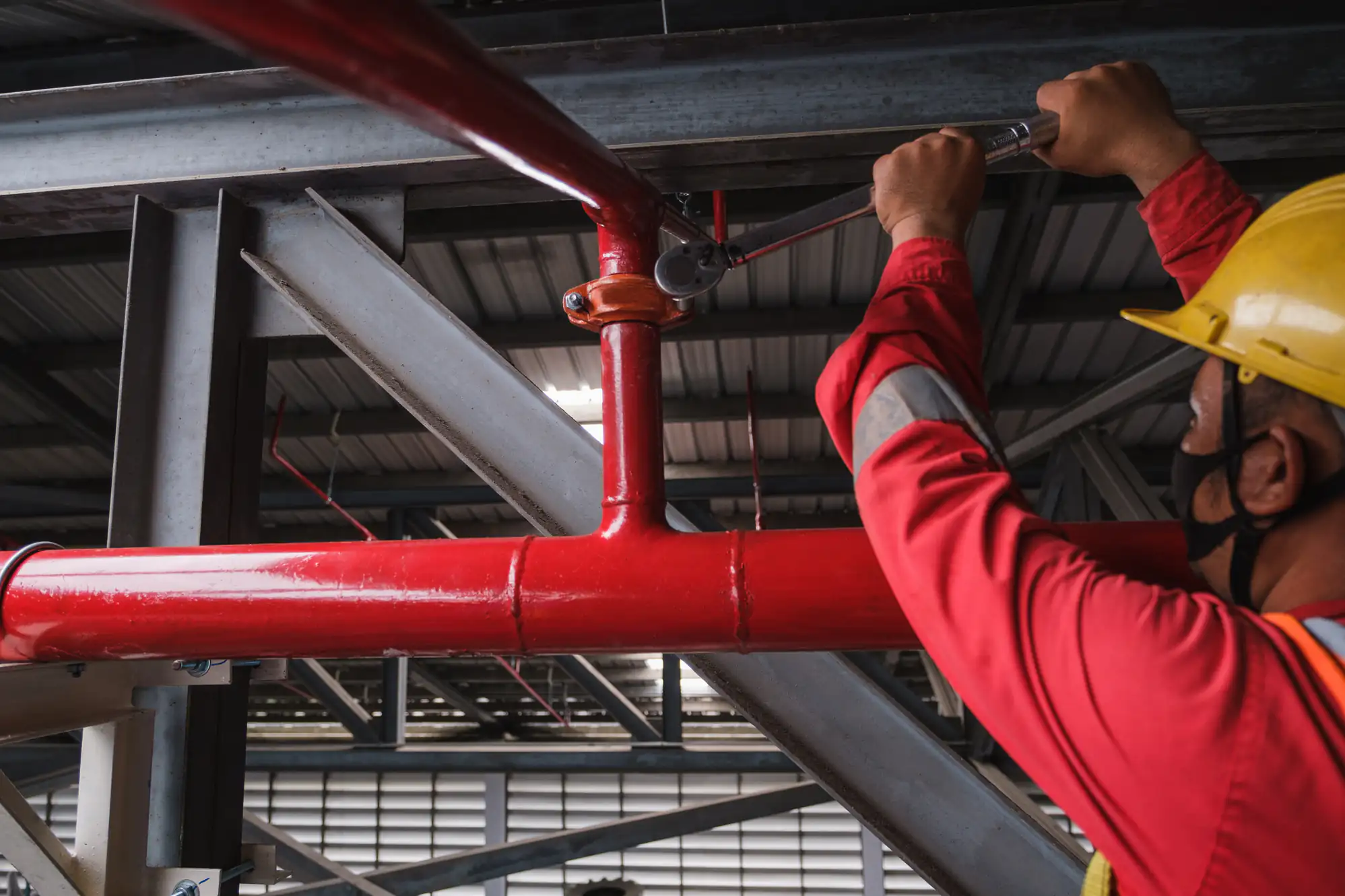
System complexity matters. If your fire alarm system is integrated with your sprinkler system, you’re adding waterflow switches, tamper switches, and supervisory devices to the testing scope. That typically adds 20% to 30% to the base cost. Integration with building automation systems, HVAC controls, elevator recall systems, or security systems adds more complexity and more testing time.
Device accessibility impacts cost too. If your smoke detectors are in high ceilings requiring scissor lifts or specialized equipment, expect to pay for that equipment rental and the additional time it takes to access those devices. Buildings with devices in hard-to-reach locations can see costs increase by 10% to 15%.
Facility type and scheduling constraints also play a role. Healthcare facilities, manufacturing plants, and 24/7 operations often require after-hours testing to minimize disruption. After-hours work typically comes with premium rates depending on the provider and the timing.
Missing or broken devices increase costs. If the technician shows up and finds devices that are damaged, missing, or non-functional, you’re looking at additional service calls for repairs or replacements. That’s why regular maintenance between annual tests helps keep costs predictable.
The good news is that fire alarm testing costs are a fraction of what you’d pay for violation fines, emergency repairs, or fire damage. Most property owners find that investing in regular professional testing actually reduces overall fire protection costs by catching issues early before they require emergency service.
Monthly vs Annual Fire Alarm Testing
Monthly and annual testing aren’t competing options. They’re both required, but for different components.
Monthly inspections are typically visual checks that your own trained staff can perform. NFPA 72 requires monthly visual inspections of control equipment, batteries, and devices to confirm they’re in place, unobstructed, and free of obvious damage. You’re checking that control panels display proper status, batteries show no signs of corrosion or leakage, and smoke detectors haven’t been painted over, covered, or removed.
These monthly checks don’t require activating devices or performing functional tests. They’re quick walkthroughs to catch obvious problems before they become emergencies. Many property owners assign facility maintenance staff to handle monthly inspections using a simple checklist.
Annual testing is where professionals come in. This is the comprehensive functional test that requires certified technicians with the right equipment and training. Every device gets activated. Every connection gets verified. Every component gets documented.
You can’t skip the annual test and rely on monthly inspections. Monthly checks catch visible problems. Annual testing catches functional failures that aren’t visible. A smoke detector might look fine during a monthly inspection but fail to detect smoke at the correct sensitivity during annual testing. A notification device might appear undamaged but fail to produce adequate sound levels when tested.
The frequency requirements exist because fire alarm systems degrade over time. Dust accumulates in smoke detectors. Batteries lose capacity. Connections corrode. Environmental factors like temperature and humidity affect sensor sensitivity. Without regular functional testing, these issues go undetected until the system fails during an actual fire.
Some jurisdictions and some building types require quarterly or semi-annual functional testing in addition to annual tests. High-occupancy buildings, healthcare facilities, and properties with complex systems often face more stringent testing schedules. Your local Authority Having Jurisdiction determines what’s required for your specific building.
Getting Fire Alarm Inspection Right in Nassau County
Fire alarm inspection and testing requirements aren’t suggestions. They’re legal obligations backed by NFPA 72, Nassau County Fire Prevention Ordinance, and your insurance policy. Understanding the difference between inspection and testing, knowing what frequency applies to your building, and budgeting appropriately keeps you compliant and protected.
The cost of regular professional testing is manageable compared to the alternatives. Violations, fines, insurance complications, and system failures all cost more than doing it right the first time. Working with certified technicians who understand both NFPA standards and Nassau County requirements ensures you’re meeting all obligations without paying for services you don’t need.
If you’re not sure when your last inspection was, what’s required for your building type, or whether your current provider is meeting all the requirements, it’s time to get answers. We serve property owners throughout Nassau County with comprehensive fire alarm inspection and testing services designed to keep your building safe and compliant.