Summary:
Here’s a situation that comes up more often than it should: a facility manager gets a violation notice from the Nassau County Fire Marshal, calls a contractor, and the first question they’re asked is, “What kind of system do you have?” And they don’t know. Not because they’re careless — but because nobody ever explained it to them, and it never seemed to matter until now.
It matters a lot. The type of detectors in your building determines what maintenance is actually required, what testing intervals apply under NFPA 72, and what a legitimate maintenance visit should cover. If you don’t know what you have, you can’t know whether it’s being properly maintained.
Different Types of Fire Detectors — And Why the Distinction Matters for Maintenance
Fire detectors are not interchangeable. A smoke detector, a heat detector, and a duct detector each work differently, fail differently, and require different maintenance protocols. Treating them all the same is one of the most common reasons buildings throughout Nassau County end up with systems that look maintained on paper but aren’t actually reliable in a fire.
Smoke detectors are the most common type in commercial buildings, but even within that category there’s an important split. Photoelectric detectors use a light beam to sense smoke particles — they’re generally better at detecting slow, smoldering fires. Ionization detectors use a small electrical current that smoke disrupts — they tend to respond faster to fast-flaming fires. Both are subject to sensitivity drift over time, which is why NFPA 72 requires sensitivity testing within the first year of installation and every two years after that.
If your maintenance contract doesn’t include sensitivity testing, it’s not a complete contract. This is one of the first things we check when we’re brought in to audit an existing maintenance program.
Heat Detectors, Duct Detectors, and Multi-Sensor Devices: What Each One Needs
Heat detectors don’t sense smoke at all — they respond to temperature. There are two main types. Fixed-temperature detectors trigger when the air around them hits a set threshold, typically 135°F or 194°F depending on the environment. Rate-of-rise detectors trigger when the temperature climbs unusually fast, even if it hasn’t hit the fixed threshold yet.
These are common in kitchens, mechanical rooms, and storage areas where smoke detectors would produce too many false alarms from steam, dust, or exhaust. Maintenance for heat detectors focuses on physical condition, connection integrity, and — for certain types — functional testing to confirm the trigger mechanism still works correctly.
Duct smoke detectors are a category many building owners don’t think about until something goes wrong. These devices sit inside HVAC ductwork and are designed to shut down air handling units when smoke is detected, preventing a fire from spreading through the ventilation system. Because they’re hidden inside the ductwork, they’re easy to overlook during routine walkthroughs — and they’re frequently missed in incomplete maintenance visits.
Nassau County commercial buildings with central HVAC systems almost always have these, and they require their own inspection and testing protocol separate from the ceiling-mounted detectors. We’ve found duct detectors in violation during Nassau County Fire Marshal inspections simply because the previous contractor didn’t know they were there.
Multi-sensor detectors combine two or more detection technologies — typically photoelectric and heat, or photoelectric and carbon monoxide — in a single unit. They’re increasingly common in newer commercial installations because they reduce false alarms while improving detection accuracy. The maintenance requirement here is more involved, because you’re effectively testing multiple sensing elements in one device.
If a technician isn’t aware they’re looking at a multi-sensor unit, they may test only one modality and miss a failure in the other. Carbon monoxide detectors round out the picture. While not a fire detector in the traditional sense, NFPA 72’s 2025 update expanded CO detection requirements, and many Nassau County commercial occupancies now require them as part of the life safety system. They have a defined service life — typically five to seven years — and replacement on schedule is a maintenance requirement, not an optional upgrade.
What Addressable Fire Alarm Wiring Means for Your Maintenance Visits
The wiring architecture of your fire alarm system changes what a maintenance visit can accomplish — and how quickly a problem can be found. In an addressable system, every single detector has its own unique digital address. When a device goes into alarm or fault, the control panel identifies exactly which device is affected, down to its specific location in the building. That means a technician can walk directly to the problem rather than tracing zones.
Addressable fire alarm wiring also enables a level of self-monitoring that conventional systems can’t match. The panel communicates with each device continuously, checking for drift, contamination, and communication failures. NFPA 72 recognizes this — buildings with addressable systems that generate and document weekly automated self-check reports may qualify for reduced visual inspection frequency. That’s a real operational benefit for large commercial properties in Nassau County where a full visual walkthrough of every detector is a significant time investment.
But here’s what often gets misunderstood: addressable systems still require physical maintenance. Sensitivity testing is still required on NFPA 72 schedules. Battery backup systems still need to be tested. Physical device condition still needs to be verified. The self-monitoring capability reduces some of the manual inspection burden, but it doesn’t replace the technician. And it definitely doesn’t replace documentation — the Nassau County Fire Marshal can request your inspection records at any time, and those records need to reflect actual work performed, not just automated system logs.
For buildings running older conventional systems — which are still common throughout Nassau County’s legacy commercial building stock — the maintenance picture is different. Conventional systems work on zones rather than individual devices. If a detector in a zone triggers, the panel tells you which zone is affected, not which specific device. That makes fault-finding slower and more labor-intensive. It also means that a detector quietly failing in a multi-device zone may not produce a visible fault until the problem is significant. More frequent manual inspection is the practical response to that limitation.
Fire Detection System Categories: How Nassau County Buildings Are Actually Classified
When fire protection professionals talk about fire detection system categories, they’re referring to the functional organization of the system — what it detects, how it communicates, and what it’s designed to protect. For Nassau County building owners, understanding these categories helps clarify what your maintenance obligations actually are and why they differ from building to building.
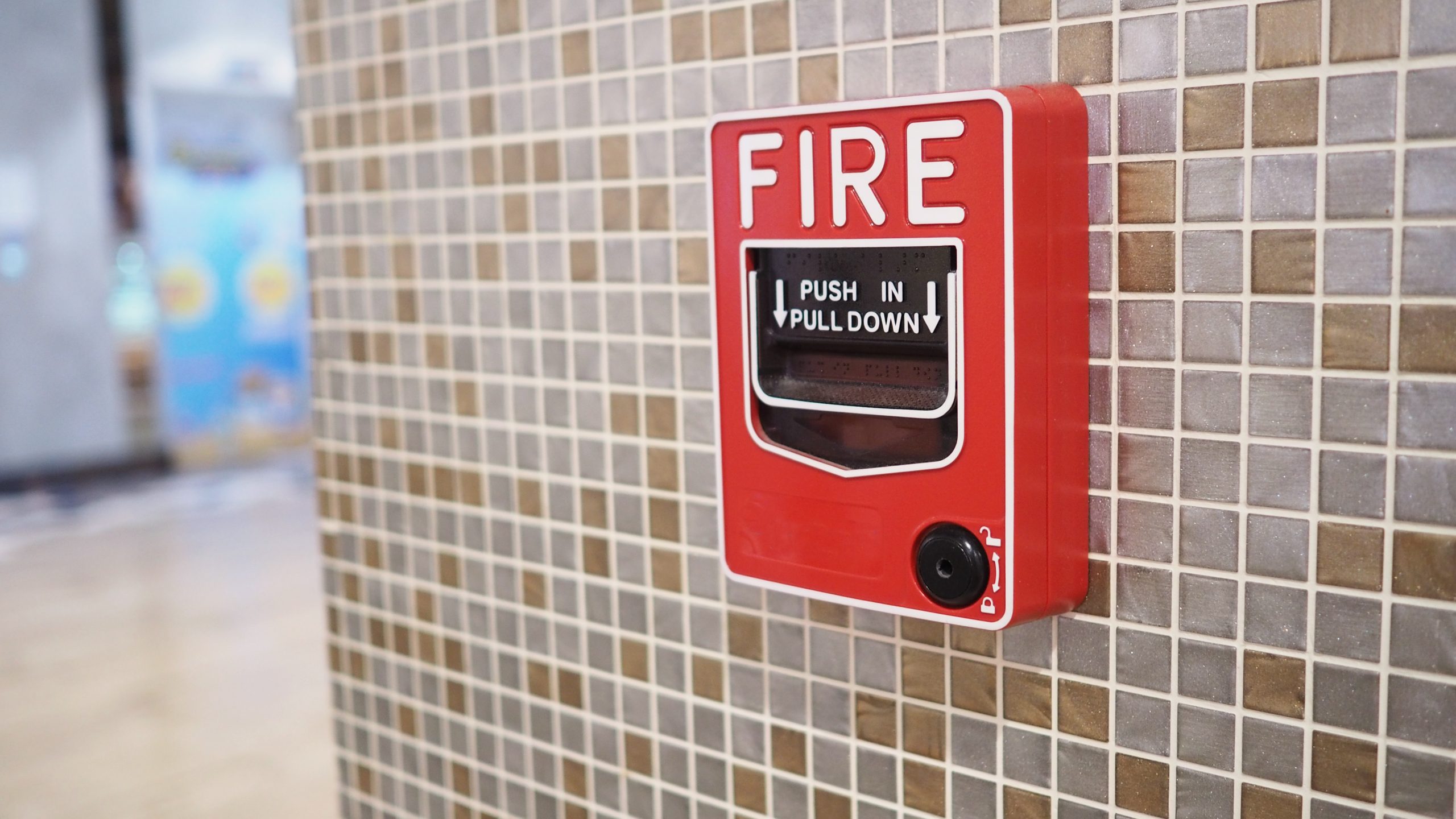
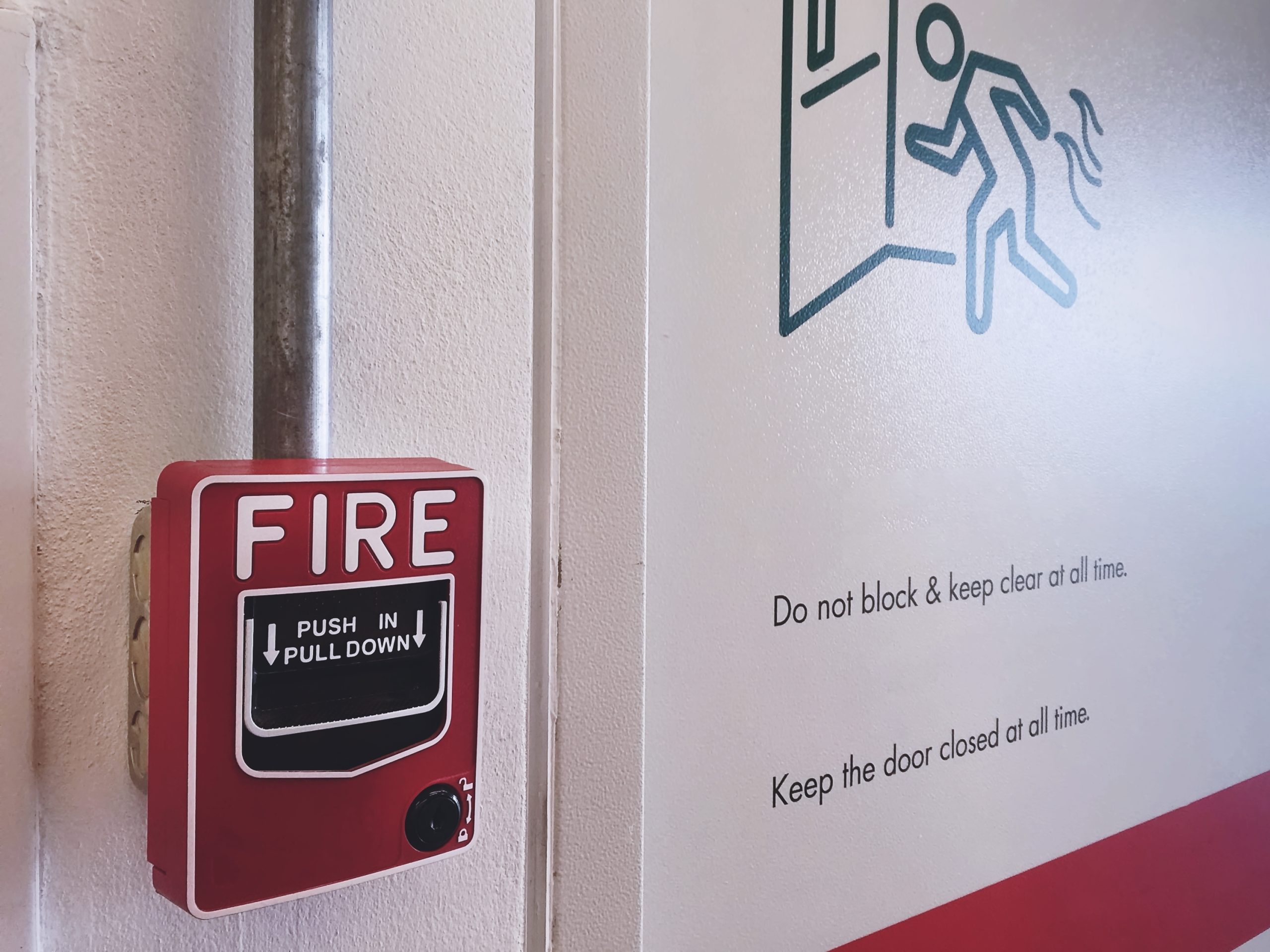
The broadest split is between automatic detection systems and manual systems. Most commercial buildings have both — automatic detectors throughout the building and manual pull stations at exits and stairwells. Both components need to be maintained, and both are tested under NFPA 72. A maintenance visit that only addresses the automatic detectors and skips pull station testing is incomplete.
Beyond that, systems are categorized by occupancy type, which affects everything from detector placement requirements to inspection frequency. A restaurant, a medical office, a multi-tenant retail building, and a warehouse all have different fire detection requirements under Nassau County’s enforcement framework — and a contractor who treats them all the same isn’t doing the job correctly.
The 2 Types of Fire Alarm Systems You'll Encounter in Commercial Buildings
If you’ve ever tried to research your building’s fire alarm system and ended up more confused than when you started, you’re not alone. The terminology gets technical fast. But for the purposes of maintenance, the most important distinction is straightforward: is your system addressable or conventional?
A conventional fire alarm system divides the building into zones, and each zone is a circuit that connects multiple detectors. When any detector on that circuit activates, the panel registers an alarm in that zone. You know something triggered in the east wing — but not which specific device. These systems are simpler and less expensive to install, which is why they’re common in older Nassau County commercial buildings that were built or renovated before addressable technology became the standard.
The trade-off is that maintenance and troubleshooting are more manual. Finding a single faulty detector in a zone with a dozen devices takes time. An addressable system assigns a unique identifier to every device on the network. The control panel knows not just that something triggered, but exactly where. For a facility manager dealing with a false alarm at 7 AM before the building opens, that difference is enormous — a technician can identify and address the specific device in minutes rather than spending an hour tracing a zone.
Addressable systems also give you more granular maintenance data. Because each device reports its own status, the system can flag a detector that’s accumulating contamination or showing sensitivity drift before it becomes a false alarm or a missed detection event. The practical question for maintenance is: do you know which type you have? If you inherited the building, took over a lease, or have simply never been walked through the system, there’s a real chance you don’t. That’s not unusual — but it does mean your maintenance provider should be identifying this as part of their initial assessment, not assuming you already know.
What Nassau County's Enforcement Environment Means for Your Maintenance Schedule
Nassau County is not a lenient enforcement environment. The Nassau County Fire Marshal has the authority to inspect your fire alarm records at any time — not just during a scheduled annual inspection. Individual inspection records must be available for review, and violations can result in fines up to $5,000 per offense. When a violation notice is issued, the clock moves fast: hearings can be required within three business days of a written request.
If you’re waiting until your annual inspection date to address a known issue, you may already be behind. This enforcement reality changes how you should think about maintenance scheduling. For most Nassau County commercial properties, the minimum NFPA 72 requirements are the floor, not the ceiling. A building with an older conventional system, high occupancy, or a history of false alarms should be on a more proactive maintenance schedule — not because the code demands it, but because the alternative is a violation notice that requires emergency corrective action on a timeline that doesn’t leave room for finding the right contractor.
The Nassau County commercial building stock also creates specific maintenance challenges. Many properties in Mineola, Hempstead, Garden City, and surrounding areas are operating systems installed in the 1980s and 1990s. Some of those systems are no longer supported by their original manufacturers. When a component fails on an unsupported legacy system, the path to compliance is more complicated — and it almost always requires a contractor who can produce the approved design drawings that Nassau County requires before any significant modification to a fire protection system.
Long Island’s coastal climate adds another layer. The humidity levels that come with proximity to the Atlantic and Long Island Sound accelerate corrosion in detector components and wiring connections. Construction activity — even work unrelated to the fire system — can contaminate smoke detectors with dust and require recalibration. These aren’t hypothetical concerns; they’re the routine maintenance realities of operating a commercial building in Nassau County.
Fire Alarm Maintenance in Nassau County: Where to Go From Here
The core takeaway is simple: you can’t maintain what you don’t understand. Knowing whether your building has addressable or conventional systems, what types of detectors are installed, and what each one requires under NFPA 72 isn’t just useful background knowledge — it’s the foundation of any maintenance program that will actually hold up under Nassau County scrutiny.
If you’re not sure what you have, or you’ve received a violation notice and need to move quickly, the right first step is a system assessment from a contractor who knows Nassau County’s requirements from the inside out. We hold Nassau County licenses 2019AEL75352 and PEL000000259, employ NICET-certified technicians, and are approved by both the Nassau County Fire Marshal and FDNY.
We can walk you through what’s actually running in your building, what it takes to keep it compliant, and what your maintenance obligations really are. Reach out to Island Fire & Defense Systems directly — we’re here to answer your questions.