
Explore firsthand accounts of our exceptional service and dedication to safety through the glowing testimonials from our satisfied clients.
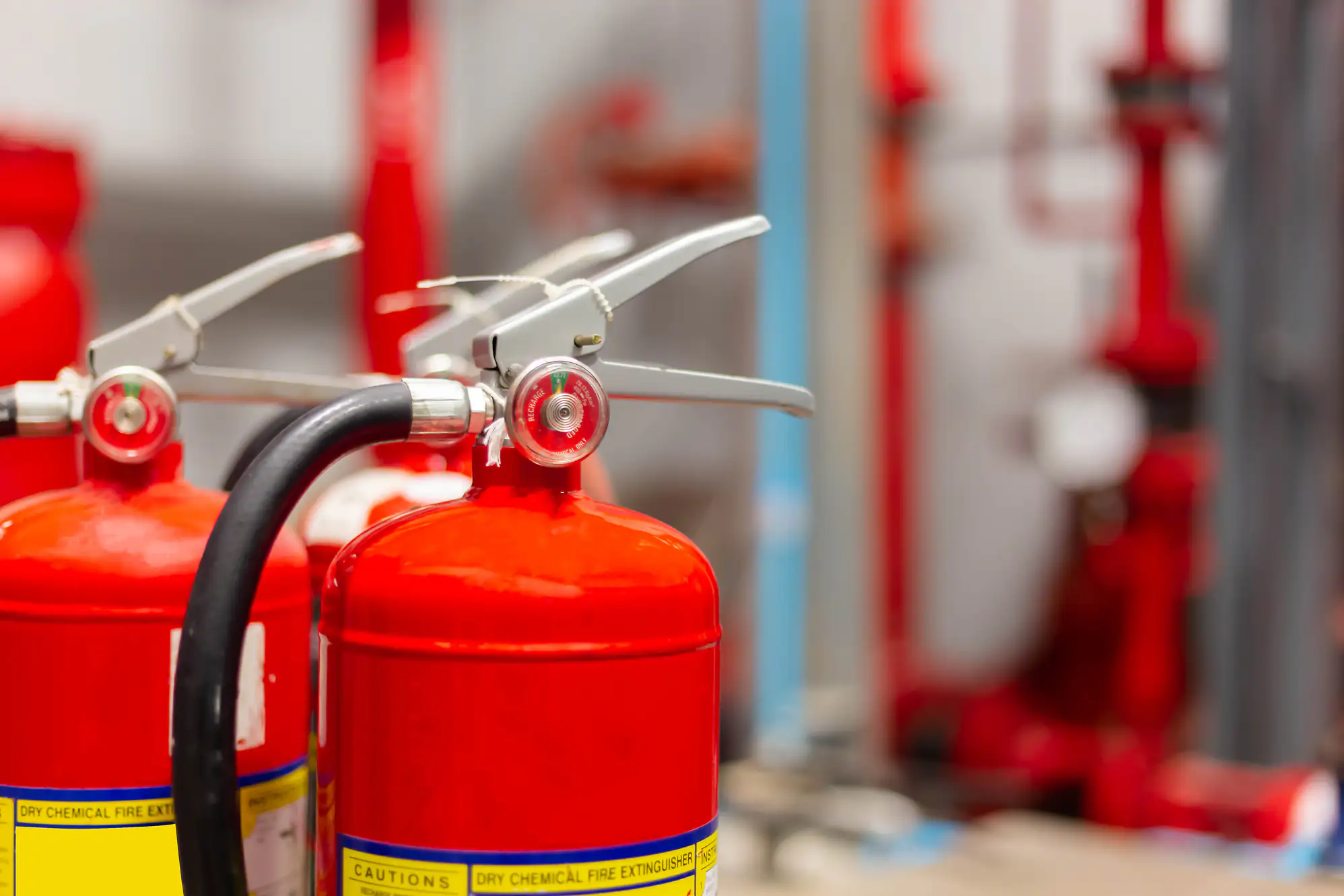
When your fire alarm system is installed correctly, you’re not just checking a box. You’re protecting your investment, your people, and your ability to operate without interruption.
A proper fire detection system gives you early warning before a small problem becomes a total loss. It keeps your insurance premiums lower and your liability exposure manageable. And when inspections come around, you pass without the panic or the fines.
You also get peace of mind knowing that if something does happen, the system will alert the right people immediately. No guessing. No delays. Just fast, reliable detection that does exactly what it’s supposed to do when seconds count.
We hold NYS License #12000325006, Suffolk County License 180, and Nassau County licenses. We’re NICET certified, MBE certified, and a Notifier by Honeywell authorized dealer.
We serve East Islip, Bohemia, Hauppauge, Ronkonkoma, Holbrook, and the surrounding Suffolk and Nassau County areas. Our team knows the local fire codes, the inspectors, and what it takes to pass without hassle.
You’re not working with a national chain that doesn’t know your building or your town. You’re working with a local company that shows up, does the work right, and answers the phone when you call.
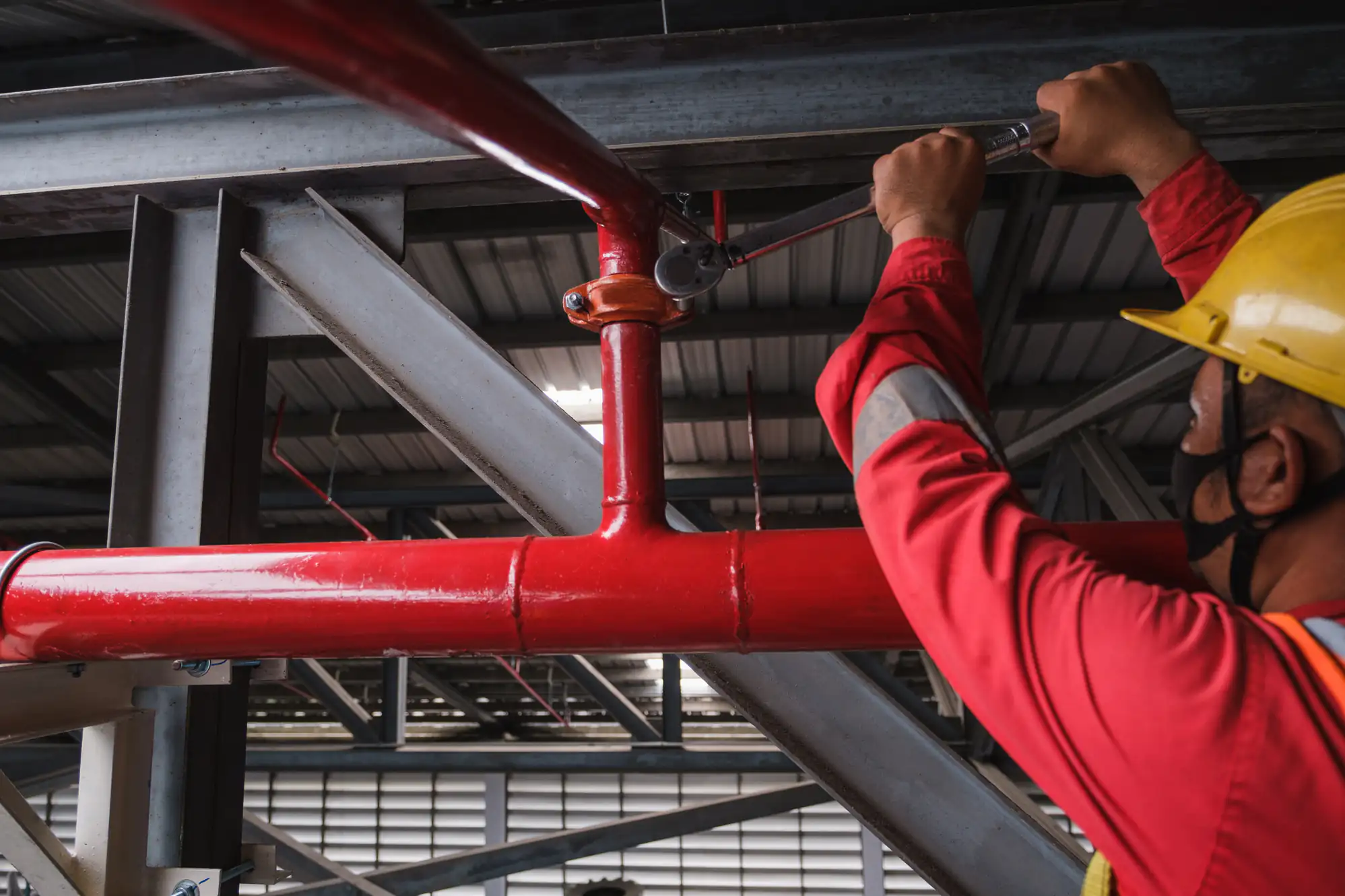
First, we assess your property and review what’s required based on your building type, occupancy, and local fire code. That includes understanding whether you need addressable detection, smoke alarm installation, combo smoke and CO alarm coverage, or a full networked system with monitoring.
Next, we design a system that fits your layout and meets all regulatory requirements. If you’re dealing with a violation or failed inspection, we identify what needs correction and map out a plan to get you compliant fast.
Then we install the system using NICET certified professionals who know how to do it right the first time. We pull permits, coordinate with the fire marshal, and handle the inspections so you don’t have to chase down paperwork or wonder if something was missed.
After installation, we test everything, train your staff if needed, and set up monitoring or maintenance schedules. If you ever need service, violation correction, or an upgrade down the line, we’re already familiar with your system and your building.
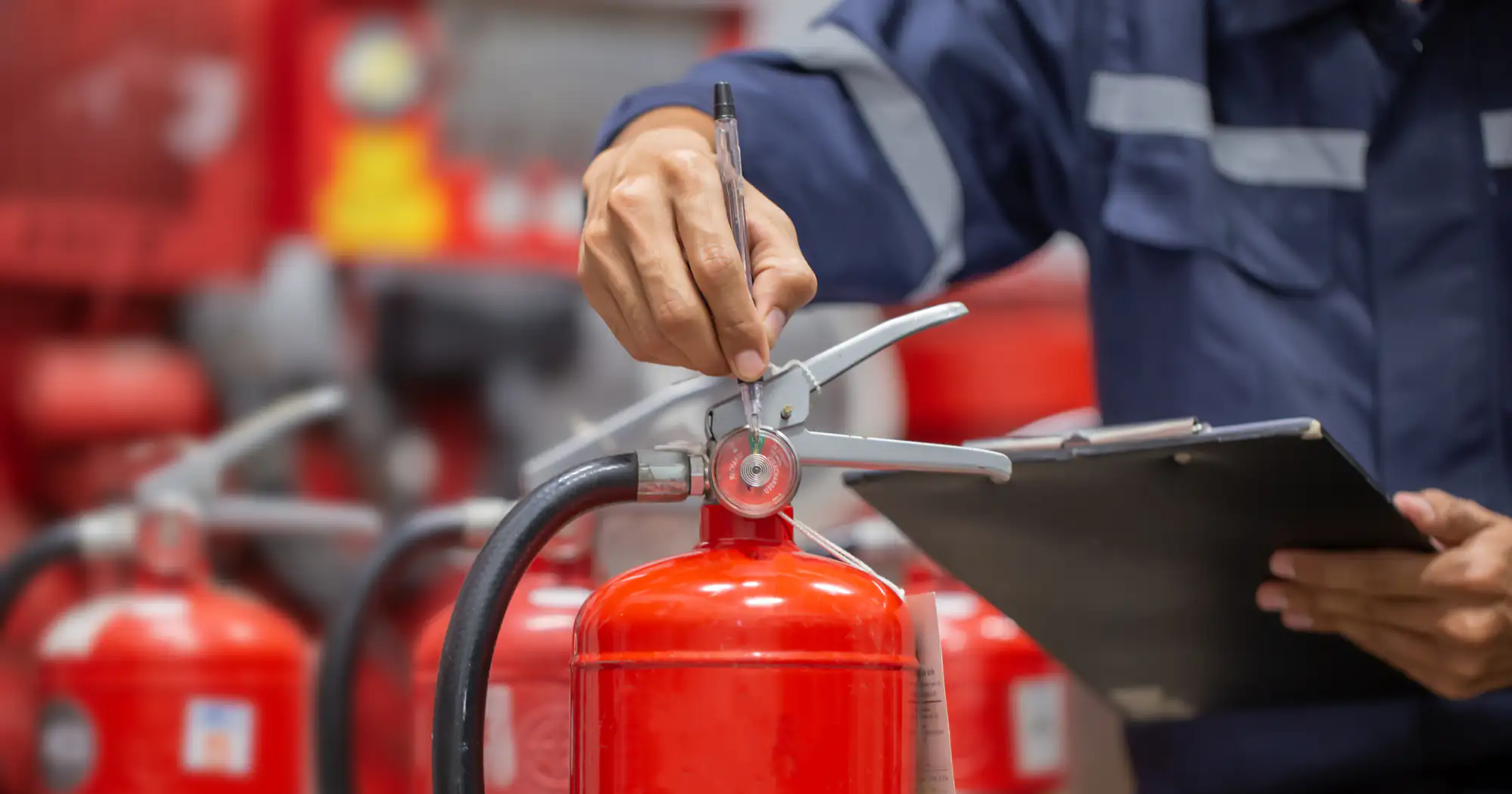
Ready to get started?
A complete fire detection system includes smoke detectors, heat sensors, pull stations, notification devices like strobes and horns, and a control panel that manages everything. Depending on your property, you may also need carbon monoxide detection, especially in residential or mixed-use buildings.
In East Islip and across Long Island, many commercial properties now require BDA systems to ensure emergency responders can communicate inside your building. If you’re in a larger facility, a warehouse, or a multi-story building, this isn’t optional anymore—it’s code.
You’ll also need regular inspections and monitoring to stay compliant. Suffolk County and Nassau County enforce strict fire safety rules, and falling behind on inspections can result in fines that add up fast. A monitored system connects directly to a central station that alerts authorities the moment something triggers, even if no one’s on site.
We also handle smoke alarm replacement and smoke detector replacement for aging systems. If your building has outdated equipment or you’re upgrading from a conventional system to an addressable one, we manage the transition without disrupting your operations.
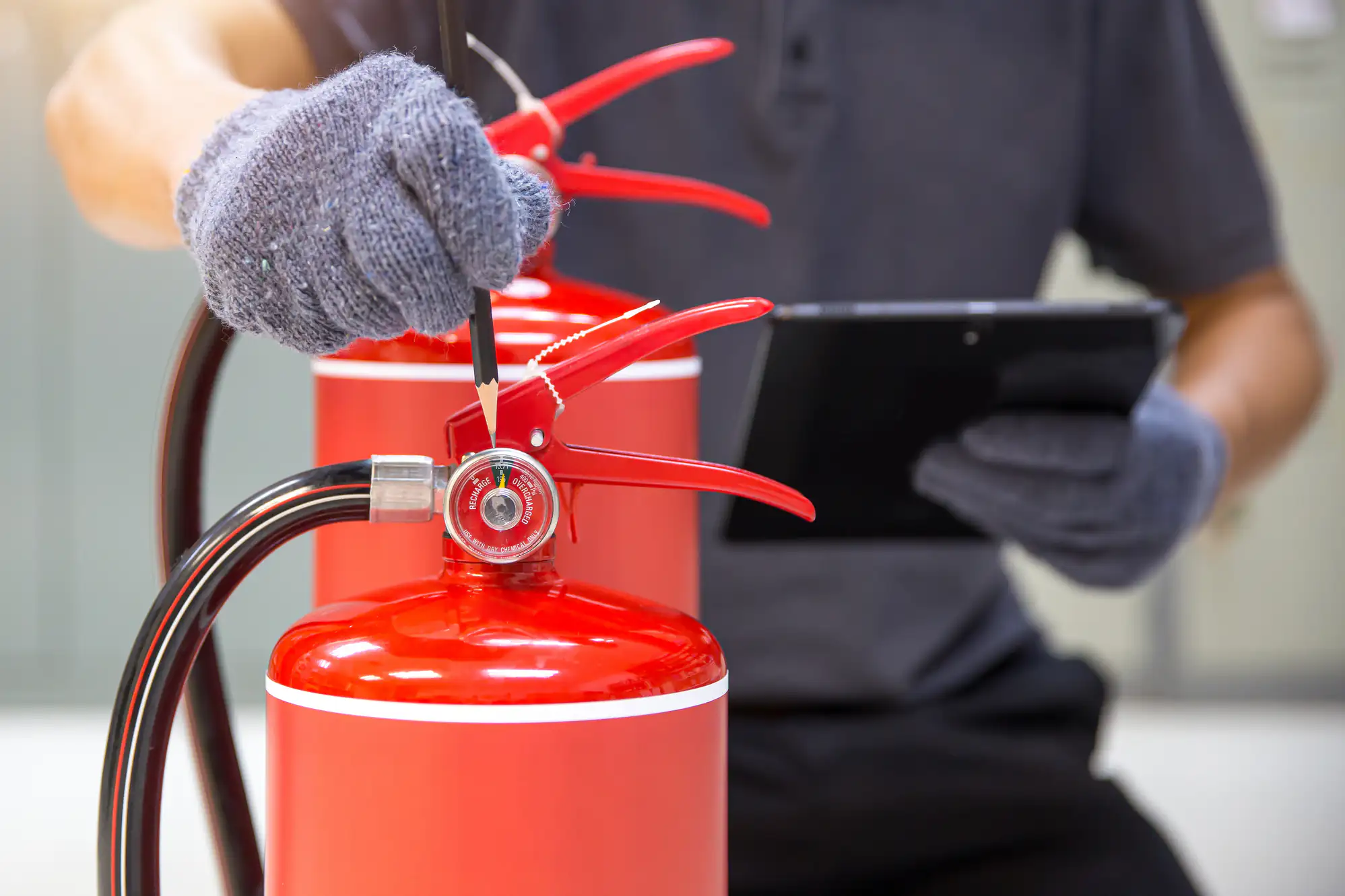
Cost depends on the size of your building, the type of system you need, and whether you’re starting from scratch or upgrading. A small commercial space might run a few thousand dollars for a basic system. Larger buildings with addressable fire alarm systems, multiple zones, and monitoring can run significantly higher.
If you’re adding a BDA system for emergency responder radio communication, that’s a separate cost but often required by code for new construction or major renovations. The good news is that a properly installed system can lower your insurance premiums by 5% to 20%, which offsets some of the upfront investment.
We provide clear estimates after assessing your property. No surprises, no upselling. Just a straightforward breakdown of what you need and what it costs.
Fire alarm violations in Suffolk County usually come from the local fire marshal during an inspection. Common issues include expired certifications, failed tests, outdated equipment, or systems installed by unlicensed contractors.
If you receive a violation notice, you’ll have a deadline to correct it. Missing that deadline can result in fines ranging from hundreds to thousands of dollars, and in some cases, a stop-work order or occupancy restrictions.
We specialize in violation correction services. We’ll assess what triggered the violation, make the necessary repairs or upgrades, coordinate the re-inspection, and get you back in compliance. The faster you address it, the less it costs and the fewer headaches you deal with.
It depends on your building type and occupancy. Most commercial properties, multi-family buildings, and any facility open to the public require a monitored system that connects to a central station. When the alarm triggers, the monitoring company immediately notifies the fire department.
A local alarm just sounds on-site. It’s typically only allowed in smaller, low-occupancy buildings where someone is always present. Even then, many insurance companies won’t give you a discount without monitoring.
Monitored systems also protect you when the building is empty. If a fire starts overnight or on a weekend, you’re not relying on someone happening to notice. The system does its job whether you’re there or not.
New York requires annual inspections for most commercial fire alarm systems. Some components, like smoke detectors and notification devices, need testing more frequently depending on the system type and local requirements.
If you have a monitored system, the monitoring company typically requires regular testing to maintain your contract. And if you’re in a high-occupancy building like a school, hospital, or apartment complex, inspections may be required semi-annually or quarterly.
Skipping inspections doesn’t just risk a violation. It also means you’re operating with a system that might not work when you need it. Detectors fail, batteries die, and connections corrode. Regular inspections catch those issues before they become emergencies.
Sometimes, yes. If your existing system is still functional but outdated, we can often upgrade components like the control panel, add addressable devices, or integrate new detection technology without ripping everything out.
That said, if your system is decades old or uses obsolete equipment, a full replacement is usually the smarter move. Older systems are harder to service, parts become unavailable, and they don’t meet current code requirements.
We’ll assess what you have and give you an honest recommendation. If an upgrade makes sense and saves you money, we’ll tell you. If replacement is the better long-term investment, we’ll explain why. Either way, you’ll know exactly what you’re getting into before any work starts.
A conventional system divides your building into zones. When an alarm triggers, you know which zone it’s in, but not the exact device. That’s fine for smaller buildings, but in larger facilities, it slows down response time because you’re still hunting for the source.
An addressable system assigns a unique address to every device. When something triggers, the control panel tells you exactly which detector or pull station activated. That means faster response, less confusion, and better protection for larger or complex buildings.
Addressable systems also allow for more advanced features like pre-alarm warnings, device-specific sensitivity adjustments, and integration with building automation. They cost more upfront, but for most commercial properties, the benefits are worth it.
Other Services we provide in East Islip