
Explore firsthand accounts of our exceptional service and dedication to safety through the glowing testimonials from our satisfied clients.
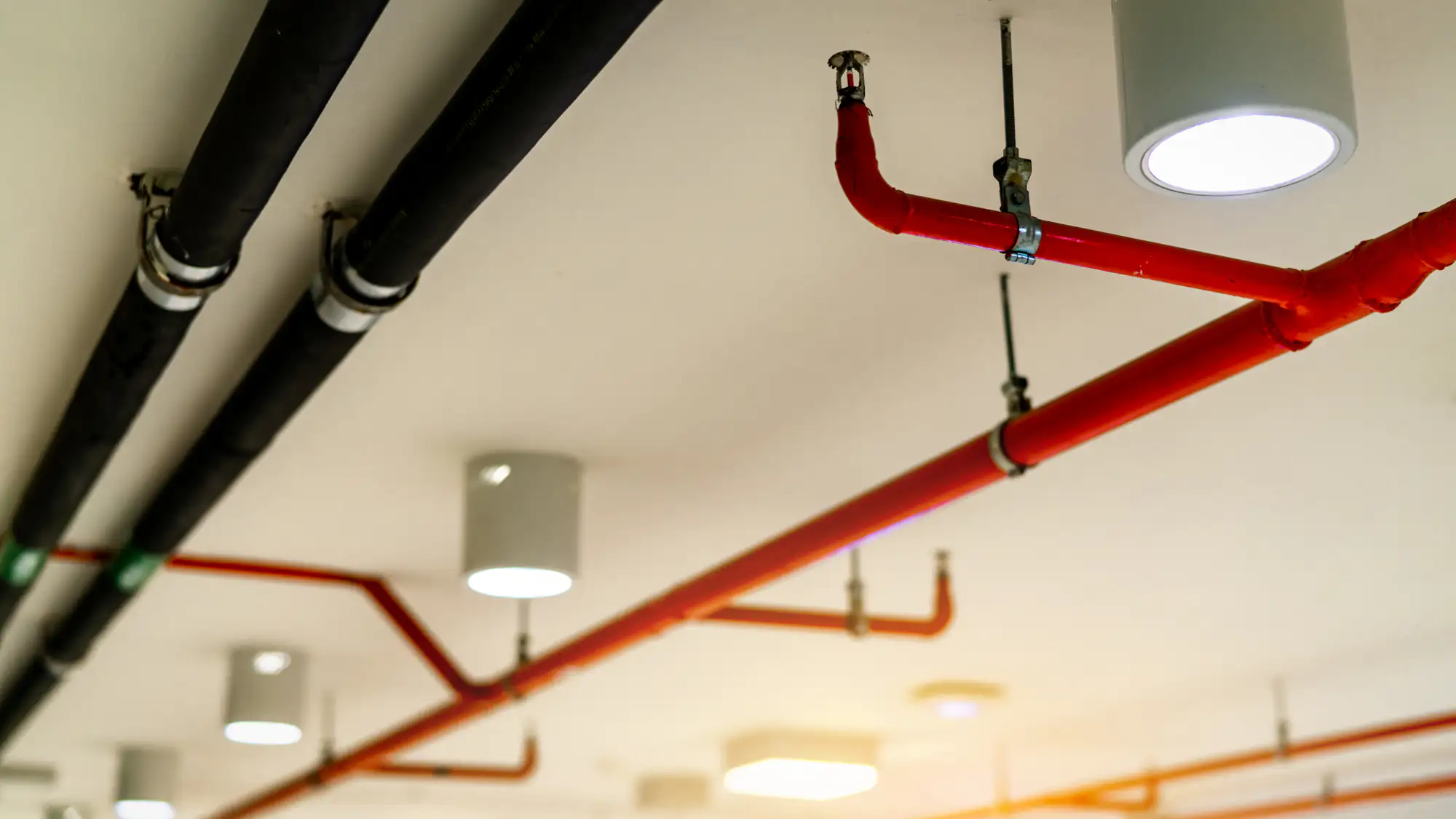
When the fire marshal shows up or your insurance company requests proof of compliance, you’re not scrambling through emails or calling around trying to find paperwork. You have inspection reports, testing logs, and affidavits of correction organized and ready because we handle documentation the way Suffolk County and FDNY actually require it.
Your fire sprinkler system gets tested on schedule. Your fire alarm systems get inspected according to NFPA 25 timelines—monthly, quarterly, semi-annually, annually, whatever your system needs. Your fire pump runs when it’s supposed to. And if something’s not working right, you find out during our inspection, not during an emergency.
You’re not dealing with violations that could have been caught early. You’re not facing insurance claim denials because maintenance records are missing. You’re running your business knowing your fire protection is handled by people who’ve been doing this in East Islip and across Suffolk County long enough to know what actually gets flagged during inspections.
We hold NYS License #12000325006, Nassau County licenses 2019AEL75352 and PEL000000259, and Suffolk County license 180. We’re NICET certified, MBE certified, and we’re authorized Notifier by Honeywell dealers. That’s not marketing language—those are the credentials that matter when you’re dealing with fire code enforcement in East Islip and surrounding areas.
We’re members of the New York Fire Alarm Association because staying current on code changes and industry standards isn’t optional in this line of work. Suffolk County follows codes implemented by local fire departments, most based on various editions of NFPA 25, and those requirements shift. We track them so you don’t have to.
We serve commercial properties, restaurants, warehouses, and high-value residential properties across Suffolk, Nassau, and NYC. East Islip properties face the same compliance requirements as the rest of the county, and we’ve been handling them long enough to know what inspectors look for and what documentation they expect to see.
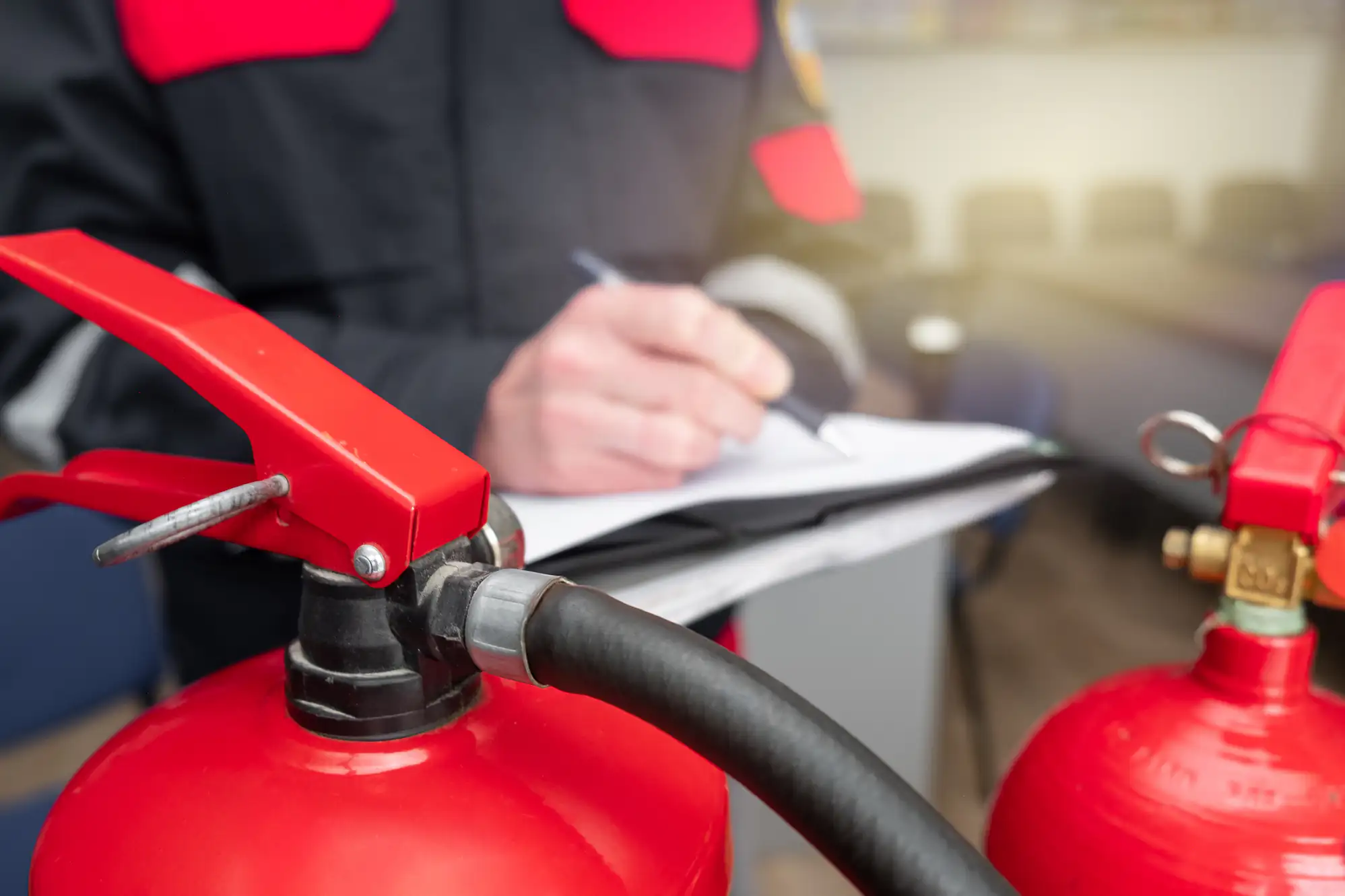
First, we schedule around your operations because shutting down your building for half a day isn’t realistic for most businesses. We show up on time with the equipment needed to test your specific systems—whether that’s a fire sprinkler system, fire alarm, fire pump, or kitchen suppression setup.
We run through the inspection checklist that matches your system type and NFPA 25 requirements. For sprinkler systems, that means checking water flow, pressure, valve operation, and looking for corrosion or damage. For fire alarms, we’re testing notification devices, pull stations, smoke detectors, and control panel functionality. Fire pumps get flow tested and we verify they’re hitting the pressure and volume they’re rated for.
If something’s not working right, you know before we leave. We explain what needs fixing, why it matters for code compliance, and what timeline you’re looking at. If it’s a violation that’s already been issued, we walk you through exactly what’s required to get it corrected and closed out. Then we handle the repair or replacement, retest to confirm it’s working, and provide the documentation you need to submit to the fire marshal or your insurance company.
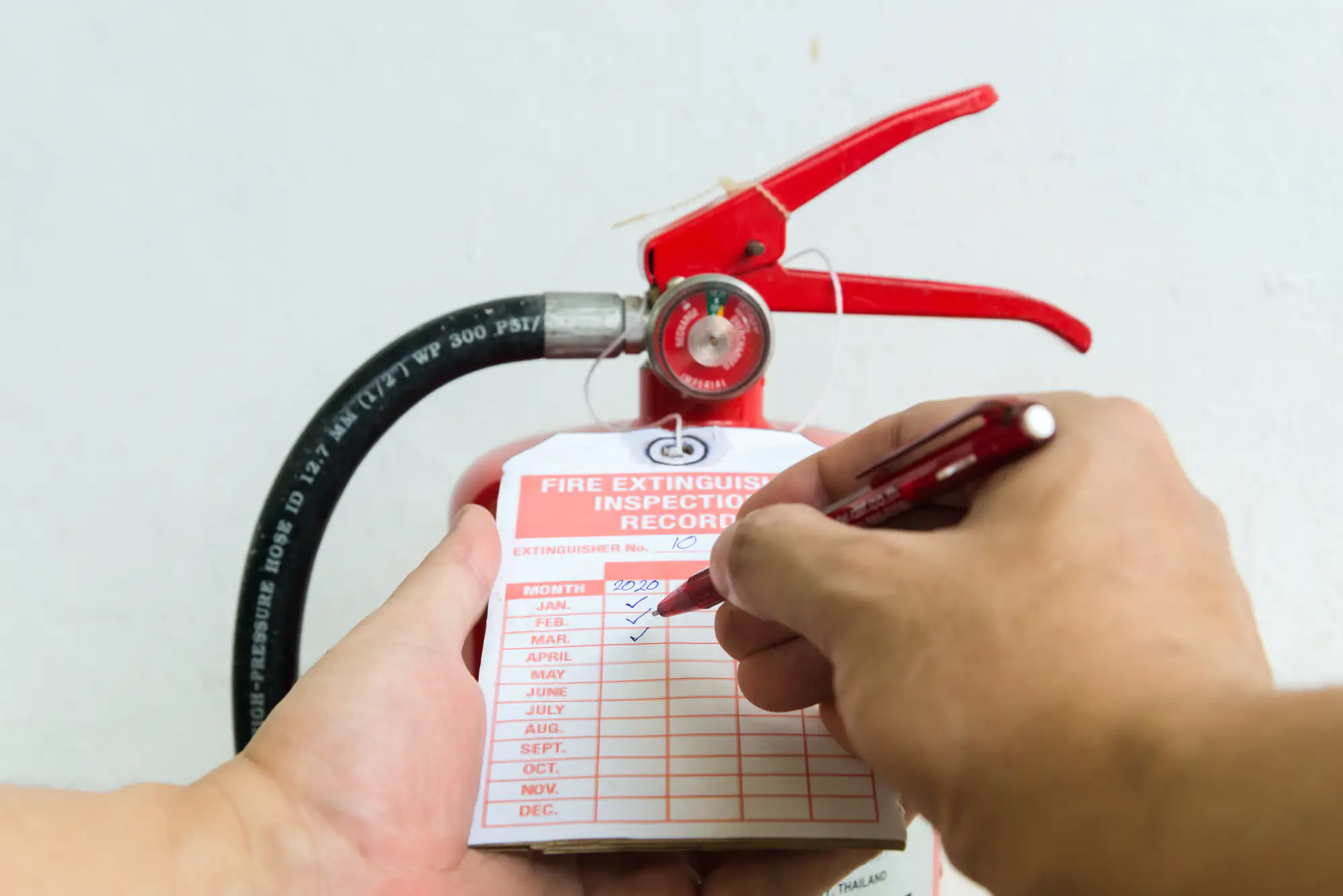
Ready to get started?
Fire protection services in East Islip cover everything from routine NFPA 25 inspections to 24-hour emergency response when a system fails and you need it fixed immediately. We handle fire sprinkler system installation, testing, and maintenance. We install and service fire alarm systems. We test fire pumps to make sure they’re actually going to work when you need them. We install BDA systems—Bi-Directional Amplifier systems that meet fire code requirements for emergency responder radio communications inside buildings.
Kitchen fire suppression systems are a big part of what we do for restaurants in East Islip. These systems have specific inspection requirements under NFPA 96, and if they’re not maintained properly, you’re looking at violations and potential insurance issues. We handle the semi-annual inspections, replace fusible links, check nozzle placement, and make sure your system is actually going to suppress a grease fire if one starts.
Title 24 compliance matters for certain building types, and we know which properties in Suffolk County fall under those requirements. International Building Code and local building code requirements dictate what fire protection systems you need and how they need to be maintained. We’re not just testing equipment—we’re making sure your entire setup meets the codes that apply to your specific property type and occupancy classification. That’s what keeps you compliant when inspectors show up and what keeps your insurance coverage valid if you ever need to file a claim.
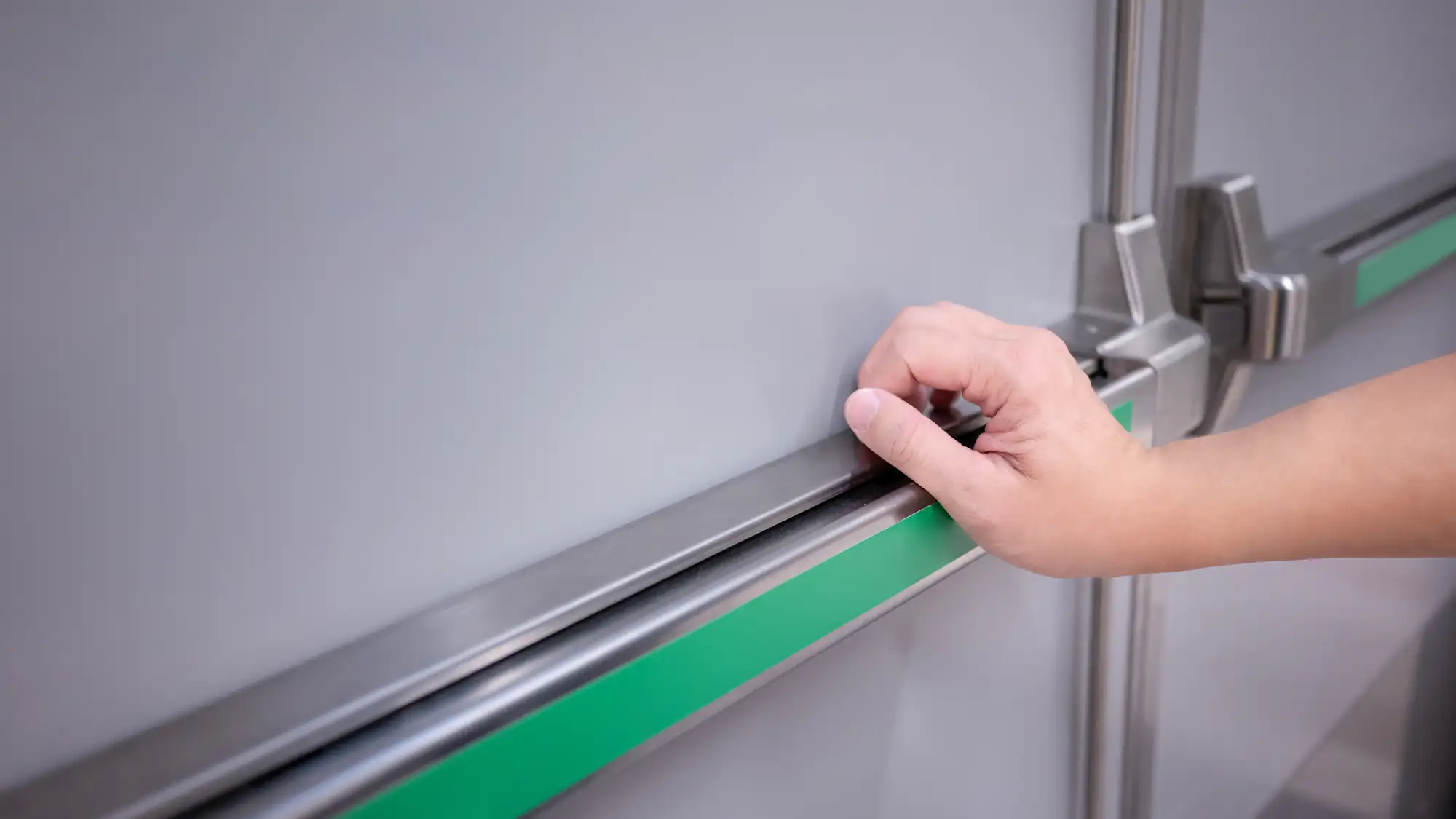
NFPA 25 sets the inspection schedule, and it’s not just one annual visit. You’re looking at monthly checks of your control valves and gauges, quarterly tests of your alarm devices, and annual inspections of the full system including sprinkler heads, piping, and hangers. Every five years, you need internal inspections of your piping to check for corrosion and obstruction.
Most property owners don’t realize there are different inspection frequencies for different components. That’s why violations get issued—someone thinks they’re covered with an annual inspection, but they’re missing the quarterly or monthly requirements. Suffolk County fire departments enforce these timelines, and when they show up for an inspection, they’re checking your logs to make sure you’ve been keeping up with the schedule.
If you’ve got a dry pipe system or a fire pump, the requirements are even more detailed. Fire pumps need weekly churn tests and annual flow tests. Missing any of these creates a gap in your compliance record, and that’s what gets flagged during fire marshal inspections or insurance audits.
You need to understand exactly what the violation is citing, correct the issue, and submit proof of correction to the authority that issued it. That sounds simple, but most violations are written in code language that doesn’t clearly explain what you actually need to do. We read the violation, identify what needs to be fixed, and handle the correction.
Some violations are straightforward—a missing inspection report or a valve that’s not accessible. Others require system repairs or upgrades to meet current code. Once we’ve made the correction, we provide the documentation required for your affidavit of correction. That typically includes photos, test results, and a signed statement from a licensed professional confirming the work was completed properly.
The timeline matters because violations come with deadlines, and missing them means fines that increase the longer you wait. Suffolk County doesn’t mess around with fire code enforcement. If the violation involves a life safety issue, you could be looking at a building shutdown until it’s corrected. We’ve handled violation removals across East Islip and the surrounding area long enough to know what inspectors want to see and how to get violations closed out without dragging the process out for months.
If your building has areas where emergency responder radios don’t work properly, yes. The International Building Code and local fire codes require BDA systems—Bi-Directional Amplifier systems—in buildings where radio signal strength falls below specific thresholds. This usually applies to larger buildings, buildings with heavy construction materials, or buildings with underground areas.
The fire department needs reliable radio communication throughout your entire building during an emergency. If they can’t communicate because your building blocks radio signals, that’s a life safety issue and a code violation. We test radio signal strength throughout your building to determine if you need a BDA system, and if you do, we design and install FCC-certified systems that meet fire code requirements.
A lot of property owners don’t find out they need a BDA system until they’re already facing a violation or until a certificate of occupancy gets held up because the fire marshal tested radio coverage and found dead zones. Getting ahead of this during construction or renovation is a lot easier than retrofitting later. We handle BDA system installation across Suffolk County, and we make sure the system is designed to cover your entire building properly, not just barely meet minimum requirements.
Yes, and you’re better off working with one company that handles both. A lot of property owners end up with one vendor for fire sprinkler system inspections and a different vendor for fire alarm testing. That creates coordination issues, gaps in documentation, and confusion about who’s responsible for what when a violation gets issued.
We’re licensed to install, inspect, and maintain both fire sprinkler systems and fire alarm systems. That means one point of contact, one inspection schedule, and one set of documentation that covers all your fire protection equipment. When your systems are interconnected—like when your sprinkler system triggers your fire alarm—having the same company handle both makes troubleshooting and repairs a lot simpler.
Suffolk County requires that work on fire protection systems is performed by properly licensed contractors. Our NYS license, Nassau County licenses, and Suffolk County license cover the full range of fire protection work. We’re not subcontracting parts of the job out to other companies. We’re handling the inspection, testing, maintenance, and repairs directly with our own NICET-certified technicians who know these systems inside and out.
An inspection is a visual check of your system components—looking for physical damage, checking that devices are mounted properly, verifying that nothing’s been painted over or blocked. Testing means actually activating the system to make sure it works. NFPA 72 requires both, and they happen on different schedules.
Visual inspections happen more frequently—weekly, monthly, or quarterly depending on the component. Testing happens semi-annually or annually for most devices. When we test your fire alarm system, we’re pulling pull stations to make sure they trigger the alarm. We’re using canned smoke to activate smoke detectors. We’re checking that notification devices—horns, strobes, speakers—are loud enough and visible from required distances. We’re verifying that your control panel is communicating with your monitoring company.
A lot of property owners think their system is fine because the panel isn’t showing any trouble signals. But trouble signals only catch certain failures. A smoke detector could be clogged with dust and not respond to smoke, and your panel won’t know until someone actually tests it. That’s why testing is required, not optional. East Islip properties with fire alarm systems need to keep up with both inspection and testing schedules, and we handle both according to the timelines NFPA 72 and Suffolk County require.
They can, and they have. Insurance policies typically require that fire protection systems are maintained according to manufacturer specifications and applicable codes. If you file a claim after a fire and your insurance company finds out your fire sprinkler system hasn’t been inspected in three years, or your fire alarm system wasn’t working because of a maintenance issue you ignored, they can reduce your payout or deny the claim entirely.
We’ve seen cases where property owners lost hundreds of thousands of dollars because they couldn’t prove their systems were properly maintained. NFPA 25 compliance isn’t just about avoiding violations from the fire marshal—it’s about protecting your insurance coverage. Your policy is based on the assumption that your fire protection systems work. If they don’t work because you didn’t maintain them, the insurance company isn’t obligated to cover losses the systems should have prevented or minimized.
Keeping inspection records, testing logs, and maintenance documentation isn’t optional if you want your insurance coverage to hold up under a claim. We provide all the documentation you need, organized the way insurance companies and fire marshals expect to see it. That’s part of fire protection services—not just keeping your systems working, but keeping your proof of compliance current so you’re covered when it matters most.
Other Services we provide in East Islip