Explore firsthand accounts of our exceptional service and dedication to safety through the glowing testimonials from our satisfied clients.
You’re not losing sleep wondering if your fire detection system will fail during an inspection. You’re not scrambling to fix violations before they turn into fines. You’re not dealing with false alarms that disrupt your business and cost you emergency response fees.
Your insurance company sees a properly maintained system and your premiums reflect that. Your local fire marshal sees compliance documentation that’s current and complete. Your employees and tenants see smoke detectors that work, exit routes that are clear, and a building owner who takes safety seriously.
When your fire alarm system is installed right and maintained consistently, you stop reacting to problems and start preventing them. That’s what happens when you work with people who’ve been doing this in Suffolk County long enough to know what actually breaks, what inspectors actually check, and what your property actually needs.
We hold NYS License #12000325006 and Suffolk County License 180. We’re NICET certified, MBE certified, and we’re an authorized Notifier by Honeywell dealer. Those credentials matter because they mean we can legally do the work, and we can do it to the standard that keeps you compliant.
We serve commercial properties throughout Islip and the surrounding areas – Ronkonkoma, Bohemia, Hauppauge, Central Islip, Sayville, Bay Shore, and everywhere in between. We know the local requirements because we work with the local fire marshals. We know what passes inspection in Town of Islip because we’ve been passing those inspections for years.
You’re dealing with a team that understands New York fire codes aren’t suggestions. We’re members of the New York Fire Alarm Association because staying current on code changes and industry standards is how we keep your property compliant without you having to become a fire safety expert yourself.
We start with a premise assessment. That means we’re looking at your building layout, occupancy type, existing infrastructure, and what the code actually requires for your specific property. A warehouse in Holbrook has different needs than a restaurant in Patchogue or an office building in Hauppauge.
Once we know what you need, we design a system that meets code without over-engineering it. You get smoke detectors, pull stations, notification devices, and control panels positioned where they need to be. If you need a fire detection system that integrates with sprinklers or building automation, we handle that coordination.
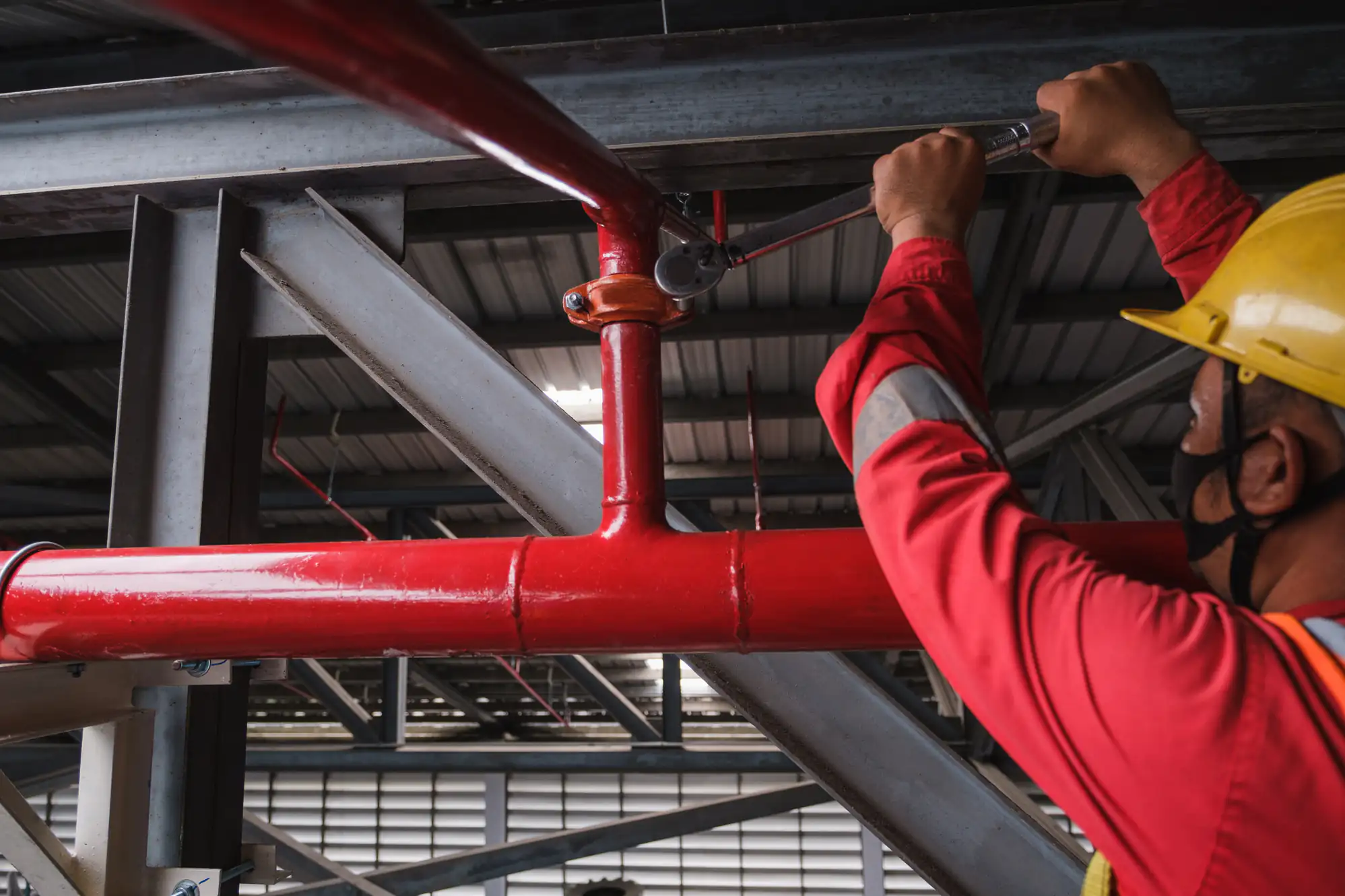
Installation is done by NICET-certified technicians who pull permits, follow NFPA standards, and document everything for your records. After installation, we test every device, program the panel, and make sure your monitoring service is connected and reporting correctly.
You get a system that’s ready for inspection, and we walk you through how it works. If you ever need service, violation correction, or system upgrades down the road, you’re already in our system and we know your building.
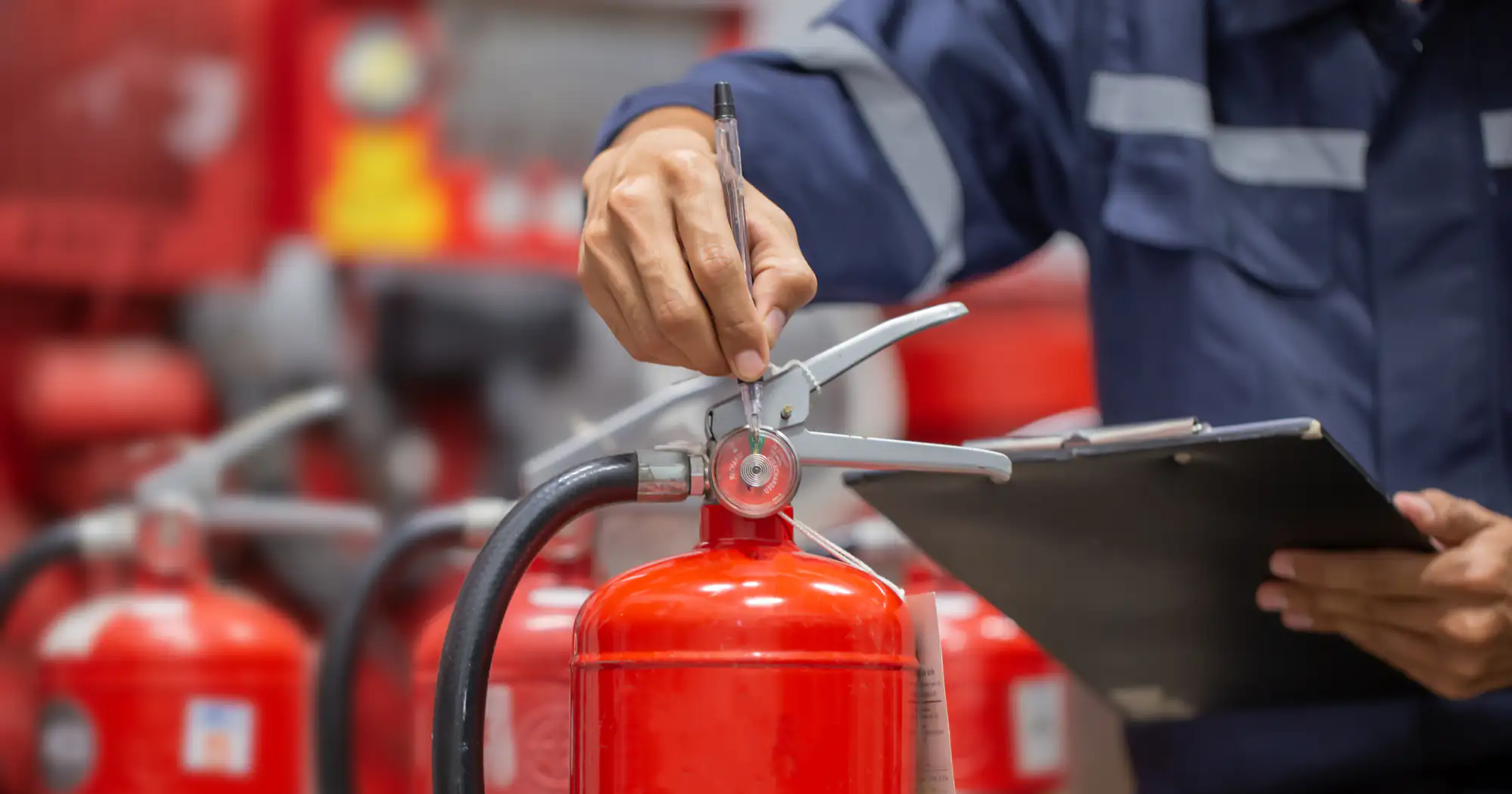
Ready to get started?
Your fire alarm system includes 24/7 monitoring that connects directly to emergency services. When a device activates, you’re not depending on someone hearing it and calling 911. The system reports automatically, and response happens faster.
You also get access to ongoing maintenance and inspection services. New York requires annual testing and inspection of fire alarm systems, and those aren’t optional. We handle smoke alarm replacement when detectors age out, battery replacements, panel updates, and any repairs that come up between inspections.
If you’re in a building that needs a BDA system for emergency responder radio coverage, we’re FCC-certified to install and maintain those systems too. A lot of newer buildings and renovations in Islip, Smithtown, and surrounding towns now require these systems before you can get a certificate of occupancy.
We also handle violation correction. If you’ve received a notice from the fire marshal or FDNY, we can assess what’s wrong, fix it, and provide the documentation you need to clear the violation. You’re not figuring this out on your own or hiring someone who’s learning your building from scratch.
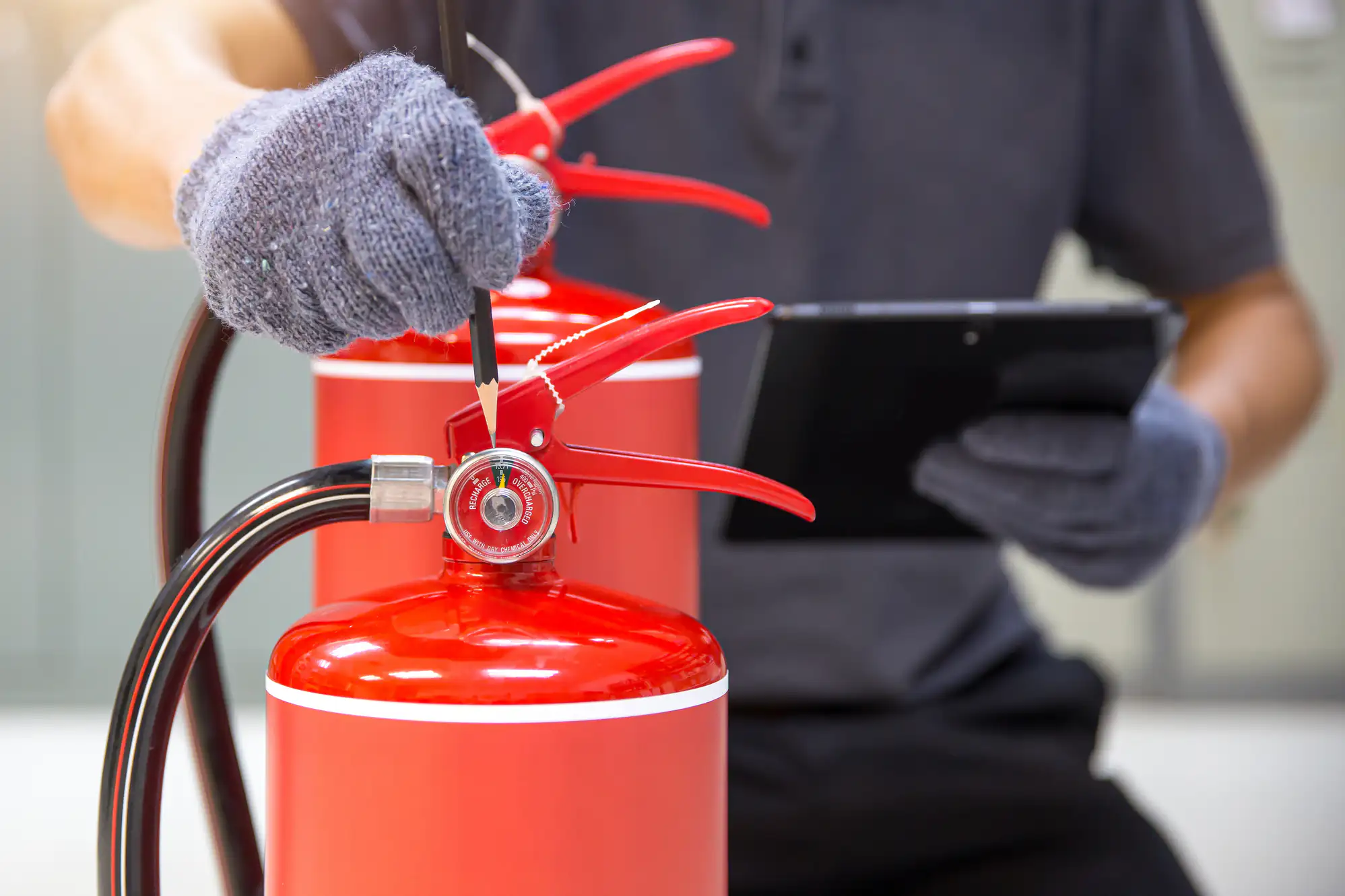
It depends on your building size, occupancy type, and what the code requires. A small retail space in Islip Terrace might need a basic smoke detection system with a few devices. A multi-story office building in Hauppauge needs addressable panels, more zones, and possibly voice evacuation.
Cost also depends on whether you’re installing a new system, upgrading an old one, or correcting violations on an existing setup. If your building already has wiring and infrastructure, that’s different than starting from scratch.
The best way to get an accurate number is to have someone assess your property and tell you what’s actually required. We do premise assessments because guessing at cost without seeing the building usually means you’re either overestimating or underestimating by a lot. Once we know what you need, we can give you a real number that reflects the scope of work and the equipment that makes sense for your property.
A smoke alarm is a standalone device – usually battery-powered or hardwired – that detects smoke and sounds an alarm in that room. You see these in homes and small apartments. They’re not monitored, they don’t report to anyone, and they only alert people within earshot.
A fire alarm system is a network of devices connected to a central control panel. It includes smoke detectors, heat detectors, pull stations, and notification devices like strobes and horns. When one device activates, the whole system responds. The panel identifies which zone triggered, logs the event, and sends a signal to a monitoring service that contacts emergency responders.
Commercial buildings, multi-family housing, and larger properties need fire alarm systems because code requires monitored protection and because you need coverage across the entire building. If a fire starts in a back storage room at 2 a.m., a standalone smoke alarm might not wake anyone up. A monitored fire detection system reports immediately and gets help on the way before the situation gets worse.
New York requires annual inspections and testing of fire alarm systems. That’s not a recommendation – it’s code. Your system needs to be inspected by a licensed professional, tested to make sure every device works, and documented with reports that go to your fire marshal and insurance company.
Some components need more frequent attention. Smoke detectors have a lifespan, usually around 10 years, and need smoke detector replacement when they age out. Batteries in backup power supplies need regular checks. If you’ve had construction, renovations, or any changes to your building layout, your system might need updates to stay compliant.
If you’re in a high-occupancy building or a property with specific code requirements, you might also need quarterly or semi-annual testing on certain components. The inspection schedule depends on your occupancy classification and what your local authority requires. Missing inspections can result in violations, fines, and insurance issues, so keeping up with the schedule is not optional if you want to stay compliant and avoid headaches.
Nest and Kidde make residential smoke alarms and carbon monoxide detectors that work well in homes, but they’re not designed for commercial fire alarm systems. Commercial buildings need systems that meet NFPA codes, connect to a monitored control panel, and provide coverage based on occupancy type and square footage.
A Kidde smoke alarm or combo smoke and CO alarm is a standalone device. It doesn’t integrate with a fire alarm system, it doesn’t report to a monitoring service, and it won’t meet the code requirements for a commercial property in Islip or anywhere else in New York.
If you’re managing a commercial building, you need a fire detection system with addressable devices, proper zoning, and professional monitoring. That means working with a licensed installer who knows what the code requires and can design a system that passes inspection. Residential-grade devices might seem like a cost-saving option, but they won’t keep you compliant and they won’t protect your property the way a real commercial system does.
You’ll receive a notice from the fire marshal or local authority detailing what’s wrong and giving you a deadline to fix it. Common violations include failure to maintain your fire alarm system, expired smoke detectors, missing inspection documentation, or devices that aren’t working during an inspection.
If you don’t correct the violation by the deadline, you’re looking at fines that increase the longer the issue goes unresolved. In some cases, you could face restrictions on occupancy or operations until the violation is cleared. Insurance companies also pay attention to fire code violations, and unresolved issues can affect your coverage or premiums.
The fastest way to handle a violation is to hire a licensed fire alarm company that can assess what’s wrong, make the repairs or upgrades, and provide the documentation the fire marshal needs to close the violation. We handle violation correction regularly in Islip and throughout Suffolk County. We know what inspectors are looking for, we know how to fix it correctly, and we know how to document it so the violation gets cleared and you can move on.
If you’re constructing a new building, doing major renovations, or if your local authority has identified radio communication issues in your building, you might need a BDA system. BDA stands for Bi-Directional Amplifier, and it’s designed to boost emergency responder radio signals inside buildings where concrete, steel, or building size creates dead zones.
Many jurisdictions in New York now require BDA systems as a condition for certificate of occupancy, especially in larger commercial buildings, high-rises, and properties where first responders have historically had communication problems. If emergency personnel can’t communicate inside your building during a fire or other emergency, that’s a life-safety issue.
We’re FCC-certified to install and maintain BDA systems, and we handle the testing and documentation required to meet NFPA standards. If you’re unsure whether your building needs one, we can assess your property and tell you what’s required. It’s better to know upfront during planning or renovations than to find out during a final inspection that you can’t get your CO until a BDA system is installed.
Other Services we provide in Islip