
Explore firsthand accounts of our exceptional service and dedication to safety through the glowing testimonials from our satisfied clients.
You’re not dealing with FDNY violations that start at $800 and climb into the thousands. Your insurance company isn’t sending letters about non-compliance. Your tenants or employees aren’t asking why the alarm didn’t go off during the last inspection.
A working fire detection system means you sleep better. It means your property manager isn’t scrambling to fix false alarms every other week. It means when an inspector shows up, you hand them documentation that proves everything’s current.
The difference between a functional fire alarm and a liability sitting on your wall comes down to proper installation and regular maintenance. Most commercial fire alarm failures—73% of them—happen because of neglected upkeep, not faulty equipment. You avoid that entirely when someone who knows what they’re doing handles it from the start.
We hold NICET certifications, NYS License #12000325006, and active licenses in both Nassau and Suffolk Counties. We’re authorized Notifier by Honeywell dealers and members of the New York Fire Alarm Association. That’s not name-dropping—it’s proof we’re held to standards you can verify.
North Patchogue properties face the same fire code requirements as the rest of Suffolk County, where FDNY issues over 22,000 violations annually. Most of those are avoidable. We’ve been helping commercial property owners, facility managers, and high-value residential clients across Long Island stay compliant without the runaround.
You’re not working with a national chain that subcontracts locally. You’re working with a team that knows New York fire codes inside out and shows up when you need us.
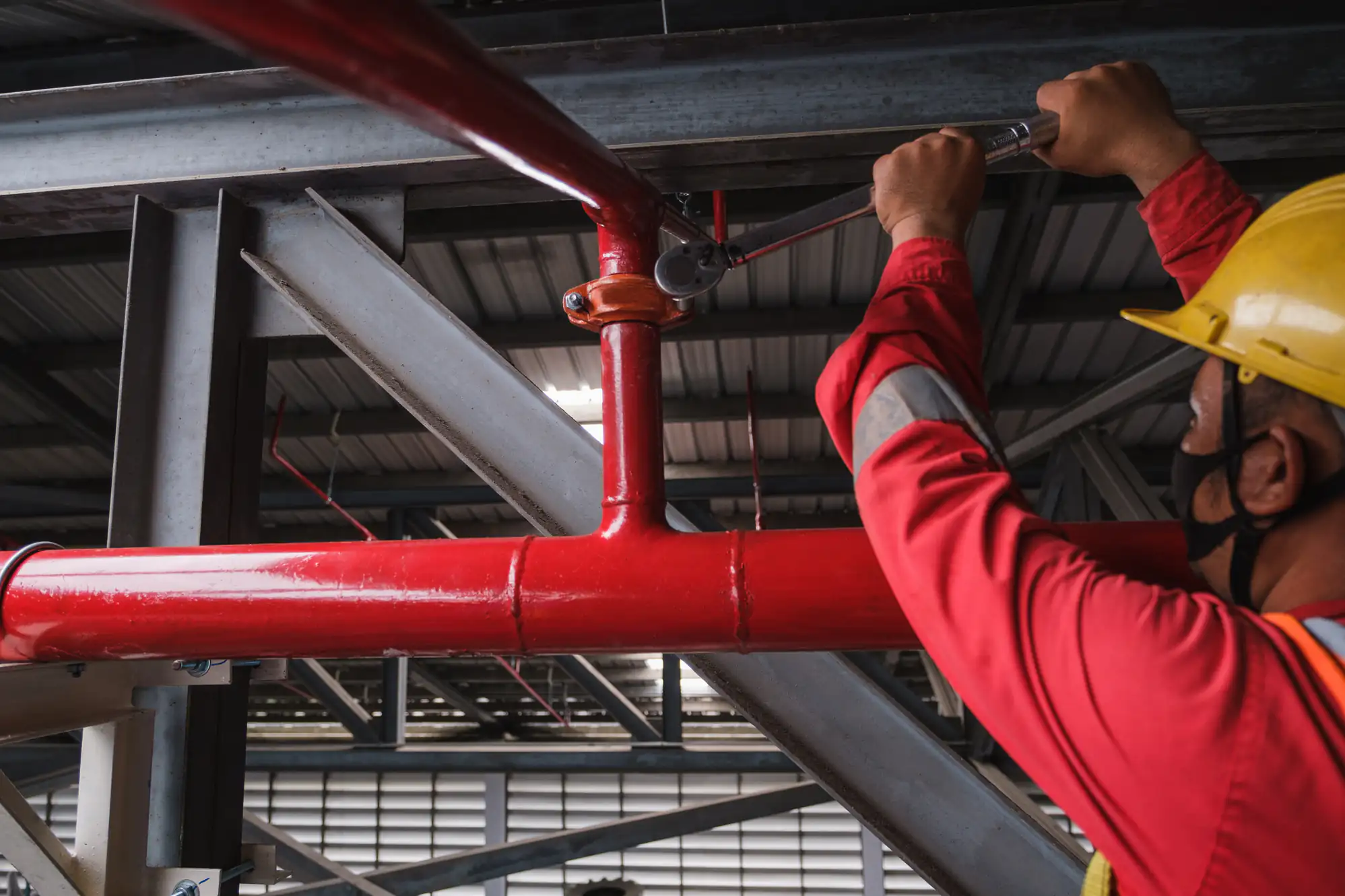
First, we assess your property. That means walking the space, identifying hazards, understanding occupancy type, and figuring out what code requires for your specific building. Commercial kitchens need different coverage than warehouses. Multi-family buildings have different requirements than single-family homes.
Next, we design a system that fits. You might need addressable fire alarm systems that pinpoint exactly where smoke is detected. You might need wireless systems to avoid tearing up finished walls. We’ll recommend smoke alarm installation locations, carbon monoxide detectors where required, and integration with your existing building systems if that makes sense.
Then we install it. Our NICET certified technicians handle the wiring, device placement, panel programming, and testing. Everything gets documented for your records and for inspectors. After installation, we walk you through how the system works, what to expect during monitoring, and how to avoid false alarms.
Finally, we maintain it. NFPA 25 requires routine inspections—monthly, quarterly, semi-annually, and annually depending on the component. We handle that so you’re never scrambling before an inspection or dealing with a violation notice because something wasn’t tested on time.

Ready to get started?
You’re getting a system designed to current NFPA 72 standards, which now include enforceable cybersecurity requirements for networked fire alarms. That matters if your system connects to building management or remote monitoring—and most modern systems do.
You’re getting smoke detectors and heat sensors placed where they’ll actually detect fire, not just where it’s convenient to run wire. You’re getting a control panel that communicates with monitoring stations 24/7, so if something trips at 2 a.m., the right people know immediately.
For North Patchogue and surrounding Suffolk County areas, you’re also getting a system that accounts for local conditions. Waterfront properties near the Great South Bay deal with humidity and salt air that can affect sensor performance. Older buildings in town centers might need wireless retrofits to avoid damaging historic structures. We factor that in.
If you need smoke alarm replacement or smoke detector replacement, we’re not just swapping units. We’re verifying that what goes in meets current code, works with your existing panel, and actually improves your coverage. Kidde carbon monoxide alarms, combo smoke and CO detectors, Nest-compatible devices—we install what makes sense for your building, not what’s easiest for us.
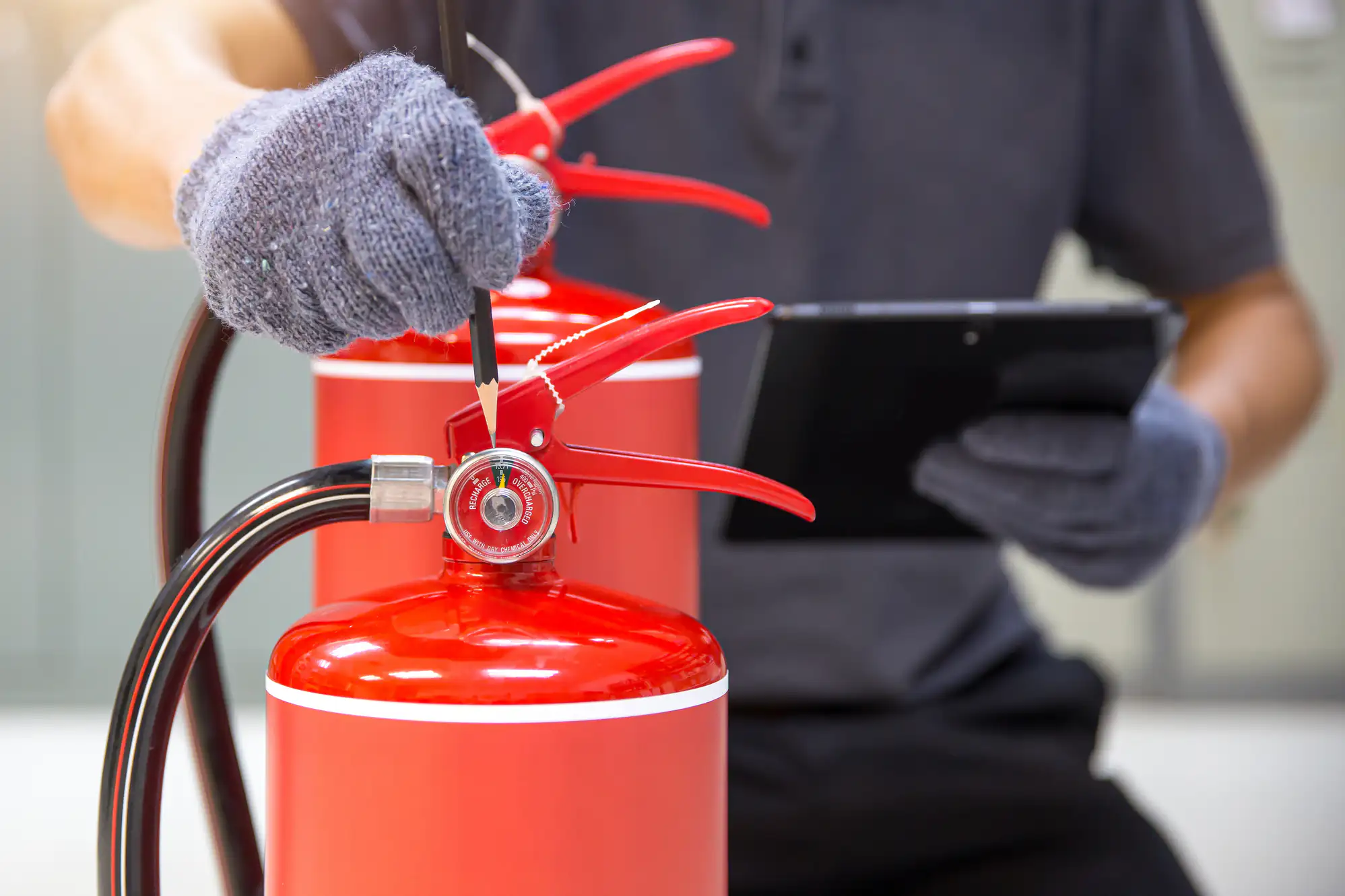
New York follows NFPA 25, which breaks inspections into monthly, quarterly, semi-annual, and annual requirements depending on the component. Control panels and battery backups get checked quarterly. Smoke detectors and notification devices get tested semi-annually. Full system functionality tests happen annually.
If you’re in a commercial building, your fire alarm also needs to be inspected before the FDNY or local authority having jurisdiction during certificate of occupancy renewals. Missing those inspections is how you end up with violations.
We set up maintenance schedules that keep you compliant without you having to track dates. You get documentation after every visit, so when an inspector asks, you hand them a file that shows everything’s current.
Conventional systems divide your building into zones. If a detector trips, the panel tells you which zone—maybe “second floor east wing”—but not which specific device. You’re walking around looking for the problem.
Addressable systems assign every detector, pull station, and notification device a unique address. When something trips, the panel tells you exactly which device and where it is. You know immediately if it’s the smoke detector in Room 204 or the heat sensor in the kitchen.
For larger buildings, addressable systems save time and reduce false alarm response costs. For smaller properties, conventional might be enough. We recommend based on your building size, layout, and how much you want to spend. Both meet code when installed correctly.
Not legally in New York. NYC regulations and most Long Island jurisdictions require licensed, certified professionals to install fire alarm systems. The FDNY and Department of Buildings both enforce this, and insurance companies won’t cover systems installed without proper credentials.
Beyond the legal issue, fire alarm installation involves life safety code compliance that changes regularly. NFPA 72-2025 just added cybersecurity requirements. Detector spacing, notification appliance placement, and circuit design all have specific rules. Getting it wrong means the system won’t work when you need it.
You’ll spend more fixing a DIY installation than you would’ve spent hiring someone qualified from the start. And if there’s ever a fire and the system didn’t work because it wasn’t installed to code, you’re looking at serious liability.
Usually it’s dust, humidity, or aging sensors. Smoke detectors use photoelectric or ionization technology to sense particles in the air. When dust builds up or humidity spikes, they can trigger false alarms. Detectors also degrade over time—most need replacement every 10 years.
Sometimes it’s poor placement. A smoke detector too close to a bathroom gets steam. One near a kitchen gets cooking smoke. A detector in an unheated space experiences temperature swings that cause issues.
Other times it’s low battery warnings that sound like alarms, or system faults from loose wiring. If you’re getting frequent false alarms, something’s wrong. We troubleshoot the actual cause instead of just resetting the panel and hoping it stops. Often it’s a simple fix—relocating a detector, replacing an old sensor, or adjusting sensitivity settings.
It depends on building size, system type, and what code requires for your occupancy. A small retail space might need a basic conventional system with a few smoke detectors and pull stations. A multi-story office building needs addressable systems, strobes, horns, and integration with sprinkler monitoring.
Expect to pay more for addressable systems, wireless installations, and buildings that need extensive device coverage. You’ll also pay for monitoring services, which run monthly and are required in most commercial applications.
The real cost isn’t just installation—it’s what happens after. A cheap system installed incorrectly will cost you in violations, false alarm fines, and emergency service calls. We price based on what your building actually needs to stay compliant and functional. You get a detailed quote before we start, and we don’t surprise you with add-ons halfway through the job.
Probably, depending on your building type. Residential smoke detectors are standalone units that alert people in the immediate area. Fire alarm systems are networked, monitored, and designed to notify emergency services automatically.
New York code requires fire alarm systems in most commercial buildings, multi-family residential properties, and any structure where occupants might not hear a standalone detector. If you run a business, manage apartments, or own a building where people sleep or work, you likely need more than battery-operated smoke alarms.
Even high-value single-family homes benefit from monitored fire alarm systems. If a fire starts while you’re away, standalone detectors won’t help. A monitored system alerts the fire department immediately. That’s the difference between damage and total loss.
Other Services we provide in North Patchogue