Explore firsthand accounts of our exceptional service and dedication to safety through the glowing testimonials from our satisfied clients.
You’re not losing sleep over whether your building passes inspection. You’re not scrambling when the fire marshal shows up unannounced. You’re not paying thousands in fines because someone missed a code update.
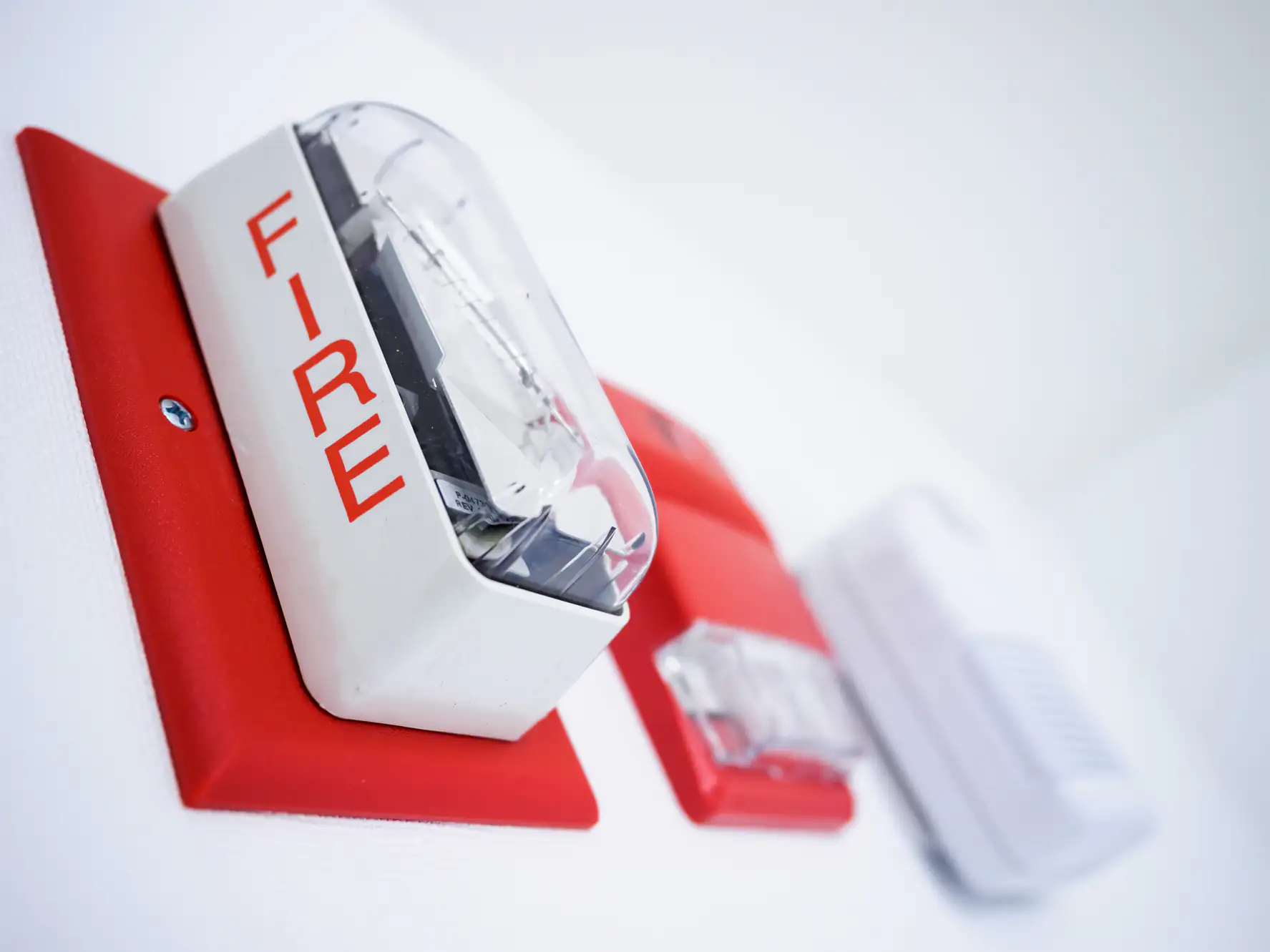
Your fire alarm system works. Your egress routes are clear and compliant. Your documentation is current and accessible when inspectors ask for it.
That’s what proper fire safety consulting gets you. Not just a checklist someone ran through, but a system that holds up under scrutiny. Buildings across North Patchogue and the surrounding Suffolk County area deal with NFPA 101 life safety code requirements that change regularly. Miss one update and you’re facing violations that shut down operations or delay projects for weeks.
The international fire code and ICC building code aren’t suggestions. They’re enforced, and enforcement comes with real costs. When your systems are installed correctly and maintained by people who actually understand the codes, you avoid the expensive surprises that come from cutting corners or hiring whoever’s cheapest.
We hold NYS License #12000325006, Nassau County licenses, and Suffolk County license 180. We’re NICET certified, which means our technicians meet national standards for fire protection competency. We’re also a Notifier by Honeywell authorized dealer and a member of the New York Fire Alarm Association.
Those credentials matter because fire safety isn’t something you want handled by someone who learned on YouTube. North Patchogue properties face specific challenges – older commercial buildings in Patchogue and Sayville that need retrofitting, new construction in Ronkonkoma and Hauppauge that must meet current codes, and everything in between.
We’ve worked across Suffolk and Nassau counties long enough to know which inspectors enforce which details, what local fire marshals look for during inspections, and how to get violations corrected without dragging out the process. You’re not getting a national chain that doesn’t understand Long Island codes. You’re getting people who work here, live here, and have fixed these exact problems before.
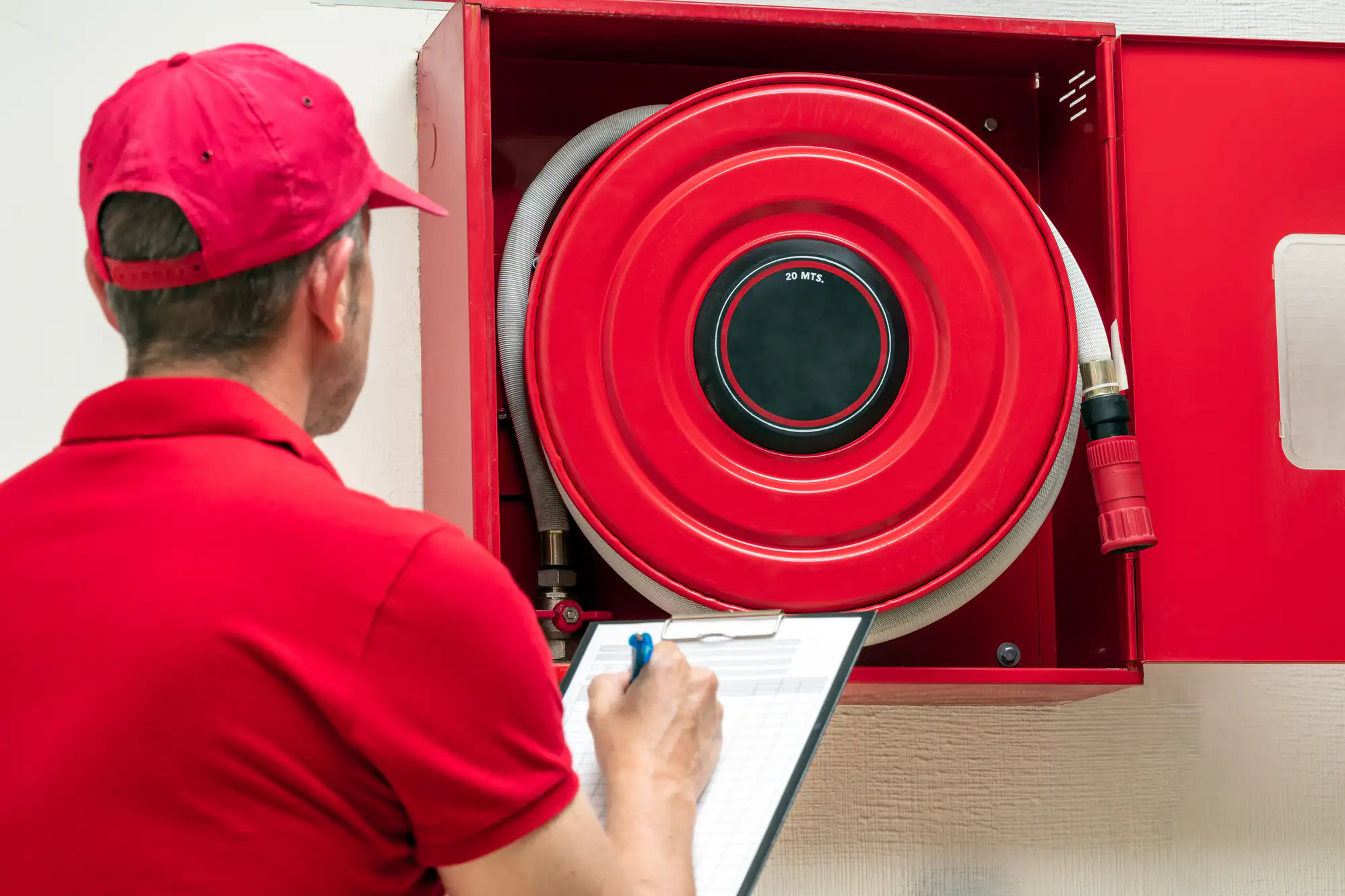
First, we assess what you’re dealing with. That means a thorough walkthrough of your property, reviewing existing systems, checking documentation, and identifying what’s out of compliance. We’re looking at fire alarm configurations, egress window code requirements, sprinkler coverage, emergency lighting, and anything else that falls under NFPA or ICC building code standards.
Next, we give you a clear plan. Not a vague estimate or a sales pitch, but a specific outline of what needs to happen, what it costs, and how long it takes. If you’ve got active violations, we prioritize those. If you’re planning new construction or renovations, we map out what’s required before you break ground.
Then we handle the work. Installation, testing, documentation, and filing with the appropriate authorities. If you need BDA system installation for emergency responder radio coverage, we do that. If you need violation correction services because something was flagged during a fire marshal inspection, we fix it and provide the proof inspectors need to close it out.
After that, we set you up with a maintenance plan that keeps everything current. Regular inspections, testing, and updates so you’re not surprised when codes change or equipment ages out. You get records that satisfy inspectors and insurance companies, and you get a contact who picks up when something breaks at 2 a.m.

Ready to get started?
You get a fire and safety plan that meets current code requirements for your specific building type and occupancy. That includes detailed drawings, evacuation procedures, system documentation, and maintenance schedules. It’s not a template someone filled in – it’s built for your property.
You get violation correction that actually closes out the issue. FDNY violations in NYC can run $800 to $5,000 or more, and similar penalties apply across Long Island jurisdictions. We don’t just patch the problem – we address the root cause so it doesn’t come back during the next inspection. Properties in Central Islip, Bay Shore, and Smithtown face different enforcement patterns, and we adjust our approach based on what local authorities prioritize.
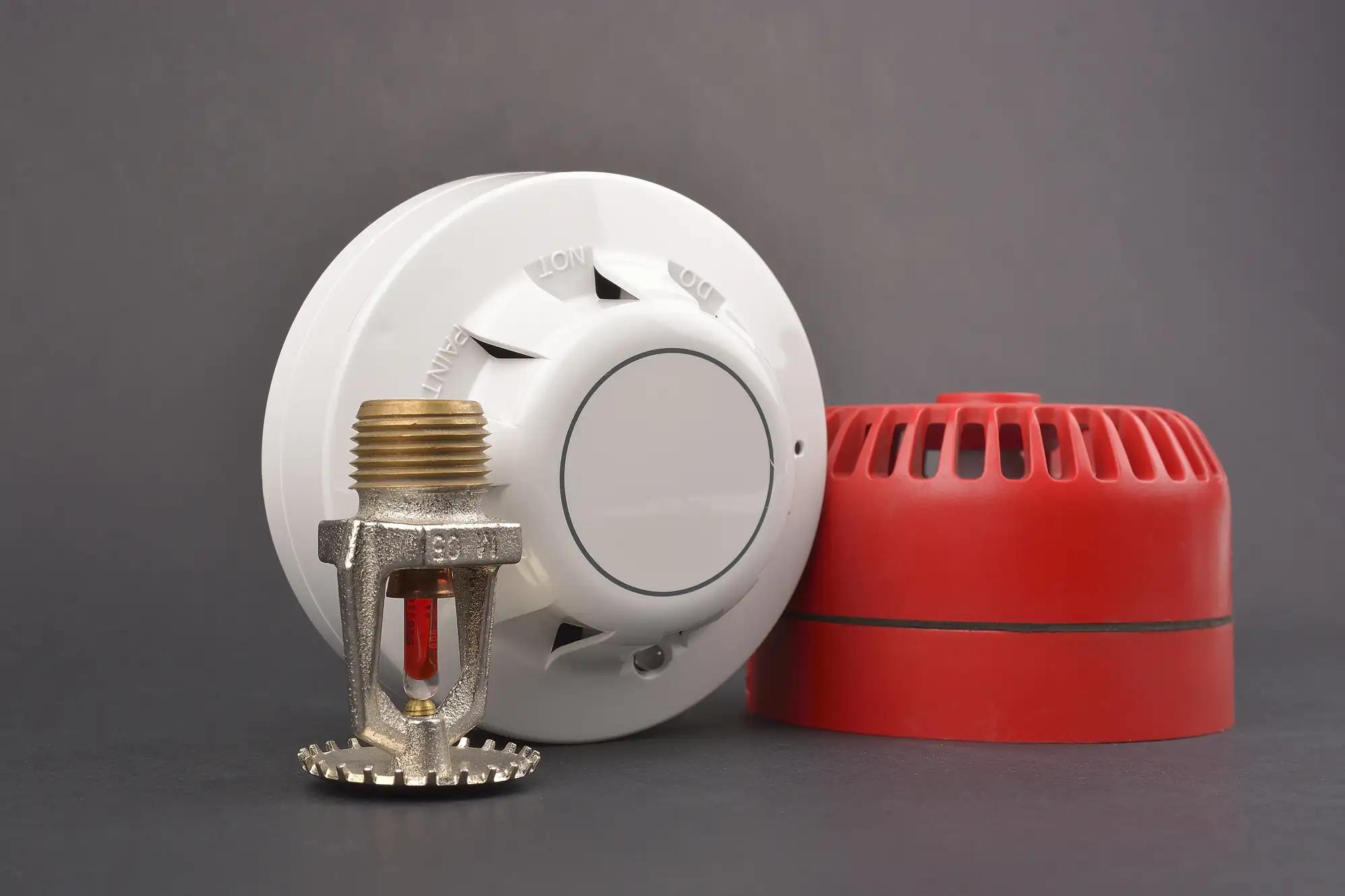
You get system installations that pass inspection the first time. Fire alarm systems, BDA systems for emergency responder communication, sprinkler retrofits, emergency lighting – all installed to manufacturer specs and local code. We’re authorized Notifier by Honeywell dealers, so you’re getting equipment that’s supported long-term, not gray-market gear that leaves you stranded when you need service.
You also get a home safety check option if you’re a residential property owner in North Patchogue or nearby areas like Medford, Holbrook, or Farmingville. High-value homes need proper egress windows, working smoke and CO detectors, and sometimes full fire alarm systems depending on size and layout. We assess what’s required and what’s recommended, then let you decide how far you want to go.
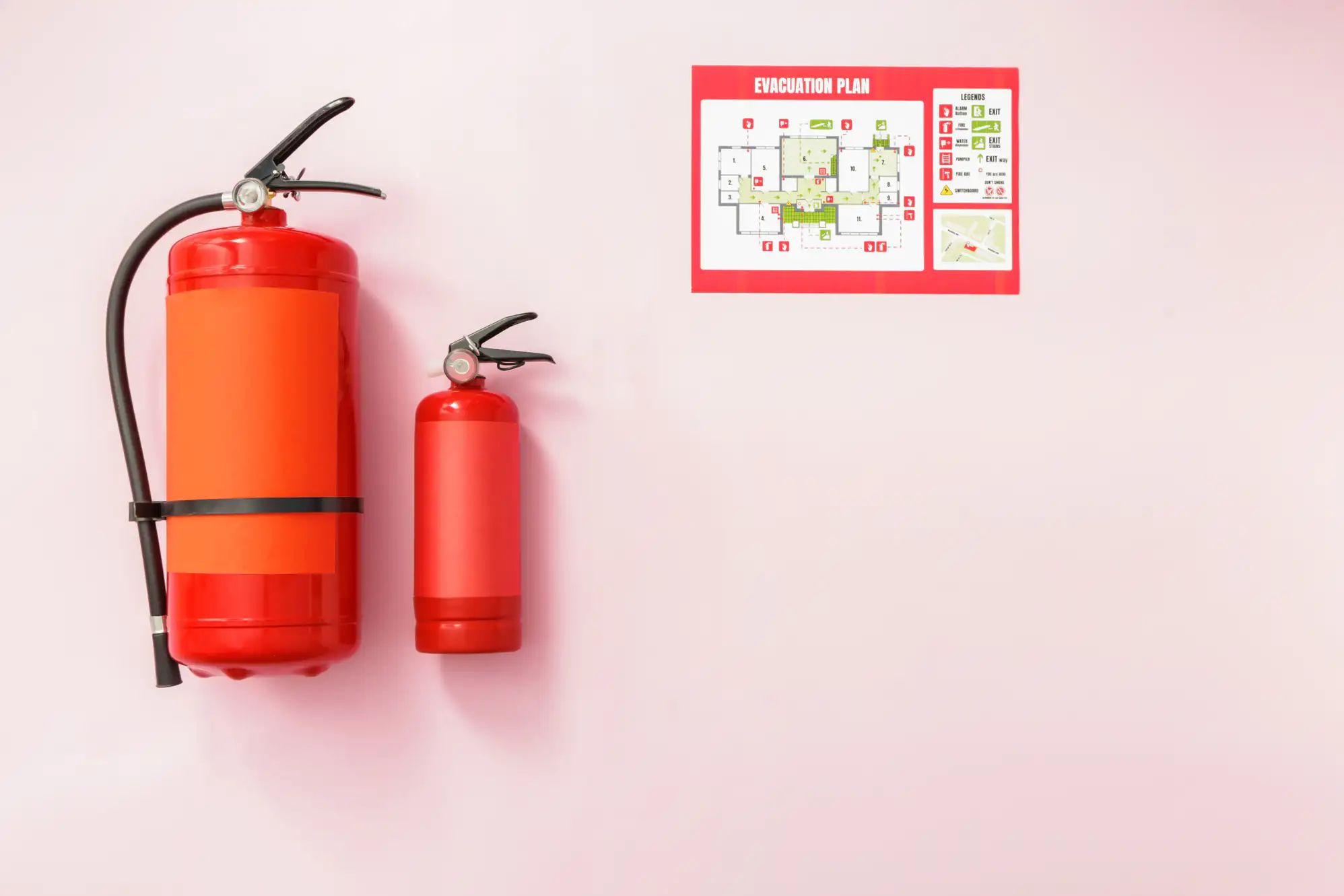
NFPA 101 covers everything from egress routes to fire alarm systems, and the requirements change based on your building’s occupancy type, size, and age. A restaurant in Patchogue has different requirements than a warehouse in Ronkonkoma or an office building in Hauppauge.
The code runs almost 1,000 pages, and most of it doesn’t apply to your specific situation – but the parts that do apply are enforced strictly. You need proper exit signage, adequate egress width, fire-rated doors in the right locations, and alarm systems that meet current standards. If your building was constructed before certain code updates, you might have grandfather clauses that exempt some requirements, but those exemptions disappear when you renovate or change occupancy types.
We review your building against the current NFPA 101 requirements and tell you exactly what applies. You’re not wading through the entire code book trying to interpret technical language. You get a list of what’s required, what’s recommended, and what you can skip.
It depends on what was flagged and how quickly you move. Simple violations like missing exit signage or blocked egress paths can be corrected in a day. More complex issues like outdated fire alarm systems or improper sprinkler coverage can take weeks, especially if you need permits and inspections.
The bigger delay usually isn’t the work itself – it’s getting the correction documented and approved by the authority that issued the violation. Some jurisdictions require re-inspection before they close out the violation. Others accept documentation and photos. We know which process applies in North Patchogue, Suffolk County, Nassau County, and NYC, so we handle the paperwork correctly the first time.
If you’re facing fines that increase the longer the violation stays open, we prioritize getting you into compliance fast. That might mean temporary measures while permanent fixes are scheduled, or it might mean expediting permits and inspections. Either way, you’re not sitting in violation status longer than necessary.
You can try handling it yourself, but most property owners who go that route end up calling us after they’ve already wasted time and money. Fire codes aren’t written for casual reading. They reference other codes, include exceptions buried in footnotes, and change regularly.
If you install a system incorrectly, it fails inspection and you pay twice – once for the bad install and again to fix it. If you misinterpret a code requirement, you might pass inspection temporarily but fail during the next cycle when a different inspector catches what the first one missed. If you don’t document everything properly, you’re starting from scratch when someone asks for records.
The cost of hiring a fire protection consultant is almost always less than the cost of fixing mistakes. For every dollar spent on proper fire safety consulting, you avoid $4 to $6 in prevented costs from violations, failed inspections, and system failures. Properties across Lake Ronkonkoma, Nesconset, and Centereach have learned this the hard way. You don’t have to.
A fire marshal inspection covers your entire fire protection and life safety setup. They’re checking that your fire alarm system works and is up to code. They’re verifying that exit routes are clear, marked, and meet width requirements. They’re looking at emergency lighting, sprinkler coverage, fire extinguisher placement, and whether your documentation matches what’s actually installed.
Preparation means making sure everything is functional and accessible before they arrive. Test your alarm system. Clear any storage blocking exits or electrical panels. Replace burnt-out emergency lights. Gather your maintenance records, inspection reports, and system documentation. If you’ve made any changes to the building layout, make sure your fire safety plan reflects those changes.
We can run a pre-inspection to catch issues before the fire marshal does. That way you’re fixing problems on your timeline, not scrambling after violations are issued. Properties in Islip, Oakdale, and Sayville that schedule pre-inspections almost never get surprised by what the fire marshal finds. The ones that skip this step usually regret it.
NFPA 72 requires annual inspections for most fire alarm systems, but some components need more frequent testing. Smoke detectors should be tested every six months. Batteries need checking based on manufacturer specs. Control panels need annual inspections. If you’ve got a monitored system, the monitoring connection should be tested monthly.
Skipping inspections doesn’t just risk violations – it risks system failure when you actually need it. Detectors get covered in dust and stop working. Batteries die. Wiring connections corrode. Control panels develop faults. None of this is obvious until you test it, and if you’re only testing when the inspector shows up, you’re gambling with people’s safety and your liability.
We set up maintenance schedules that keep you compliant without overdoing it. You’re not paying for unnecessary service calls, but you’re also not skipping the testing that actually matters. Properties throughout Stony Brook, Port Jefferson, and Coram that stay on top of maintenance rarely face emergency repairs or failed inspections. The ones that defer maintenance end up paying more in the long run.
A BDA system (Bi-Directional Amplifier) boosts radio signals inside buildings so emergency responders can communicate when they’re inside your property. If firefighters or police can’t use their radios in your building, they can’t coordinate effectively during an emergency. That’s a safety problem and a code problem.
Many jurisdictions now require BDA systems in larger buildings, high-rises, or properties with construction that blocks radio signals. Concrete, metal framing, and below-grade spaces all interfere with radio transmission. If your building falls into any of those categories, you probably need a BDA system to pass inspection.
We install BDA systems that are FCC certified and meet local requirements for emergency responder radio coverage. That includes testing signal strength throughout the building and providing documentation that satisfies fire marshals and building inspectors. Buildings in Bohemia, Holtsville, and Brookhaven have been required to add BDA systems during renovations or occupancy changes. If you’re planning any work on your property, check whether this applies to you before you’re surprised by a stop-work order.
Other Services we provide in North Patchogue