Explore firsthand accounts of our exceptional service and dedication to safety through the glowing testimonials from our satisfied clients.
When your fire alarm system is designed right and installed correctly, you stop worrying about surprise inspections. You’re not scrambling when the fire marshal shows up, because your system already meets code.
Your insurance company sees a properly monitored fire detection system and your premiums reflect it. Most commercial properties see reductions between 5% and 20% once modern fire alarm systems are in place.
But the real outcome is simpler than that. You know that if something goes wrong at 2 AM on a Sunday, your system will detect it, alert the right people, and give everyone inside the time they need to get out safely. That’s what a fire alarm system is supposed to do, and it’s what you should expect from the company that installs it.
We hold NYS License #12000325006 and Suffolk County License 180. We’re NICET certified, which means our technicians have passed the national standard for fire alarm system competency.
We’re also an authorized Notifier by Honeywell dealer. That matters because Notifier systems use ONYX Advanced Detection technology, which reduces false alarms while improving actual threat detection. You’re not dealing with outdated equipment or generic panels.
We’ve been working across Suffolk, Nassau, and NYC for over two decades. Stony Brook University sits in Suffolk County, where fire code enforcement is handled by 109 independent volunteer fire departments. We know how that decentralized system works, and we know what your local inspectors expect to see when they walk through your building.
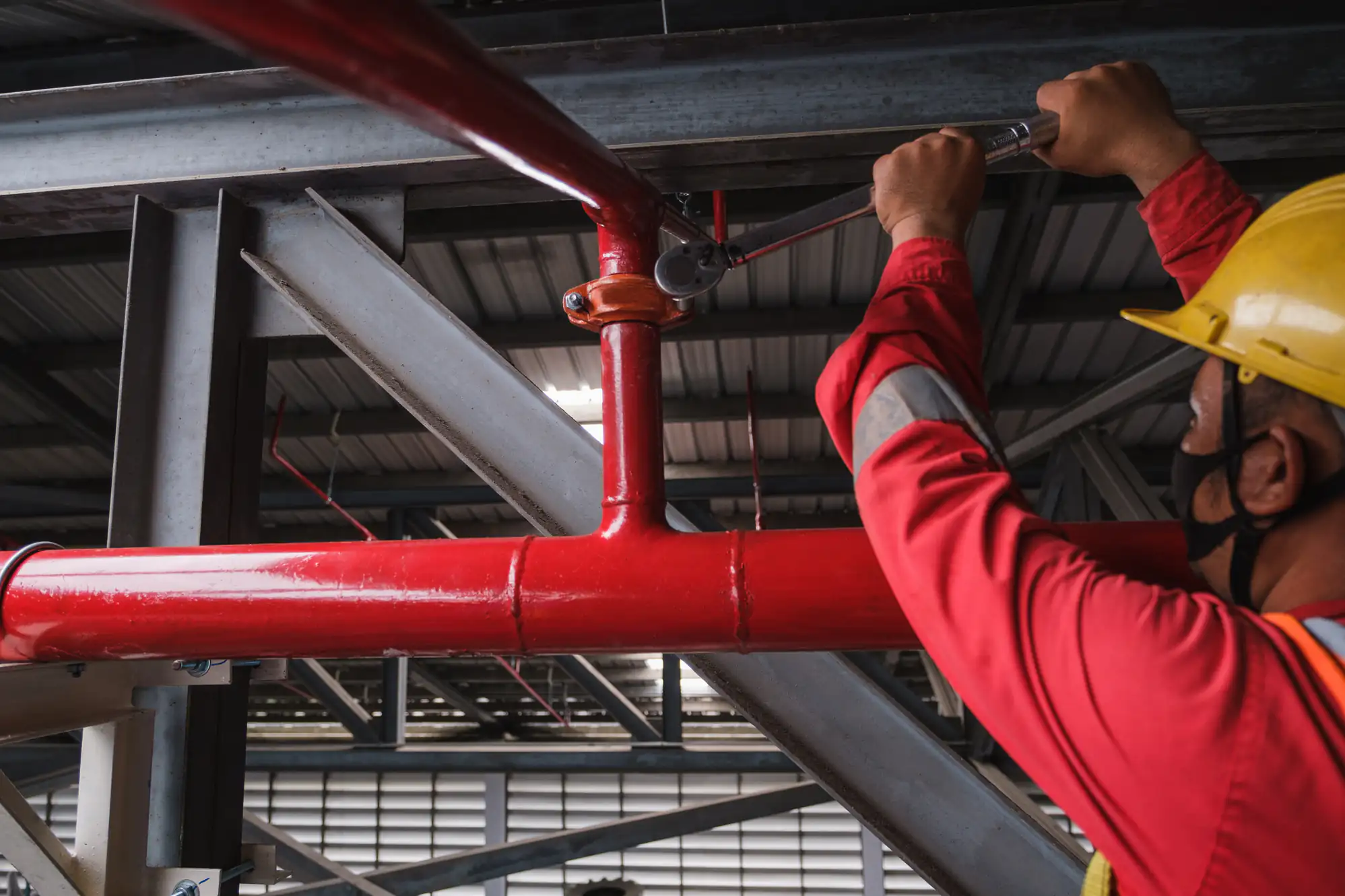
We start with a site assessment. You walk us through your building and we identify where detection devices need to go based on your layout, occupancy type, and local fire code requirements. If you’re dealing with a violation or failed inspection, we review the citation and map out exactly what needs to change.
Next, we design the system. Our team uses AutoCAD to create detailed fire alarm drawings and submittal documents. These get submitted to your local fire department for approval before any installation begins. This step prevents surprises later.
Once approved, installation happens on your schedule. We mount devices, run wiring or configure wireless systems if that’s what your building needs, and connect everything to a central panel. If you’re adding a BDA system for emergency responder communication, that gets integrated at this stage too.
After installation, we test every device. Smoke detectors, pull stations, notification appliances, all of it. Then we schedule the final inspection with your fire department. When they sign off, your system goes live and monitoring begins. You get documentation for your records and your insurance company.
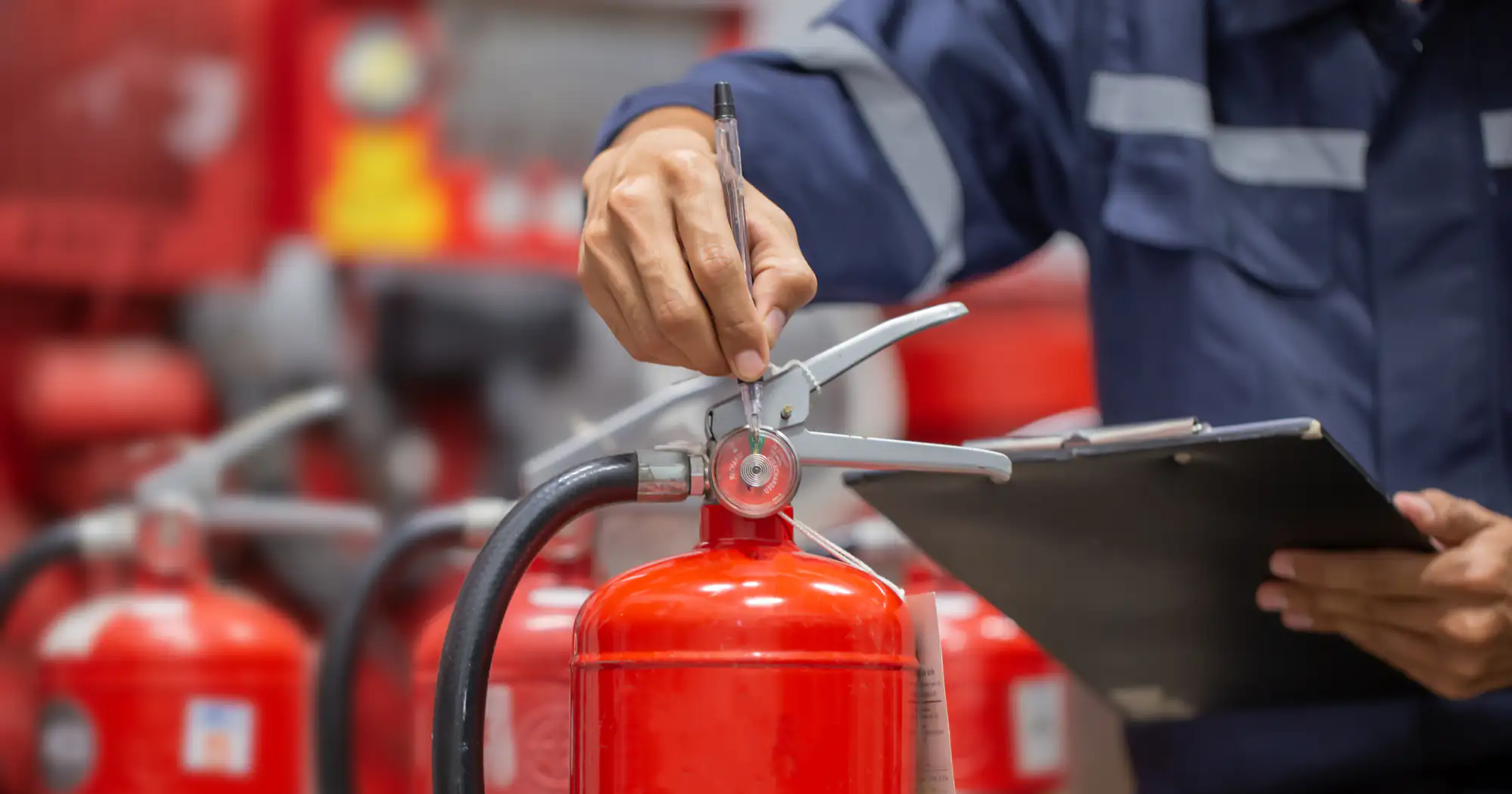
Ready to get started?
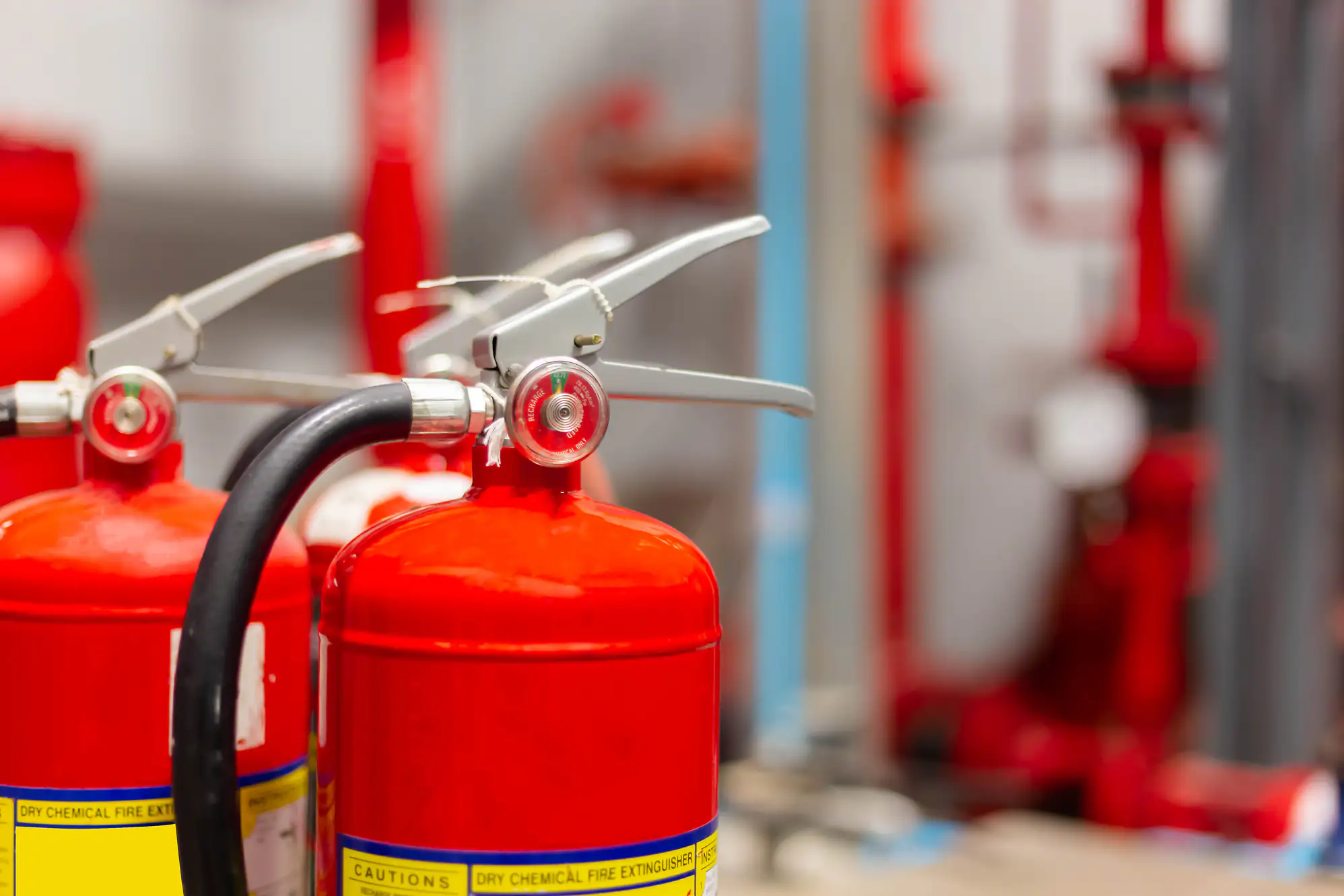
Your fire alarm system includes smoke detectors positioned according to NFPA 72 standards. For commercial buildings, that usually means addressable smoke detectors that report their exact location to the main panel. If you need heat detectors for areas where smoke detection isn’t practical, like kitchens or mechanical rooms, those get added too.
You’ll have manual pull stations at every exit and along egress paths. Notification devices, strobes and horns, get installed to meet audibility and visibility requirements throughout the building. The control panel ties everything together and communicates with our 24/7 monitoring center.
Stony Brook University is home to over 26,000 students and sits in a high-density area with significant commercial and residential development. Buildings here range from older construction to modern facilities, and fire alarm requirements vary based on building age, occupancy classification, and square footage. Almost 70% of commercial buildings constructed before 2000 don’t have modern fire detection systems, which means many properties in this area are overdue for upgrades. If your building falls into that category, you’re looking at either a full system replacement or significant retrofitting to meet current code.
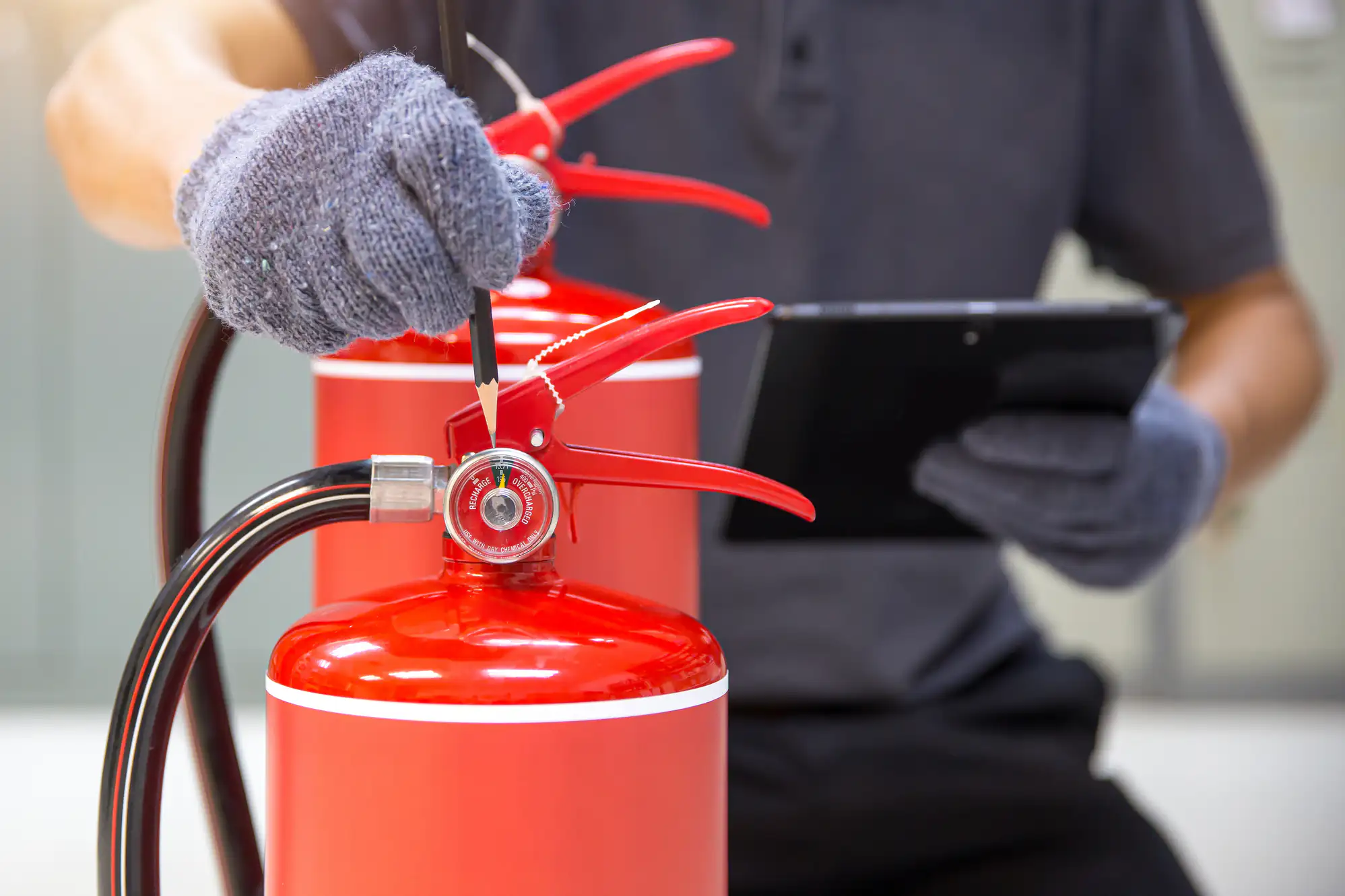
System cost depends on building size, occupancy type, and whether you’re installing new construction or retrofitting an existing building. A small commercial space might run $3,000 to $8,000 for a basic conventional system. Larger buildings with addressable systems, wireless components, or BDA requirements can range from $15,000 to $50,000 or more.
Addressable systems cost more upfront but they’re worth it. They pinpoint the exact device that triggered an alarm, which cuts down response time and reduces false alarm fines. They also make future troubleshooting easier because the panel tells you exactly what’s wrong and where.
Monthly monitoring typically runs $40 to $100 depending on the level of service. That’s the cost of having trained operators available 24/7 to dispatch fire departments the moment your system detects a problem. Most insurance companies offset this cost through premium reductions, so the net expense is often lower than it looks on paper.
Conventional systems divide your building into zones. When a device triggers, the panel tells you which zone has the problem, but not which specific device. You might know there’s smoke somewhere on the second floor, but you’re checking every detector in that zone to find it.
Addressable systems assign a unique address to every device. When something triggers, the panel shows you the exact detector, pull station, or notification device involved. You know immediately if it’s the smoke detector in Room 204 or the heat detector in the storage closet.
Addressable systems held 58% of the market share in 2024 because they’re more reliable and easier to maintain. They also support advanced features like pre-alarm warnings, device sensitivity adjustments, and integration with building management systems. For commercial properties in Stony Brook University, addressable is usually the right choice unless you’re working with a very small, simple building layout.
BDA stands for Bi-Directional Amplifier. It boosts radio signals inside your building so first responders can communicate with their dispatch and each other during an emergency. If your building has areas where radio signals don’t penetrate, concrete stairwells, basements, interior spaces, you likely need one.
New York building codes require BDA systems in many commercial and public buildings, especially those over a certain square footage or height. Suffolk County fire departments enforce this because they need reliable communication when they respond to your property.
During a fire inspection, the fire marshal will test radio signal strength throughout your building. If coverage drops below the required threshold in any area, you’ll get cited for a BDA deficiency. Installing one after a violation is more disruptive and expensive than planning for it during initial fire alarm system installation. If you’re not sure whether your building needs a BDA system, we can test signal strength during the site assessment and give you a definitive answer.
NFPA 72 requires annual inspections for most commercial fire alarm systems. Your local fire department in Suffolk County will also conduct their own inspections, and the frequency depends on your building’s occupancy classification. High-risk occupancies like restaurants, schools, and healthcare facilities typically get inspected more often.
During an inspection, every device gets tested. Smoke detectors are checked for sensitivity and proper response. Pull stations get activated. Notification devices are tested for audibility and visibility. The control panel’s backup battery gets load tested to confirm it can power the system during an outage.
You also need regular maintenance between inspections. Smoke detectors accumulate dust and need cleaning. Batteries eventually fail and need replacement. Devices get damaged or painted over during renovations. If your system isn’t maintained, it won’t work when you need it, and you’ll fail your next inspection. We handle both annual inspections and ongoing maintenance, and we keep records of every test and service call for your documentation.
False alarms are expensive. Suffolk County fire departments can fine property owners for repeated false alarms, and those fines increase with each occurrence. After a certain number of false alarms, some jurisdictions require you to pay for the fire department’s response costs.
Most false alarms come from poor system design, outdated equipment, or lack of maintenance. Cooking smoke, steam, dust, and even insects can trigger older smoke detectors that aren’t designed to filter out non-fire particles. Notifier’s ONYX Advanced Detection technology uses multi-criteria sensing to distinguish between actual smoke and environmental factors that cause false alarms.
If you’re dealing with frequent false alarms, the problem is usually fixable. Sometimes it’s as simple as relocating a detector away from a steam source or replacing an aging device. Other times it means upgrading to addressable detectors with better discrimination. We troubleshoot false alarm issues and implement solutions that stop the problem without reducing your system’s sensitivity to actual fire threats.
Yes. Violation correction is one of our core services. When you receive a fire code violation, the citation will list specific deficiencies that need correction. Common violations include missing or non-functional smoke detectors, inadequate notification device coverage, expired or improperly maintained equipment, and systems that don’t meet current code requirements.
We review the violation, assess your existing system, and create a correction plan. Sometimes you need additional devices to meet coverage requirements. Other times the control panel is outdated and needs replacement to support required features. If your building has been renovated or expanded since the original system was installed, you might need a complete redesign to cover new areas.
Suffolk County’s decentralized fire department structure means each district can have slightly different expectations for how violations get corrected. We work with your local fire department to make sure corrections meet their specific requirements, not just the minimum code. Once corrections are complete, we coordinate the re-inspection so you can get the violation cleared and avoid fines or operational shutdowns.
Other Services we provide in Stony Brook University