Explore firsthand accounts of our exceptional service and dedication to safety through the glowing testimonials from our satisfied clients.
You’re not getting surprise violations during inspections. Your documentation is organized and ready when the fire marshal shows up. Your insurance company stops questioning your coverage because everything meets NFPA 101 life safety code requirements.
That’s what proper fire safety consulting does. It removes the guesswork from compliance and puts you ahead of problems instead of scrambling to fix them after a failed inspection.
Most property managers and facility operators around Stony Brook University deal with the same frustration: fire codes that seem to change depending on who’s inspecting, documentation requirements that aren’t clearly explained, and systems that worked fine last year but somehow don’t meet this year’s standards. You’re stuck between expensive violations and even more expensive system overhauls—and nobody’s giving you straight answers about what you actually need.
Fire safety consulting cuts through that confusion. You get a fire protection consultant who understands both the international fire code and Suffolk County’s specific enforcement approach. Someone who can look at your current setup, identify what’s missing or outdated, and create a fire safety plan that passes inspection the first time.
We hold Suffolk County license 180, NYS License #12000325006, and Nassau County licenses. We’re NICET certified, which means our team has passed the national standard for fire protection system competency—not just installation, but design, inspection, and code compliance.
We’re also a Notifier by Honeywell authorized dealer and members of the New York Fire Alarm Association. That matters because you’re working with people who stay current on code changes, have direct manufacturer support, and understand how local fire marshals interpret regulations differently across Long Island.
Suffolk County operates differently than Nassau when it comes to fire safety enforcement. Individual municipalities can add their own requirements on top of state codes, which means what passes inspection in one town might not fly in another. Stony Brook University sits in a jurisdiction where building codes get serious attention—especially for commercial properties, educational facilities, and any structure with public access.
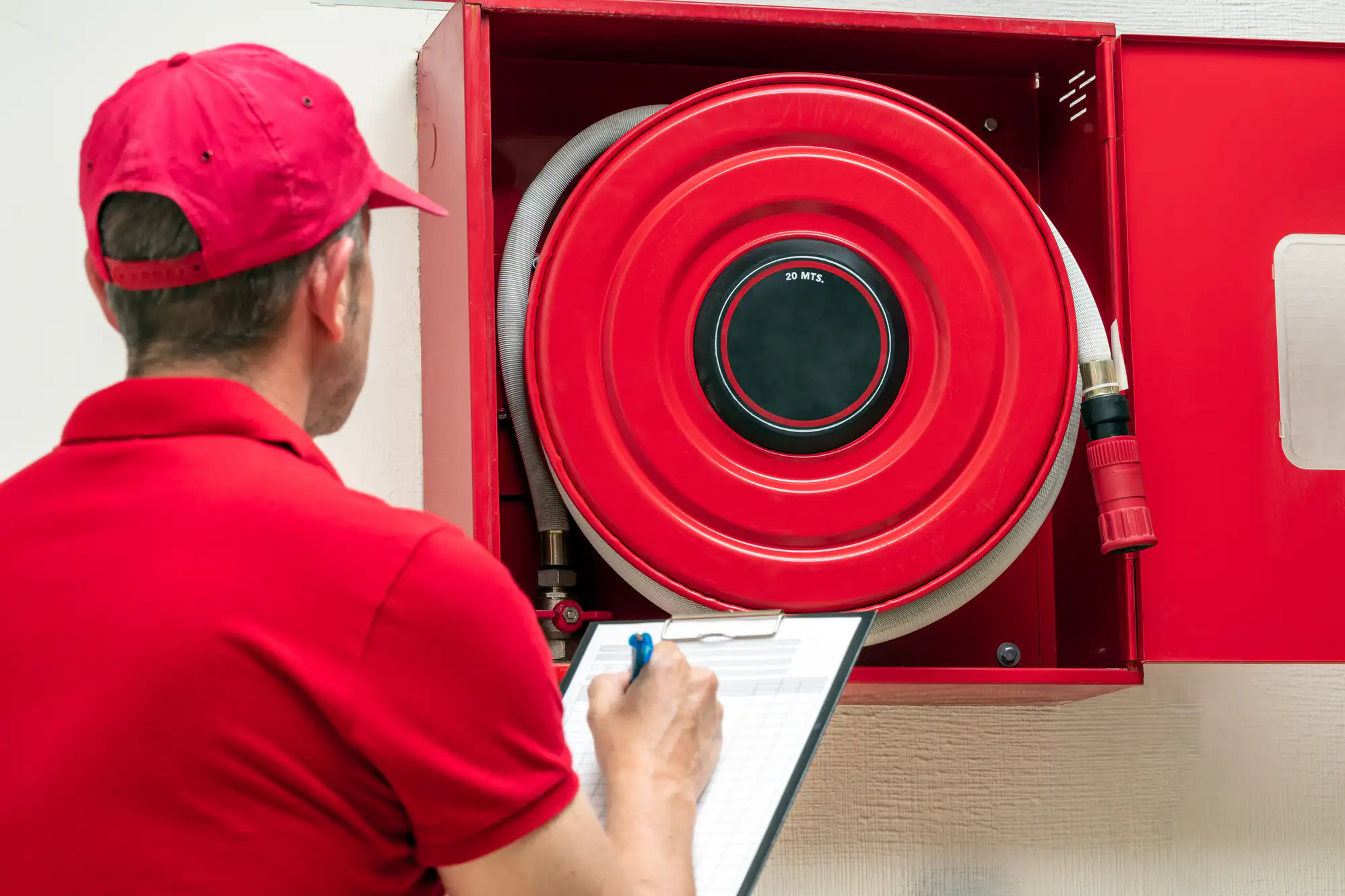
First, we assess your current fire protection systems and documentation. That means looking at your fire alarms, sprinkler systems, emergency lighting, exit signage, and any existing inspection records. We’re checking for gaps between what you have and what the ICC building code requires for your specific building type and occupancy.
Next, we create your fire safety plan. This isn’t a generic template—it’s a documented strategy that addresses your building’s layout, occupancy load, egress requirements, and emergency procedures. If you’re missing components like proper egress window code compliance or your fire alarm drawings don’t match the actual installation, we identify that now instead of during a failed inspection.
Then we handle corrections and installations. If you need violation correction services, we document everything for the fire marshal. If you need new equipment or system upgrades, we install it correctly the first time. You get organized records for every inspection and test we perform, which matters when FDNY or local inspectors ask to see your maintenance logs.
After that, we set up your ongoing compliance schedule. Fire protection isn’t one-and-done. NFPA 25 requires monthly, quarterly, semi-annual, and annual inspections depending on your system components. We track those deadlines and handle the testing so you’re never caught off guard by an expired certification.
Ready to get started?
You get a complete fire safety assessment that covers your entire property. We evaluate fire alarm systems, sprinkler and standpipe functionality, emergency lighting and exit signs, fire extinguisher placement and certification, kitchen suppression systems if applicable, and BDA system installation for emergency responder communication.
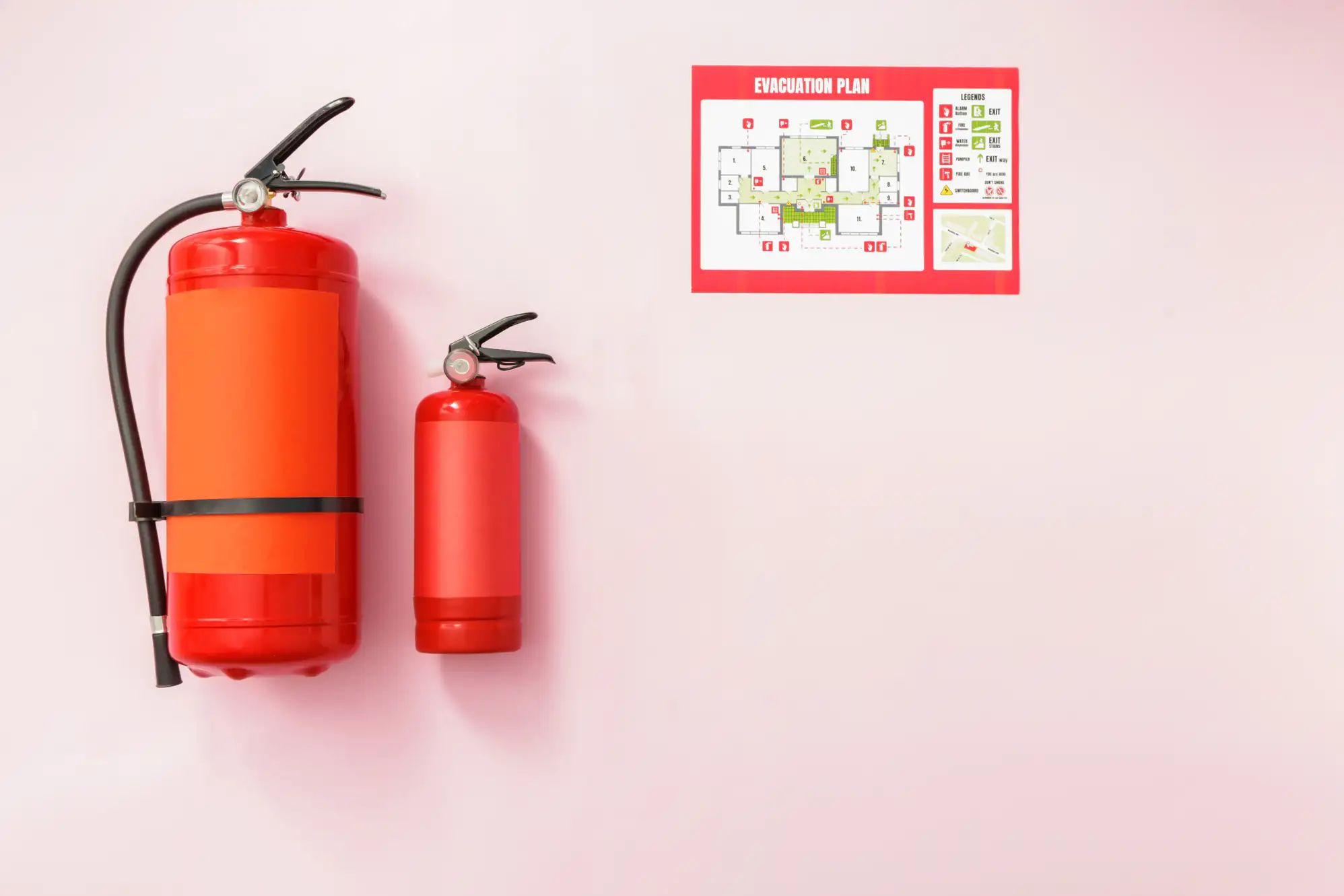
Your fire and safety plan gets developed according to current code requirements. That includes detailed floor plans showing evacuation routes, assembly points, fire protection equipment locations, and emergency contact procedures. We also provide staff training if needed, so your team knows what to do during an actual emergency—not just what the plan says on paper.
Violation correction is a major part of what we do around Stony Brook University and the surrounding Suffolk County area. FDNY violations can cost anywhere from $250 for first-time issues to over $5,000 for repeat offenses. In 2024 alone, FDNY issued more than 22,000 violations across NYC. While Stony Brook falls under Suffolk jurisdiction, the enforcement mentality is similar—inspectors are thorough, and missing documentation will fail you even if your equipment works fine.
We also handle the technical installations that most general contractors can’t touch. BDA systems, for example, require FCC-certified installation and must meet international building code standards for emergency responder communication. When 98.5% of first responders report building dead spots and 56% have experienced communication failures during emergencies, proper BDA installation isn’t optional—it’s life safety.
A fire protection consultant walks your property and evaluates every component of your fire safety systems against current code requirements. That means testing fire alarms to confirm they’re wired correctly and communicating with monitoring stations. Checking sprinkler heads for proper spacing, coverage, and water pressure. Verifying that emergency lighting actually works during power failures and that exit signs are visible and illuminated.
We also review your documentation. If you can’t produce inspection reports, testing logs, or affidavits of correction when a fire inspector asks, you’ll fail compliance even with functioning equipment. Most property owners don’t realize that NFPA 25 requires routine inspections on monthly, quarterly, semi-annual, and annual schedules depending on the component. Missing those deadlines creates liability.
The assessment results in a written report that identifies code violations, system deficiencies, and documentation gaps. You get a clear action plan with priorities—what needs immediate attention to avoid violations versus what can be scheduled for future upgrades. No guessing about what the fire marshal will flag during the next inspection.
If your building has commercial occupancy, public access, or more than a certain number of occupants, you need a fire safety plan. The specific threshold depends on your building classification under the ICC building code, but generally any commercial property, educational facility, healthcare facility, or multi-family residential building over three stories requires one.
Suffolk County enforces fire safety plans seriously, especially for buildings around Stony Brook University where you have high occupancy loads and mixed-use spaces. Your plan must include detailed floor layouts showing primary and secondary evacuation routes, locations of fire extinguishers and alarm pull stations, assembly points outside the building, and procedures for notifying occupants and emergency responders.
The plan also needs to address how you’ll maintain fire protection systems. That means documenting your inspection schedule, identifying who’s responsible for testing equipment, and keeping records that prove compliance. When a fire marshal inspection happens, they’re checking that your plan matches your actual building layout and that you’re following the procedures you documented. A plan that sits in a drawer and never gets updated will fail inspection just as quickly as having no plan at all.
You get a violation notice with a deadline to correct the issues and provide proof of compliance. Depending on the severity, you might face fines ranging from $250 to $5,000 or more. Repeat violations or life-safety hazards can result in building closures, stop-work orders on construction projects, or increased scrutiny during future inspections.
The bigger problem is what happens after the violation. Your insurance company might increase premiums or question coverage if you can’t demonstrate code compliance. If someone gets injured and you have documented fire safety violations, you’re looking at serious liability exposure. Projects get delayed because you can’t get occupancy permits until violations are cleared.
Correction requires more than just fixing the problem. You need to document what was wrong, what you did to fix it, and provide proof that the system now meets code. That usually means hiring a licensed fire protection contractor to perform the work, getting the proper permits, and submitting affidavits of correction with supporting inspection reports. If you try to cut corners or do the work yourself without proper licensing, you’ll fail the re-inspection and add more violations to your record.
Fire codes evolve as new building materials, construction methods, and fire safety technologies emerge. The international fire code and NFPA 101 life safety code get updated every three years based on research, incident data, and industry input. What worked in 2015 might not meet 2024 standards because we’ve learned more about how fires spread in modern buildings or how emergency responders need to communicate during incidents.
Suffolk County adopts these updated codes, but individual municipalities can add their own requirements on top of state and national standards. That’s why something that passes inspection in one town might not meet requirements in another. Stony Brook’s enforcement might emphasize different aspects than neighboring areas based on local building types, incident history, or municipal priorities.
The other factor is interpretation. Fire marshals have discretion in how they apply codes to existing buildings versus new construction. A system that was grandfathered in under old codes might suddenly need upgrades if you’re doing renovations or changing your building’s occupancy classification. Staying compliant means working with someone who tracks these changes and understands how local inspectors interpret gray areas in the code.
NICET certification isn’t legally required for all fire protection work, but it’s the national standard for proving competency in fire alarm system design, installation, and inspection. When you hire NICET certified professionals, you’re getting people who’ve passed rigorous exams covering electrical theory, fire alarm technology, code requirements, and system troubleshooting. They’re not just installers—they understand how systems should be designed and why codes require specific configurations.
This matters during inspections and when problems arise. A fire marshal can tell the difference between work done by someone who understands NFPA 72 requirements and someone who just knows how to mount devices on walls. If your system fails inspection, you want the person fixing it to know exactly what the code requires and how to document compliance—not someone who’s guessing based on past jobs.
NICET certification also affects your liability and insurance. If something goes wrong and your fire protection system didn’t perform as expected, having documented proof that certified professionals designed and installed it according to code requirements protects you. Insurance companies and attorneys look at those credentials when determining fault and coverage. Saving money upfront by using uncertified contractors can cost you significantly more when you’re dealing with violations, failed inspections, or worse—an actual fire incident.
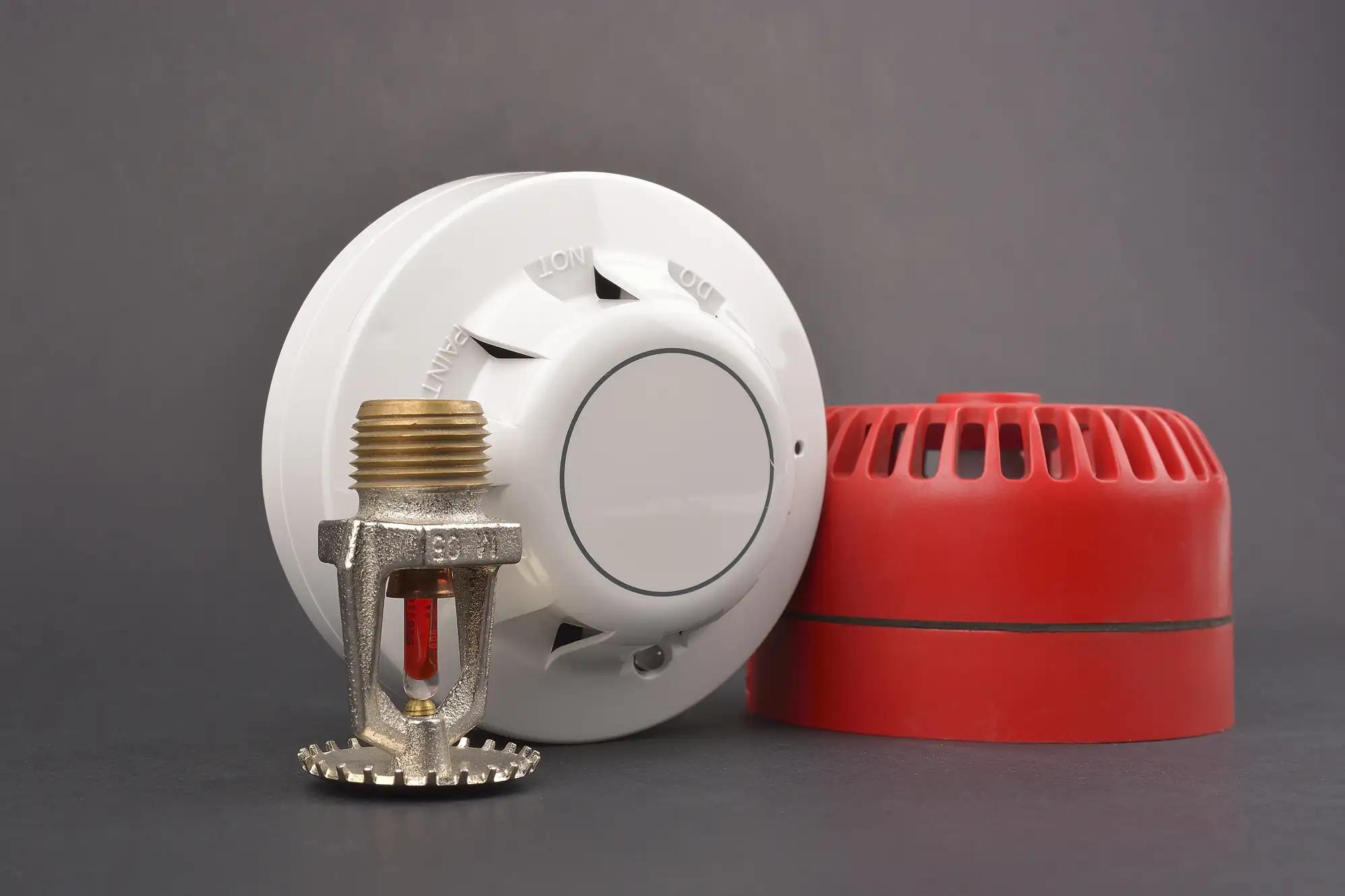
A fire alarm system is the physical equipment that detects fires and alerts occupants—smoke detectors, heat sensors, pull stations, notification devices, and control panels. It’s the hardware that makes noise and signals when there’s danger. Your fire safety plan is the documented strategy for what happens before, during, and after a fire emergency.
The plan covers evacuation procedures, staff responsibilities, how to notify emergency responders, where people should assemble outside the building, and how you’ll account for everyone who was inside. It also documents your fire protection equipment locations, maintenance schedules, and inspection records. The fire alarm system is one component of your overall fire safety plan, but the plan encompasses much more than just the alarm.
You need both, and they need to work together. Your fire safety plan should reference your fire alarm system’s capabilities and limitations. If your alarm system only covers certain areas or doesn’t include voice evacuation, your plan needs to address how you’ll notify people in uncovered zones. When fire marshals review your plan during inspections, they’re checking that it accurately reflects your building’s actual conditions and equipment—not just a generic template that doesn’t match reality.
Other Services we provide in Stony Brook University