Explore firsthand accounts of our exceptional service and dedication to safety through the glowing testimonials from our satisfied clients.
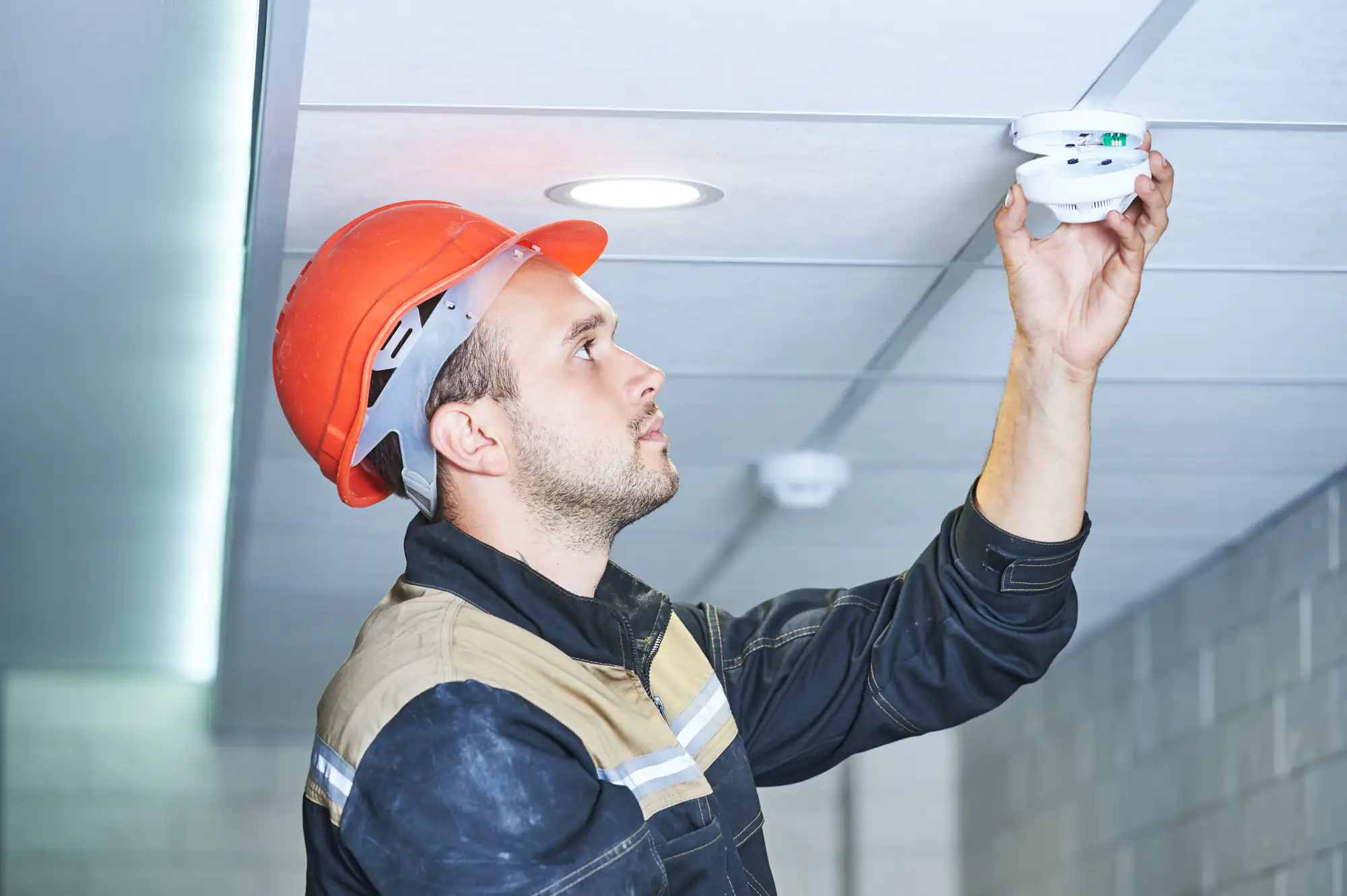
A working fire detection system means your building stays compliant with Suffolk County’s fire codes, which matters because violations here aren’t suggestions. You’re looking at fines, legal liability, and the kind of insurance headaches that cost real money.
But compliance is just the baseline. What you really get is a system that doesn’t fail when smoke fills a room at 2 AM. About 30% of commercial fire alarm systems don’t work when they’re needed, usually because of dead batteries or aging equipment that nobody’s maintaining properly.
The right fire detector installation means your insurance company takes notice. Most Long Island carriers drop your premiums by 5% to 20% when you’ve got a monitored system that meets their requirements. That’s not a one-time savings, that’s every year you own the building. And if something does go wrong, you’ve got documentation showing you did everything right, which matters when lawyers start asking questions.
We hold NYS License #12000325006 and Suffolk County License 180, which means we’re not just familiar with local fire codes, we’re accountable to them. We’re a Notifier by Honeywell authorized dealer and our team carries NICET certifications, so the systems we install meet manufacturer standards and local requirements.
West Sayville sits in a part of Suffolk County where fire districts operate independently, and each one has its own inspection protocols. We’ve worked with property owners throughout Sayville, Oakdale, Bohemia, and the surrounding communities long enough to know what inspectors look for and what causes systems to fail.
We’re also MBE certified and members of the New York Fire Alarm Association. That matters because it means we’re held to industry standards that go beyond just passing inspection. When we install a fire detection system, it’s built to last and maintained to work.
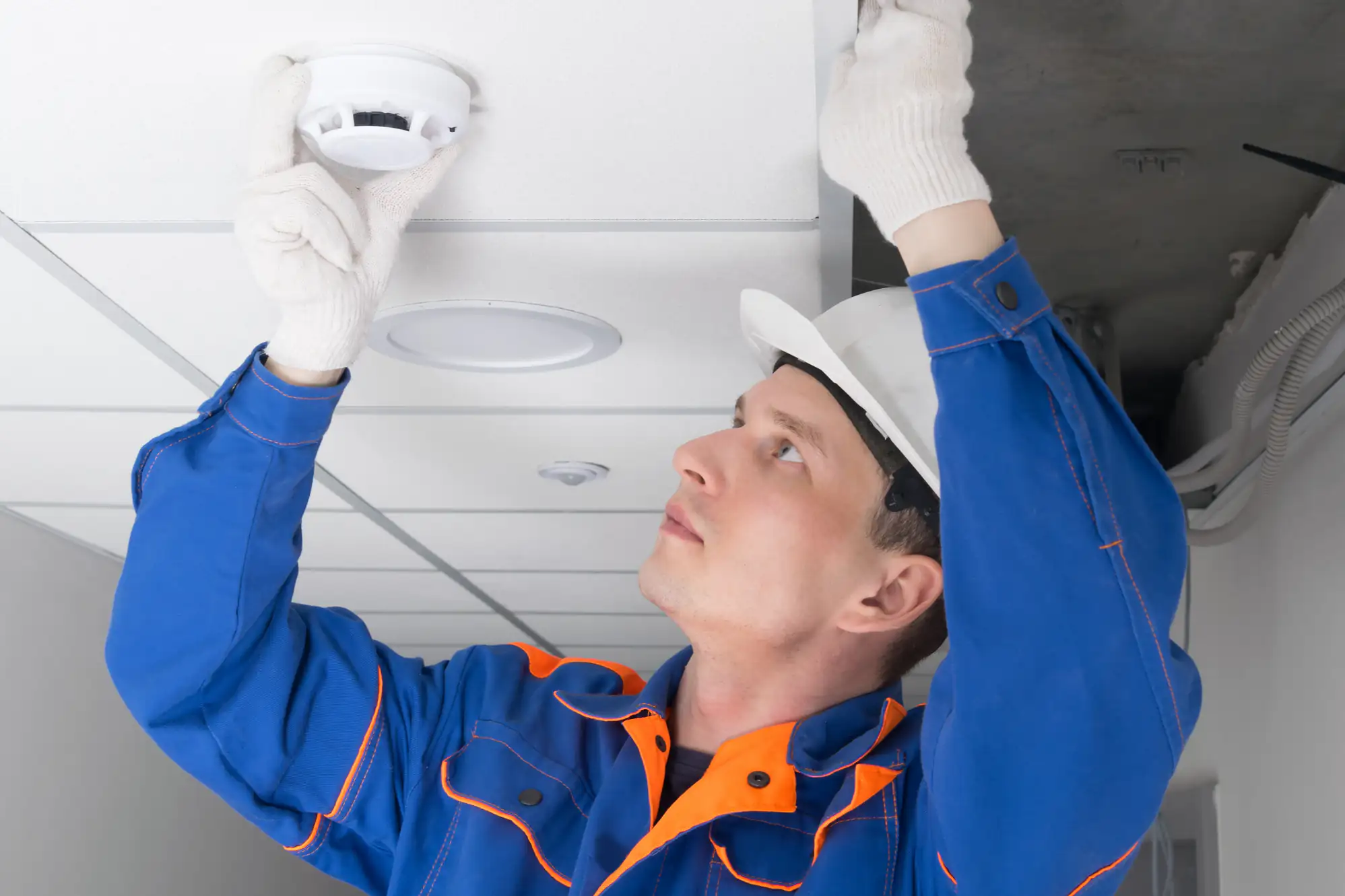
We start with a site assessment of your property. That means walking through your building, looking at layout, occupancy type, and any existing fire protection equipment. We’re checking what Suffolk County requires for your specific use case, whether that’s a restaurant with commercial cooking equipment or a warehouse with high ceilings and storage concerns.
Once we know what you need, we design a system using Notifier by Honeywell equipment that fits your building. This isn’t about selling you the most expensive setup. It’s about placing smoke detectors, heat sensors, and pull stations where they’ll actually detect fire conditions and meet code requirements for coverage and spacing.
Installation gets scheduled around your business hours when possible. Our NICET certified technicians run the wiring, mount the devices, and program the panel to communicate with our 24/7 monitoring center. Before we leave, the system gets tested to make sure every detector, every notification device, and every circuit works correctly.
After activation, you get documentation for your records and your insurance company. We handle the ongoing inspections and maintenance that Suffolk County requires, which includes monthly visual checks and annual professional testing. If something triggers an alarm, our monitoring center contacts you first, then dispatches fire services if needed.
Ready to get started?
A complete fire detector installation covers more than just smoke alarms on the ceiling. You’re getting a networked fire detection system with smoke detectors, heat sensors, manual pull stations, and notification devices like strobes and horns that meet NFPA 72 standards. The control panel monitors every device and communicates with our central station for 24/7 monitoring.
For buildings in West Sayville and throughout Suffolk County, we also handle combo smoke and carbon monoxide detectors where required, especially in residential occupancies or mixed-use buildings. If your property needs a BDA system for emergency responder radio coverage, our FCC-certified team integrates that with your fire alarm to meet local fire code requirements.
Installation includes all the documentation you need for inspections and insurance purposes. That’s as-built drawings, equipment specifications, and test records that prove your system meets Suffolk County fire codes. We also provide training for your staff on how to respond to alarms and how to use manual pull stations correctly.
Long Island properties face specific challenges. Salt air accelerates corrosion on outdoor devices. Older buildings have wiring limitations that affect system design. We account for these factors during installation so your fire detection system works reliably in actual conditions, not just on paper.
Most commercial fire alarm systems run between $3 and $7 per square foot installed, which means a 5,000 square foot building typically costs $15,000 to $35,000 for a complete system. That range depends on your building’s layout, occupancy type, and what Suffolk County requires for your specific use.
A small retail shop might need basic smoke detection and notification devices. A restaurant needs heat detectors in the kitchen, smoke detectors in dining areas, and sometimes special suppression system integration. Warehouses with high ceilings need different detector spacing and more powerful notification devices to meet code requirements.
The upfront cost usually pays for itself through insurance savings. Most Long Island carriers drop premiums by 5% to 20% for buildings with monitored fire alarm systems, and that reduction applies every year. Over a ten-year period, those savings often cover a significant portion of the installation cost, and you’re getting the protection and compliance that comes with a working system.
Standalone smoke detectors run on batteries and sound a local alarm when they detect smoke. They work for residential applications, but they don’t meet commercial fire code requirements in Suffolk County. A complete fire detection system is a networked setup where every device communicates with a central control panel that’s monitored 24/7.
Commercial fire detection systems include multiple types of sensors. Smoke detectors for general areas, heat detectors for kitchens or dusty environments where smoke detectors cause false alarms, and manual pull stations near exits so people can trigger the alarm manually. All these devices connect to a control panel that monitors their status constantly and sends signals to our central monitoring station.
When your fire detection system activates, our monitoring center gets the signal immediately and follows your emergency protocol. That might mean calling you first to verify, or it might mean dispatching fire services right away depending on what you’ve specified. The system also creates a record of every alarm, every test, and every maintenance event, which matters for inspections and liability protection.
Suffolk County requires monthly visual inspections for all commercial fire alarm systems, plus annual professional inspections and testing by a licensed company. The monthly checks are basic: you’re looking at control panel status, checking that notification devices aren’t blocked or damaged, and making sure manual pull stations are accessible.
Annual inspections are more thorough. A licensed technician tests every smoke detector, every heat sensor, every notification device, and every circuit in the system. We verify that detectors respond correctly to test smoke, that horns and strobes activate at proper levels, and that the control panel communicates with the monitoring center. This testing gets documented for your records and for fire marshal inspections.
Beyond required inspections, batteries need replacement every few years, and detectors have a lifespan of about ten years before they need replacement. Ignoring maintenance is why an estimated 30% of commercial fire alarms don’t work when needed. Regular service keeps your system compliant and functional, and it’s usually covered under a monitoring and maintenance contract that spreads the cost over time.
Yes, most insurance carriers serving Long Island reduce commercial property premiums by 5% to 20% when you install a monitored fire detection system that meets their requirements. The exact discount depends on your carrier, your building type, and what kind of fire protection you have in place.
Insurance companies care about monitored systems because response time matters. A fire that’s detected and reported within minutes causes less damage than one that burns unnoticed for an hour. Commercial property fires resulted in $4 billion in losses in 2022, and insurers know that working fire detection reduces their risk significantly.
To qualify for the discount, your system typically needs to be monitored by a UL-listed central station, maintained regularly, and compliant with NFPA 72 standards. You’ll need to provide documentation to your insurance company showing the system meets their requirements. We provide all the paperwork you need, and most property owners see the premium reduction show up on their next renewal after installation.
Fire code violations in Suffolk County come with fines, mandatory correction deadlines, and potential liability issues if something goes wrong before you fix the problem. Common violations include non-functional detectors, expired devices, missing documentation, or systems that don’t meet current code requirements for your occupancy type.
We handle violation correction by first assessing what’s actually wrong. Sometimes it’s a simple fix like replacing dead batteries or updating inspection records. Other times the existing system doesn’t meet current NFPA 72 standards and needs upgrading or replacement. We provide a clear scope of what needs to happen and what it costs to get back into compliance.
The correction process includes fixing the physical problems, updating all required documentation, and coordinating with the fire marshal for re-inspection. Time matters here because violations come with deadlines, and missing those deadlines means escalating fines. We prioritize violation correction work because we know you’re dealing with pressure from inspectors and potentially from insurance companies who don’t like seeing open violations on properties they cover.
Yes, modern fire detection systems integrate with access control, HVAC, and building automation systems to improve safety and meet code requirements. When a fire alarm activates, the system can unlock doors along exit paths, shut down air handlers to prevent smoke spread, and trigger emergency lighting throughout the building.
Integration makes sense for larger commercial properties where fire safety involves more than just sounding an alarm. Elevators need to return to the ground floor during a fire alarm. HVAC systems need to stop circulating air that could spread smoke. Security cameras can help verify what’s happening when an alarm triggers. All of this requires coordination between different building systems.
We work with your existing equipment and contractors to design integration that meets Suffolk County fire codes and actually works during an emergency. That includes programming the fire alarm panel to send the right signals, testing the integration thoroughly, and documenting everything for inspections. The goal is a coordinated emergency response where all your building systems work together instead of creating confusion when people need to evacuate.
Other Services we provide in West Sayville