

Explore firsthand accounts of our exceptional service and dedication to safety through the glowing testimonials from our satisfied clients.
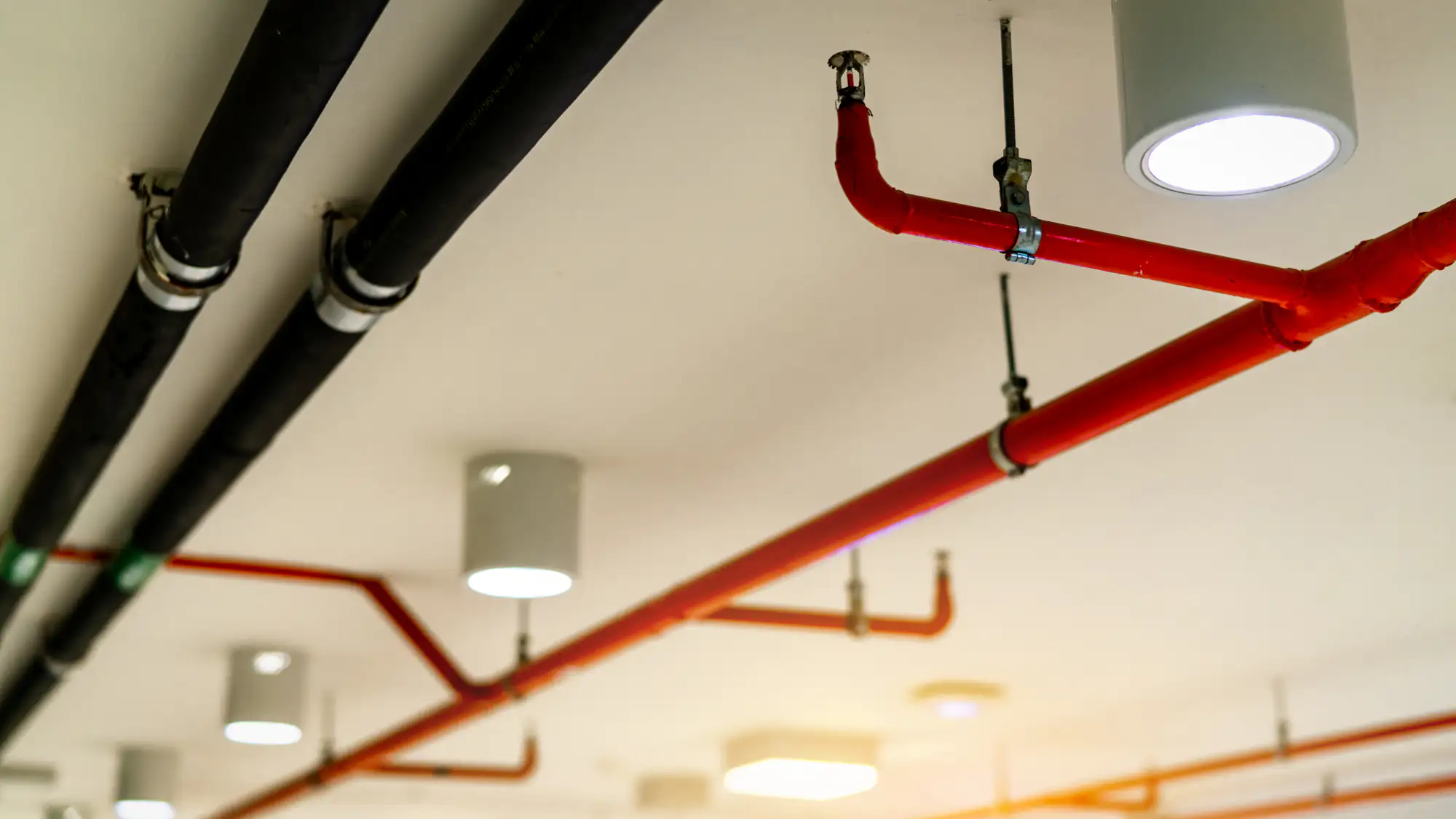
You’re not dealing with fire protection because it’s fun. You’re doing it because the fire marshal showed up, or because your insurance company is asking questions, or because you know what happens when sprinkler systems fail during an actual emergency.
Here’s what changes when your fire protection systems actually work: no more surprise violations. No more scrambling before inspections. No more wondering if your fire alarm will go off when it’s supposed to—or worse, when it’s not.
Your building stays compliant with NFPA 25 standards. Your fire sprinkler system gets tested on schedule. Your documentation is ready when inspectors ask for it. You’re not the property manager getting called at 2 a.m. because a sprinkler head malfunctioned and flooded the second floor.
That’s the difference between fire protection that checks a box and fire protection that actually protects.
We hold licenses in Suffolk County, Nassau County, and New York City—not because we wanted wall decorations, but because we work across jurisdictions that each have their own codes and requirements. We’re NICET certified, MBE certified, and we’re authorized Notifier by Honeywell dealers.
We’ve worked in Lake Ronkonkoma long enough to know which buildings have outdated fire pump systems and which property managers are still dealing with violations from last year’s inspection. The commercial properties along Portion Road and the warehouses near the MacArthur Airport corridor have different fire protection needs than the medical facilities in the area—and we’ve handled both.
You’re not getting a national company that sends different techs every time. You’re getting people who know Long Island building codes and who’ve corrected violations in buildings that look a lot like yours.
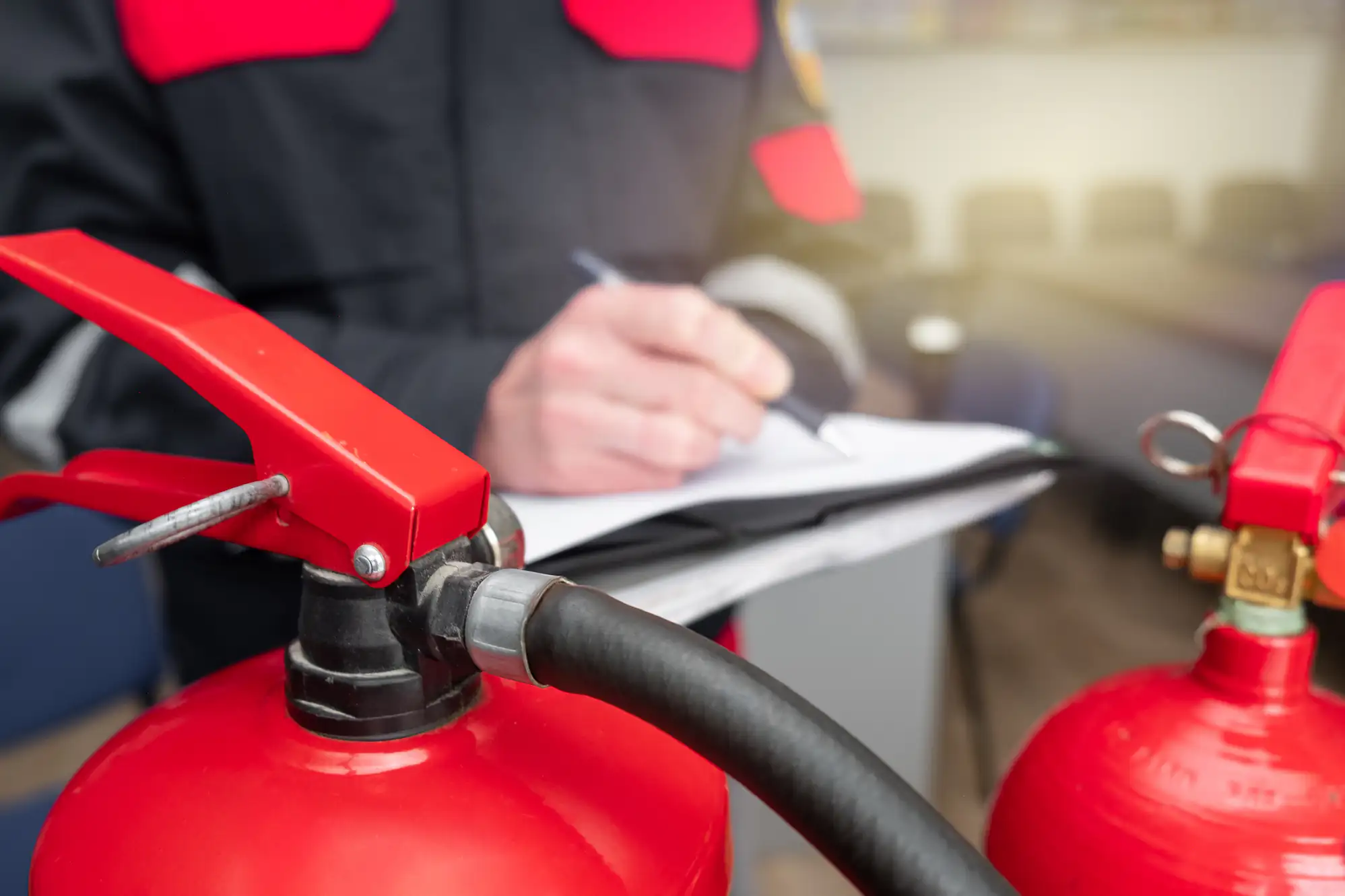
First, we look at your current system—or lack of one. If you’re starting from scratch, we design a fire sprinkler system or fire alarm system that meets the International Building Code and Title 24 requirements for your building type. If you’ve got existing equipment, we assess what’s salvageable and what’s a liability.
Then we handle the installation or upgrades. That includes fire sprinkler systems, fire alarm panels, fire pumps, and BDA systems if your building needs better emergency communication for first responders. Our techs are NICET certified, which means they know how to install systems that actually pass inspection the first time.
After installation, we test everything. Fire pump flow tests. Sprinkler head functionality. Alarm panel response times. You get documentation that proves your system meets NFPA 25 standards—the same documentation inspectors will ask for.
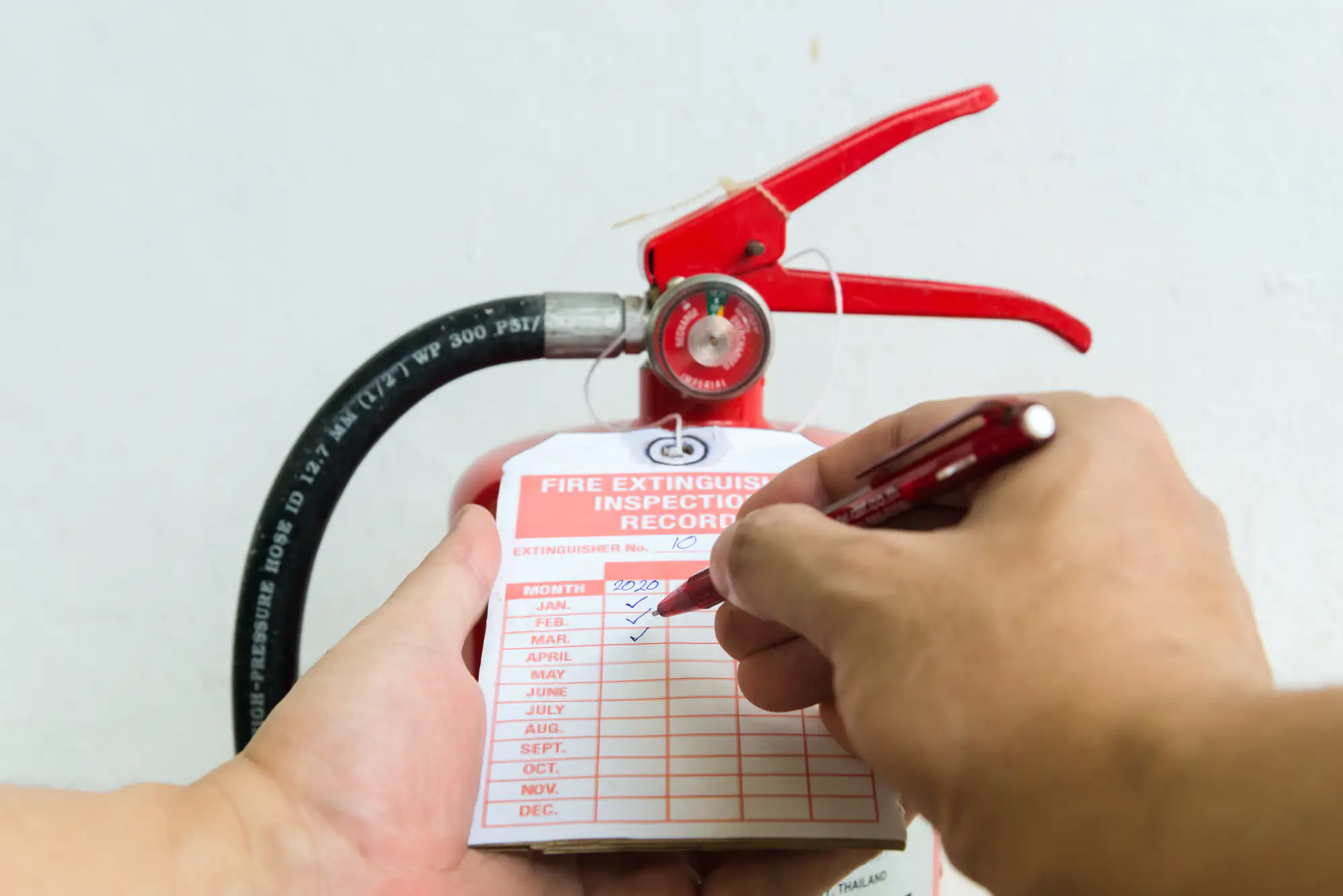
Then we set you up on a maintenance schedule. Annual inspections aren’t optional, and falling behind is how you end up with violations. We track your deadlines, show up when we’re supposed to, and keep your systems in compliance without you having to remember when the last test was done.
Ready to get started?
You get fire sprinkler system installation and repair—from design to the final sprinkler head. You get fire alarm systems that meet current building code requirements, not the ones from when your building was first constructed. You get fire pump testing and certification, because pumps fail when they’re not maintained and nobody finds out until it’s too late.
If you’ve already got violations, we handle those too. Violation correction is a specific skill set, and it’s one of the reasons property managers in Lake Ronkonkoma and surrounding areas like Bohemia, Holbrook, and Hauppauge call us. We know what the fire marshal is looking for, and we know how to fix it fast.
For larger commercial buildings and high-rises, we install BDA systems—Bi-Directional Amplifier systems that let firefighters and emergency responders communicate inside your building when they’re trying to save lives. It’s required in many newer buildings, and it’s becoming required in older ones during renovations.
You also get ongoing maintenance. We’re not the company that disappears after installation. We’re the one that shows up every year to make sure your fire protection systems still work, your documentation is current, and your building stays off the violation list.

NFPA 25 requires annual inspections for most fire sprinkler systems, but the frequency can change based on your system type and building use. Wet pipe systems—the most common type—need a full inspection every year, including checking gauges, control valves, and sprinkler heads for damage or obstruction.
If you’ve got a dry pipe system, which is common in unheated warehouses or parking garages around Lake Ronkonkoma, you’re looking at more frequent trip tests and air pressure checks. Same goes for fire pumps—they need monthly checklists and annual flow tests to make sure they’ll actually deliver water pressure when a fire breaks out.
The bigger issue isn’t just the inspection schedule. It’s the documentation. When the fire marshal or your insurance company asks for proof that your system is up to code, you need records that show every test, every repair, and every maintenance visit. Missing documentation is treated the same as a failed inspection, and that’s how violations happen even when your equipment technically works.
A fire alarm system detects fire and alerts people to evacuate. A fire sprinkler system puts the fire out. You need both, but they do completely different jobs.
Fire alarms use smoke detectors, heat detectors, and manual pull stations to sense a fire and trigger alarms, strobes, and notifications to the fire department. They’re required in almost every commercial building and many residential properties under the International Building Code. Some systems also include carbon monoxide detectors—like Kidde fire and carbon monoxide detector setups—especially in buildings with boilers or parking garages.
Fire sprinkler systems are the actual suppression equipment. When heat reaches a certain temperature, sprinkler heads open and release water to control or extinguish the fire before it spreads. They’re not triggered by smoke or alarm signals—they’re triggered by heat at each individual sprinkler head. That’s why you’ll sometimes see sprinklers go off in one room but not the whole building.
Both systems need to be installed correctly, inspected regularly, and maintained according to NFPA 25 and local building codes. A fire alarm that doesn’t sound, or a sprinkler system with closed valves or corroded pipes, won’t help you when it matters.
You get a violation notice, and depending on the severity, you might get a deadline to fix it or face fines. In some cases, the fire marshal can restrict building occupancy until the issue is resolved. That means lost revenue, delayed operations, and a lot of stress.
Common violations include expired inspections, broken or missing sprinkler heads, fire alarm panels that don’t communicate with the monitoring station, or control valves that are closed when they should be open. Sometimes it’s a paperwork issue—your system works fine, but you can’t prove it was tested on schedule.
The correction process depends on what failed. If it’s a documentation problem, we can often resolve that quickly by performing the required tests and providing updated records. If it’s an equipment failure—like a fire pump that won’t hold pressure or a fire alarm system with faulty wiring—we’ll need to make repairs and then schedule a re-inspection.
Violation correction is time-sensitive. The longer you wait, the higher the fines and the bigger the risk to your building occupants. We’ve corrected violations for commercial properties throughout Lake Ronkonkoma, Islandia, Central Islip, and the surrounding area, and the key is acting fast and hiring someone who knows exactly what the inspector is looking for.
If your building is over a certain height or size, municipal water pressure won’t be enough to supply your fire sprinkler system during an emergency. That’s when you need a fire pump—it boosts water pressure to make sure sprinklers on upper floors or distant sections of the building will actually work.
Fire pumps are required in many mid-rise and high-rise buildings, large warehouses, and any structure where the highest sprinkler head is too far above the water supply to get adequate pressure. The International Building Code and NFPA 20 lay out specific requirements based on building height, occupancy type, and sprinkler system design.
Here’s the part people miss: fire pumps need regular testing. Monthly churn tests, annual flow tests, and periodic performance evaluations are all required under NFPA 25. A fire pump that hasn’t been tested in two years might not start when you need it, or it might not deliver the pressure your sprinkler system was designed for.
If you’re in Lake Ronkonkoma or nearby areas like Ronkonkoma, Nesconset, or Hauppauge and you’re not sure whether your building needs a fire pump or whether your existing pump is compliant, that’s something we assess during the initial inspection. It’s not a maybe—it’s either required or it’s not, and we’ll tell you which.
NFPA 25 is the standard for inspection, testing, and maintenance of water-based fire protection systems. It’s published by the National Fire Protection Association, and it’s the rulebook that fire marshals, insurance companies, and building inspectors use to determine whether your fire sprinkler system is actually being maintained.
It covers everything: how often you need to inspect sprinkler heads, when to test fire pumps, what to check on control valves, how to document everything, and what to do when something fails. If your system isn’t maintained according to NFPA 25, you’re out of compliance—even if the equipment still works.
The standard gets updated regularly, which means requirements change. A maintenance schedule that was acceptable five years ago might not meet current NFPA 25 guidelines. That’s why working with a company that stays current on code changes matters. We’re not guessing what inspectors want—we’re following the same standard they’re using.
For property owners and facility managers in Lake Ronkonkoma and the surrounding towns, NFPA 25 compliance is what keeps you off the violation list and keeps your insurance valid. It’s also what makes sure your fire sprinkler system will actually work if you ever have a fire. Skipping inspections or falling behind on testing isn’t a cost-saving move—it’s a liability.
It depends on the size of your building, the type of system, and whether we’re working in new construction or retrofitting an existing structure. A small commercial space might take a week. A large warehouse or multi-story building could take several weeks or longer.
New construction is faster because we’re working with open ceilings and walls. We can run pipe, mount sprinkler heads, install the fire pump and control valves, and test everything before the drywall goes up. Retrofits are slower—we’re working around your existing layout, trying to minimize downtime, and sometimes dealing with outdated infrastructure that needs to be removed first.
The design phase happens before installation starts. We calculate water demand, determine sprinkler head placement based on building code and Title 24 requirements, and make sure the system will actually provide coverage for your entire building. Cutting corners in design is how you end up with dead zones that won’t be protected during a fire.
After installation, there’s testing and inspection. We run flow tests, check pressure at every sprinkler head, verify that the fire alarm system integrates correctly if needed, and document everything for the fire marshal. You don’t get a certificate of completion until the system passes—and if it doesn’t pass, we fix it until it does.
Other Services we provide in Lake Ronkonkoma