Explore firsthand accounts of our exceptional service and dedication to safety through the glowing testimonials from our satisfied clients.
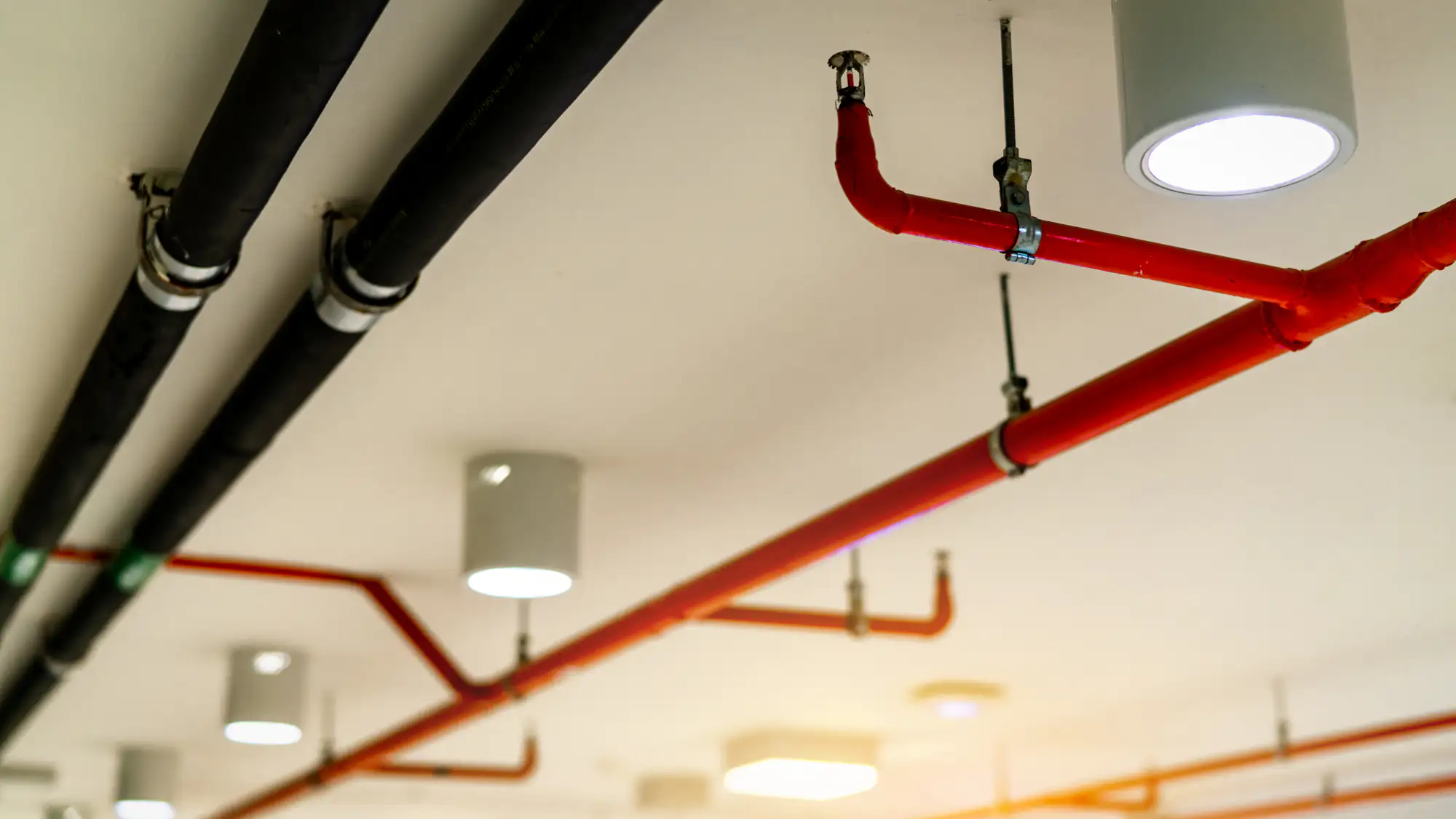
When your fire protection systems are installed right and maintained consistently, you’re not scrambling when the fire marshal shows up. You have documentation ready. Your insurance stays in good standing. Your Certificate of Occupancy doesn’t get held up during a sale or refinance.
That’s what compliance looks like when it’s handled by people who know the building code inside and out. No surprises during inspections. No violations piling up because someone missed an NFPA 25 requirement or let a fire pump certification lapse.
The difference is simple: your systems work when they need to, and you have proof they’ve been maintained properly. That’s not just peace of mind—it’s what keeps your doors open and your liability low.
We hold NYS License #12000325006, Nassau County licenses, and Suffolk County license 180. We’re NICET certified, MBE certified, and an authorized Notifier by Honeywell dealer. That’s not fluff—those credentials mean we can legally design, install, inspect, and maintain fire protection systems across Suffolk, Nassau, and NYC.
We’re based right here on Long Island, so when you call about a violation in Selden or need emergency service in Bohemia, Ronkonkoma, or Hauppauge, we’re not coming from two hours away. We know the local fire codes, the inspectors, and what buildings in this area typically need to stay compliant.
We’ve worked with commercial properties, warehouses, restaurants, and high-value residential buildings throughout the region. You’re not getting a national chain with a call center—you’re getting a local team that answers the phone and shows up when we say we will.
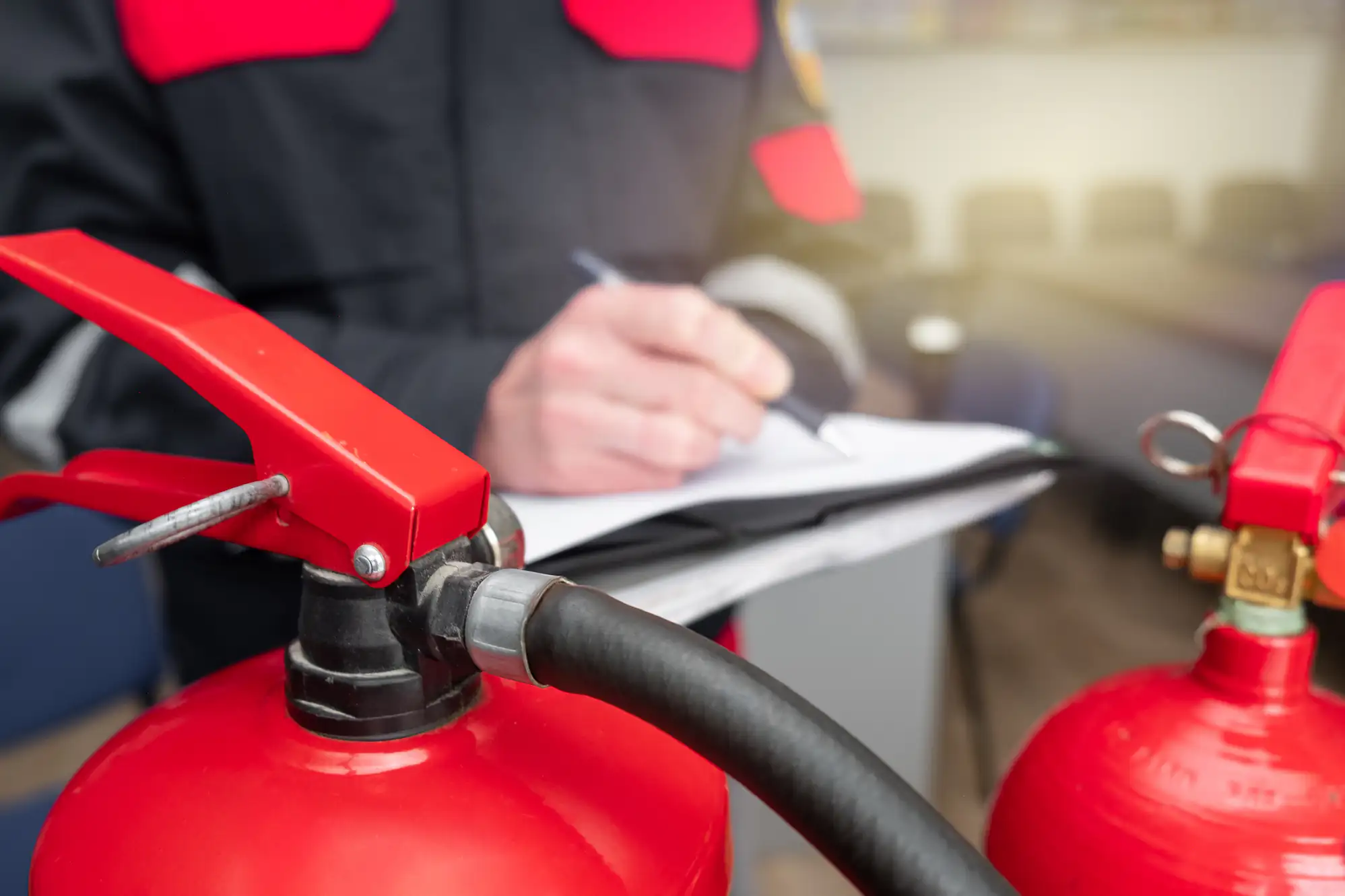
First, we assess what you actually need. That means looking at your building type, square footage, occupancy, and what the International Building Code and Title 24 require for your specific situation. If you’re dealing with a violation, we review the citation and figure out exactly what needs to be corrected to lift it.
Next, we design or specify the system. For new installations, that includes fire alarm drawings, sprinkler system layouts, and any suppression equipment like kitchen hoods or BDA systems. If it’s a repair or upgrade, we map out what’s failing and what needs replacing to meet NFPA 25 standards.
Then we install or repair the system using certified equipment—Notifier by Honeywell fire alarms, code-compliant fire sprinklers, properly rated fire extinguishers, whatever the job requires. Our NICET certified techs handle the work, and we pull permits when needed so everything’s documented correctly.
After installation, we test everything, provide you with the required documentation, and set up ongoing inspections. That’s annual fire alarm testing, sprinkler inspections, backflow testing, hydrostatic testing on extinguishers—all the maintenance that keeps you compliant year after year. If something breaks or you get hit with an emergency, we’re available 24/7 to respond.
Ready to get started?
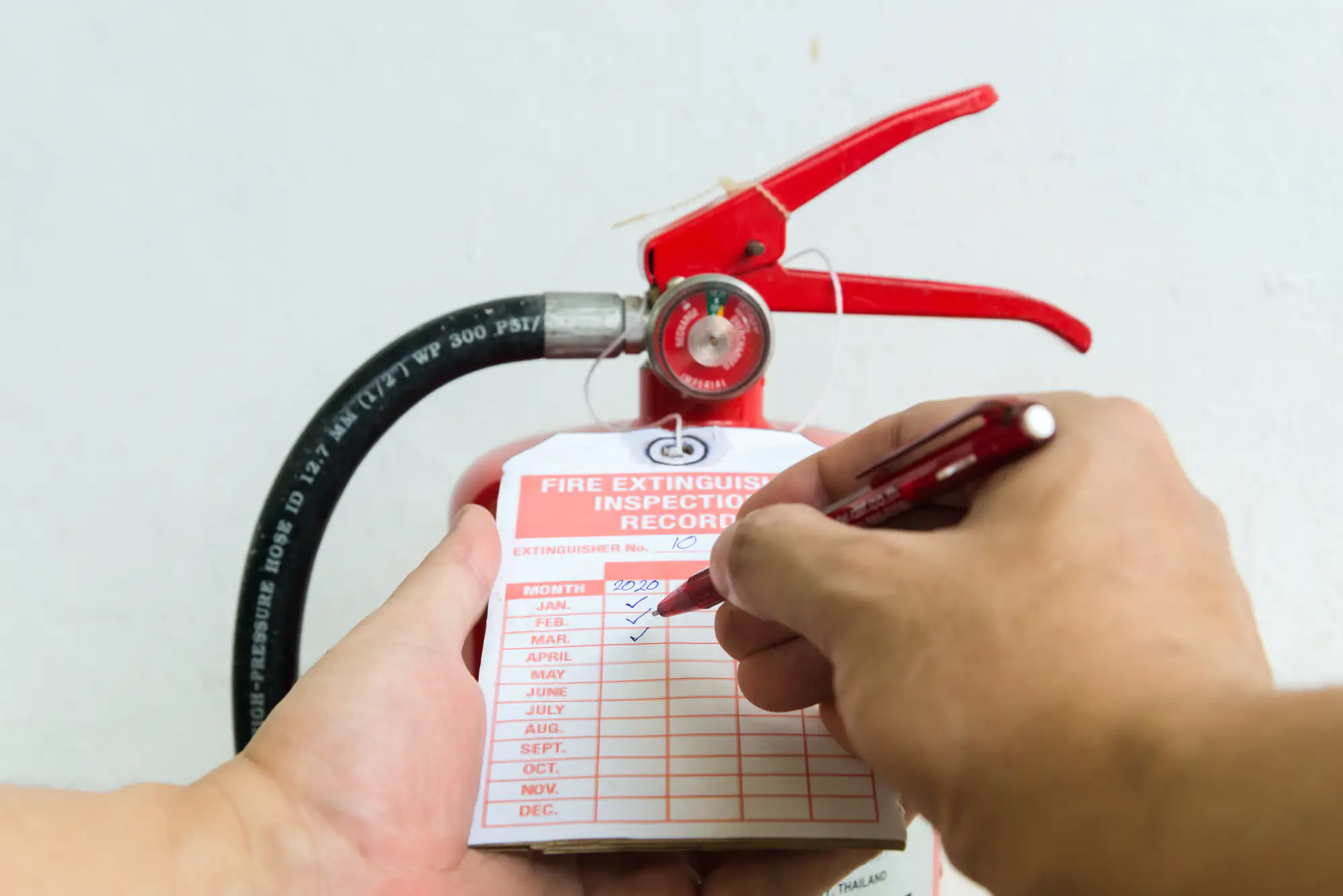
You get complete fire alarm system installation and monitoring, including design, wiring, panel setup, and integration with your existing building systems. We handle fire sprinkler installation and retrofits, whether it’s a small office in Selden or a warehouse in Central Islip. Fire extinguisher service includes inspections, recharging, hydrostatic testing, and replacement when units are past their service life.
For restaurants and commercial kitchens, we install and maintain kitchen fire suppression systems that meet local fire code. If you need a BDA system for emergency responder radio coverage, we’re FCC certified to design and install those too. We also handle fire pump testing and maintenance, backflow prevention testing, and emergency lighting inspections.
Selden sits right in the middle of Suffolk County, where commercial and industrial properties are everywhere—from the office parks near Route 347 to the warehouses along the industrial corridors. That means fire code enforcement is tight, and inspections happen regularly. Buildings here need systems that meet NFPA standards and can handle the demands of year-round operation.
When violations come up—and they do, especially in older buildings or after ownership changes—we provide violation correction services. That means identifying what’s wrong, fixing it fast, and supplying the documentation the fire marshal needs to lift the violation. We’ve done this hundreds of times across Long Island, so we know what inspectors are looking for and how to resolve issues without dragging it out.
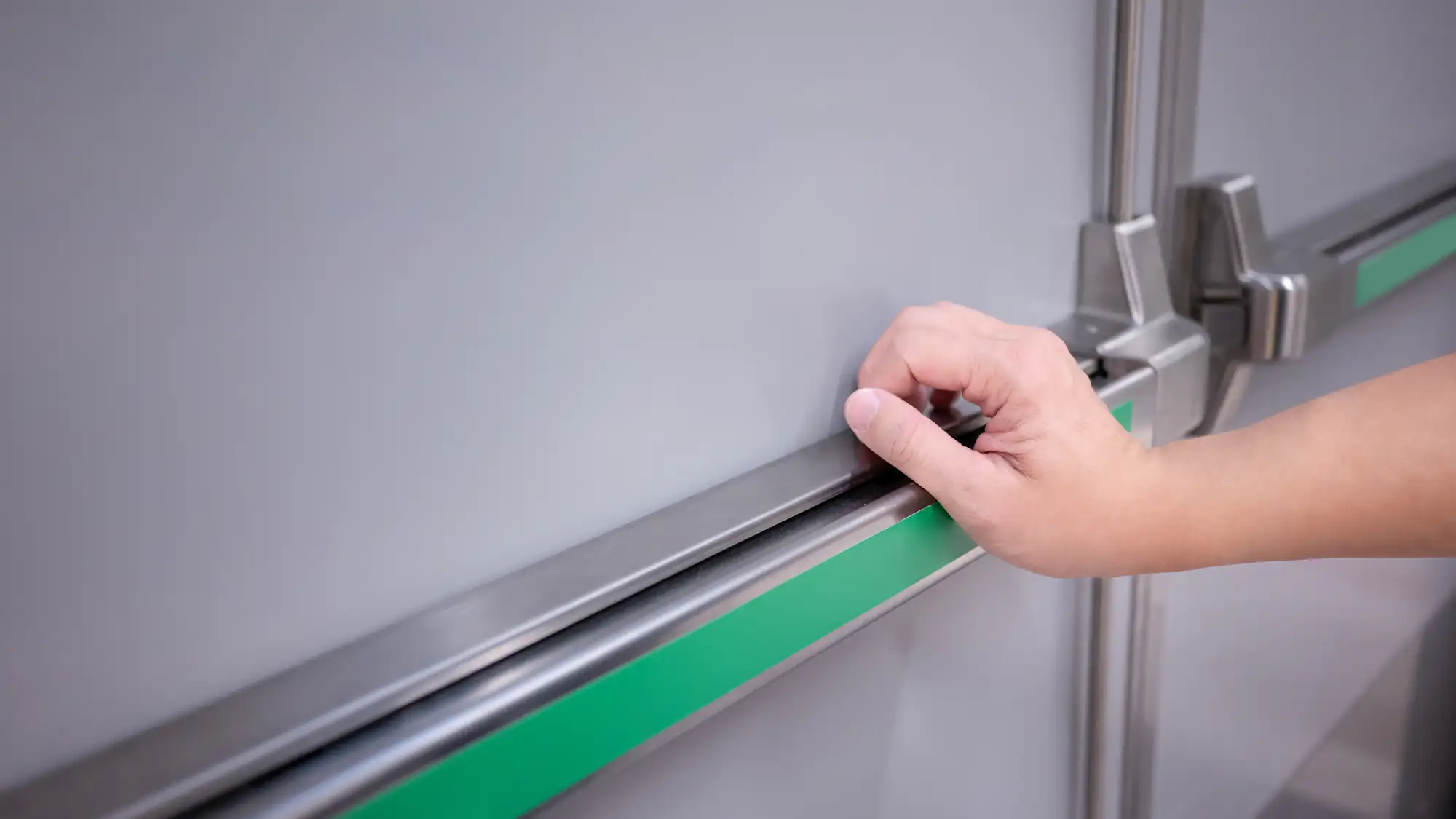
NFPA 25 requires annual inspections for most fire sprinkler systems, but the frequency depends on the type of system and your building’s use. Wet pipe systems typically need a full inspection once a year, including checking gauges, valves, and sprinkler heads for damage or obstruction. Dry pipe and pre-action systems often require quarterly trip tests and annual full inspections.
If your building has a fire pump, that needs weekly churn tests and annual flow tests. Backflow preventers require annual testing by a certified tester. These aren’t suggestions—they’re code requirements, and if you skip them, you’re out of compliance.
Most property owners in Selden and across Suffolk County set up annual service agreements so inspections happen automatically. That way, you’re not trying to remember when the last test was or scrambling to schedule something right before a building sale. We handle the testing, document everything, and send you copies for your records and your insurance company.
When you receive a fire violation, you’re given a deadline to correct the issue—usually 30 to 90 days depending on severity. If you don’t fix it in time, fines start piling up. In New York, those fines can range from $800 to $5,000 per violation, and they increase if the problem isn’t resolved.
Violations can also block your Certificate of Occupancy, which means you can’t sell or refinance the property until it’s cleared. For commercial buildings, a serious violation can even result in a shutdown until the fire marshal signs off that it’s safe.
The fastest way to handle a violation is to hire someone who knows exactly what the fire marshal is looking for. We review the citation, identify what needs to be fixed, complete the work, and provide the documentation required to lift the violation. In most cases, once the correction is made and properly documented, the violation gets dismissed. The key is acting fast and doing it right the first time, so you’re not dealing with follow-up inspections or escalating fines.
It depends on your building type, size, and occupancy. Residential properties can often get by with interconnected smoke detectors like a Kidde fire and carbon monoxide detector setup. But once you cross into commercial territory—offices, retail, warehouses, multi-family buildings—the building code almost always requires a full fire alarm system with manual pull stations, notification devices, and monitoring.
The International Building Code and local fire codes in New York are strict about this. If your building is over a certain square footage, has multiple tenants, or serves the public, you need a code-compliant fire alarm system. That usually means a monitored panel connected to a central station that alerts the fire department automatically when the alarm goes off.
A proper fire alarm system does more than detect smoke. It provides early warning, helps with evacuation, and ensures emergency responders are notified immediately. If you’re not sure what your building requires, we can review your property and tell you exactly what the code mandates. Guessing or cutting corners on this is a bad idea—it’s one of the first things inspectors check, and it’s a common source of violations.
There’s no one-size-fits-all number because every building is different. A small office might cost $3 to $7 per square foot for a basic wet pipe system. A larger warehouse or a building with high ceilings, complex layouts, or special hazards can run significantly more. Retrofitting an older building usually costs more than installing sprinklers during new construction because you’re dealing with existing walls, ceilings, and utilities.
The price depends on system type, building size, water supply, and how much pipe and how many heads you need. If your water pressure is low, you might need a fire pump, which adds to the cost. If the building requires a dry pipe or pre-action system because of freezing risk or sensitive equipment, that’s more complex and more expensive than a standard wet pipe setup.
What matters more than the upfront cost is getting a system that’s designed and installed correctly. A cheap installation that doesn’t meet NFPA standards or fails inspection ends up costing more in the long run when you have to redo it. We provide upfront estimates based on your building’s actual needs, and we design systems that pass inspection the first time so you’re not paying twice.
NFPA 25 is the standard for inspecting, testing, and maintaining water-based fire protection systems. If your building has fire sprinklers, standpipes, or a fire pump, you’re required to follow NFPA 25. That means regular inspections on a set schedule—weekly, monthly, quarterly, and annually depending on the component.
Weekly tasks usually involve checking fire pump operation if you have one. Monthly inspections include checking valve positions and alarm devices. Quarterly inspections cover things like dry pipe system trip tests. Annual inspections are the big ones: full system testing, internal inspections of piping in some cases, and flow tests to make sure water pressure and volume meet design specs.
All of this has to be documented. Inspectors and insurance companies want to see records proving the work was done by qualified people on schedule. If you can’t produce those records, you’re considered non-compliant even if the system is working fine. Most property owners in Selden don’t have the time or expertise to manage this themselves, so they hire a licensed fire protection company to handle the inspections and keep the paperwork up to date. That’s what we do—we run the tests, document everything, and make sure you’re covered if anyone asks.
Yes. BDA stands for Bi-Directional Amplifier, and it’s required in many commercial buildings to ensure that firefighters and emergency responders can communicate via radio inside the building. If your building has areas where radio signals don’t penetrate—basements, interior spaces, thick concrete or steel construction—you likely need a BDA system to meet fire code.
New York fire codes increasingly require BDA systems in mid-rise and high-rise buildings, large retail spaces, hospitals, and other structures where emergency communication is critical. The system amplifies radio signals from outside and distributes them throughout the building using antennas and cabling. It has to be tested annually and maintained to ensure it works during an emergency.
We’re FCC certified to design and install BDA systems, which means we can handle everything from the initial signal strength testing to system design, equipment installation, and integration with your fire alarm system. The fire marshal will test the system during inspections, and if it doesn’t meet signal strength requirements, you’ll get a violation. We make sure it’s installed right the first time and provide the documentation you need to prove compliance. If you’re building new or renovating in Selden or anywhere in Suffolk County, this is something to address early before the final inspection.
Other Services we provide in Selden