Explore firsthand accounts of our exceptional service and dedication to safety through the glowing testimonials from our satisfied clients.
You’re not dealing with another violation notice. You’re not scrambling to figure out which fire district’s rules apply to your building. You’re not paying emergency fees because someone missed an inspection deadline.
Your fire safety plan is current. Your systems pass inspection the first time. Your documentation is organized and ready when the fire marshal shows up.
That’s what fire code compliance looks like when someone who actually knows Suffolk County’s requirements handles it. You get NICET certified professionals who understand that Selden properties fall under specific fire district regulations—and who know exactly what NFPA 101 life safety code standards apply to your building type. No confusion about whether you need monthly, quarterly, or annual inspections. No wondering if your egress window code compliance will hold up during the next review.
We hold NYS License #12000325006 plus both Nassau and Suffolk County licenses. We’re not a national company trying to figure out local requirements on your dime.
We’re a Notifier by Honeywell authorized dealer and New York Fire Alarm Association member serving Selden, Ronkonkoma, Bohemia, Centereach, and surrounding Long Island communities. Our team includes NICET certified professionals who’ve spent years navigating Suffolk County’s decentralized fire district model—the one that makes compliance more complicated here than in Nassau County.
When you work with an MBE certified local company, you get someone who shows up knowing which fire inspector will review your property and what they’ll be looking for. That matters more than you might think.
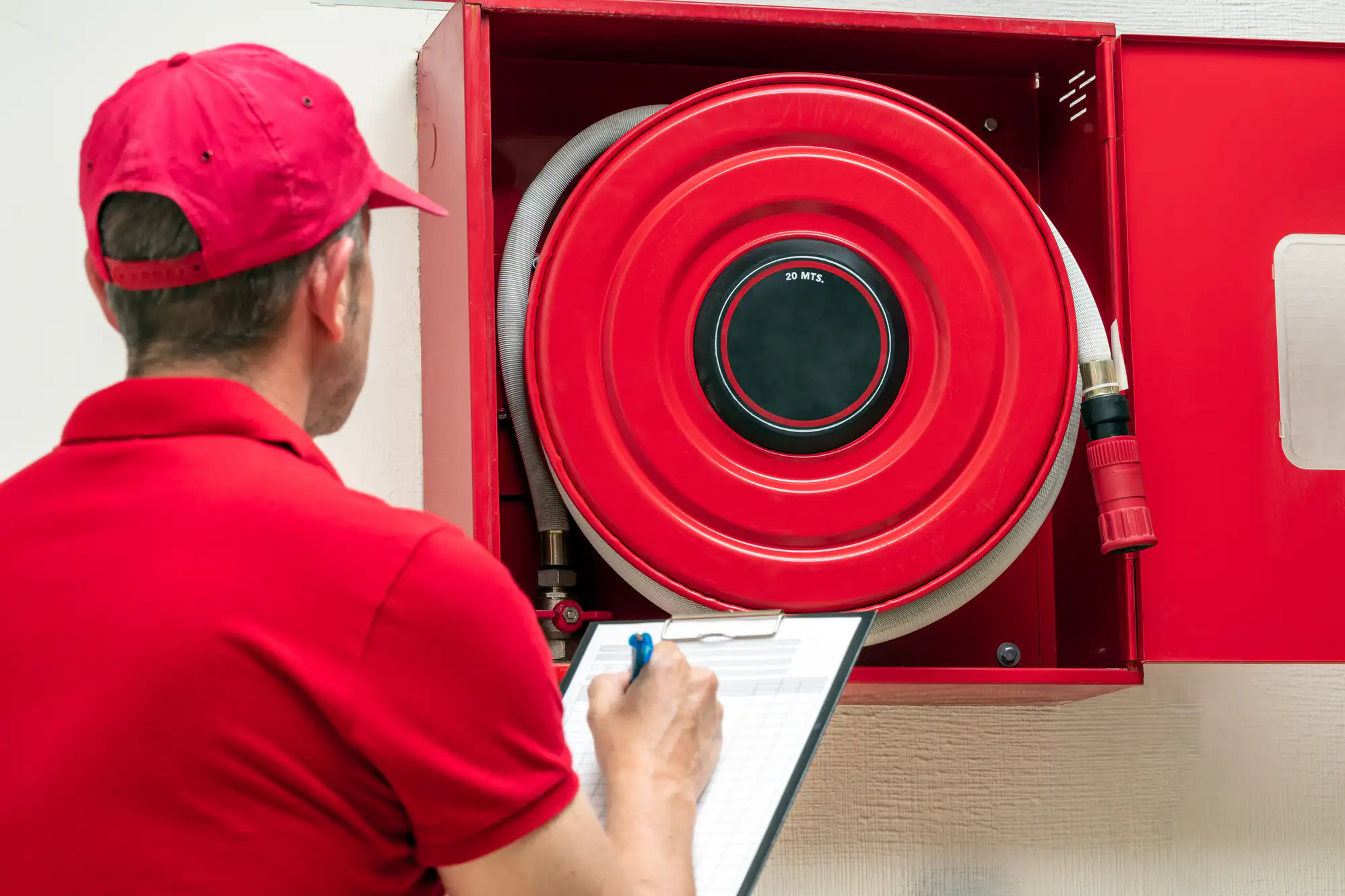
We start with a thorough premise assessment. That means walking your property to identify what fire protection systems you have, what condition they’re in, and what the international fire code requires for your specific building use and occupancy type.
Then we create or update your fire and safety plan. This isn’t a template document—it’s a detailed plan that addresses your building’s layout, occupancy load, egress routes, and fire protection equipment. We make sure it meets both NFPA standards and your local fire district’s amendments.
Next comes the inspection and testing schedule. We tell you exactly what needs to happen monthly, quarterly, semi-annually, and annually under NFPA 25 standards. If you’ve got water-based fire protection systems, we handle the inspecting, testing, and maintenance requirements so you’re never caught off guard.
If there are violations or deficiencies, we correct them. We don’t just point out problems—we fix them and document everything properly for your next fire marshal inspection.
Ready to get started?
You get code compliance review for your specific property type. Commercial buildings, restaurants with kitchen suppression systems, warehouses, and high-value residential properties all have different requirements under the ICC building code and NFPA standards. We identify which rules apply to you.
You get violation correction services when something’s already wrong. Maybe a previous inspection flagged issues you’re not sure how to fix. Maybe you inherited a building with outdated fire protection systems. We resolve those problems and get you back in compliance.
You get ongoing inspection coordination. In Suffolk County, you’re dealing with independent fire districts that each have their own inspection schedules and specific requirements. We track what’s due when and make sure you’re ready. That includes coordinating with your local fire inspector and maintaining all required documentation.
For properties needing BDA system installation—that’s Bi-Directional Amplifier systems for emergency responder radio coverage—we handle that too. Our FCC-certified team ensures your building meets the communication requirements that fire departments and emergency services need.
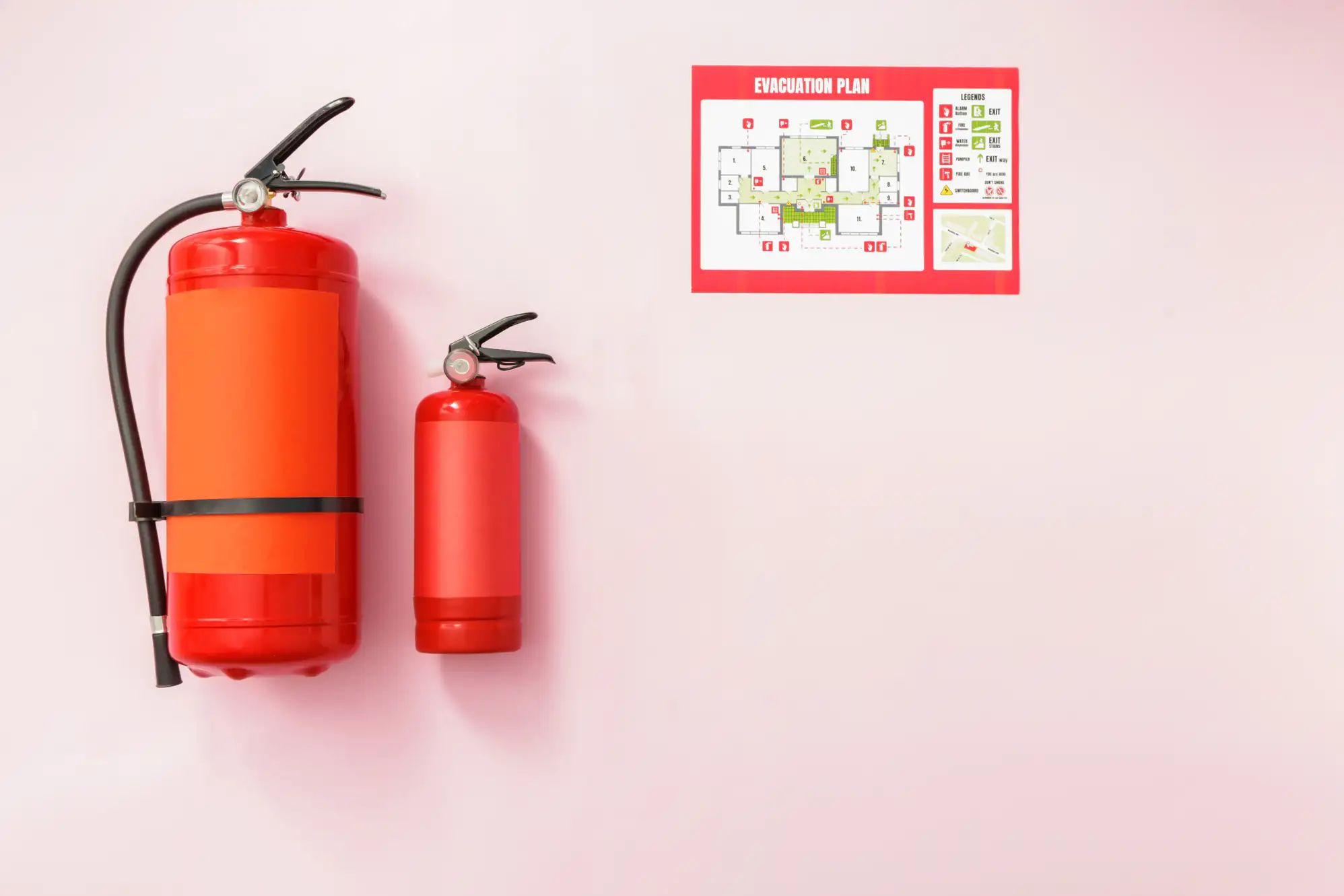
NFPA 101 is the Life Safety Code focused on protecting people in buildings through proper exits, egress routes, fire-rated construction, and life safety systems. It tells you how many exits you need, how wide your hallways must be, and what fire protection equipment is required based on occupancy type.
The international fire code covers broader fire prevention and protection requirements including hazardous materials storage, fire department access, and operational permits. It addresses things like fire lane width, hydrant placement, and specific hazards related to what you’re doing in the building.
Most Long Island jurisdictions adopt the international fire code as their base, then add local amendments. Suffolk County fire districts often include additional requirements beyond what the base code mandates. Your fire safety consulting needs to address both the adopted code and local amendments—missing either one means you’re not actually compliant.
It depends on your fire protection systems and building type. NFPA 25 requires monthly inspections for some components, quarterly for others, and annual testing for most systems.
Fire alarm control panels need monthly checks. Sprinkler system gauges and valves get checked quarterly. Backflow preventers and fire pumps need annual testing. Kitchen suppression systems in restaurants require semi-annual inspection and cleaning.
Then there’s the fire marshal inspection schedule, which varies by fire district in Suffolk County. Some districts inspect annually, others every two years. High-occupancy buildings like restaurants or assembly spaces often get inspected more frequently. If you’ve had violations, expect more frequent follow-up inspections until everything’s corrected.
The real answer is that you need a documented schedule specific to your property. That’s what a fire protection consultant creates—a calendar that tells you exactly what’s due when so you’re never surprised by a failed inspection.
You get a violation notice with a deadline to correct the issues. The timeline depends on severity—life safety violations get shorter deadlines than minor documentation issues.
If it’s something like blocked exits, inoperable fire extinguishers, or disabled alarm systems, you might have days to fix it. If it’s missing inspection records or outdated fire safety plans, you’ll usually get 30-60 days. Either way, you need to correct the violation and schedule a re-inspection to verify compliance.
Ignore the deadline and you’re looking at fines, potential building closure, or legal liability if something happens. Insurance companies don’t cover damage when you’re operating with known fire code violations. That’s why violation correction services matter—you need someone who knows exactly what the fire inspector wants to see and can document the fixes properly.
The cost of professional fire safety consulting is minimal compared to shutdown costs, fines, or the legal exposure you’re carrying when you’re out of compliance.
You can attempt it yourself, but most property owners who try end up with plans that don’t pass inspection. Fire safety plans have specific requirements under NFPA 1 and your local fire code—it’s not just drawing exit routes on a floor plan.
A compliant plan includes detailed building information, occupancy classifications, fire protection system locations and specifications, emergency procedures, evacuation routes with capacity calculations, assembly points, and contact information for responsible parties. It needs to address how you’ll handle different emergency scenarios based on your building’s specific hazards and occupancy type.
Then there’s the part most people miss: the plan has to match what’s actually installed in your building and what your local fire district requires. If your sprinkler system specs don’t match what’s documented, that’s a violation. If your egress capacity calculations are wrong for your occupancy load, that’s a violation.
Fire inspectors review these plans regularly and they know what to look for. A professionally prepared fire and safety plan costs less than the violations you’ll rack up trying to figure it out yourself—and it actually protects your people and property the way it’s supposed to.
A BDA system is a Bi-Directional Amplifier that boosts radio signals so firefighters and emergency responders can communicate throughout your building. If you’ve got a large building, underground areas, or construction that blocks radio signals, emergency responders might not be able to communicate inside—and that’s a serious safety problem.
Suffolk County and most Long Island jurisdictions now require BDA systems in new commercial construction and major renovations. Buildings over a certain square footage, high-rises, underground parking structures, and buildings with significant radio signal loss all typically need these systems.
Whether your existing building needs one depends on when it was built and whether you’re doing renovations that trigger current code requirements. The fire marshal can also require BDA installation if radio signal testing shows inadequate coverage for emergency services.
BDA system installation requires FCC certification and coordination with local fire departments to ensure the system works on their specific radio frequencies. This isn’t something you hand to any electrical contractor—it needs someone who specializes in emergency responder communication systems and understands the testing and certification requirements.
Suffolk County has 109 independent fire districts, each operating as its own authority with the ability to adopt amendments to the base fire code. That means a building in Selden might have different specific requirements than one in Smithtown or Patchogue, even though they’re all in Suffolk County.
Nassau County uses a more centralized model with uniform code enforcement, so businesses there get more consistency. In Suffolk, you need to know which fire district has jurisdiction over your property and what amendments they’ve adopted beyond the international fire code.
Some districts require more frequent inspections. Some have stricter requirements for fire protection systems. Some have specific rules about fire lane access or hydrant distances that go beyond state minimums. If you operate multiple locations across Long Island, you’re dealing with different requirements at each property.
That’s exactly why local fire safety consulting matters. You need someone who knows your specific fire district’s requirements and has working relationships with the inspectors who’ll be reviewing your property. National companies often miss these local nuances—and you’re the one who pays for it in violations and delays.
Other Services we provide in Selden