Summary:
You’re ready to install your fire protection system. The equipment’s been selected, the contractor’s lined up, and the timeline’s set. Then you hit the permit process and everything slows down.
Suffolk County’s fire protection permit requirements aren’t just paperwork. They’re a multi-step process involving documentation, fees, inspections, and approval timelines that can stretch for weeks if you’re not prepared. One missing form or incorrect specification can send you back to square one.
Here’s what you actually need to know about getting fire protection permits approved in Suffolk County without the delays that derail projects.
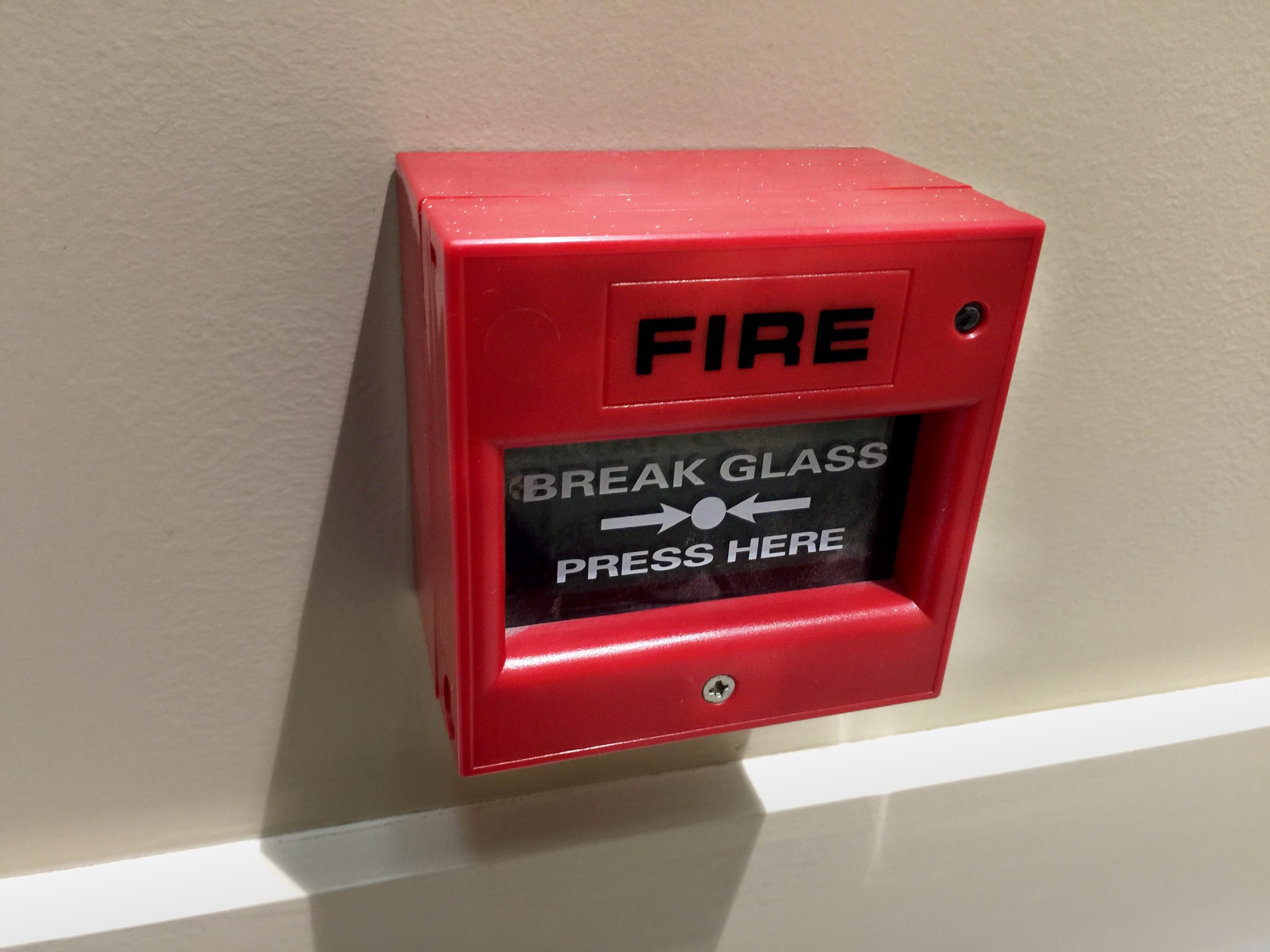
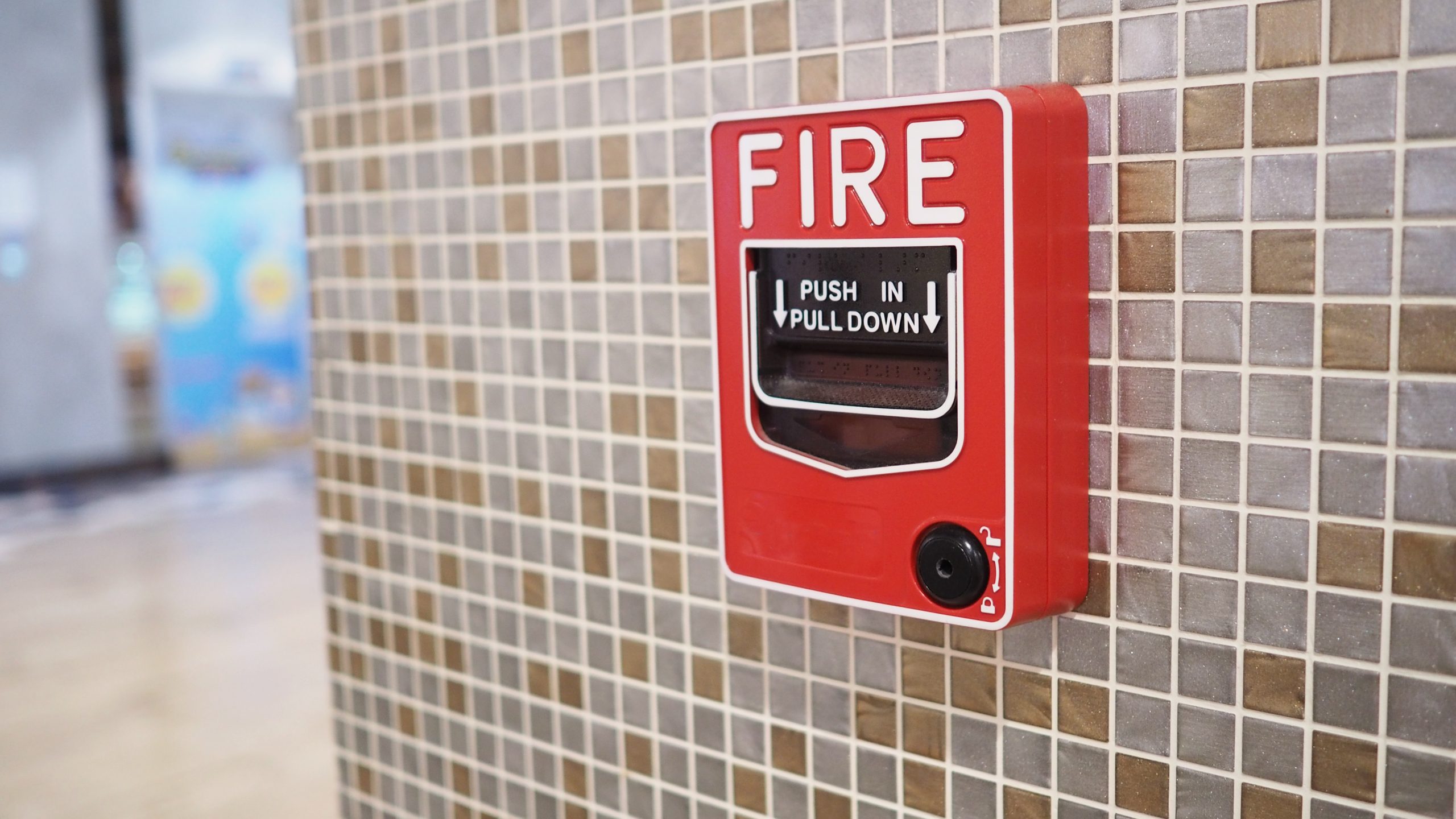
Suffolk County Fire Alarm Permit Requirements
Suffolk County operates under a decentralized fire safety model with 109 volunteer fire departments across different fire districts. What that means for you is that permit requirements can vary slightly depending on which town or village your property sits in.
The baseline starts with New York State Fire Code, but individual jurisdictions can layer additional requirements on top. Before you submit anything, confirm which fire district has jurisdiction over your property. That determines which specific fire marshal’s office reviews your application and what local codes apply beyond state minimums.
Most commercial fire alarm installations require permits processed through your local fire marshal’s office, not a centralized county office. Residential systems have different rules. If you’re installing a fire alarm as part of a home security system in Suffolk County, you’ll also need to register with Suffolk County Police Department, which runs a separate alarm permit program with its own fees and requirements.
Fire Protection Installation Permit Application Steps
The permit application process starts before any equipment gets ordered. You need approved plans first. That’s not optional, and it’s where most delays happen.
Your fire protection system plans must be submitted digitally as PDFs, and they need to bear the stamp and signature of the design professional of record. For fire alarm systems, that means drawings at minimum 1/8 scale showing device locations, panel placements, power supplies, and all end-of-line resistors. If you’re installing a sprinkler system, you’ll also need hydraulic calculations and a Suffolk County Water Authority Flow Test Letter.
Property owner authorization is required, and it has to be both signed and notarized. If you’re a contractor handling this for a client, make sure that document’s ready before you submit. Missing notarization sends the whole application back.
The installer must hold either a NYS Fire Alarm License or Registration through the Department of State. That’s verified during the application review. Using an unlicensed installer doesn’t just risk rejection, it can result in violations that are expensive to correct later. Licensed fire protection contractors understand the code requirements that apply specifically to Nassau and Suffolk County properties.
Once your application is submitted, plan review takes time. Several weeks is typical, not worst-case. The fire marshal’s office examines your plans for fire code compliance, proper device spacing, adequate coverage, and compliance with NFPA standards. If they find issues, you get objections that need to be addressed before approval moves forward.
After plan approval, you can begin installation, but you’re not done with inspections. Fire protection systems require multiple inspection points. Rough-in inspections happen during installation to verify pipe placement, wiring runs, and structural elements before walls close up. Final inspections confirm the completed system operates correctly and matches approved plans.
Schedule inspections with at least 24 hours notice. Keep your approved plans on-site during all inspections because inspectors will reference them. If your installation deviates from approved plans without prior authorization, expect to stop work and submit amendments.
Fire System Inspection Timeline and Fees
Permit fees vary by system type and scope of work. Suffolk County alarm permits for commercial properties start at $100 for initial registration, with $50 annual renewals. That’s separate from the installation permit fees processed through your local fire marshal’s office.
Fire alarm installation permits and fire suppression system permits have their own fee structures, typically based on the complexity and size of the system. Your local fire district sets these fees, so confirm the exact amount when you submit your application. Budget for these costs upfront because they’re due with your application, and they’re non-refundable even if your plans get rejected.
Timeline expectations need to be realistic. From application submission to final approval, you’re looking at a minimum of several weeks under ideal conditions. That assumes your plans are complete, accurate, and code-compliant on first submission.
If you get objections during plan review, add time for revisions and resubmission. Each round of review adds weeks. If your installation fails inspection, you’ll wait for re-inspection scheduling, and there are significant backlogs in many jurisdictions. Post-COVID delays compounded this problem, and some areas still haven’t caught up.
The approval process is designed to ensure your system works when lives depend on it. Fire marshals aren’t trying to slow you down, they’re verifying that your installation meets standards that prevent catastrophic failures. Understanding that perspective helps you see why thoroughness matters more than speed.
Plan your project timeline with permit processing built in from the start. Don’t promise occupancy dates or system activation timelines until you have approved permits in hand. The fire protection contractors who consistently deliver on schedule are the ones who factor in realistic permit timelines and prepare complete applications that pass review on the first attempt. Whether you’re in Brookhaven, Smithtown, Babylon, or Huntington, building in buffer time prevents crisis-level scrambling when inspections take longer than hoped.
Common Fire Protection Permit Mistakes
Incomplete documentation tops the list of permit application mistakes. Missing a single required form, signature, or technical specification sends your entire application back for resubmission. That’s not a minor delay, it restarts your timeline.
The most common missing items are notarized property owner authorizations, professional engineer stamps on plans, and hydraulic calculations for sprinkler systems. Double-check that every required element is included before you submit. Creating a checklist based on your specific fire district’s requirements prevents these easily avoidable rejections.
Using unlicensed contractors is another mistake that creates serious problems. New York State requires fire alarm installers to hold specific licenses or registrations. If your contractor isn’t properly licensed, your permit gets rejected and any work already completed may need to be redone by a licensed professional. Verify licensing before you hire, not after problems emerge.
Fire Alarm Permit Documentation Requirements
Fire alarm permit applications require specific technical documentation that goes beyond basic building plans. Your submission needs to show exact device locations, wiring paths, panel specifications, power supply details, and battery backup calculations.
Device spacing must comply with NFPA 72 standards, which dictate coverage areas based on ceiling height, room configuration, and occupancy type. If your plans show devices that don’t meet spacing requirements, you’ll get objections requiring redesign. Work with professionals who know these standards before plans are submitted.
For systems over $5,000 or containing specific complexities, plans must be dated, signed, and stamped by a registered professional engineer. That’s a hard requirement, not a suggestion. Budget for engineering services if your system meets these thresholds.
Voltage drop calculations are required for indicating circuits, and the drop to the farthest outlet can’t exceed 5% of supply voltage. These calculations need to be included in your submission. Missing them guarantees rejection.
Battery backup calculations must demonstrate that your system maintains operation during power outages for the required duration. These calculations need to account for all connected devices, their power draw, and the specified backup time based on occupancy type. NICET certified professionals understand how to perform these calculations correctly the first time.
If you’re connecting carbon monoxide detection to an existing fire alarm system, and you’re installing five or fewer devices in a single occupancy building, some jurisdictions accept a simplified scope of work form instead of full drawings. Contact your fire marshal’s office to confirm whether this exception applies to your project.
Keep copies of everything you submit. You’ll need approved plans on-site during installation and inspections. If questions arise during the process, having your complete submission package readily available speeds resolution. Organized documentation also helps during annual fire system inspections required to maintain your Certificate of Occupancy.
How to Avoid Fire Protection Permit Delays
Avoiding delays starts with understanding your specific jurisdiction’s requirements before you design your system. Suffolk County’s decentralized model means requirements in Brookhaven might differ from Smithtown or Babylon. Don’t assume, verify.
Contact your local fire marshal’s office early in the planning phase. Ask for their specific submission requirements, current fee schedules, and typical review timelines. This conversation often reveals jurisdiction-specific preferences or common objections that you can address proactively in your design.
Hire contractors who are licensed in your specific county and have recent experience with your fire district. Contractors familiar with local fire marshals know what gets approved and what triggers objections. That experience translates directly into faster approvals and fewer revision cycles. A fire protection contractor licensed in both Suffolk and Nassau County brings valuable perspective on how requirements differ across jurisdictions.
Submit complete, professional-quality plans the first time. Rushed or incomplete submissions always take longer overall than properly prepared applications. Invest the time upfront to ensure every required element is included, every calculation is correct, and every specification matches code requirements. This isn’t the place to cut corners.
Pre-answer common objections in your plans. Include notes explaining fire code compliance for elements that frequently trigger questions. Reference specific NFPA sections that support your design choices. This proactive approach demonstrates thoroughness and often prevents objection letters that delay approval.
Coordinate with other trades and permits. Fire protection systems often tie into electrical, plumbing, or building permits. Make sure your fire alarm permit application aligns with other permit applications for the same project. Conflicting information across different permits creates confusion and delays.
Build buffer time into your project schedule. Even with perfect applications, review takes time. Factor in realistic timelines for plan review, inspection scheduling, and potential re-inspections. Projects that account for permit realities from the start rarely face crisis-level delays.
Maintain communication with the fire marshal’s office throughout the process. If your application sits longer than expected, follow up professionally. Sometimes applications get lost in queues, and a polite inquiry can move things forward. Don’t be confrontational, but don’t assume silence means progress.
Consider professional permit services for complex projects. Companies that specialize in fire protection permits know the process intimately and have established relationships with local authorities. Their expertise can significantly reduce delays and catch problems before they derail timelines. Members of the New York Fire Alarm Association stay current on code changes and maintain connections with fire marshals across multiple jurisdictions.
Getting Your Suffolk County Fire Protection Permit Approved
Suffolk County’s fire protection permit process protects lives through thorough review and inspection. Understanding the requirements, preparing complete documentation, and working with licensed professionals who know local codes makes the difference between smooth approvals and costly delays.
Start with your jurisdiction’s specific requirements, submit complete applications with all required documentation, and build realistic timelines that account for review and inspection. The contractors who consistently deliver projects on schedule are the ones who respect the permit process and prepare accordingly.
When you’re ready to move forward with fire protection system installation in Suffolk County, Nassau County, or NYC, we bring the licensing, certifications, and local expertise that keeps projects on track. Our licensed professionals understand what fire marshals look for and help you avoid the mistakes that derail timelines and budgets.