Explore firsthand accounts of our exceptional service and dedication to safety through the glowing testimonials from our satisfied clients.
You’re looking at this page because something triggered it. Maybe you got a violation notice from the fire marshal. Maybe your insurance company is asking questions you can’t answer. Or maybe you’re just tired of wondering if your building would pass an inspection tomorrow.
Here’s what matters: Suffolk County doesn’t mess around with fire code violations. First offense runs $250 to $1,000. Repeat violations jump to $1,000 to $5,000, and that’s before they start talking about shutdown orders or increased inspection frequency.
Fire safety consulting means someone walks your property with the same eyes as an inspector, but before the inspector shows up. We identify what’s wrong, what’s missing, and what’s about to become a problem. Then we document everything properly so when the fire marshal does arrive, your log books are current, your systems are compliant, and you’re not scrambling to explain why your fire alarm panel shows three trouble codes from last month.
The goal isn’t perfection. It’s passing inspection without surprises, maintaining insurance coverage without arguments, and running your business without wondering if today’s the day someone shuts you down.
We hold NYS License #12000325006, Suffolk County license 180, and Nassau County licenses covering the full scope of fire protection work. We’re NICET certified, which means our technicians have passed the National Institute for Certification in Engineering Technologies exams that test actual knowledge of fire alarm systems, suppression systems, and code requirements.
We’re also a Notifier by Honeywell authorized dealer and a member of the New York Fire Alarm Association. Those aren’t just credentials to list on a website. They mean we install systems that inspectors recognize, we follow standards that hold up under scrutiny, and we stay current on code changes that affect your property.
West Sayville sits in Suffolk County’s decentralized fire district system, which means your property might fall under different local requirements than a building two miles away. We know which fire marshal covers your area, what they look for during inspections, and how to document compliance in a way that satisfies both local and NFPA 101 life safety code requirements.
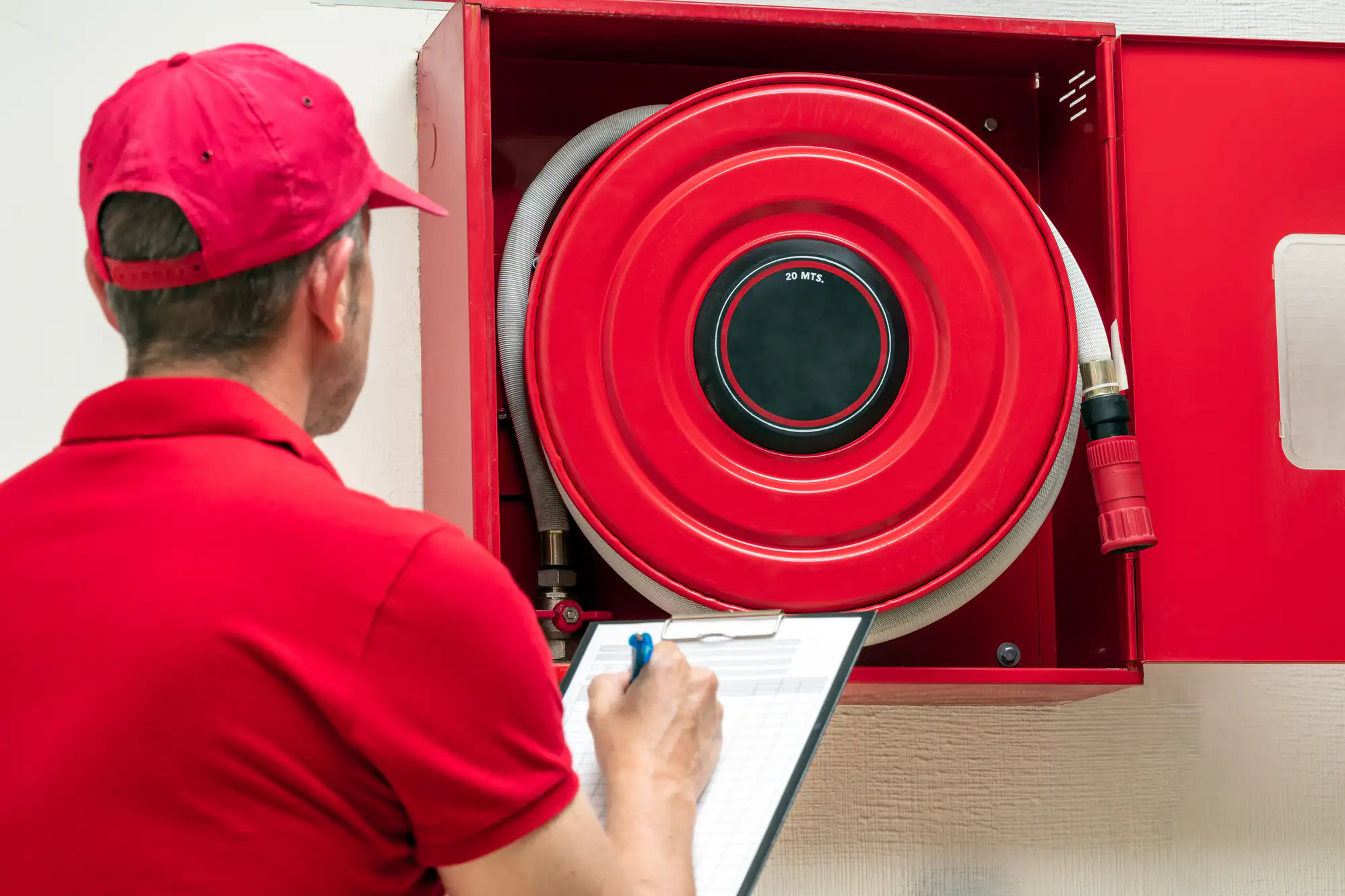
First, we walk your property. Not a quick look around, but a methodical review of every fire protection system, every exit route, every piece of documentation that an inspector will ask to see. We’re checking fire alarm panels for trouble codes, testing notification devices, reviewing your fire safety plan against current building use, and making sure your fire log book reflects the daily, weekly, monthly, and annual tasks required by code.
Second, we identify gaps. Maybe your BDA system (bi-directional amplifier for emergency responder communication) isn’t functioning in the basement. Maybe your fire extinguishers are mounted too high or too low according to NFPA standards. Maybe your egress window code compliance is questionable in a below-grade space. We document everything with photos and notes that make sense when you’re trying to fix things later.
Third, we give you a written report that prioritizes issues by severity and cost. Life safety violations that could trigger immediate shutdown orders go at the top. Maintenance items that need attention before the next inspection come next. Long-term upgrades that improve protection but aren’t urgent go at the bottom. You get a clear roadmap, not a panic-inducing list of everything that’s ever been wrong with your building.
Then we help you fix it. Whether that’s correcting violations, installing new systems, updating your fire and safety plan, or just making sure your documentation is current before the fire marshal shows up, we handle the work that keeps you compliant.

Ready to get started?
You get a complete fire code compliance review based on NFPA 101 life safety code, international fire code, and ICC building code requirements as they apply to your specific property type. Commercial buildings have different requirements than residential. High-rise buildings need BDA systems. Restaurants need kitchen suppression systems that meet current standards. We assess what applies to you, not what applies to every building.
You get documentation review and correction. Fire inspectors check your log books first because they show whether you’re maintaining systems between inspections. If your logs are missing entries, show inconsistent testing, or don’t match the schedule required for your building type, that’s a violation before the inspector even looks at your equipment. We make sure your documentation matches reality and meets requirements.
You get violation correction support. If you’ve already received a notice from the fire marshal, we help you understand what needs to change, how to fix it properly, and how to document the correction in a way that closes the violation. Suffolk County’s system means you might be dealing with a local fire district, the county fire marshal, or both. We know who needs what paperwork and when it’s due.
West Sayville properties range from small commercial buildings to larger facilities near the waterfront. Your fire protection needs depend on building size, occupancy type, construction date, and current use. We assess your specific situation and recommend solutions that meet code requirements without over-engineering systems you don’t need.
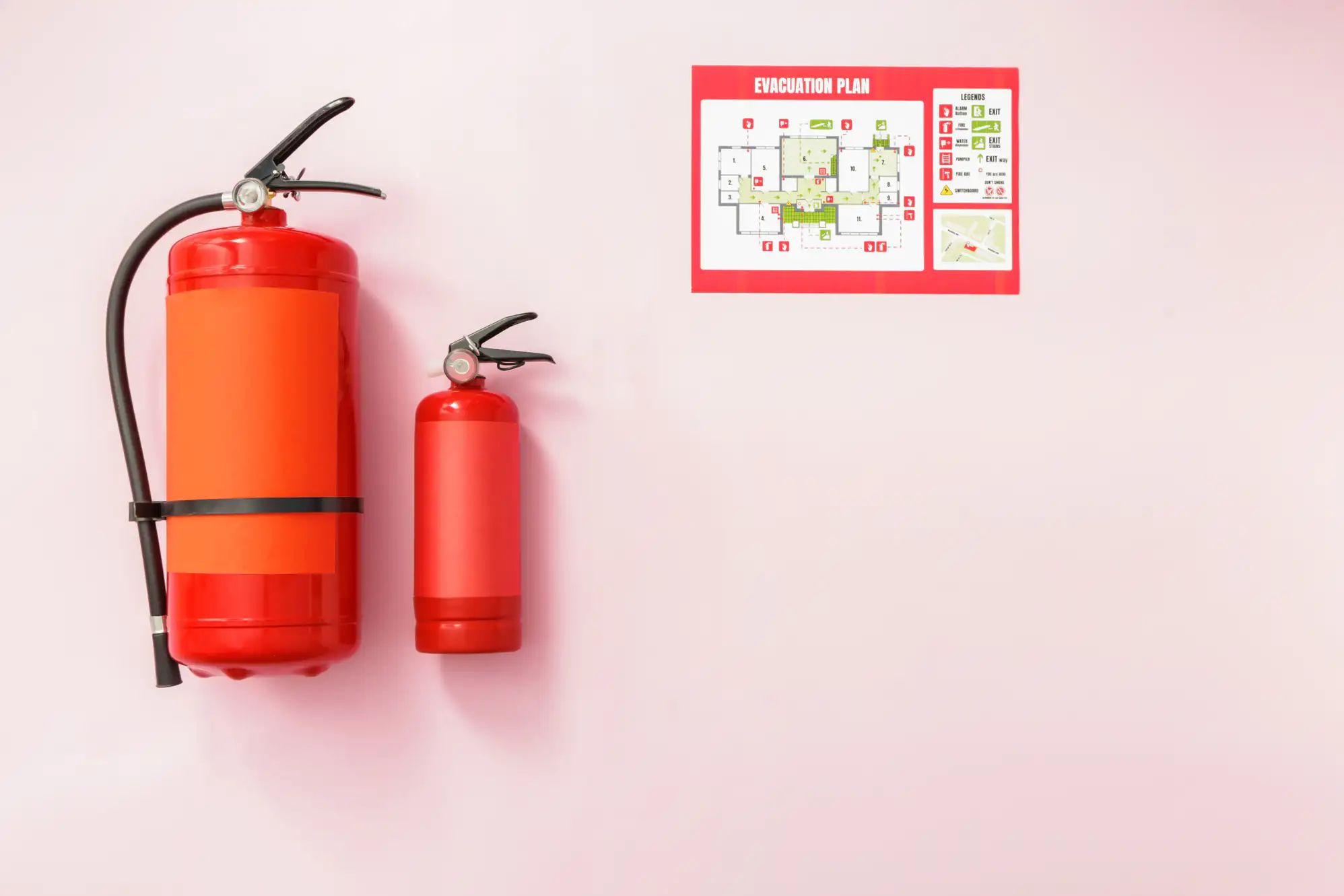
It depends on your building type and history. High-occupancy buildings like restaurants, healthcare facilities, and multi-family housing typically see annual inspections. Standard commercial properties might go two to three years between routine visits. But here’s what changes that schedule: violations.
If an inspector finds problems during a routine visit, you’ll see them again in 30 to 90 days to verify corrections. If you miss that correction deadline or the same violations appear on multiple visits, you move into increased scrutiny territory with more frequent inspections and higher fines. Suffolk County’s decentralized system means your local fire district sets some of these schedules, so a building in one area might have different inspection frequency than a similar building in another district.
The best strategy is staying inspection-ready all the time rather than scrambling when you get notice. That means maintaining your fire log books weekly, testing systems on schedule, and addressing small issues before they become violations.
NFPA 101 is the Life Safety Code focused on protecting people inside buildings during fires and emergencies. It covers exit routes, occupancy limits, fire alarm requirements, sprinkler systems, and emergency lighting. Most of what affects your ability to evacuate safely falls under NFPA 101.
The international fire code (IFC) is broader. It addresses fire prevention, hazardous materials storage, fire department access, and operational requirements like how you store combustibles or maintain fire lanes. The ICC building code, which incorporates the IFC, governs new construction and major renovations.
In practice, your building needs to comply with both. NFPA 101 tells you how many exits you need and where they go. The IFC tells you how to maintain those exits and what you can’t store near them. New York State adopts specific editions of these codes, and local jurisdictions sometimes add requirements. That’s why you can’t just read the code yourself and assume you’re compliant—you need to know which edition applies, what local amendments exist, and how inspectors in your area interpret gray areas.
You can handle basic maintenance yourself if you know what you’re doing. Testing fire extinguishers monthly, checking exit signs, keeping fire lanes clear—that’s straightforward. But here’s where most property owners get into trouble: documentation, system testing, and code interpretation.
Fire alarm systems need professional testing. You can’t just push the test button and call it good. NICET certified technicians test every notification device, verify panel programming, check battery backup systems, and document results in a format that satisfies inspection requirements. If you’re not trained on your specific system, you’ll miss things that inspectors catch immediately.
Code compliance gets complicated fast. Does your building need a fire safety plan? Depends on size, occupancy, and use. Do you need a BDA system for emergency responder communication? Depends on building construction and square footage. Are your egress windows code compliant? Depends on when the building was constructed and whether current use matches original occupancy classification. A fire protection consultant knows these answers for your specific property, not just in general.
The real question is risk tolerance. Handling it yourself saves money until you get a violation that costs more to fix than hiring someone would have cost in the first place. Most property owners who call us have already tried the DIY approach and realized it’s more complex than it looks.
You get a violation notice with a correction deadline, usually 30 to 90 days depending on severity. Minor issues like missing log book entries or expired fire extinguishers get longer deadlines. Life safety violations like blocked exits, non-functioning fire alarms, or missing sprinkler coverage get shorter deadlines and higher fines.
You’re required to correct the violations and provide documentation proving the work was done. That might mean hiring a licensed contractor to fix systems, updating your fire and safety plan, or completing maintenance that should have been done months ago. The fire marshal returns to verify corrections, and that’s when things either get better or worse.
If you fixed everything properly and can demonstrate compliance, the violation closes. If you missed the deadline, didn’t fix things correctly, or can’t provide proper documentation, fines increase and you might face additional penalties. Repeat violations on the same issues can trigger shutdown orders, especially if the fire marshal determines you’re not taking safety seriously.
Suffolk County takes this seriously because fires don’t care about excuses. The Station nightclub fire killed 100 people because of code violations that were documented but not corrected. Inspectors have seen what happens when property owners ignore warnings, so they don’t have much patience for missed deadlines or incomplete corrections.
Initial consultations typically run $500 to $2,000 depending on building size and complexity. A small retail space might take two hours to assess. A multi-story office building with complex fire protection systems might take a full day. You’re paying for a NICET certified professional to review every system, document current conditions, identify code violations, and provide a written report with prioritized recommendations.
Violation correction costs vary widely based on what’s wrong. Updating fire log books and documentation might cost a few hundred dollars. Repairing a fire alarm system could run $1,000 to $5,000. Installing a new BDA system for emergency communication might cost $15,000 to $50,000 depending on building size and construction. Major sprinkler system work or fire suppression upgrades can reach six figures for large buildings.
Here’s the math that matters: professional consulting returns $4 to $6 in prevented costs for every dollar invested. That’s not marketing language, that’s based on avoided violations, prevented insurance claims, and catching problems before they become emergencies. A $1,000 consultation that identifies a fire alarm issue before the inspector arrives saves you the $2,500 violation fine plus the emergency service call premium you’d pay to fix it under deadline pressure.
Most property owners who resist paying for consulting end up spending more fixing violations after the fact than they would have spent preventing them in the first place.
If your building meets certain size or occupancy thresholds, yes. NFPA 101 and the international fire code require fire safety plans for most commercial buildings, all high-rise buildings, healthcare facilities, educational institutions, and multi-family residential buildings above a certain size. The plan documents your fire protection systems, evacuation procedures, emergency contact information, and maintenance schedules.
Your fire and safety plan needs to be building-specific, not a generic template. It should show actual exit routes for your layout, list the fire protection systems you actually have installed, and include procedures that make sense for your occupancy type. A restaurant’s plan looks different from an office building’s plan because the hazards and evacuation challenges are different.
The plan also needs to be accessible. Inspectors want to see it during visits. Your staff needs to know where it is and what it says. If you have employees, OSHA requires fire safety training that aligns with your written plan. If you can’t produce a current, accurate fire safety plan during an inspection, that’s a violation even if all your systems are working perfectly.
West Sayville properties built before current codes were adopted might not have needed plans originally, but if you’ve changed building use, increased occupancy, or made major renovations, you might trigger current requirements. A fire protection consultant can tell you definitively whether your property needs a plan and help you create one that satisfies inspection requirements.
Other Services we provide in West Sayville