Explore firsthand accounts of our exceptional service and dedication to safety through the glowing testimonials from our satisfied clients.

You’re managing a property at Stony Brook University or nearby, and fire code compliance isn’t optional. The problem is that outdated smoke detectors, missed inspections, and unclear regulations create real liability. One violation notice can shut down operations or trigger fines that escalate fast.
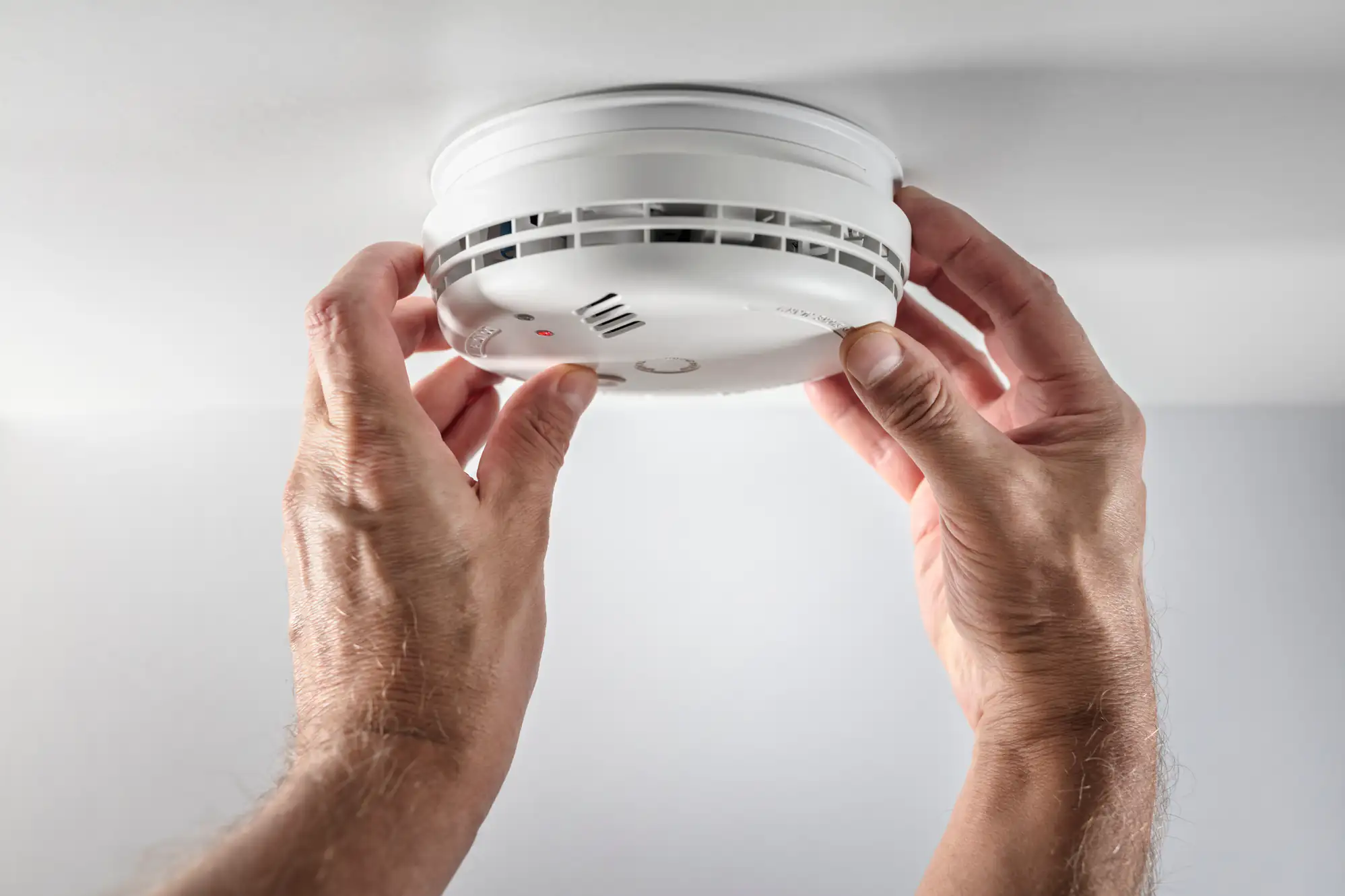
A properly installed fire detection system gives you early warning when it counts and keeps you ahead of Suffolk County’s fire safety requirements. You’re not scrambling to fix violations or wondering if your system will fail during an inspection. Modern fire alarms with combo smoke and CO detection cover more ground with fewer devices, and wireless options cut installation time without tearing into walls.
When your fire alarm installation is handled right from the start, you’re not dealing with false alarms that cost you $100 to $500 per incident. You’re not facing downtime or surprise repair bills. You get a system that works, documentation that satisfies inspectors, and the confidence that your people and property have real protection.
We hold NYS License #12000325006 and Suffolk County license 180. We’re NICET certified, MBE certified, and a Notifier by Honeywell authorized dealer serving Stony Brook, NY and the surrounding Long Island area.
We’ve worked with facilities across Stony Brook University’s campus and neighboring commercial properties. Suffolk County’s decentralized fire code structure means each district has its own requirements, and we know exactly what inspectors look for. You’re not getting generic advice from a company that doesn’t understand local regulations.
Our team installs fire detection systems that meet current code, integrate with existing infrastructure, and actually reduce your long-term costs. We’re members of the New York Fire Alarm Association, and we stay current on technology that cuts false alarms and speeds up inspections.

We start with a site assessment of your Stony Brook property to understand your layout, occupancy type, and current fire protection gaps. This isn’t a sales pitch—it’s a technical review that identifies what you actually need to meet code and protect your facility.
Next, we design a fire alarm system using Notifier equipment that fits your building. You’ll see where smoke detectors, heat sensors, and combo smoke and CO alarms go, how the system connects, and what monitoring options make sense. If you need BDA systems for emergency responder communication, we handle that too.
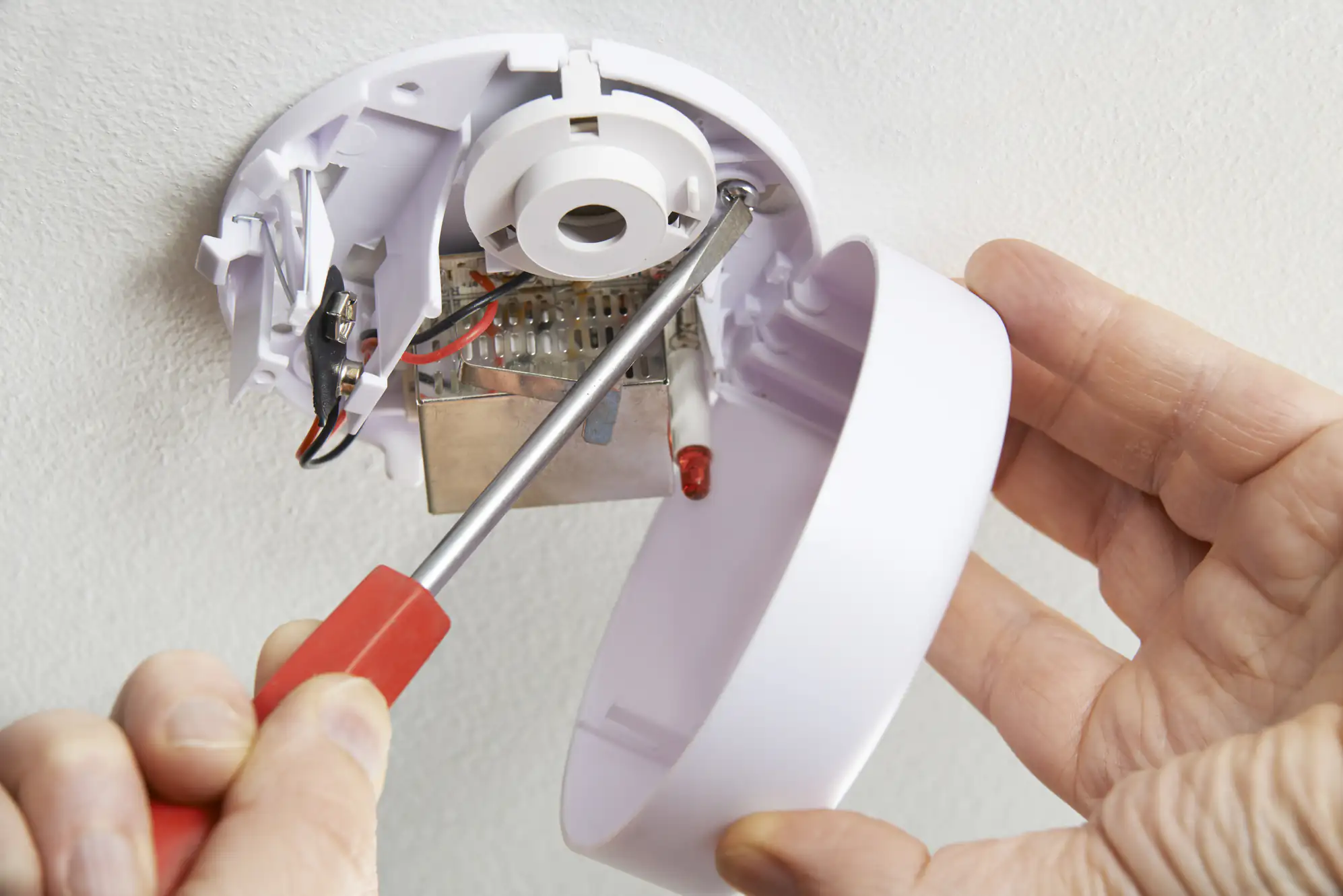
Installation is scheduled around your operations. Our NICET certified technicians mount devices, run wiring or configure wireless detectors, program the control panel, and test every zone. You get documentation for your records and a walkthrough so you understand how the system operates.
After installation, we handle inspections, ongoing monitoring if you want it, and maintenance that keeps your fire detection system compliant. If you ever get a violation notice, we know how to correct it fast.

Ready to get started?
Your fire detector installation includes a full premises assessment, system design, and equipment from Notifier by Honeywell—one of the most reliable names in commercial fire alarms. We’re talking smoke detectors, heat sensors, pull stations, notification devices, and control panels that integrate into one monitored system.
Stony Brook University properties often need addressable fire alarm systems that pinpoint exactly where an alarm originates. That’s critical for large facilities where response time matters. We install wireless fire detection when retrofit work would be too invasive, and we integrate combo smoke and CO alarms in spaces where both hazards exist.
You also get 24/7 monitoring options through professional operators trained to handle emergencies. If your building needs a BDA system to boost radio signals for first responders, our FCC-certified team handles that installation. Everything is documented for Suffolk County inspectors, and you receive training on system operation and maintenance requirements.
Modern self-testing smoke detectors cut inspection time from days to hours, which means less disruption and lower labor costs over time. We’re installing technology that reduces false alarms by up to 40% using adaptive sensors, so you’re not dealing with unnecessary evacuations or penalty fees.
Fire alarm equipment typically runs $1 to $2 per square foot for standard commercial installations. If your Stony Brook facility has complex needs—like high ceilings, hazardous materials, or integrated building systems—you’re looking at $3 to $6 per square foot.
The real cost depends on your building size, occupancy classification, and whether you need a conventional or addressable system. Addressable fire alarms cost more upfront but save money long-term because they pinpoint alarm locations and reduce false alarm penalties. Wireless fire detection systems can cut installation costs by 50% compared to hardwired retrofits.
We provide transparent quotes after assessing your property. You’ll know exactly what you’re paying for—equipment, labor, permits, and ongoing monitoring if you choose it. No surprises, no upselling equipment you don’t need to meet code.
Suffolk County requires smoke detectors in all commercial occupancies, with specific placement based on your building’s use and square footage. You’ll need devices in corridors, stairwells, mechanical rooms, and sometimes inside individual spaces depending on occupancy type.
Combo smoke and CO alarms are required in buildings with fuel-burning equipment or attached garages. Heat detectors go in areas where smoke detectors would false alarm—like kitchens or dusty warehouses. If your facility houses vulnerable populations or operates 24/7, you may need additional notification devices and monitoring.
Stony Brook University buildings often fall under stricter requirements due to high occupancy and institutional use. We review your specific property against current Suffolk County fire codes and NFPA standards to determine exactly what’s required. You get a system that passes inspection the first time.
A small commercial space might take one to two days for a basic smoke alarm installation. Larger facilities at Stony Brook University or multi-story buildings can take a week or more, depending on system complexity and whether we’re working around your operations.
Wireless fire detection systems install faster because we’re not running conduit and wire through finished spaces. Addressable systems take longer to program but give you better control and diagnostics. If you need a full fire alarm system with pull stations, strobes, horns, and integration with existing building controls, plan for a longer installation window.
We schedule work to minimize disruption. That might mean after-hours installation, phased rollouts, or coordinating with other trades. You’ll have a clear timeline before we start, and we communicate any changes immediately.
We handle both. If your current fire detection system at Stony Brook needs repair, inspection, or upgrading to meet new codes, we service all major brands—not just Notifier equipment.
A lot of commercial fire alarm failures happen because of neglected maintenance, not faulty equipment. We offer regular inspection services that catch issues before they become violations. If you’ve received a notice from Suffolk County about non-compliance, we specialize in violation correction and can usually resolve it without replacing your entire system.
Sometimes an upgrade makes more sense than ongoing repairs. Older conventional systems can be converted to addressable, and outdated smoke detectors can be replaced with self-testing models that reduce your inspection costs. We’ll assess your current setup and give you honest recommendations about repair versus replacement.
False alarms at Stony Brook properties trigger fire department response, and Suffolk County charges escalating penalties. You’re looking at $100 to $500 per false alarm, with chronic offenders facing fees over $2,000 per incident.
Most false alarms come from improper detector placement, outdated equipment, or lack of maintenance. Cooking smoke, steam, dust, and even insects can trigger older smoke detectors. Modern fire alarms with adaptive sensors reduce false alarms by 40% because they adjust sensitivity based on environmental conditions.
We install fire detection systems designed to minimize nuisance alarms. That means using heat detectors in kitchens, placing smoke detectors away from HVAC vents, and programming delay settings where appropriate. If you’re dealing with repeated false alarms, we can diagnose the cause and fix it—whether that’s relocating devices, upgrading technology, or adjusting system settings.
Nest and Kidde make solid residential smoke detectors and carbon monoxide alarms, but commercial properties at Stony Brook University need UL-listed fire alarm systems that meet NFPA 72 standards. Consumer-grade devices don’t satisfy Suffolk County commercial fire code requirements.
Commercial fire detection systems use addressable technology that identifies exactly which device triggered an alarm. They integrate with building-wide notification systems, emergency lighting, elevator recall, and HVAC shutdown. You can’t get that functionality from residential smoke alarms.
We install Notifier by Honeywell fire alarm systems designed for commercial use. These systems offer remote monitoring, self-testing capabilities, and the reliability you need when lives and property are at stake. If you’re managing a small commercial space and wondering about options, we’ll explain what’s required versus what’s optional—and why commercial-grade equipment is worth the investment.
Other Services we provide in Stony Brook University