
Explore firsthand accounts of our exceptional service and dedication to safety through the glowing testimonials from our satisfied clients.
You’re not dealing with another violation notice from the fire marshal. Your building code compliance is documented and current. Your insurance company has nothing to flag during their review.
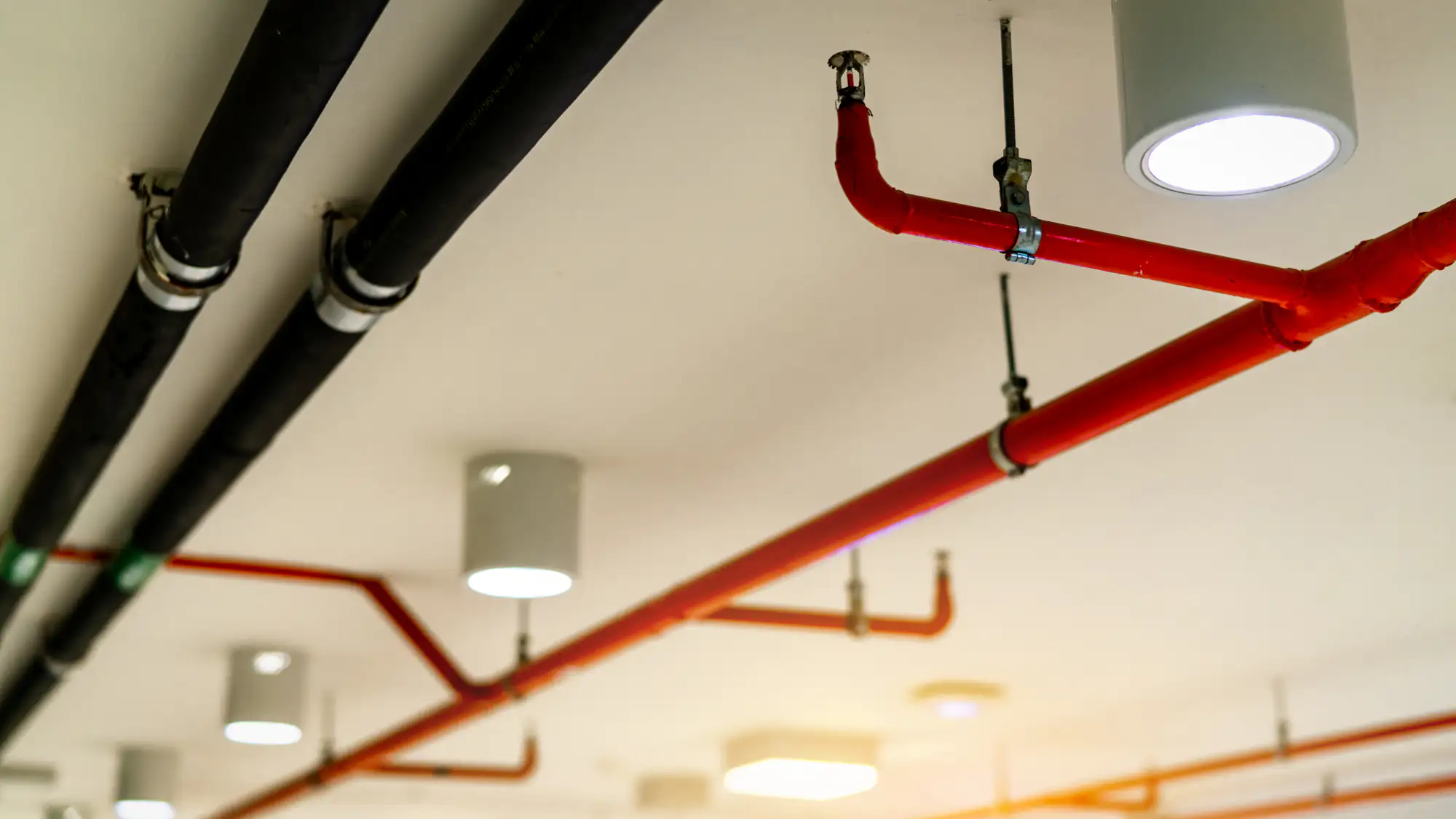
That’s what proper fire protection services look like in practice. Your sprinkler system gets tested on schedule. Your fire pump operates at the right pressure. Your alarm panels communicate with monitoring stations without dropping signals. You have records proving every inspection happened when it was supposed to.
The difference shows up when inspectors arrive or when your insurance renews. No scrambling to find paperwork. No emergency calls to fix systems that should’ve been maintained months ago. Just a building that meets New York State Fire Code requirements because someone who knows NFPA 25 standards actually did the work.
We hold NYS License #12000325006 plus Nassau and Suffolk County licenses. We’re NICET certified, MBE certified, and authorized Notifier by Honeywell dealers. That’s not marketing language—those are the credentials inspectors actually check.
We handle fire protection across Stony Brook University’s multiple campuses, from the main grounds to the medical center. When you’re managing a facility that size, or even a single commercial building in Port Jefferson, Setauket, or Centereach, you need technicians who understand Title 24 requirements and international building code standards without needing to look them up.
We’ve corrected violations for property owners who got stuck with previous contractors that didn’t know local fire code. We’ve installed BDA systems in buildings where emergency responder radios couldn’t get signal. We show up when we say we will, and we document everything because that’s what keeps you compliant.
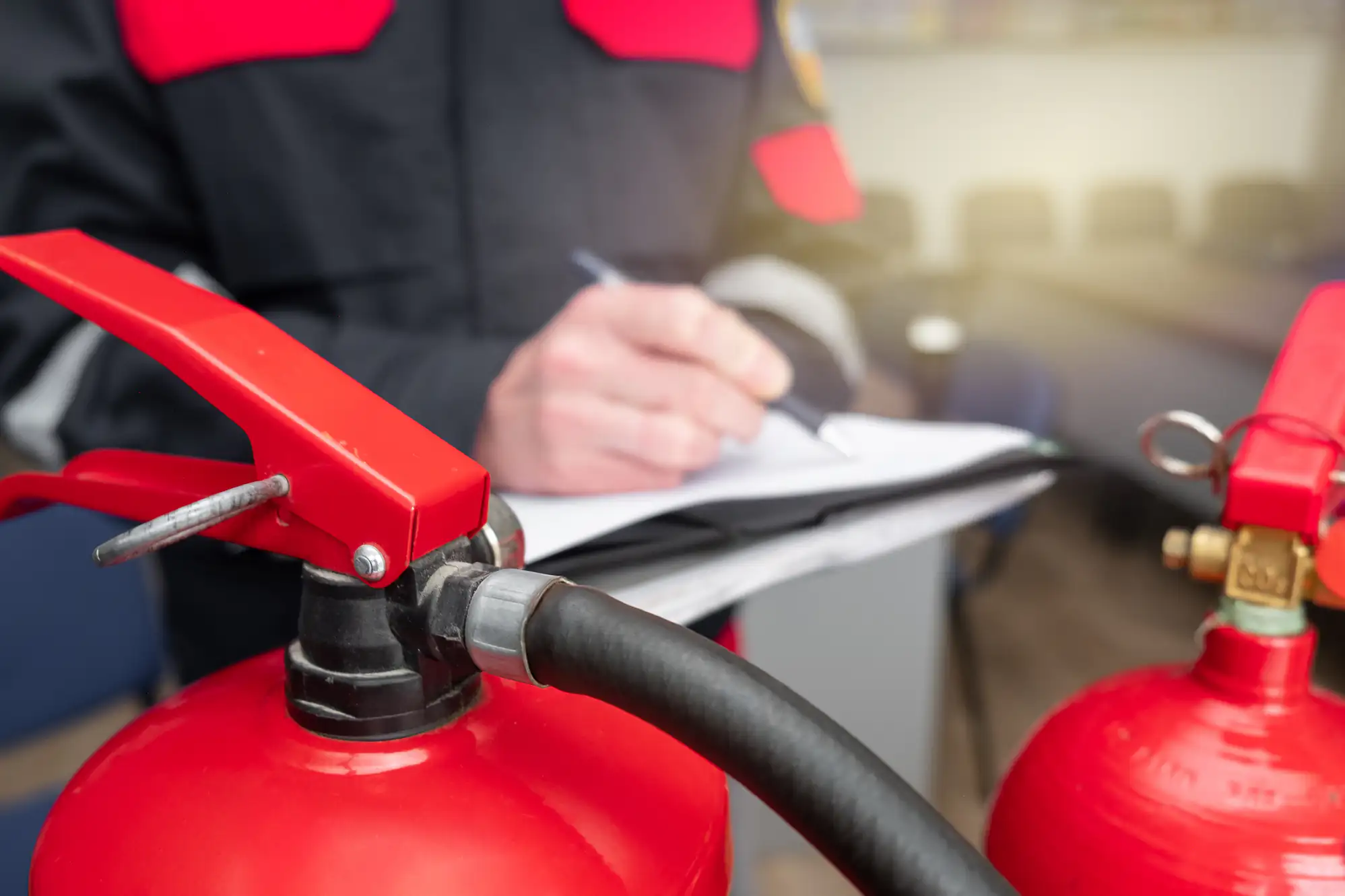
First, we assess what you currently have. That means looking at your existing fire sprinkler system, checking alarm panels, testing your fire pump if you have one, and reviewing any documentation from previous inspections. We’re identifying what meets current building code and what doesn’t.
Then we give you a clear breakdown. You’ll know what needs immediate attention for code compliance, what’s coming due for NFPA 25 inspections, and what can wait. No upselling systems you don’t need. If your sprinkler heads are fine, we tell you they’re fine.
The actual work depends on what your building requires. Installing a new fire alarm system looks different than correcting a violation or setting up a BDA system for emergency responder communication. But the process stays consistent: our certified techs do the installation, we test everything to manufacturer specs, and you get documentation that satisfies inspectors and insurance companies.
After installation, you’re on a maintenance schedule. Monthly, quarterly, and annual inspections happen automatically. You get reminders before they’re due. Your building stays compliant without you having to track deadlines or chase down contractors.
Ready to get started?
You get a full fire protection evaluation specific to your building’s use and occupancy type. Stony Brook University properties face different requirements than a warehouse in Ronkonkoma or a medical facility in Hauppauge. We account for that.
Fire sprinkler system work includes installation, inspection, testing, and maintenance of wet systems, dry systems, and pre-action systems. We handle fire pump testing to NFPA 25 standards—checking pressure, flow, controllers, and all the components inspectors actually measure. Fire alarm systems get designed for your floor plan, not dropped in using a template from another building.
BDA system installation matters more than most property owners realize until first responders can’t communicate during an emergency. We’re FCC certified to install these systems correctly so police and fire radios work throughout your building, including basements and interior spaces where signals normally die.
Violation correction is straightforward: we identify what the fire marshal flagged, fix it to code, and provide documentation proving compliance. You’re not stuck in a loop of failed re-inspections because someone didn’t understand what the violation actually required. Suffolk and Nassau County codes have specific requirements. We know them.

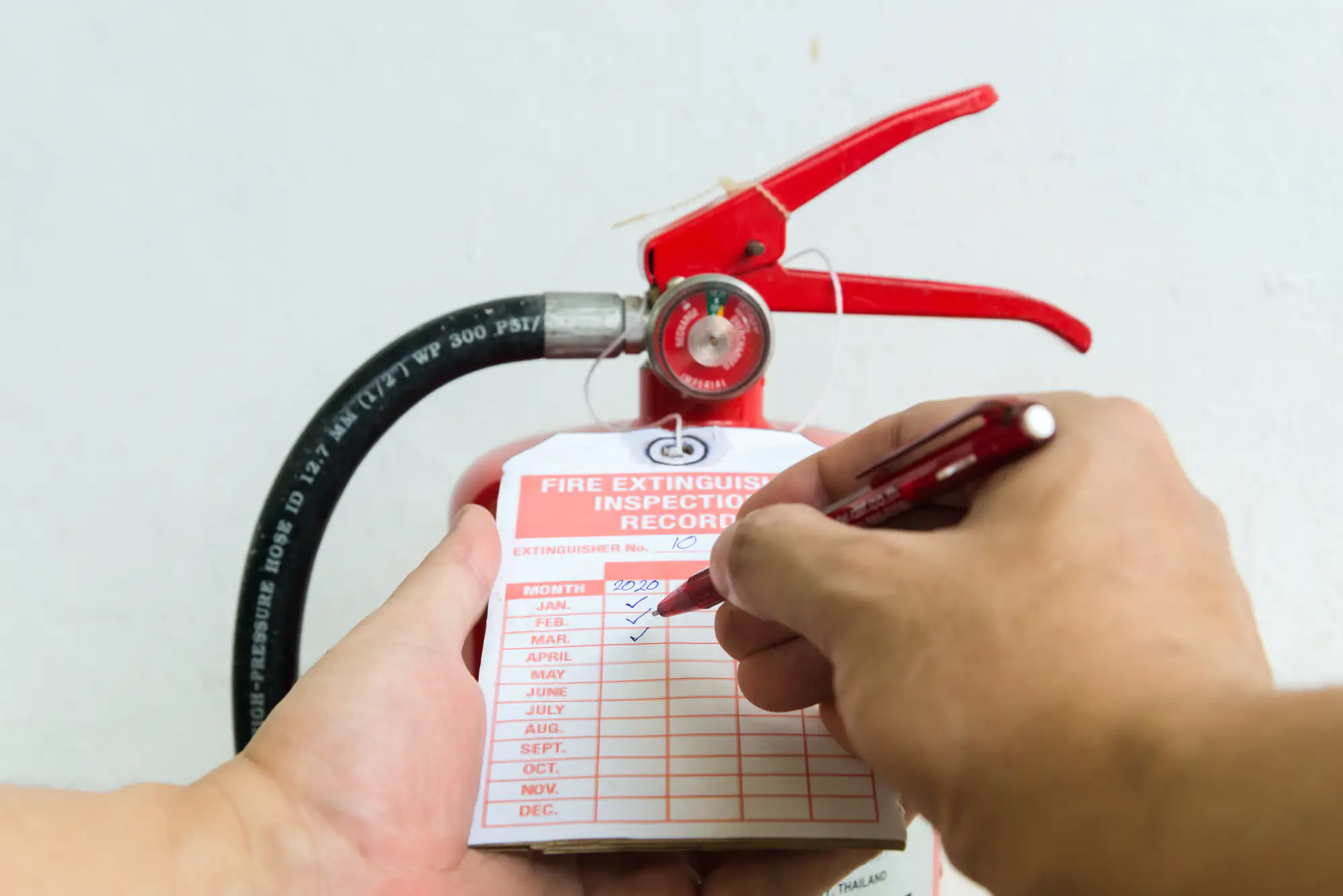
NFPA 25 sets specific intervals: monthly for some components, quarterly for others, and annual testing for the full system. It’s not optional. New York State Fire Code enforces these timelines, and missing them creates liability if something happens.
Monthly inspections cover valve positions and gauge readings. Quarterly work includes main drain tests and alarm device checks. Annual inspections involve testing every sprinkler head, fire pump, backflow preventer, and system component under actual operating conditions.
The inspection requirements change based on your system type. Dry systems need low-point drains checked and air pressure monitored more frequently than wet systems. Pre-action systems have additional valve and detection device testing. If you’re managing a building in Stony Brook, Smithtown, or anywhere in Suffolk County, these aren’t suggestions—they’re code requirements with real consequences for non-compliance.
An inspection checks if your system works right now. Code compliance proves your system meets current New York State building code and has proper documentation for every required test. You need both.
Plenty of fire alarm systems function but don’t meet code because they weren’t installed to current standards, lack required notification devices, or don’t have proper monitoring. An inspector can fail you even if your alarms technically work. That’s common in older buildings around Port Jefferson Station or Patchogue where systems were installed under previous code versions.
Code compliance means your system matches the occupancy type, has the right detection coverage, connects to an approved monitoring station, and includes all required documentation. For Stony Brook University buildings and similar facilities, that includes voice evacuation capability, mass notification integration, and specific detector spacing based on ceiling height and room configuration. We verify all of it, not just whether the panel powers on.
If emergency responders can’t get radio signal throughout your building, you need a BDA system. That’s not a sales pitch—it’s a life safety requirement in most jurisdictions now, and it’s enforceable code in New York.
BDA stands for Bi-Directional Amplifier. It boosts radio signals so police, fire, and EMS can communicate in basements, stairwells, elevator shafts, and interior spaces where signals normally fail. Buildings with certain square footage, multiple floors, or specific construction materials trigger BDA requirements under building code.
The fire marshal tests this during inspections. They walk through with a radio and measure signal strength. If it drops below required levels anywhere in your building, you fail and get a violation. We see this constantly in Stony Brook area buildings with concrete construction or underground parking. The system needs FCC certification and annual testing to stay compliant. It’s not optional equipment if your building triggers the requirement.
You call someone who actually understands what the fire marshal wrote on the violation notice. Most violations stem from specific NFPA standards or New York State Fire Code sections that don’t make sense unless you work with them regularly.
We’ve corrected violations for building owners in Centereach, Lake Grove, and across Nassau County who had contractors look at the notice and guess at solutions. That doesn’t work. The violation cites a specific code section for a reason. You need to address exactly what’s listed, with the right fix, documented properly, or you’ll fail re-inspection.
Common violations include improper fire pump maintenance records, missing sprinkler head inspections, outdated fire alarm panel programming, or blocked fire department connections. Each one has a specific correction process. We identify what the code actually requires, make the repair or update, document everything to the fire marshal’s standards, and handle the re-inspection process. You’re not stuck trying to interpret code language or hoping the problem goes away.
You test it under the conditions it would face during an actual fire. That means flowing water, measuring pressure, checking every valve and connection, and verifying the alarm signals reach monitoring stations. Visual inspection isn’t enough.
A system can look perfect—clean pipes, no visible leaks, gauges showing pressure—and still fail when you need it. Sprinkler heads corrode internally. Valves seize in position. Fire pumps lose pressure capacity. Alarm devices disconnect from monitoring. You don’t discover these problems by looking at the system. You find them through proper testing.
NFPA 25 outlines exactly how to test each component. Main drain tests measure water flow and pressure drop. Fire pump tests run the pump at rated capacity and verify controller operation. Sprinkler head inspections check for corrosion, damage, and proper orientation. For buildings in Stony Brook, Hauppauge, or Islip, this testing isn’t about checking boxes—it’s about knowing your system will actually suppress a fire instead of failing when you need it most.
Scheduled maintenance costs a fraction of emergency violation correction, and that’s before you factor in fines, insurance issues, or operational shutdowns. The math isn’t even close.
Regular NFPA 25 inspections run on predictable schedules with known costs. You budget for them annually. Emergency repairs after a failed inspection cost more because you’re paying for rush service, often replacing components that could’ve been maintained, and dealing with potential fines from the fire marshal. We’ve seen property owners in Smithtown and Bay Shore pay triple for violation correction versus what proper maintenance would’ve cost.
Then there’s the insurance factor. Carriers review fire protection maintenance records during renewals and after claims. Gaps in documentation or failed inspections increase premiums or trigger coverage issues. Some commercial policies in New York require proof of NFPA 25 compliance. Missing that proof costs you more than any maintenance contract ever would. The actual financial difference between maintaining your fire sprinkler system correctly versus scrambling after violations is substantial enough that every facility manager should care about it.
Other Services we provide in Stony Brook University