Explore firsthand accounts of our exceptional service and dedication to safety through the glowing testimonials from our satisfied clients.
You’re not looking for a fire protection company because everything’s going great. You’ve got a violation notice, an upcoming inspection, or an insurance company breathing down your neck about compliance. Maybe your current system failed testing, or you’re opening a new location and need to meet building code before you can operate.
Here’s what matters: properties with working fire protection systems see 60% lower fatality rates. That’s not marketing talk, that’s documented data. And on the business side, FDNY issued over 22,000 violations last year, with fines ranging from $800 to $5,000 per violation. Some property owners faced remedial work costs in the tens of thousands.
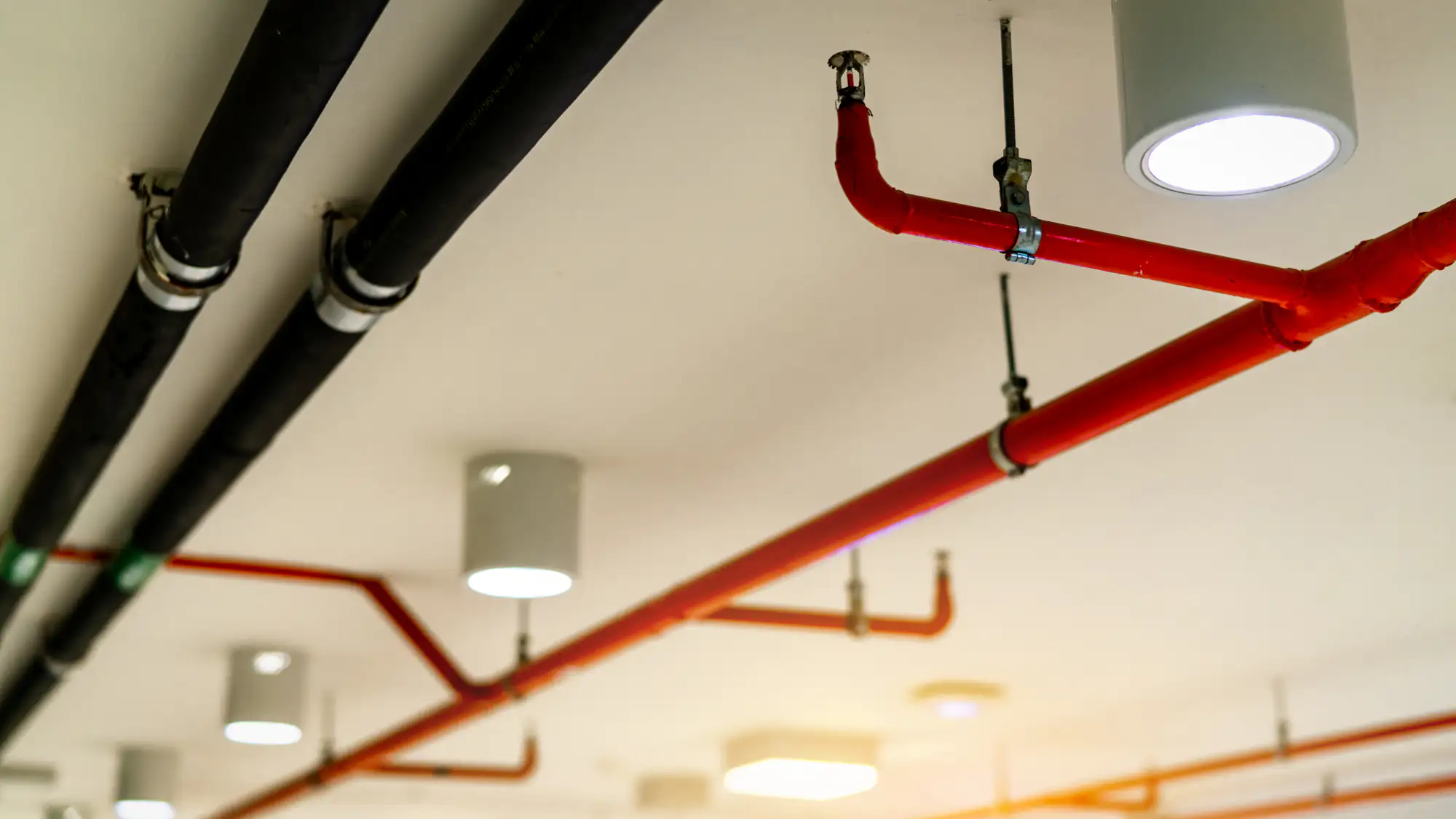
Our fire protection services cover what you actually need. Fire sprinkler systems designed to NFPA 25 standards. Fire alarm installation that meets International Building Code requirements. Regular inspections that catch problems before inspectors do. And violation correction services that get you back in compliance without the runaround.
You get a system that works when it needs to, passes inspection when it’s tested, and keeps your insurance company off your back. That’s the outcome.
We hold NYS License #12000325006, Nassau County licenses, and Suffolk County license 180. We’re NICET certified, MBE certified, and an authorized Notifier by Honeywell dealer. Those aren’t just credentials to put on a website, they’re proof we can legally install, inspect, and certify fire protection systems in West Sayville and across Long Island.
We serve commercial properties, restaurants, warehouses, and high-value residential buildings throughout Suffolk, Nassau, and NYC. If you’re in West Sayville, you’re dealing with the same fire code requirements as properties in Sayville, Oakdale, and Bay Shore. We know the local AHJs, we know what inspectors look for, and we know how to get systems approved the first time.
You’re working with licensed professionals who show up on time, do the work right, and document everything for your records. That’s how we’ve built our reputation here.
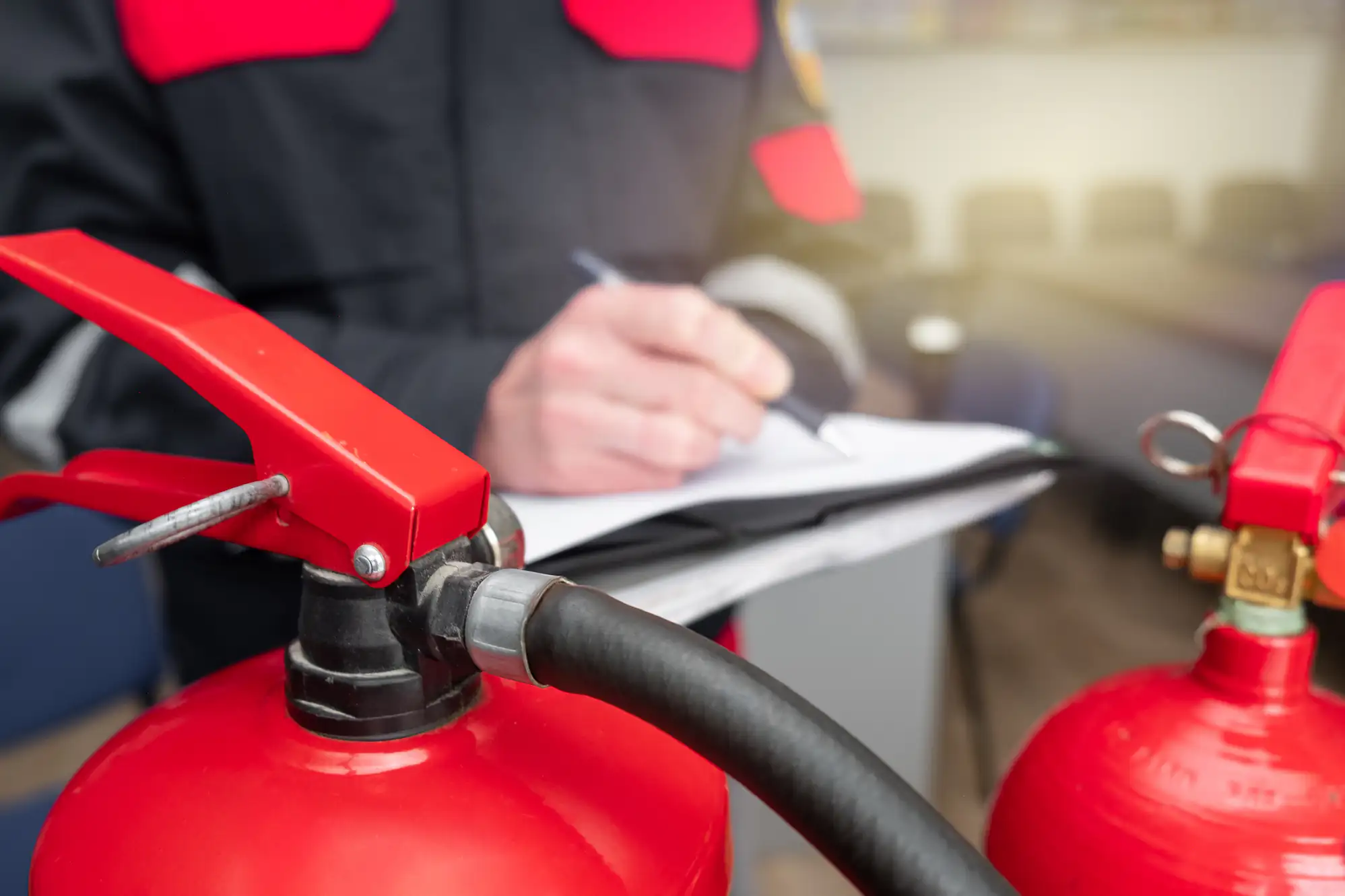
First, we assess your property and review any existing violations or compliance issues. If you’ve got a notice from the fire marshal, we start there. If you’re building new or renovating, we review your plans against current building code and NFPA 25 requirements. You’ll know what needs to happen before we touch anything.
Next, we design your system. For fire sprinkler systems, that means calculating coverage for 99% of critical areas and 90% of general building areas per code. For fire alarms, we map out detector placement, notification devices, and integration with your existing security systems if needed. You get detailed drawings that satisfy inspectors and give you a clear picture of the installation.
Then we install. Our NICET-certified technicians handle fire sprinkler installation, fire pump setup, fire alarm wiring, and any BDA system work for emergency responder communication. We test everything before we call it done.
Finally, we schedule the inspection with your local authority. We’re there when the inspector shows up, we walk them through the system, and we handle any questions. You get your certificate of compliance and documentation for your insurance company.
After installation, we provide ongoing inspections and maintenance to keep you compliant year after year. You’re not hunting for a contractor every time you need testing.
Ready to get started?
You get a complete fire protection system designed to code. That includes fire sprinkler systems with proper head placement and water supply calculations, fire alarm systems with smoke detectors and notification devices, fire extinguisher installation and inspection, and kitchen fire suppression systems for restaurants.
For West Sayville commercial properties, Title 24 compliance matters if you’re in certain building types. We handle that. International Building Code requirements for your occupancy classification, we handle that too. And if you need a fire pump to meet pressure requirements for your sprinkler system, we size it correctly and install it to spec.
Here’s what makes Long Island different: you’re dealing with multiple jurisdictions. West Sayville properties fall under Suffolk County regulations, but if you operate locations in Nassau or NYC, the requirements shift. We’re licensed in all three areas, so you get consistent service whether you’re in West Sayville, Hauppauge, or anywhere across our service area.
You also get 24/7 emergency response. If your fire alarm goes off at 2 AM, someone answers. If your sprinkler system fails testing, we’re there to fix it before your deadline. And if you’re facing violations, we provide correction services that satisfy inspectors and get you back in compliance.
Every installation includes documentation: system drawings, inspection reports, and certificates you need for insurance and regulatory purposes. You’re not chasing paperwork.
Cost depends on building size, occupancy type, and system complexity. A basic wet pipe sprinkler system for a small commercial space might run $2-$4 per square foot. Larger buildings, high-rise structures, or properties requiring dry pipe or pre-action systems cost more.
Here’s what drives the price: number of sprinkler heads needed for code-compliant coverage, water supply requirements and whether you need a fire pump, complexity of the piping layout, and any special hazards that require specific suppression methods. A 5,000 square foot warehouse has different needs than a 5,000 square foot restaurant.
We provide detailed estimates after assessing your property. You’ll see exactly what you’re paying for: equipment, labor, permits, inspections, and documentation. No surprise charges when the job’s done. And remember, the cost of installation is nothing compared to violation fines, insurance issues, or worse, an actual fire in an unprotected building.
You get a violation notice with a deadline to correct the issues. Depending on the severity, you might face fines starting at $800 and going up to $5,000 or more per violation. In serious cases, you could face a stop-work order, occupancy restrictions, or even temporary closure until you’re compliant.
Your insurance company will find out. If you have a fire before you’ve corrected the violations, they may refuse to pay your claim. That’s not a scare tactic, that’s standard policy language. Insurers require code compliance as a condition of coverage.
We handle violation correction regularly. We review the notice, identify what needs fixing, complete the work to code, document everything, and coordinate the re-inspection. Most violations stem from blocked sprinkler heads, outdated fire alarm systems, missing or expired fire extinguishers, or inadequate emergency lighting. These are fixable problems. You just need someone who knows how to fix them correctly so they pass the second inspection.
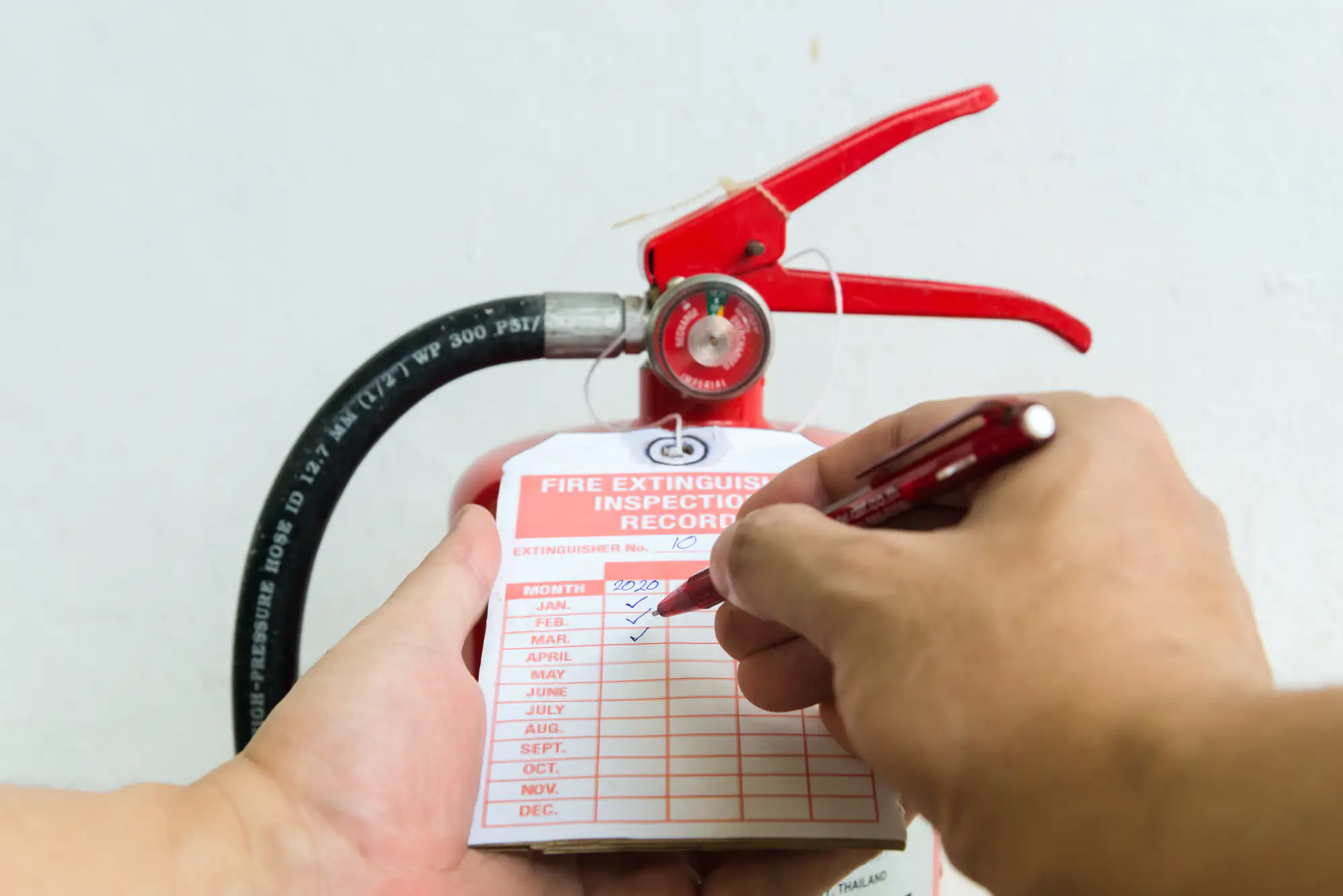
NFPA 25 requires annual inspections for most fire sprinkler systems. Fire alarms need testing every six months in most commercial buildings. Fire extinguishers require annual inspections, and some types need internal maintenance every few years. Kitchen suppression systems in restaurants need inspection every six months.
Miss these inspections and you’re out of compliance, even if your system works perfectly. Inspectors don’t care that your sprinklers would work in a fire, they care that you can prove they were tested on schedule.
We set up maintenance schedules that keep you compliant automatically. You’re not tracking dates or remembering to call us. We reach out when inspections are due, we schedule them around your operations, and we provide all documentation for your records. If we find issues during routine maintenance, we fix them before they become violations. That’s the whole point of regular inspections: catching problems early when they’re cheap and easy to fix.
Usually yes. Building code typically requires both. Fire sprinklers suppress fires, but they don’t alert occupants or notify the fire department. Fire alarms detect smoke or heat early and trigger evacuation. They’re separate systems serving different purposes.
Some occupancy types have specific requirements. Schools, hospitals, hotels, and high-rise buildings almost always need both systems, often with additional features like voice evacuation or emergency communication. Even smaller commercial buildings usually need at least basic fire alarm coverage.
The good news: we integrate both systems so they work together. When your fire alarm detects smoke, it can trigger notifications, unlock doors, shut down HVAC systems, and alert monitoring services. When sprinklers activate, flow switches can trigger alarms. You get a coordinated fire protection system, not two separate installations that don’t talk to each other. And from a code perspective, having both systems properly installed and documented means you’re covered for inspections and insurance requirements.
BDA stands for Bi-Directional Amplifier. It’s an emergency responder communication system that ensures firefighters and police can use their radios inside your building. If your building has concrete, steel, or other materials that block radio signals, first responders lose communication when they’re inside. That’s a serious safety issue.
Most jurisdictions now require BDA systems in new commercial construction and many existing buildings over a certain size. If your building is 75 feet tall or larger, you likely need one. Some areas require them in any building where radio signal testing shows inadequate coverage.
Here’s the reality: 98.5% of first responders report dead spots in buildings, and 56% have experienced communication failures during emergencies. When firefighters can’t communicate, response times increase and safety decreases. A BDA system solves this by amplifying radio signals throughout your building. We install code-compliant BDA systems, perform the required signal testing, and provide documentation that satisfies inspectors. It’s required equipment in most new construction, and it’s becoming mandatory in existing buildings across Long Island.
Yes. Violation correction is a significant part of what we do. We review your violation notice, assess what’s actually wrong, and create a correction plan that satisfies the inspector who issued the citation.
Common violations we fix: sprinkler heads blocked by storage or renovations, fire alarm systems that failed testing or aren’t up to current code, missing or improperly mounted fire extinguishers, inadequate emergency lighting or exit signage, and fire doors that don’t close properly or have been propped open. Most of these are straightforward fixes if you know what inspectors want to see.
We handle the correction work, document everything with photos and test reports, and coordinate the re-inspection. You’re not figuring out code requirements or arguing with inspectors. We speak their language, we know what they need to sign off, and we get it done before your deadline. The key is acting quickly. Violations come with deadlines, and missing them escalates fines and consequences. Call us as soon as you get the notice, and we’ll get you back in compliance.
Other Services we provide in West Sayville