
Explore firsthand accounts of our exceptional service and dedication to safety through the glowing testimonials from our satisfied clients.
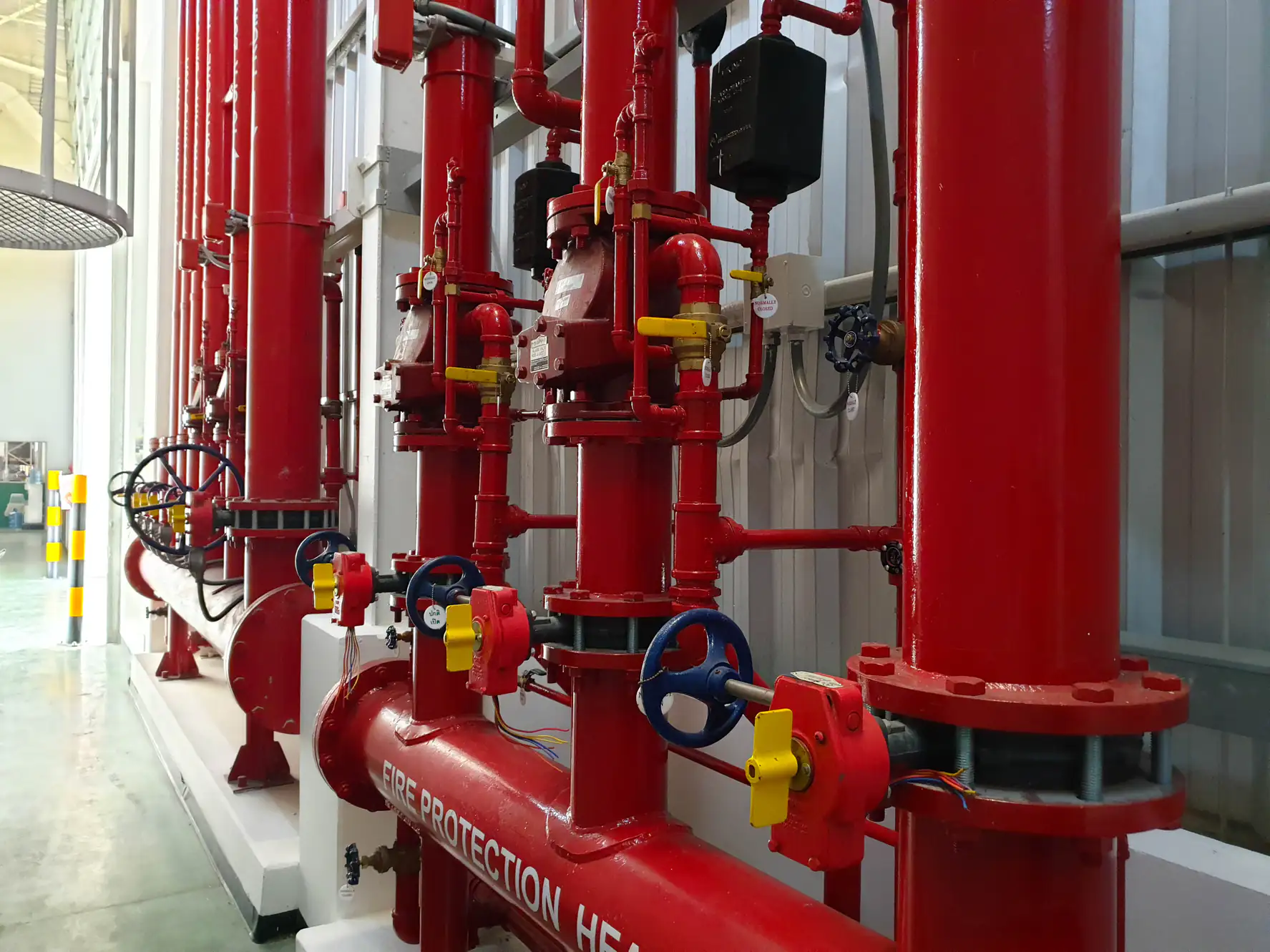
A fire sprinkler system that meets NFPA 25 standards and local building code isn’t just about passing inspection. It’s about avoiding the penalties that come when you don’t.
In Suffolk County, overdue inspections hit your insurance rates hard. Miss your annual by 12 months and you’re looking at a 5% penalty. Let it go 24 months and that jumps to 20%. After 36 months, your fully sprinklered building gets rated as unsprinklered—meaning a 60% increase on your premiums.
Beyond insurance, there’s the fire department. New York inspectors are issuing more violations than ever, and the fines add up fast. When your system is installed correctly from the start and maintained on schedule, you stay compliant. You avoid the scramble to fix violations under pressure. You keep your certificate of occupancy valid and your doors open.
We hold NYS License #12000325006 and Suffolk County License 180. We’re NICET certified and an authorized Notifier by Honeywell dealer, which means access to commercial-grade equipment and the training to install it right.
We work across Suffolk, Nassau, and NYC—but West Sayville and the surrounding towns are home base. We know the local inspectors, the code requirements, and what it takes to get systems approved without delays. Whether you’re dealing with a new build in Sayville, a retrofit in Bay Shore, or a violation notice in Islip, we’ve handled it before.
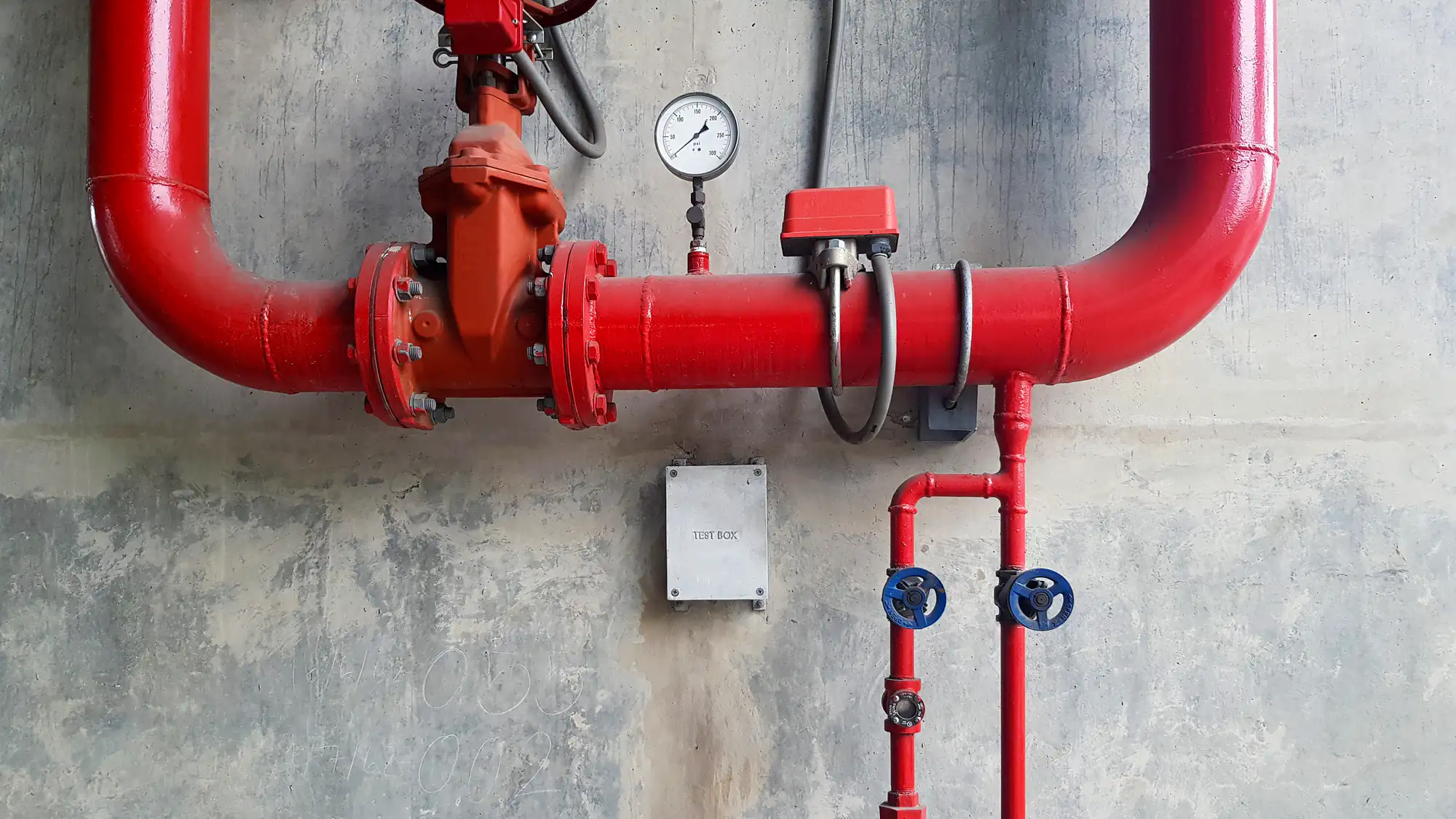
First, we assess your building. That means reviewing your layout, occupancy type, and any existing fire protection systems. We identify what’s required under the international building code and local amendments, then design a system that meets those standards without over-engineering.
Once the design is approved, installation begins. We run piping, mount sprinkler heads, connect to your water supply or fire pump, and integrate with your fire alarm system if needed. For larger buildings or those with communication dead spots, we also install BDA systems so first responders can communicate throughout the structure during an emergency.
After installation, the system gets tested. We run flow tests, check pressure, verify coverage, and make sure every sprinkler head activates as designed. Then we coordinate the final inspection with your local fire marshal. Once approved, you receive your certification and can schedule ongoing maintenance to stay compliant.
Ready to get started?
Every fire sprinkler system installation includes a full design based on your building’s square footage, ceiling height, occupancy classification, and hazard level. We specify the right sprinkler heads—whether that’s standard response, quick response, or specialized heads for kitchens or freezers.
You also get the piping network, control valves, backflow preventers, and connection to your water supply. If your building requires a fire pump to meet pressure requirements, we size and install that too. For buildings where Title 24 or local code mandates integration with fire alarm systems, we handle that coordination.
In Suffolk County, buildings over a certain size also need BDA systems to ensure radio communication for firefighters. We’re one of the few contractors in the area with the expertise to install both fire sprinkler systems and BDA systems under one contract, which saves time and eliminates coordination headaches between multiple vendors.
After installation, we provide all documentation needed for your certificate of occupancy, insurance filings, and future inspections. That includes as-built drawings, equipment specs, test reports, and a maintenance schedule based on NFPA 25 requirements.
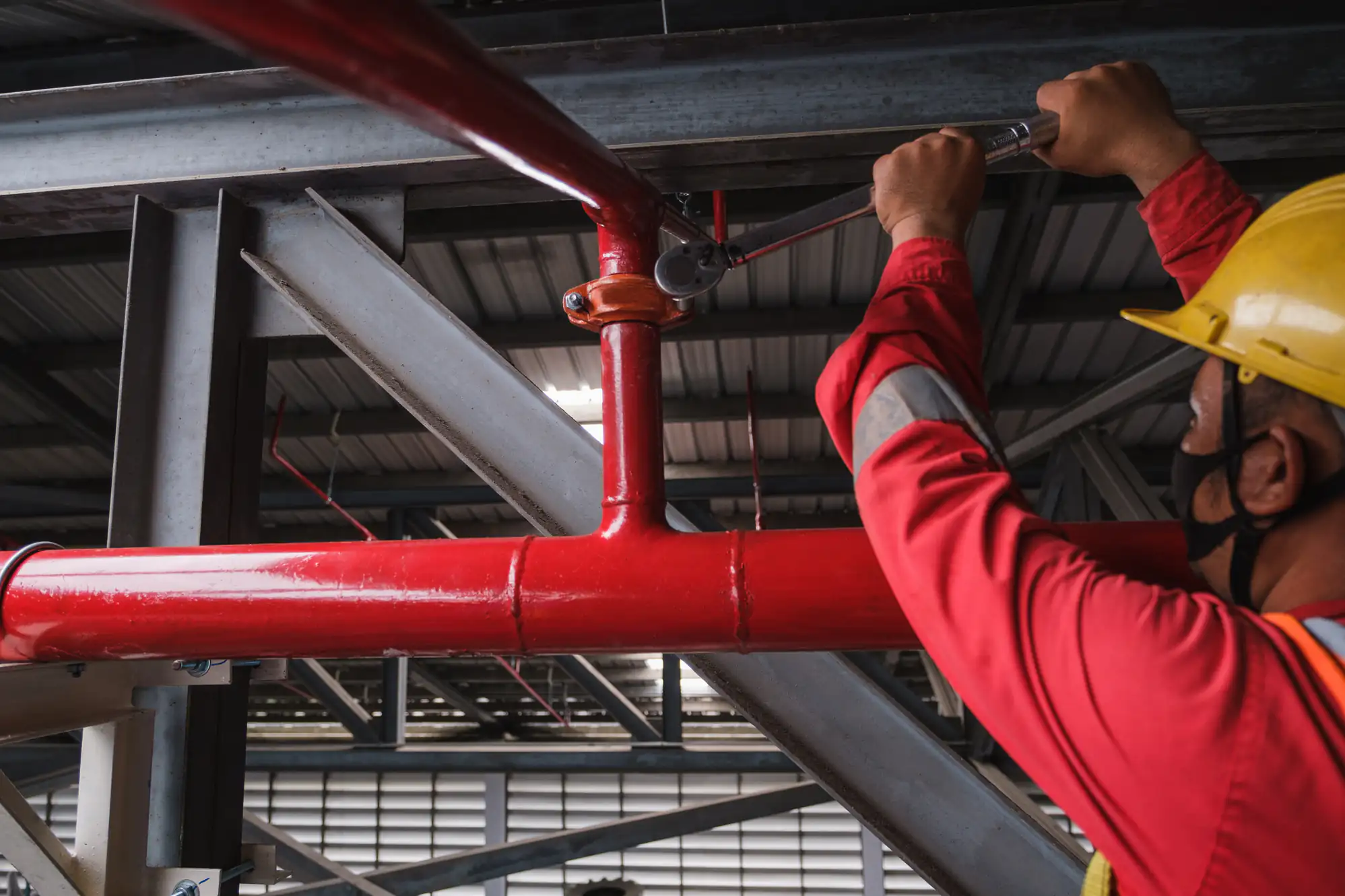
Cost depends on building size, occupancy type, and system complexity. A small commercial space might run $3 to $5 per square foot for a basic wet pipe system. Larger buildings, high-rise structures, or spaces requiring dry pipe or pre-action systems cost more—sometimes $7 to $10 per square foot or higher.
If your building needs a fire pump to meet pressure requirements, that’s an additional cost, typically $15,000 to $40,000 depending on capacity. BDA system installation adds another layer, usually $20,000 to $50,000 for most commercial buildings in Suffolk County.
The real cost comparison isn’t against doing nothing—it’s against the penalties for not having a compliant system. A single fire without sprinklers averages $45,000 in damage. With sprinklers, that drops to $3,500. Add in the insurance penalties for overdue inspections and the fines from code violations, and installation pays for itself.
NFPA 25 lays out the inspection schedule. Monthly, you or your staff need to visually check control valves and gauges. Quarterly, you test your fire pump if you have one. Annually, a licensed contractor—like us—inspects the full system, tests alarm devices, and verifies water flow.
Every five years, you need a full obstruction investigation to check for blockages inside the piping. Also every five years, any pressure tanks or certain system components require hydrostatic testing. NYC and Suffolk County both recognize these as critical compliance points.
Miss any of these deadlines and your insurance company gets notified. That’s when the penalties start. Stay on schedule and your system remains certified, your insurance rates stay low, and your fire marshal stays off your back. We offer maintenance contracts that put all of this on autopilot so nothing gets missed.
Yes. Violation correction is one of our core services. Most violations we see involve missed inspections, outdated equipment, improper modifications, or coverage gaps that weren’t caught during the original installation.
We start by reviewing the violation notice and inspecting your system to identify what’s out of compliance. Then we provide a scope of work and timeline to bring everything up to code. That might mean replacing old sprinkler heads, adding coverage to areas that were renovated, upgrading your fire pump, or installing missing backflow preventers.
Once repairs are complete, we coordinate the re-inspection with your local fire marshal. We also provide documentation showing what was corrected and when, which protects you if questions come up later. Most violation corrections in West Sayville and surrounding towns take two to four weeks from start to final approval, depending on the scope.
If your building is over a certain size or height, yes. Suffolk County and Nassau County both require BDA systems—sometimes called bi-directional amplifiers or emergency responder communication systems—in larger commercial buildings, high-rises, and some industrial facilities.
The issue is simple: most buildings have dead spots where radio signals don’t penetrate. Fire departments report that 98.5% of buildings have these dead spots, and 56% have experienced communication failures during actual emergencies. A BDA system takes the radio signals used by local first responders and distributes them throughout your building so firefighters can communicate through walls, stairwells, and basements.
If you’re installing a new fire sprinkler system and your building requires a BDA system, it makes sense to handle both at once. We’re licensed for both, which means one contractor, one timeline, and one point of contact instead of coordinating between multiple trades.
For a typical commercial space—say, 5,000 to 10,000 square feet—installation usually takes two to four weeks once permits are approved. Larger buildings or more complex systems take longer. A 50,000-square-foot warehouse might take six to eight weeks. High-rises or buildings requiring dry pipe or pre-action systems can stretch to three months or more.
Permit approval is often the longest part of the timeline. In Suffolk County, plan review and permit issuance can take two to six weeks depending on the municipality and time of year. We submit plans early and stay in contact with the building department to avoid delays.
Once we’re on-site, the work moves steadily. Piping and sprinkler head installation happens first, followed by system connection and testing. Final inspection gets scheduled as soon as testing is complete. If you’re under a deadline—maybe a certificate of occupancy renewal or a lease requirement—we can often expedite the schedule with additional crews.
Accidental discharges are rare with properly installed systems, but they do happen—usually from physical damage, freezing, or corrosion. When a sprinkler head activates, water flows immediately. Each head covers about 100 to 200 square feet, so the affected area gets wet fast.
Your first step is shutting off the system’s control valve to stop water flow. Then you call us. We’ll come out, assess the damage, replace the damaged head, test the system, and get everything back online. If the discharge was due to freezing or a design flaw, we’ll identify the root cause and fix it so it doesn’t happen again.
The good news: water damage from a single sprinkler head is minimal compared to fire damage. One head discharges about 25 gallons per minute. A full-scale fire hose pumps 150 to 300 gallons per minute, and that’s after the fire has already caused major damage. Sprinklers stop fires early, which is why insured losses in sprinklered buildings are a fraction of those without systems.
Other Services we provide in West Sayville