
Explore firsthand accounts of our exceptional service and dedication to safety through the glowing testimonials from our satisfied clients.
You’re not dealing with false alarms every other week. Your system communicates properly with first responders when there’s an actual emergency. Inspections happen on schedule without last-minute panic calls.
That’s what happens when your fire detection system is designed correctly from the start. Not just installed to minimum spec, but built to handle your specific building layout, occupancy type, and Suffolk County’s requirements.
The difference shows up during inspections. It shows up when your insurance company asks questions. And it definitely shows up if you ever actually need the system to work.
We hold Suffolk County license 180, Nassau County licenses, and NYS License #12000325006. We’re NICET certified professionals and a Notifier by Honeywell authorized dealer—which means you’re getting systems from the manufacturer that’s been leading fire protection for over sixty years.
We’re based here. We know how Suffolk County’s decentralized fire district model works, and we know what inspectors look for in Coram, Ronkonkoma, Farmingville, and the surrounding towns. That knowledge saves you time and money when it’s inspection season.
You’re working with people who’ve seen every type of commercial building, every violation scenario, and every “quick fix” that ends up costing more in the long run.
First, we assess your building. That means understanding your square footage, occupancy classification, existing infrastructure, and what Suffolk County requires for your specific property type. If you’ve got violations, we identify exactly what needs correction.
Next, we design a system that fits your building—not a cookie-cutter setup. For commercial properties, that usually means addressable fire alarm systems that pinpoint exactly where an issue is happening. We spec Notifier equipment because it’s sensitive enough to catch real threats but smart enough to avoid constant false alarms.
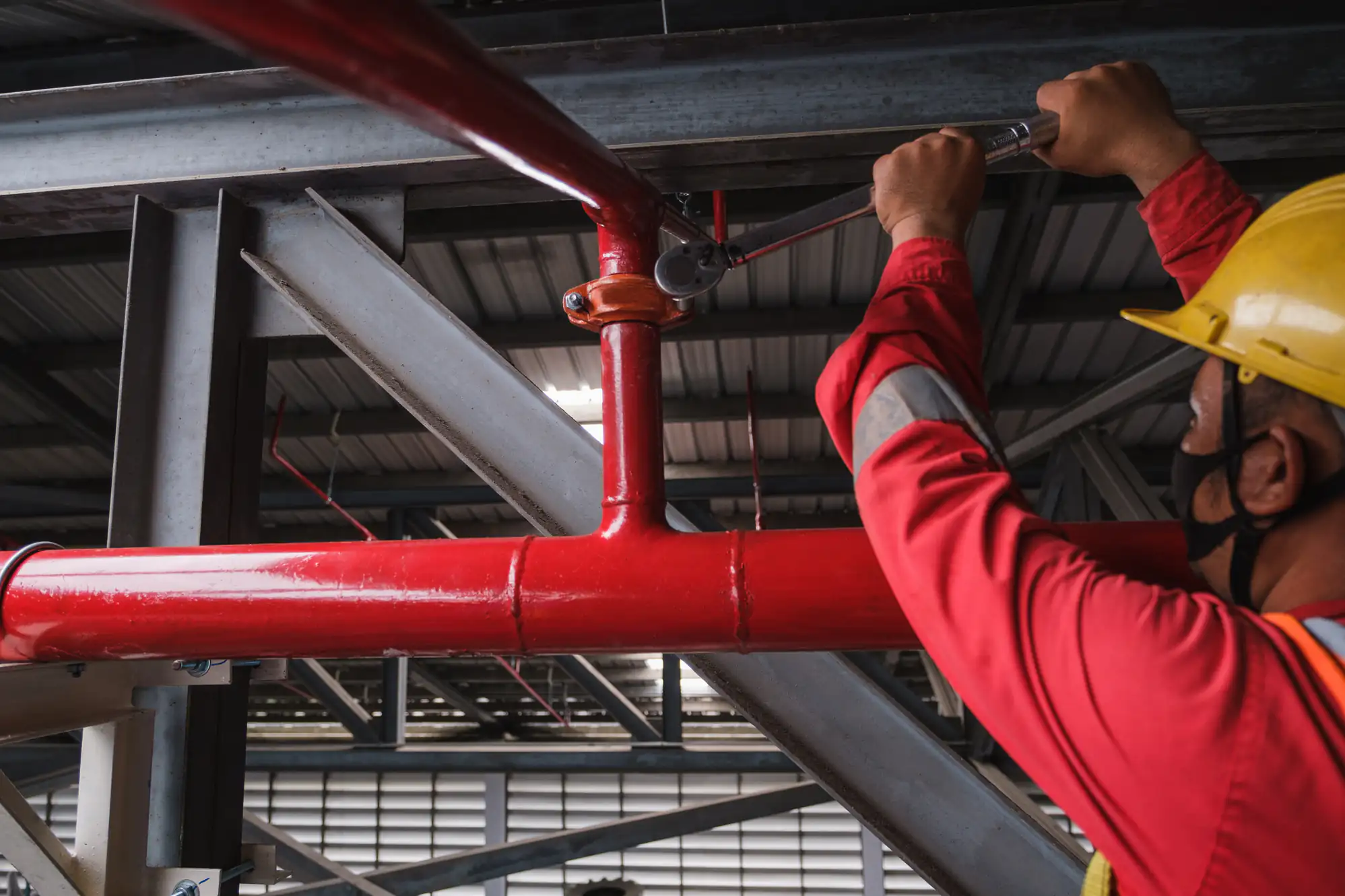
Installation happens with our NICET certified team. If your building needs a BDA system for emergency responder radio communication, our FCC-certified technicians handle that integration too. Everything gets tested, documented, and prepped for inspection before we ever call it done.
After installation, you’ve got 24/7 monitoring and support. If something trips, you’re not waiting until Monday morning to get answers.
Ready to get started?
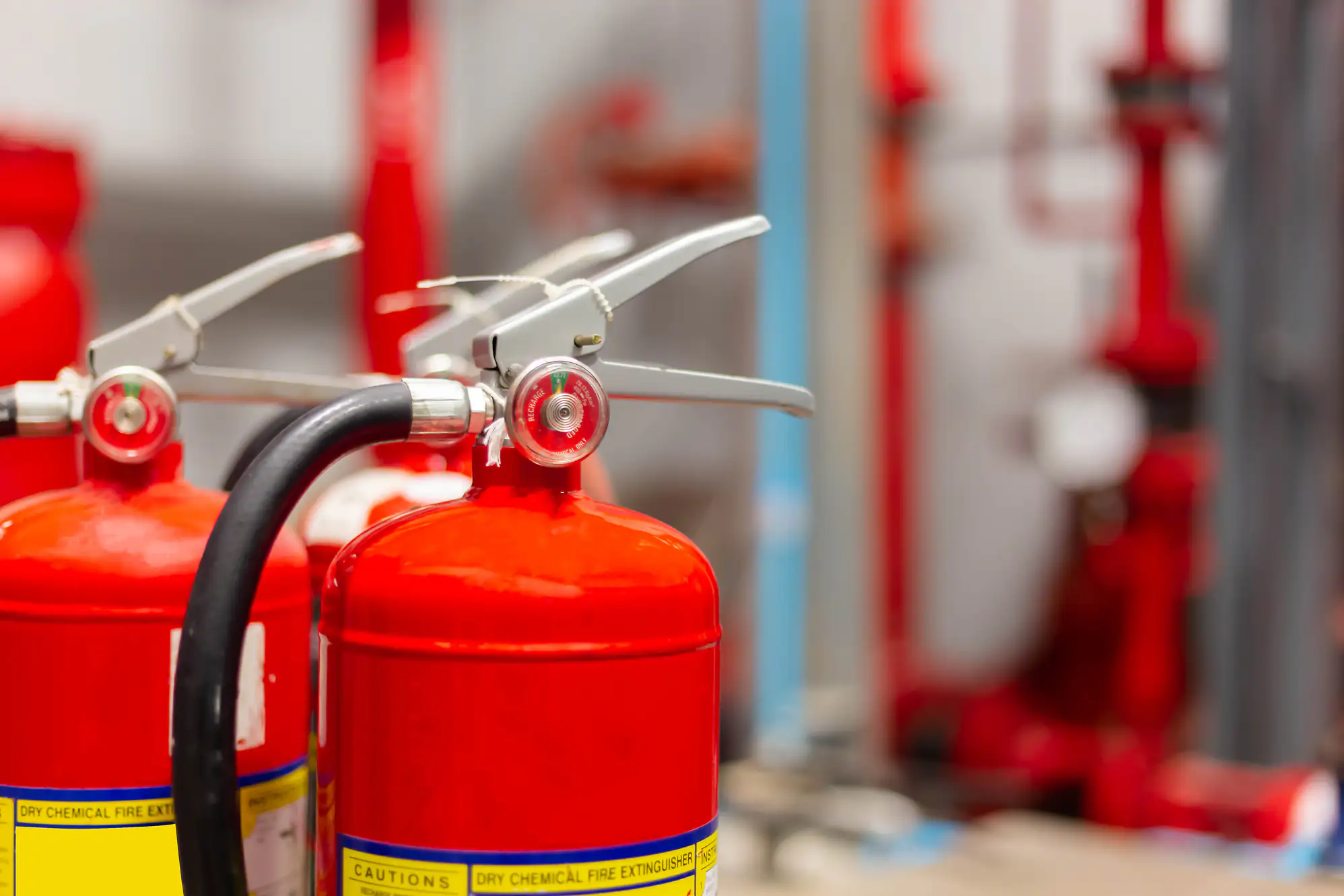
Your fire alarm system includes smoke detectors, heat sensors, pull stations, and notification devices—all connected to a central control panel. If your building requires it, we integrate combo smoke and co alarm units that monitor both fire and carbon monoxide.
For larger commercial properties in Coram and surrounding areas like Holbrook, Farmingville, and Selden, addressable systems give you zone-specific alerts. That means when a detector activates, you know exactly which room or hallway triggered it. No guessing. No wasting time searching a 20,000-square-foot warehouse.
If you’re in a building with connectivity issues—common in older construction or buildings with heavy concrete and steel—you might need a BDA system to ensure first responders can communicate once they’re inside. We handle that installation and make sure it integrates with your fire alarm setup.
Ongoing service includes regular inspections, smoke detector replacement when units age out, system testing, and violation correction if something comes up during a county inspection. You’re not hunting for a technician every time there’s a compliance issue.
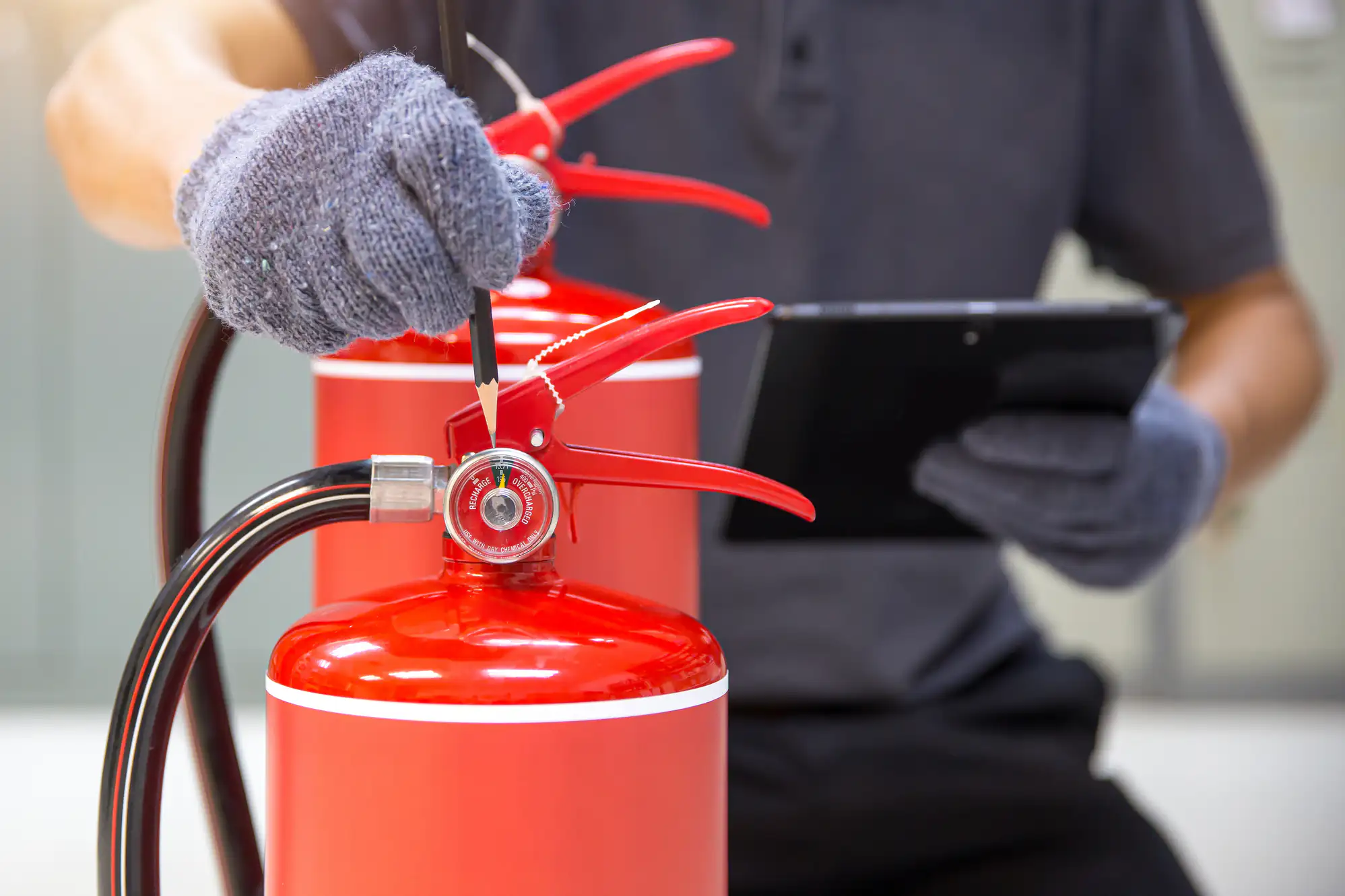
Suffolk County operates on a decentralized fire district model, which means inspection frequency can vary depending on which fire district your property falls under. Most commercial buildings need annual inspections at minimum, but some districts require semi-annual checks depending on occupancy type and building use.
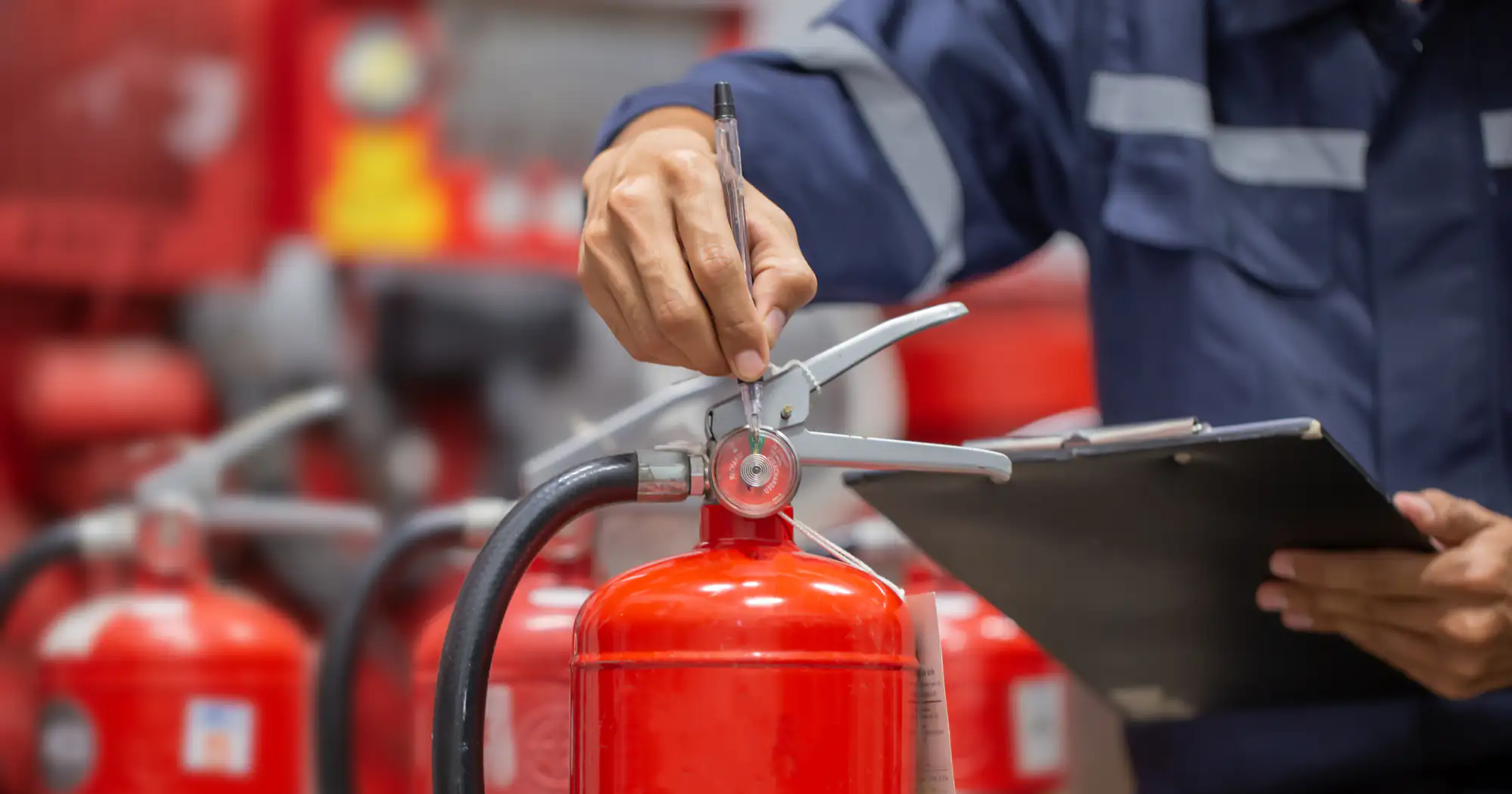
Your fire alarm system, smoke detectors, pull stations, and notification devices all get tested during these inspections. If you’ve got a monitored system—which most commercial properties do—that monitoring connection gets verified too.
Missing an inspection or failing one creates violations that need to be corrected before you can pass. That’s where having a local team matters. We know the inspectors, we know what they’re looking for, and we make sure your system is ready before they show up.
A conventional system groups detectors into zones. When something triggers, you know which zone has the issue—but not which specific device. For a small building, that’s usually fine. For anything larger, it’s a problem.
An addressable system assigns a unique identifier to every smoke detector, heat sensor, and pull station. When one activates, the control panel tells you exactly which device and where it’s located. If you manage a warehouse, restaurant, or multi-tenant building in Coram, that specificity saves time and reduces disruption.
Addressable systems also support more advanced features like pre-alarm warnings, device-level diagnostics, and integration with building management systems. They cost more upfront, but they’re easier to maintain and far more effective in commercial applications.
In most cases, yes. Common violations include outdated smoke detectors, missing or damaged pull stations, inadequate notification devices, or monitoring issues. Those are all fixable without ripping out your entire fire alarm system.
If your system is decades old and running on obsolete technology, replacement might make more sense than patching it together. But if the core infrastructure is solid and you’re just dealing with aging components or coverage gaps, targeted corrections usually get you back in compliance.
We assess what’s actually wrong, what the inspector flagged, and what Suffolk County requires for your building type. Then we give you a clear answer on whether you need repairs, upgrades, or a full replacement. No upselling, no scare tactics.
If your building has poor radio signal penetration, yes. A BDA system—short for Bi-Directional Amplifier—boosts radio communication so first responders can stay connected once they’re inside your building. This is required in many newer commercial buildings and in older structures where concrete, steel, or sheer size blocks radio signals.
Suffolk County and Nassau County both enforce these requirements, especially for larger commercial properties, high-rises, and buildings with basements or interior spaces that don’t get reliable signal coverage. If firefighters can’t communicate during an emergency, that’s a life safety issue.
BDA installation requires FCC certification, which our team has. We test signal strength, design the system to cover dead zones, and integrate it with your fire alarm setup so everything works together. It’s not optional if the county says you need it—and trying to skip it just creates violations.
For a standard commercial building—say, 5,000 to 10,000 square feet—installation usually takes one to three days depending on the complexity of the system and whether we’re working around your business hours. Larger properties or buildings that need extensive device coverage take longer.
If you’re adding a fire detection system to new construction, the timeline depends on coordination with other trades and where you are in the build process. Retrofit installations in occupied buildings take a bit more planning because we’re working around your operations and minimizing disruption.
The actual installation is only part of it. Design, permitting, inspections, and testing all factor into the overall timeline. We give you a realistic schedule upfront so you know what to expect and when your building will be ready for occupancy or final inspection.
False alarms happen for a few reasons: dust buildup on smoke detectors, steam from kitchens or bathrooms, power surges, or system malfunctions. If you’re getting frequent false alarms, something’s wrong with your setup or maintenance routine.
Notifier systems are designed to filter out false triggers while staying sensitive to real threats. Addressable systems help because they can identify exactly which device is causing the issue, so you’re not guessing. Regular maintenance—cleaning detectors, testing devices, updating firmware—reduces false alarms significantly.
If a false alarm does trip, your monitoring service will contact you first before dispatching fire services, assuming you’ve got a verified response protocol in place. That gives you a chance to confirm whether it’s real or not. But if false alarms become a pattern, some municipalities start issuing fines. Fixing the root cause is cheaper than paying penalties every few months.
Other Services we provide in Coram