
Explore firsthand accounts of our exceptional service and dedication to safety through the glowing testimonials from our satisfied clients.
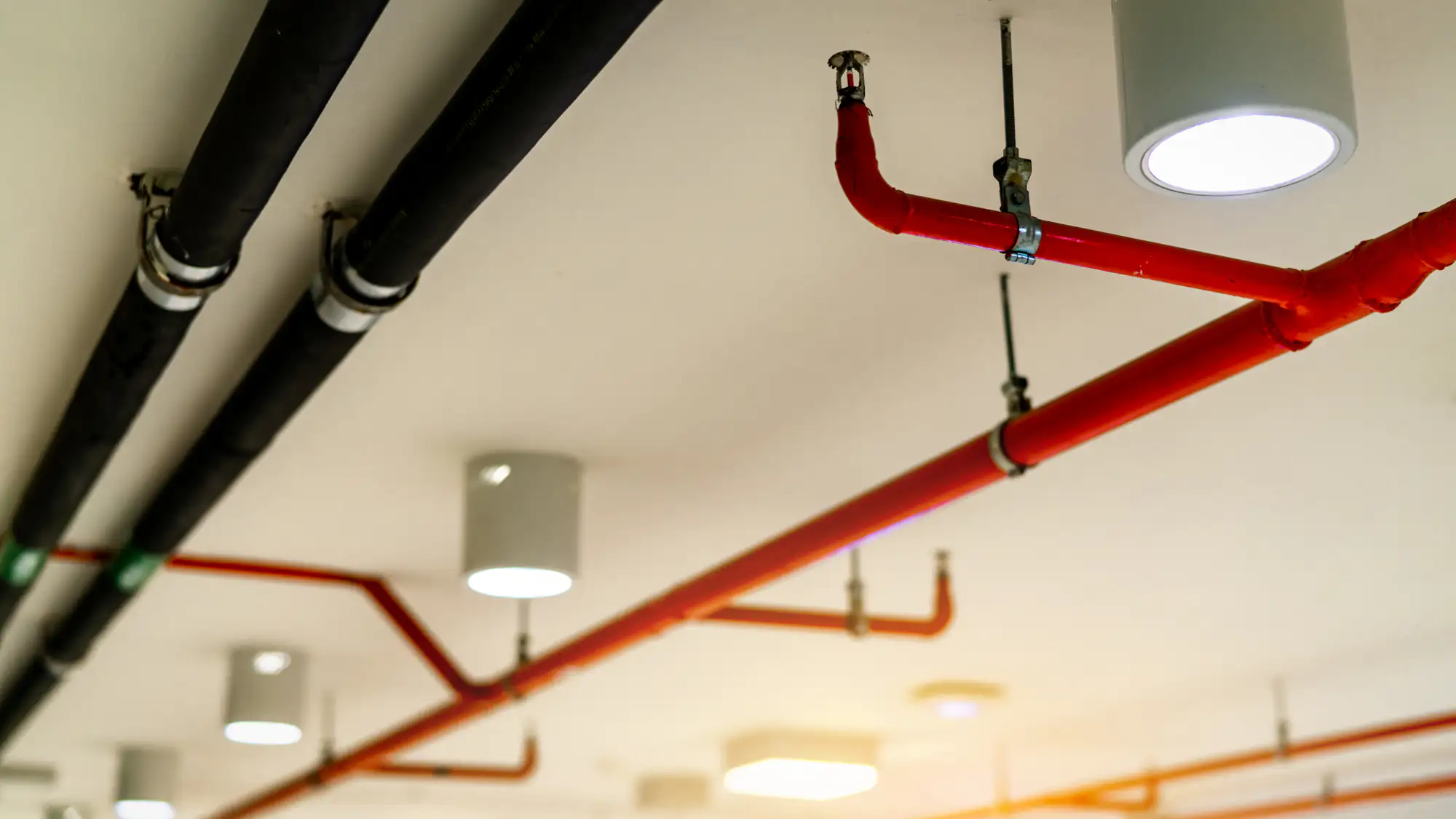
You’re not just avoiding fines. You’re protecting people, preserving your investment, and keeping your doors open when others get shut down for code violations.
Fire code violations in New York aren’t warnings—they’re expensive problems that escalate fast. First-time violations start at $250 and climb past $5,000 for repeat offenses. Worse, you face increased inspector scrutiny, insurance complications, and in severe cases, shutdown orders that halt your business entirely.
When your fire sprinkler system passes inspection, your alarms respond correctly, and your building meets NFPA 25 standards, you’re operating from a position of strength. Your insurance stays stable. Your liability stays manageable. Your focus stays on running your business instead of scrambling to fix compliance issues under pressure.
That’s what proper fire protection services actually deliver—not just equipment, but the operational freedom that comes from doing things right the first time.
We hold NYS License #12000325006, Nassau County licenses 2019AEL75352 and PEL000000259, and Suffolk County license 180. We’re NICET certified, MBE certified, and authorized Notifier by Honeywell dealers serving Coram and surrounding communities throughout Suffolk, Nassau, and NYC.
We’re members of the New York Fire Alarm Association because staying current on code changes, technology updates, and industry standards isn’t optional in this field. Your building’s fire protection system needs to work when called upon, and that requires expertise that goes beyond basic installation.
Coram sits in a densely developed area of Long Island where commercial and residential properties operate under strict fire safety regulations. We’ve worked with facility managers, restaurant owners, warehouse operators, and property developers throughout this region who need reliable fire protection services that keep pace with local code enforcement and insurance requirements.
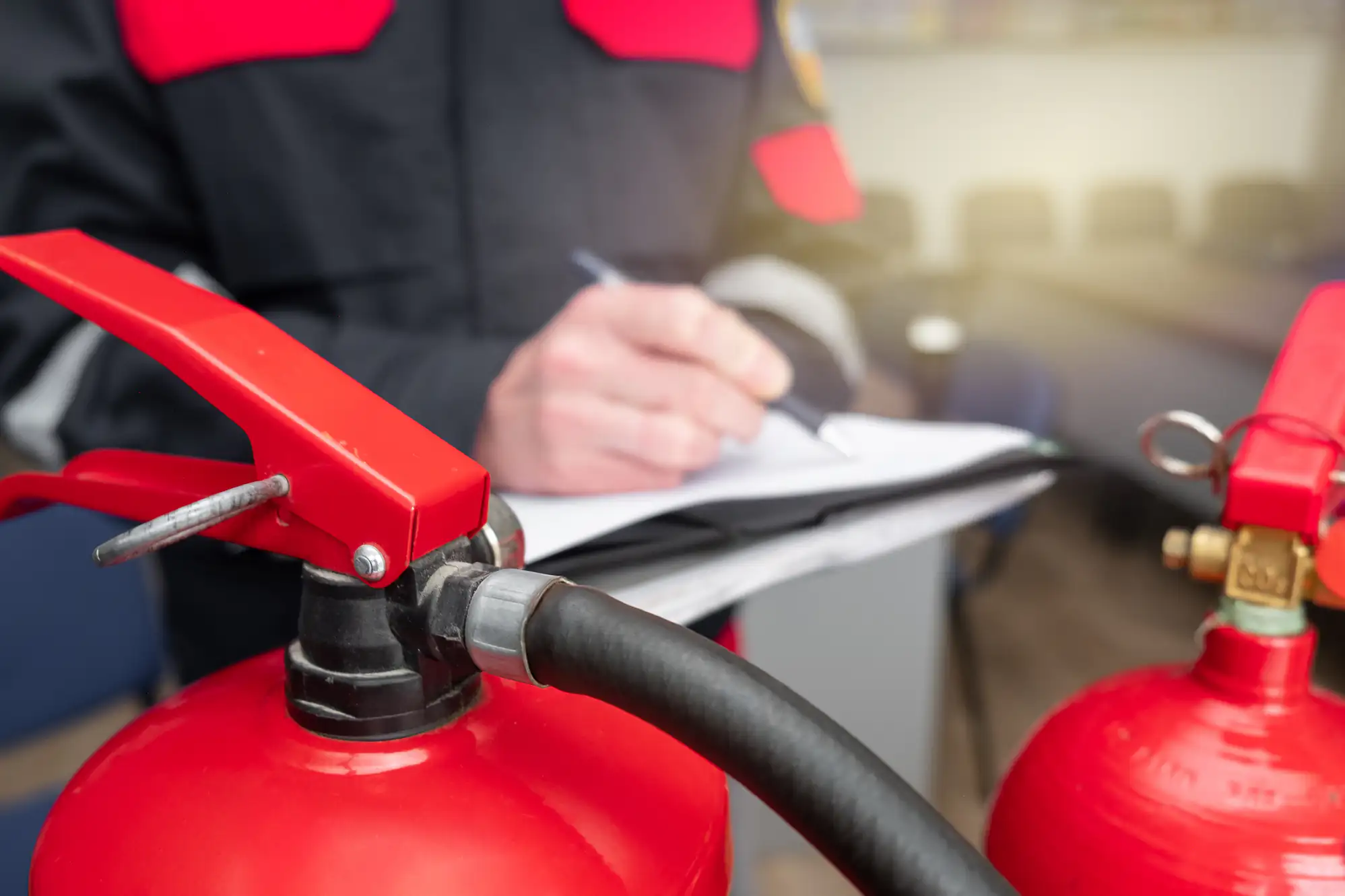
It starts with understanding what your property actually needs. We assess your current fire sprinkler system, alarm setup, and building code compliance status. If you’re dealing with violations, we identify exactly what needs correction and map out a clear path to resolution.
For new installations, we design systems that meet international building code standards and Title 24 requirements while accounting for your property’s specific layout and use. BDA system installation for buildings requiring emergency responder radio communication gets handled by our FCC-certified team who ensure proper integration with existing fire safety infrastructure.
Installation follows manufacturer specifications and local code requirements. We work with Notifier by Honeywell equipment, which gives you access to reliable technology backed by industry-leading support. Our NICET certified professionals handle the technical work while keeping disruption to your operations minimal.
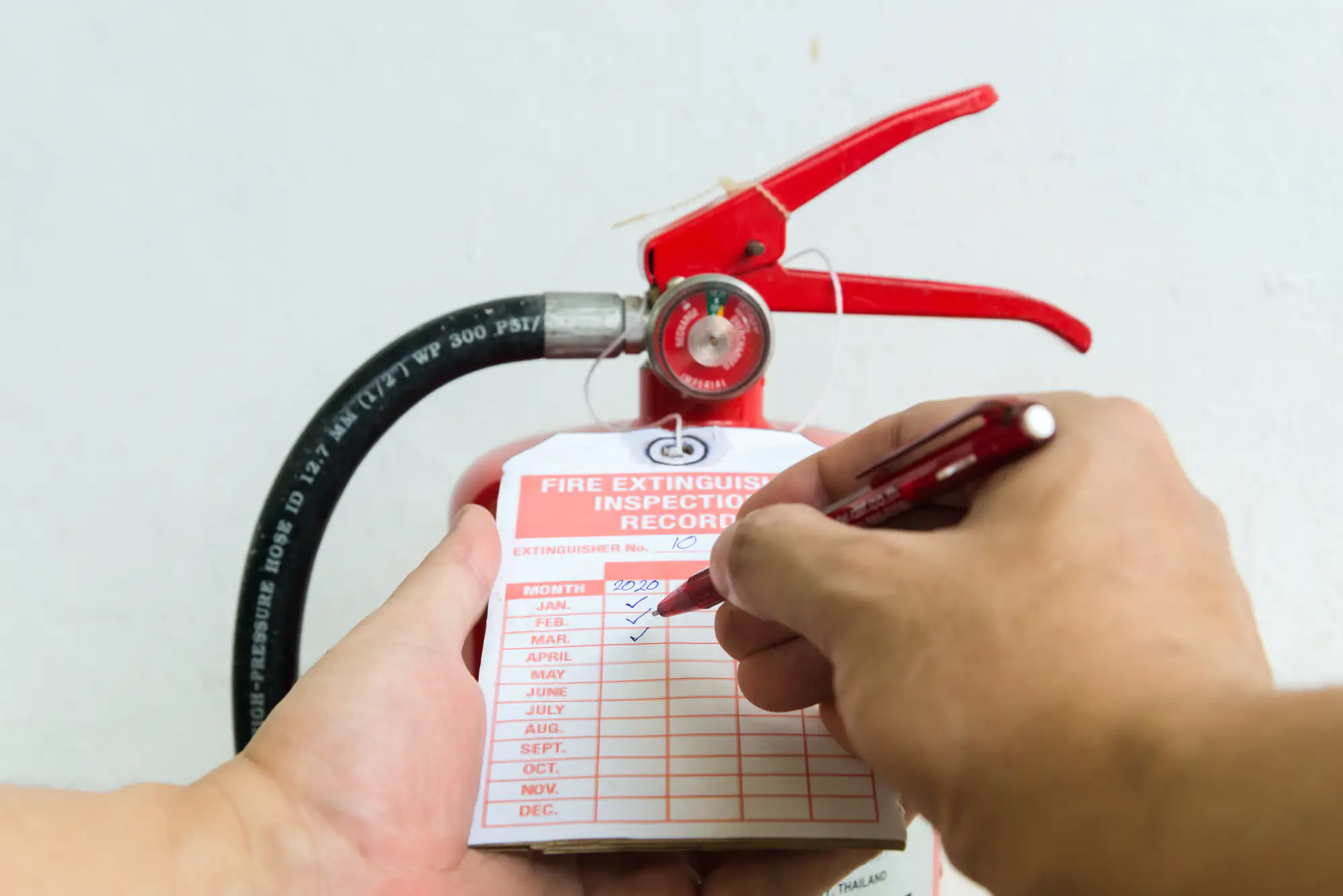
After installation, we set up inspection schedules that align with NFPA 25 compliance requirements. Quarterly and annual inspections keep your fire sprinkler system, alarms, and fire pump equipment functioning correctly. When issues arise, our 24/7 emergency response team handles repairs immediately—because fire protection systems don’t fail on convenient schedules.
Ready to get started?
You get installation, inspection, maintenance, monitoring, and violation correction under one roof. Fire sprinkler systems, fire alarm systems, fire extinguisher services, BDA systems, and fire pump maintenance all fall within our scope.
Long Island’s commercial real estate market continues tightening, with industrial vacancy rates at 5.0% and office vacancy declining to 13.1%. That means more occupied buildings requiring active fire protection compliance. Properties in Coram, Ronkonkoma, Bohemia, and surrounding areas face consistent code enforcement, and staying ahead of inspections matters more than reacting to violations.
We handle FDNY violation corrections for properties operating under New York City fire code jurisdiction. We manage NFPA 25 inspections that satisfy insurance requirements and legal obligations. We install and maintain systems that meet current building code standards, including Title 24 compliance for commercial properties.
When your fire protection system needs attention, you’re not coordinating between multiple vendors or waiting for callbacks. You’re working with licensed professionals who understand local requirements, carry proper certifications, and show up when they say they will. That’s the practical difference between adequate fire protection and fire protection services that actually function when tested.
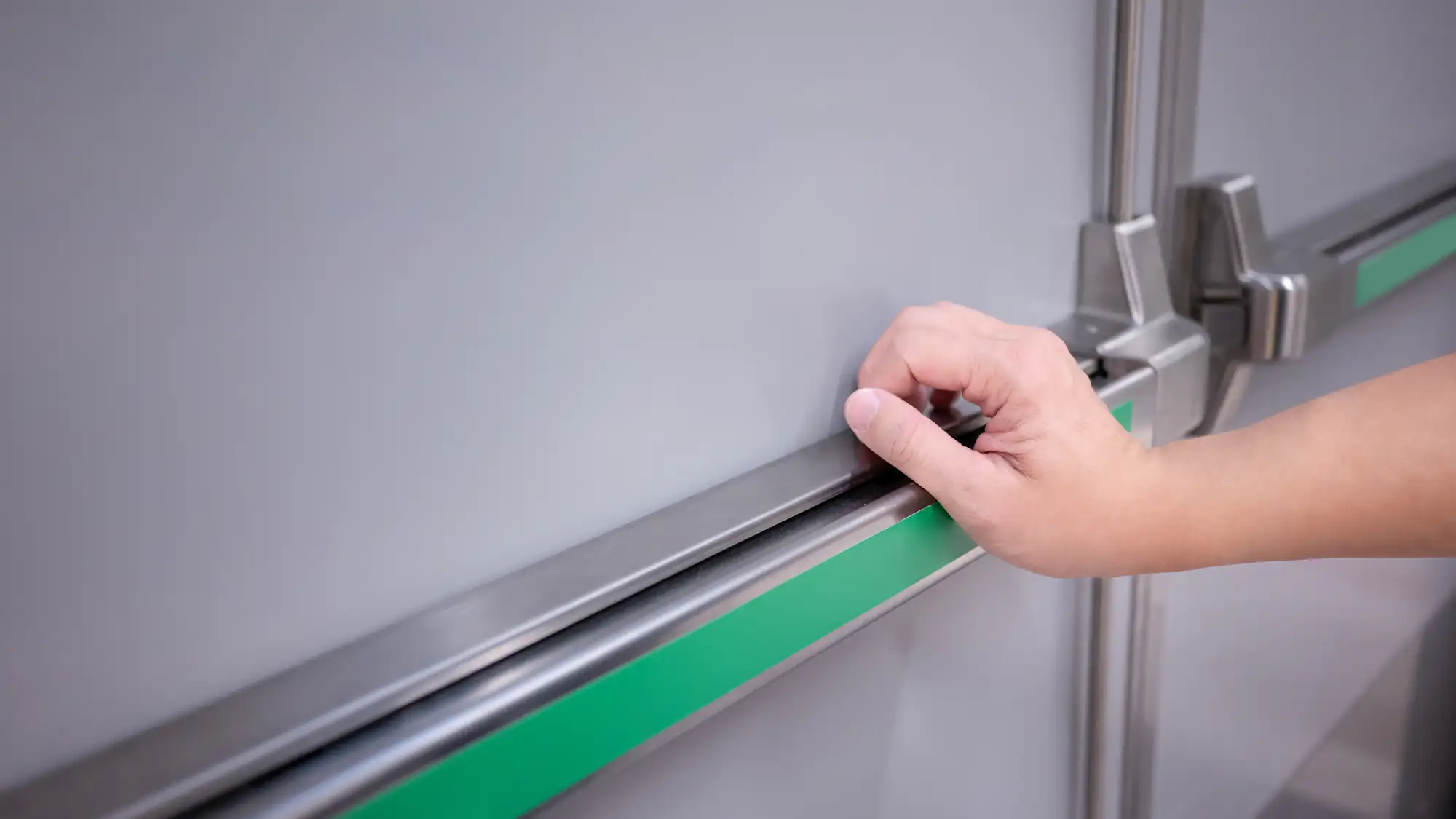
NFPA 25 requires quarterly inspections for certain components and comprehensive annual inspections for complete fire sprinkler system evaluation. New York fire codes enforce these standards strictly, and missing scheduled inspections creates compliance gaps that inspectors will catch.
Quarterly inspections cover alarm devices, gauges, control valves, and hydraulic nameplates. Annual inspections involve more thorough testing of sprinkler heads, piping, hangers, and system functionality. Five-year inspections require obstruction assessments and pipe interior evaluations.
If your building houses commercial operations, warehouses, restaurants with kitchen suppression systems, or multi-family residential units, these inspection schedules aren’t suggestions. They’re legal requirements tied to your certificate of occupancy and insurance coverage. Falling behind means you’re operating with expired compliance documentation, which creates liability exposure and potential violation notices during routine fire department inspections.
You have limited time to correct the violation before penalties escalate and enforcement actions intensify. FDNY violations come with correction deadlines, and missing those deadlines triggers increased fines, additional inspections, and potential legal action including criminal summons for serious violations.
First-time violations typically range from $250 to $1,000 depending on severity. Repeat violations or failures to correct cited issues push fines above $5,000. More concerning than fines, uncorrected violations can result in vacate orders, stop-work orders, or operational shutdowns that close your business until compliance is restored.
We handle violation correction by identifying the specific code section you’re violating, determining what equipment or procedural changes will bring you into compliance, and executing those corrections with proper documentation. Once corrected, we coordinate re-inspection with FDNY to clear the violation from your record. The goal is resolving the issue completely so it doesn’t resurface during future inspections or create patterns that trigger enhanced enforcement scrutiny.
If your building interferes with emergency responder radio communication, yes. The international building code and New York fire code require BDA systems (Bi-Directional Amplifier systems) in buildings where radio signal strength falls below minimum thresholds needed for first responder safety.
Buildings with significant square footage, multiple floors, dense construction materials, or underground areas often create radio dead zones. When firefighters, police, or EMS personnel can’t communicate reliably inside your building during emergencies, that’s a life-safety issue and a code violation.
BDA system installation involves radio frequency testing to map signal strength throughout your building, designing amplification solutions that meet FCC regulations, and integrating the system with your existing fire alarm infrastructure. Our FCC-certified team handles the technical requirements while ensuring the system meets Title 24 standards and local fire code mandates. Once installed, the system requires periodic testing to verify continued functionality—another item that gets added to your compliance inspection schedule but one that genuinely improves emergency response capability in your building.
Basic fire alarm systems detect smoke, heat, or manual pull station activation and sound local alarms. Monitored systems do that plus immediately notify a central monitoring station staffed 24/7 with trained operators who dispatch emergency services and contact your designated personnel.
When a monitored fire alarm activates at 2 AM, you’re not relying on someone nearby hearing the alarm and calling 911. The monitoring station receives the signal instantly, verifies the alarm type and location within your building, and dispatches fire department response while simultaneously contacting your emergency contacts.
This matters for insurance compliance, response time, and property protection. Many commercial insurance policies require monitored fire alarm systems as a condition of coverage. Response time improves because dispatch happens immediately rather than waiting for discovery. Property damage gets minimized because intervention starts sooner. Our monitoring service includes professional operators trained to handle fire emergencies specifically, not general security monitoring staff who treat fire alarms as one of many alert types they process.
Installation timelines depend on building size, system complexity, and whether we’re working in new construction or retrofitting existing space. Small commercial installations might complete in several days. Larger facilities with extensive fire sprinkler coverage, fire pump requirements, and complex piping layouts can take several weeks.
New construction moves faster because we’re installing systems before walls close and finishes go in. Retrofit installations in occupied buildings require more coordination to minimize operational disruption, protect existing finishes, and work around your business hours when necessary.
We provide specific timelines after assessing your property and understanding your system requirements. The estimate accounts for design work, permit acquisition, material procurement, installation labor, system testing, and final inspection. Rushing fire protection installation creates problems—improper pipe slope, inadequate coverage, or installation errors that surface during testing. We schedule projects realistically and communicate clearly about what’s happening when, so you can plan around the work instead of being surprised by it.
Yes. We handle inspections, maintenance, repairs, and monitoring for fire sprinkler systems, fire alarms, and fire protection equipment regardless of who performed the original installation. If your current provider isn’t responsive, lacks proper licensing, or simply isn’t meeting your needs, we can take over service responsibility.
We start by evaluating your existing system’s condition, reviewing past inspection records if available, and identifying any deferred maintenance or compliance gaps. From there, we establish a proper inspection schedule, address any immediate deficiencies, and integrate your property into our service program.
This includes buildings with older systems that need updating to meet current building code standards, properties with violation notices requiring immediate correction, and facilities where previous contractors have gone out of business or stopped servicing the area. Our licensing covers Suffolk County, Nassau County, and NYC, so we can legally service fire protection systems throughout the region. The equipment doesn’t care who installed it—it just needs qualified technicians who understand how it works and what code compliance actually requires.
Other Services we provide in Coram