
Explore firsthand accounts of our exceptional service and dedication to safety through the glowing testimonials from our satisfied clients.
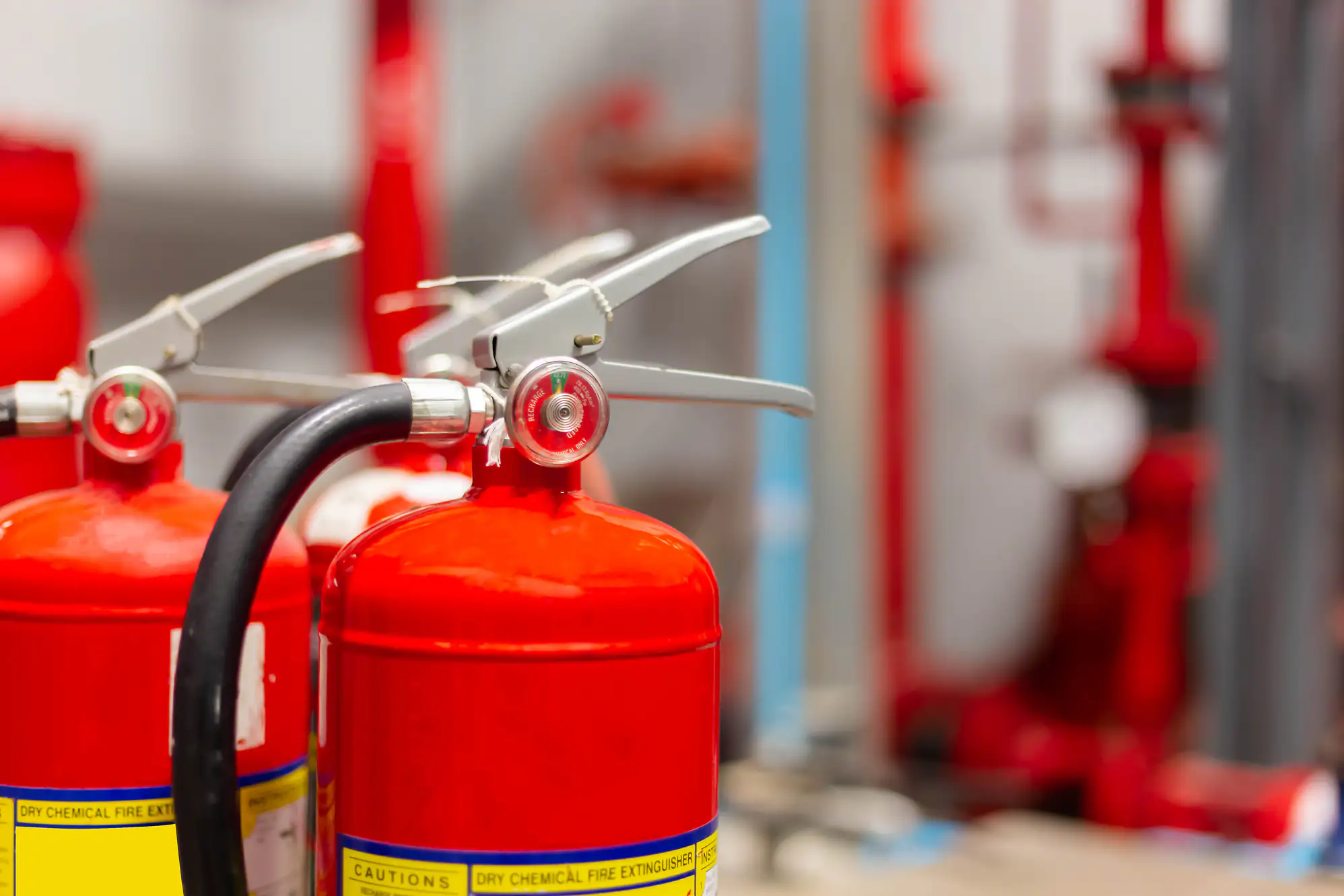
A fire alarm system that catches smoke early gives you minutes that matter. Those minutes mean your sprinklers activate before flames spread. Your team evacuates before corridors fill with smoke. First responders arrive while the fire is still containable.
Modern fire detection systems use addressable technology that pinpoints exactly where smoke or heat is detected. No more guessing which zone triggered the alarm. No more false alarms from a single faulty sensor shutting down your entire operation for the day.
You get a system that integrates with your building management setup, sends alerts to monitoring stations 24/7, and meets every code requirement for Suffolk and Nassau Counties. The result is fewer violations, lower insurance premiums, and actual protection when something goes wrong.
We hold active licenses in Suffolk County (180), Nassau County (2019AEL75352), and New York State (#12000325006). Every technician on our team is NICET certified, which means they’ve passed the same exams that qualify engineers to design life safety systems for hospitals and high-rises.
We’re an authorized Notifier by Honeywell dealer, so you’re getting equipment from the same manufacturer that protects airports, universities, and industrial complexes. We’ve been installing and servicing fire alarm systems across East Setauket, Stony Brook, Smithtown, Port Jefferson, and over 45 Long Island communities.
If you’ve got a violation notice from the fire marshal or you’re trying to pass a certificate of occupancy inspection, we handle correction work and documentation. We’re also members of the New York Fire Alarm Association and MBE certified.
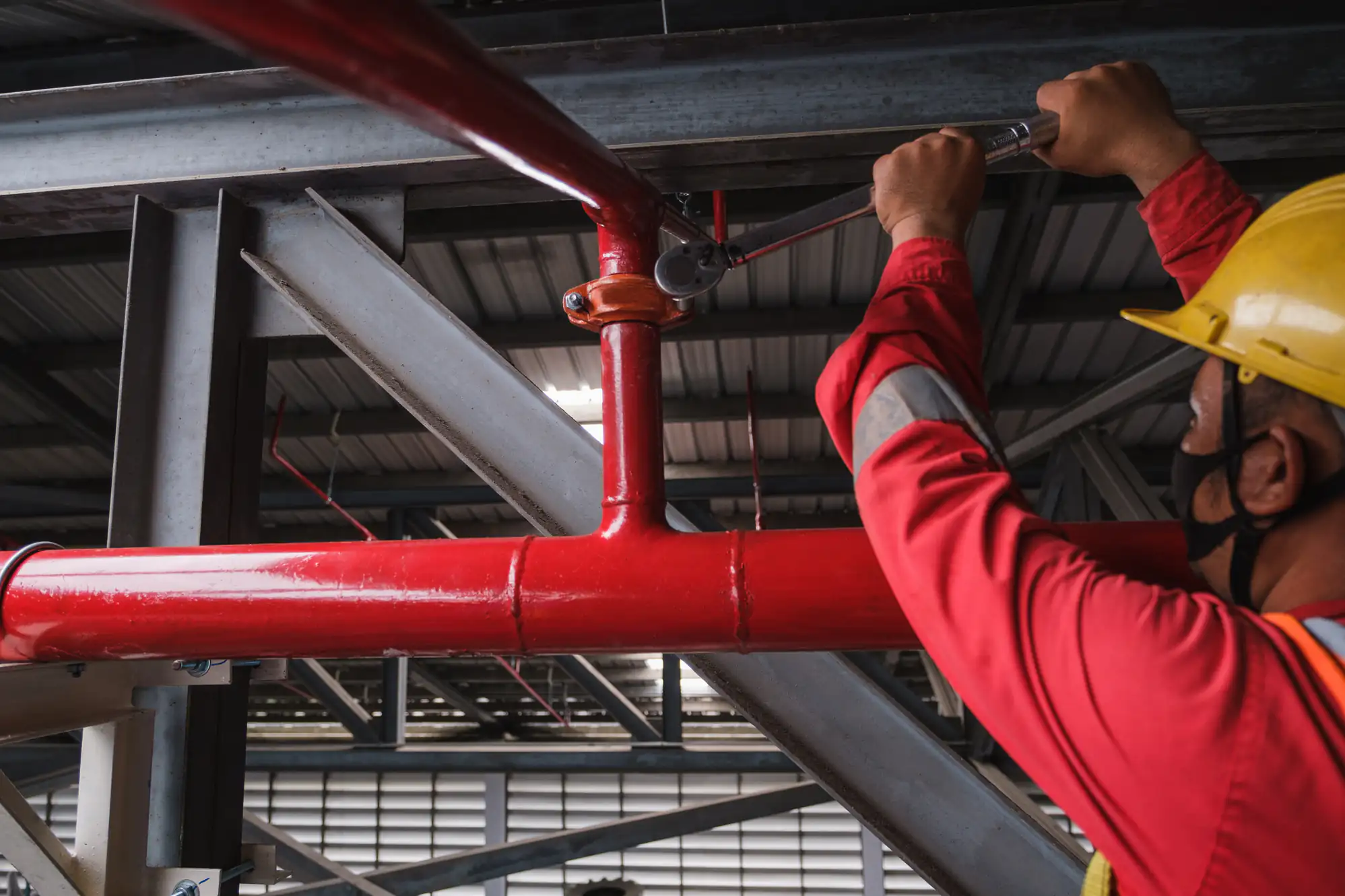
We start with a walkthrough of your property to identify detection zones, egress routes, and any existing code violations. You’ll get a detailed layout showing where smoke detectors, heat sensors, pull stations, and notification devices will be installed.
Once the design is approved, our team handles all wiring, device mounting, and panel programming. We use Autodesk AutoCAD for fire alarm drawings and submittal documents, so everything is documented for inspectors and insurance carriers. After installation, we run full system tests to verify every device communicates with the panel and triggers the right response.
Your system connects to our 24/7 monitoring station. If an alarm activates, operators immediately contact your designated personnel and dispatch fire services if needed. We schedule annual inspections to test batteries, sensors, and notification appliances. If you need emergency service, we’re on call day or night.

Ready to get started?
Your fire detection system includes addressable smoke detectors that identify the exact location of smoke or heat, reducing false alarms and speeding up response. You get pull stations at every exit, horn/strobe notification devices that meet ADA requirements, and a main control panel that logs every event for inspection records.
If your building has communication dead zones, we install BDA systems (bi-directional amplifiers) so first responders can use radios inside your facility. Nearly all commercial buildings in East Setauket and across Suffolk County now require these emergency radio communication systems under updated fire codes.
We also handle smoke alarm replacement for aging detectors, combo smoke and CO alarm installation for residential properties, and integration with existing security or building automation systems. If you’re dealing with a violation notice, we provide correction services and work directly with local fire marshals to clear citations.
Long Island has strict fire safety regulations, especially for commercial buildings constructed before 2000. Almost 70 percent of older commercial properties don’t have modern addressable fire alarm systems, which means they’re operating with outdated technology that’s more prone to malfunction and false alarms.
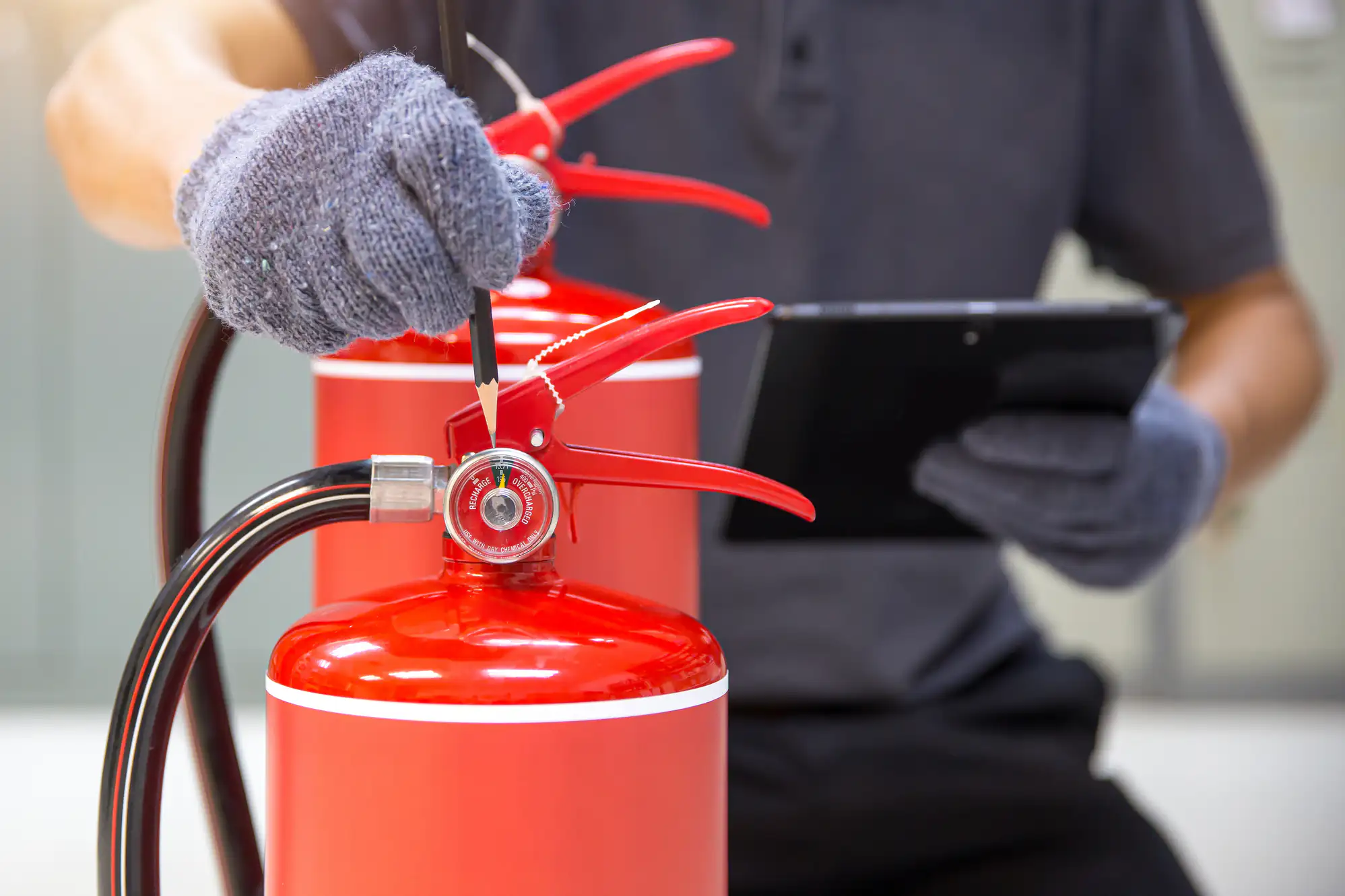
Installation cost depends on building size, detection zones, and whether you need a conventional or addressable system. A small retail space with basic coverage might run a few thousand dollars. A multi-story office building or warehouse with dozens of zones, pull stations, and strobes will cost significantly more.
Addressable systems cost more upfront but save money long-term because they reduce false alarms and make troubleshooting faster. If a single detector fails, the panel tells you exactly which one instead of shutting down an entire zone. That means less downtime and fewer service calls.
We provide a detailed quote after the site assessment. The estimate includes equipment, labor, programming, testing, and all documentation needed for inspections. If you’re correcting violations or upgrading from an outdated system, we’ll outline what’s required to meet current Suffolk County fire codes.
Conventional systems group multiple detectors into zones. If any detector in that zone activates, the panel shows which zone triggered the alarm but not which specific device. That works fine for smaller buildings, but it slows down response in larger facilities because you have to search the entire zone to find the source.
Addressable systems assign a unique identifier to every device on the network. When a detector senses smoke, the panel displays its exact location. You know immediately if it’s the loading dock, the break room, or the electrical closet. That precision matters during an emergency and also reduces false alarms because you can isolate and replace a single faulty detector without affecting the rest of the system.
Addressable technology also allows for more advanced features like pre-alarm warnings, detector sensitivity adjustments, and integration with building automation systems. If your facility has complex layouts, multiple floors, or high ceilings, addressable is the better choice.
New York State requires annual inspections for all commercial fire alarm systems. During the inspection, we test every smoke detector, heat sensor, pull station, and notification device to verify they’re working correctly. We also check battery backups, review event logs, and clean detectors to prevent dust buildup that can cause false alarms.
If your system is monitored, the monitoring connection gets tested to confirm signals are reaching the central station. Any deficiencies found during inspection must be corrected and documented. You’ll receive a written report that satisfies insurance requirements and fire marshal requests.
Between annual inspections, you should test pull stations and notification devices quarterly. Most modern panels have a test mode that lets you verify functionality without triggering a full alarm response. If you notice frequent false alarms, delayed notifications, or error messages on the panel, call for service immediately. Waiting until the annual inspection could leave you non-compliant or unprotected.
Yes. Most modern fire alarm panels communicate with building automation systems, access control platforms, and HVAC controls. When the fire alarm activates, it can automatically unlock magnetic doors, shut down air handlers to prevent smoke spread, and recall elevators to the ground floor.
Integration also allows facility managers to monitor fire alarm status from the same dashboard they use for security cameras and environmental controls. If you’re managing multiple buildings across Long Island, centralized monitoring saves time and reduces the chance of missing critical alerts.
We work with Notifier by Honeywell systems, which are designed for integration with most commercial building platforms. During the design phase, we’ll map out how your fire alarm system should interact with other life safety and operational systems. The goal is a coordinated response that protects occupants and property without creating conflicts between different systems.
If your system fails inspection, you’ll receive a violation notice outlining what needs to be corrected. Common issues include non-functional detectors, dead backup batteries, missing or damaged notification devices, and outdated equipment that no longer meets code requirements.
You typically have a set timeframe to make corrections and schedule a re-inspection. Ignoring violations can result in fines, failed certificate of occupancy renewals, or insurance complications. In some cases, the fire marshal may restrict building occupancy until violations are cleared.
We handle violation correction work across East Setauket and Long Island. After assessing the deficiencies, we provide a scope of work and timeline for bringing your system into compliance. Once repairs are complete, we coordinate with the fire marshal for re-inspection and provide all necessary documentation. Most corrections can be completed quickly if you address them as soon as the notice arrives.
Single-family homes aren’t required to have monitored fire alarm systems, but high-value properties and large estates often install them for added protection. A monitored system alerts a central station the moment smoke is detected, even if nobody is home. That early notification can mean the difference between minor smoke damage and total loss.
Residential fire alarm systems typically include smoke detectors in bedrooms and hallways, heat detectors in kitchens and garages, and combo smoke and CO alarms near fuel-burning appliances. If you have a home security system, fire monitoring can usually be added to the same platform.
For residential properties with home offices, workshops, or valuable collections, monitored fire detection provides peace of mind and may reduce insurance premiums. We install systems from brands like Nest and Kidde for residential clients, along with professional-grade equipment for larger estates that need zone-based detection and central station monitoring.
Other Services we provide in East Setauket