Explore firsthand accounts of our exceptional service and dedication to safety through the glowing testimonials from our satisfied clients.
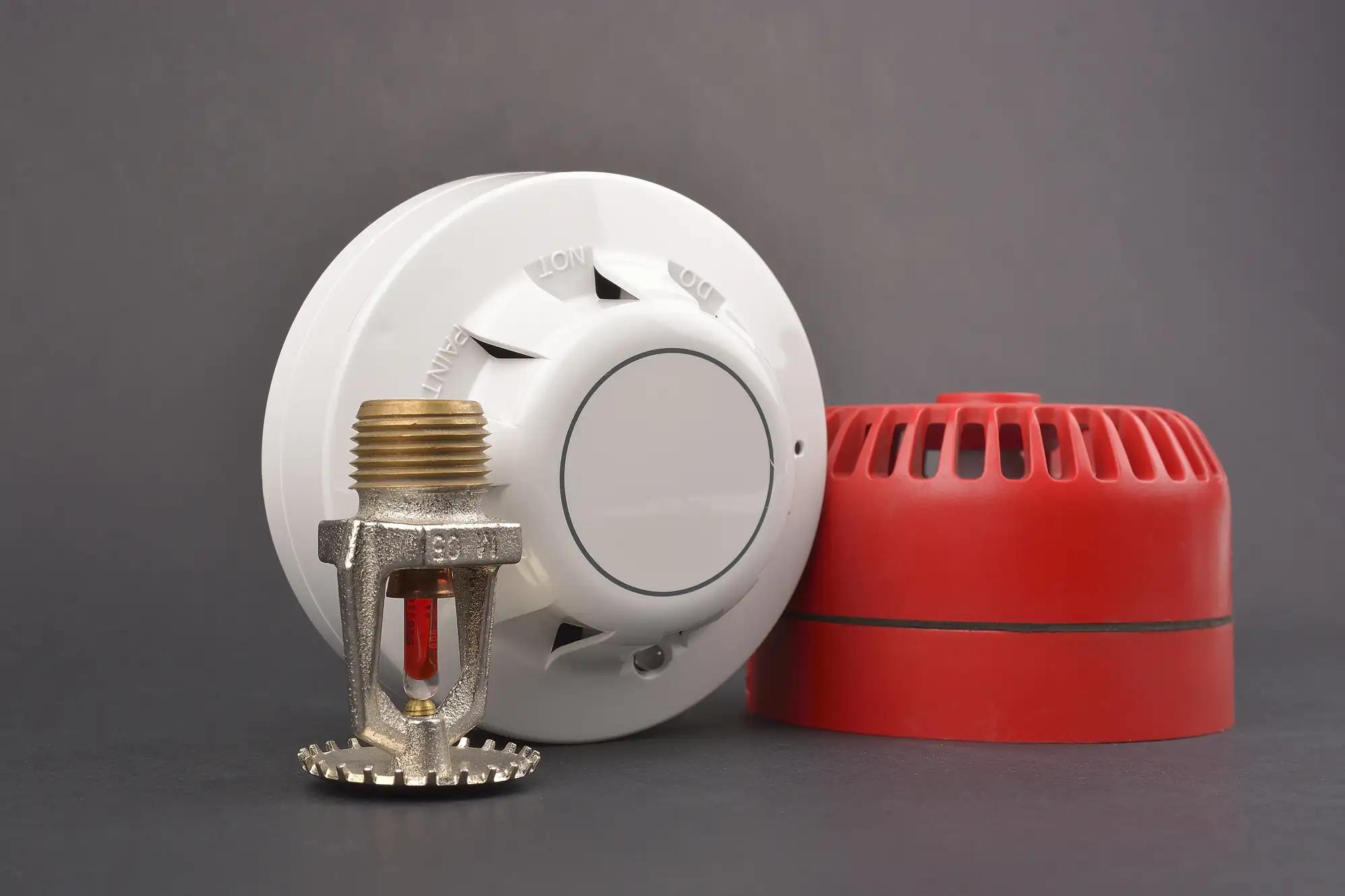
You’re not looking for a lecture on fire safety. You need someone who can walk your property, spot what’s wrong, tell you exactly what it takes to fix it, and help you document everything so the fire marshal inspection doesn’t come back to haunt you.
That’s what fire safety consulting actually does. It gives you a clear path from violation to compliance, or from new construction to certificate of occupancy, without the back-and-forth that eats up your time and budget.
When you work with a fire protection consultant who understands NFPA 101 life safety code and the international fire code the way it applies here in Suffolk County, you’re not guessing. You’re getting a plan that works the first time. You’re avoiding the expensive mistakes that come from misreading egress window code requirements or installing the wrong suppression system for your building type. And you’re building a relationship with someone who can help you stay ahead of changes instead of scrambling when the next inspection notice shows up.
Island Fire & Defense Systems holds NYS License #12000325006, Nassau County licenses, and Suffolk County license 180. We’re NICET certified, MBE certified, and we’re authorized dealers for Notifier by Honeywell systems. That’s not marketing talk—it’s the credentials you need when someone’s actually reviewing your fire and safety plan or challenging your compliance documentation.
We’ve worked across East Setauket, Stony Brook, Port Jefferson, Smithtown, and dozens of other Long Island towns where local fire codes layer on top of state requirements. We know which inspectors care about what, and we know how to document your systems so you’re not explaining the same thing three different ways to three different agencies. If you’ve already received a fire violation on your property, we can help clear it by fixing the issue and providing the necessary documents to lift the violation.
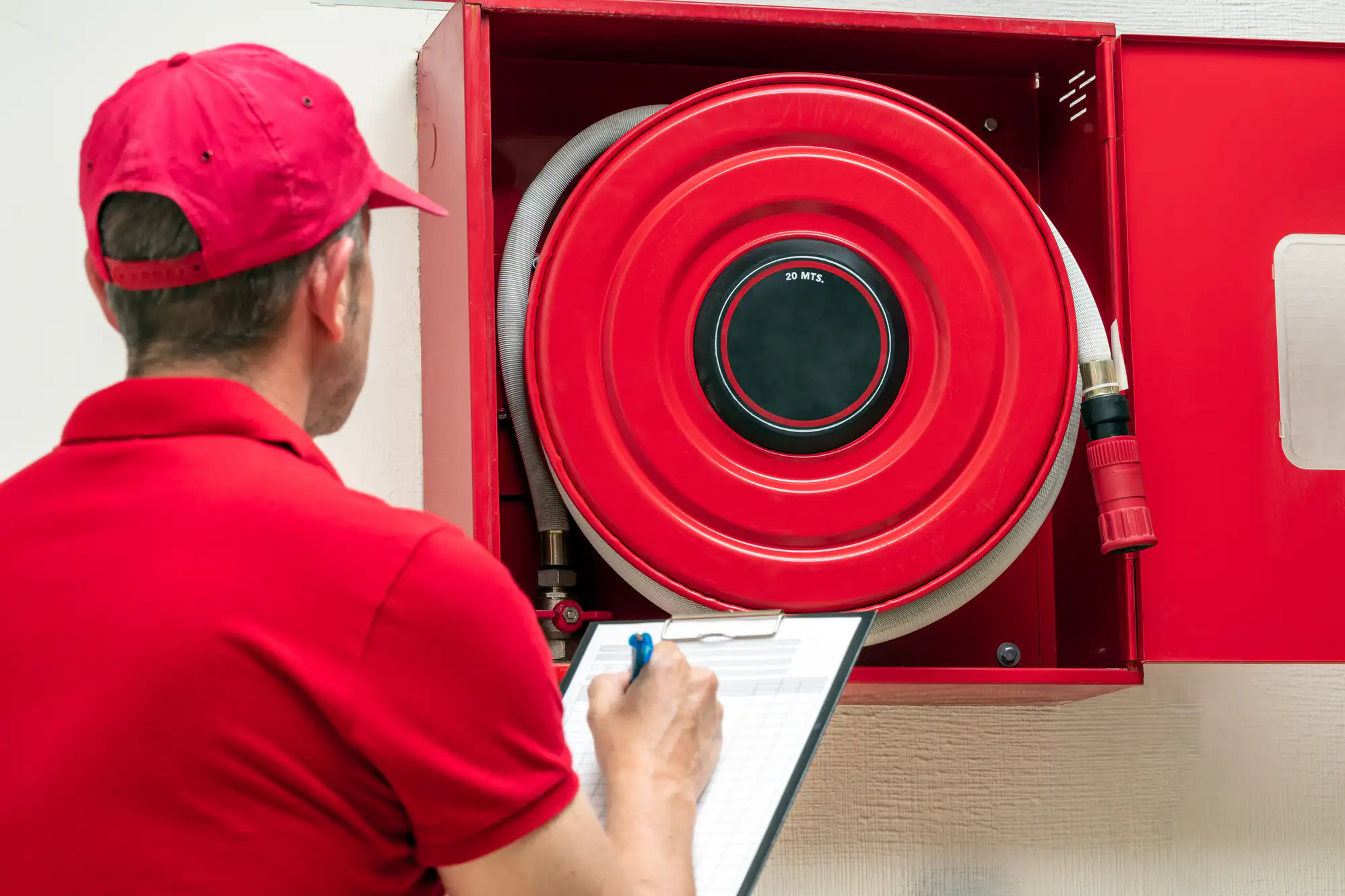
It starts with a site assessment. We walk your property and identify what’s out of compliance, what’s at risk, and what you’ll need to satisfy ICC building code requirements or NFPA standards. You’re not paying for a report full of jargon—you’re getting a breakdown of what needs to happen and why.
From there, we build your fire safety plan. That includes egress routes, suppression system specs, alarm placement, and any documentation required for your certificate of occupancy or insurance renewal. If you’re dealing with a fire marshal inspection or a violation notice, we prioritize what gets you back in compliance fastest.
Then we handle the execution. Whether that’s coordinating installation, pulling permits, or just consulting while your contractor does the work, we make sure it’s done right. And when the fire inspector near me shows up, everything’s documented, labeled, and ready to pass. We also provide ongoing support if your systems need testing, inspection, or maintenance down the line—because one-time compliance doesn’t mean much if your equipment fails when it matters.

Ready to get started?
You get a full code compliance review based on the international fire code, NFPA 101 life safety code, and any local amendments that apply in East Setauket and surrounding Suffolk County areas. That means we’re checking egress window code compliance, fire door ratings, sprinkler coverage, alarm system placement, and emergency lighting—all the things that show up on inspection checklists.
We also provide violation correction services. If you’ve been cited for missing suppression in your commercial kitchen, inadequate egress, or outdated alarm panels, we identify the fix and help you execute it. Then we provide the documentation you need to submit for violation removal. It’s not just about installing equipment—it’s about proving to the authority having jurisdiction that you’ve met the standard.
For new construction or renovations, we consult during the design phase so your fire and safety plan is built in from the start. That’s a lot easier than retrofitting later. And if you’re preparing for a home safety check, certificate of occupancy inspection, or insurance audit, we help you get your systems and paperwork in order before anyone shows up with a clipboard. Long Island properties face specific risks—proximity to water increases storm surge and flooding exposure, and older buildings in towns like Setauket often need updates to meet current code. We account for that.
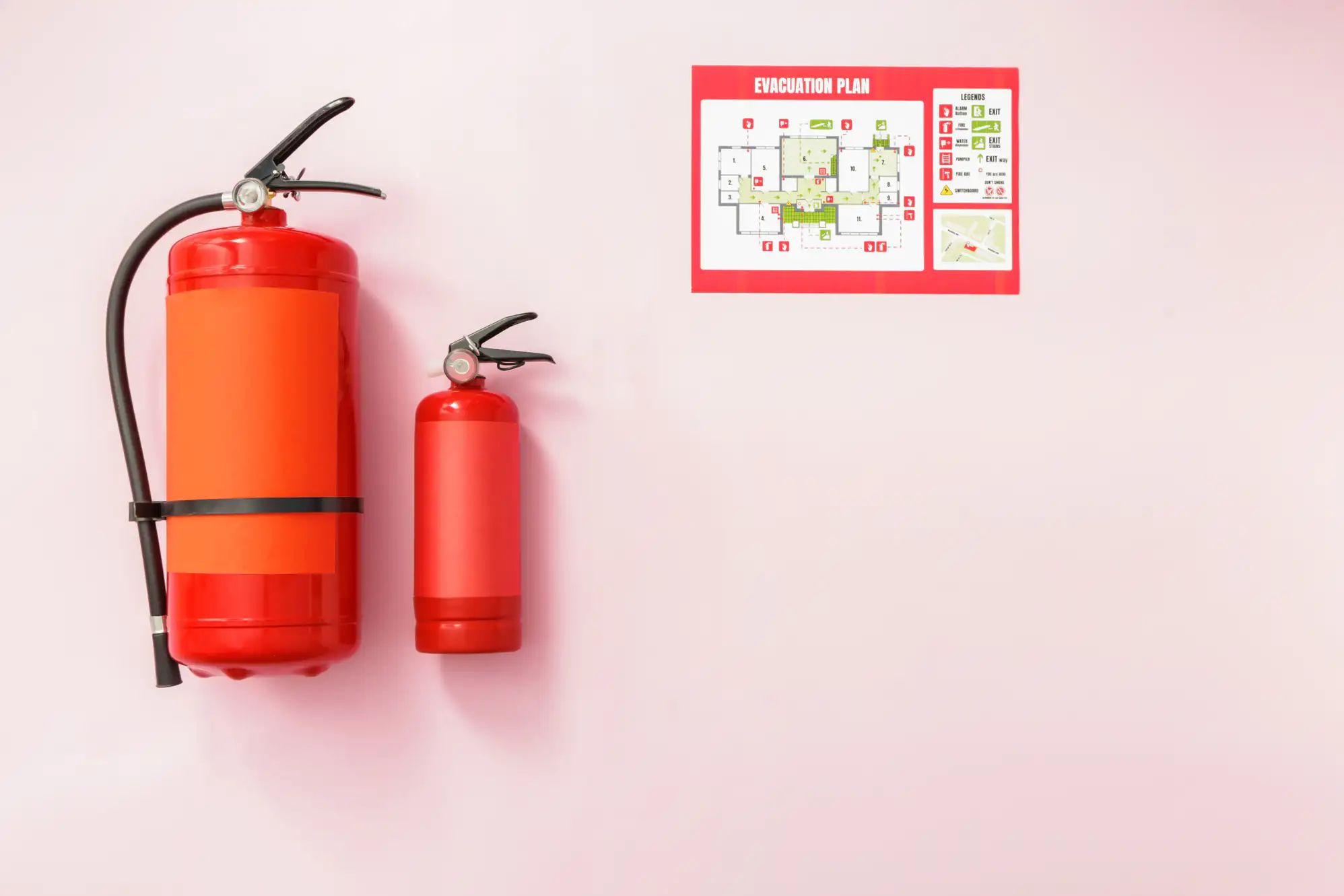
A fire protection consultant reviews your property against current fire codes—NFPA 101, the international fire code, ICC building code, and local requirements—to identify gaps in compliance. That includes checking your suppression systems, alarms, egress routes, fire doors, emergency lighting, and signage.
You’ll get a written report that explains what’s wrong, what code section applies, and what it takes to fix it. If you’re dealing with a violation, we prioritize the fastest path to compliance. If you’re planning new construction or a renovation, we help you design systems that pass inspection the first time.
The goal isn’t to sell you the most expensive system. It’s to make sure what you install actually works, meets code, and doesn’t get flagged during your fire marshal inspection or certificate of occupancy review.
You won’t know for sure unless someone who understands the code reviews your property. NFPA 101 life safety code covers everything from egress capacity to fire alarm requirements, and it changes periodically. Local jurisdictions like Suffolk County and Nassau County also have amendments that add requirements on top of the base code.
If you haven’t had a fire safety plan review in the last few years, or if your building has changed use, occupancy, or layout, there’s a good chance something’s out of date. Common issues include inadequate egress window code compliance in basements, missing or outdated fire alarm systems, and suppression systems that don’t match your current occupancy type.
We can audit your property, compare it against the current code, and tell you exactly where you stand. That’s a lot better than finding out during an inspection when you’re already facing fines or a stop-work order.
First, don’t ignore it. Fire violations come with deadlines, and missing them leads to escalating fines or even closure orders. The notice should specify what code section you violated and what needs to be corrected.
Your next step is to figure out the fix. Sometimes it’s simple—replace an exit sign, update a fire extinguisher, fix a door that’s been propped open. Other times it’s more involved, like installing a suppression system or upgrading your alarm panel to meet current standards. We can review the violation, identify the least disruptive solution, and help you document the correction.
Once the work is done, you’ll need to submit proof of compliance to the authority that issued the violation. That usually means inspection reports, equipment certifications, and updated fire and safety plan documents. If everything’s in order, the violation gets lifted. If it’s not, you’re back to square one—so it’s worth getting it right the first time.
If your building meets certain occupancy, size, or use thresholds under the ICC building code or NFPA standards, yes. Most commercial properties, multi-family residential buildings, and any facility with public occupancy need a documented fire and safety plan.
That plan includes your egress routes, evacuation procedures, fire suppression and alarm system details, and emergency contact information. It’s also what the fire marshal inspection team will ask to see when they show up. If you don’t have one, or if it’s outdated, you’re looking at a violation.
Even if your property technically doesn’t require a plan under code, having one makes inspections easier and gives your insurance company confidence that you’re managing risk. It also protects you if something does happen—documented safety procedures show you took reasonable steps to protect occupants and property.
It depends on the system. Fire alarm systems generally need annual testing and inspection under NFPA 72. Sprinkler systems fall under NFPA 25, which requires quarterly, annual, and sometimes five-year inspections depending on the component. Suppression systems in commercial kitchens need inspection every six months.
New York State and local jurisdictions enforce these schedules, and if you miss an inspection, you’re out of compliance even if the system works perfectly. That’s a problem during a fire marshal inspection or insurance audit—they’ll ask for your maintenance records, and if you don’t have them, you’re facing violations or coverage issues.
We can set up a maintenance schedule that keeps you compliant and catches problems before they become emergencies. Regular testing also means your systems actually work when you need them, which is the whole point of having them in the first place.
A fire inspector works for the local fire department or authority having jurisdiction. They enforce code compliance, issue violations, and approve or reject installations. You don’t hire them—they show up as part of the permitting or inspection process, and their job is to make sure you’re following the rules.
A fire protection consultant works for you. We help you understand what the rules are, design systems that meet code, fix violations before they escalate, and prepare your property so it passes inspection. We’re on your side of the table, and our goal is to make compliance as straightforward as possible.
If you’re dealing with a fire inspector near me search because you just got a violation notice, we’re who you call next. We’ll review what the inspector flagged, explain your options, and help you correct it in a way that satisfies the authority and gets you back to business.
Other Services we provide in East Setauket