
Explore firsthand accounts of our exceptional service and dedication to safety through the glowing testimonials from our satisfied clients.
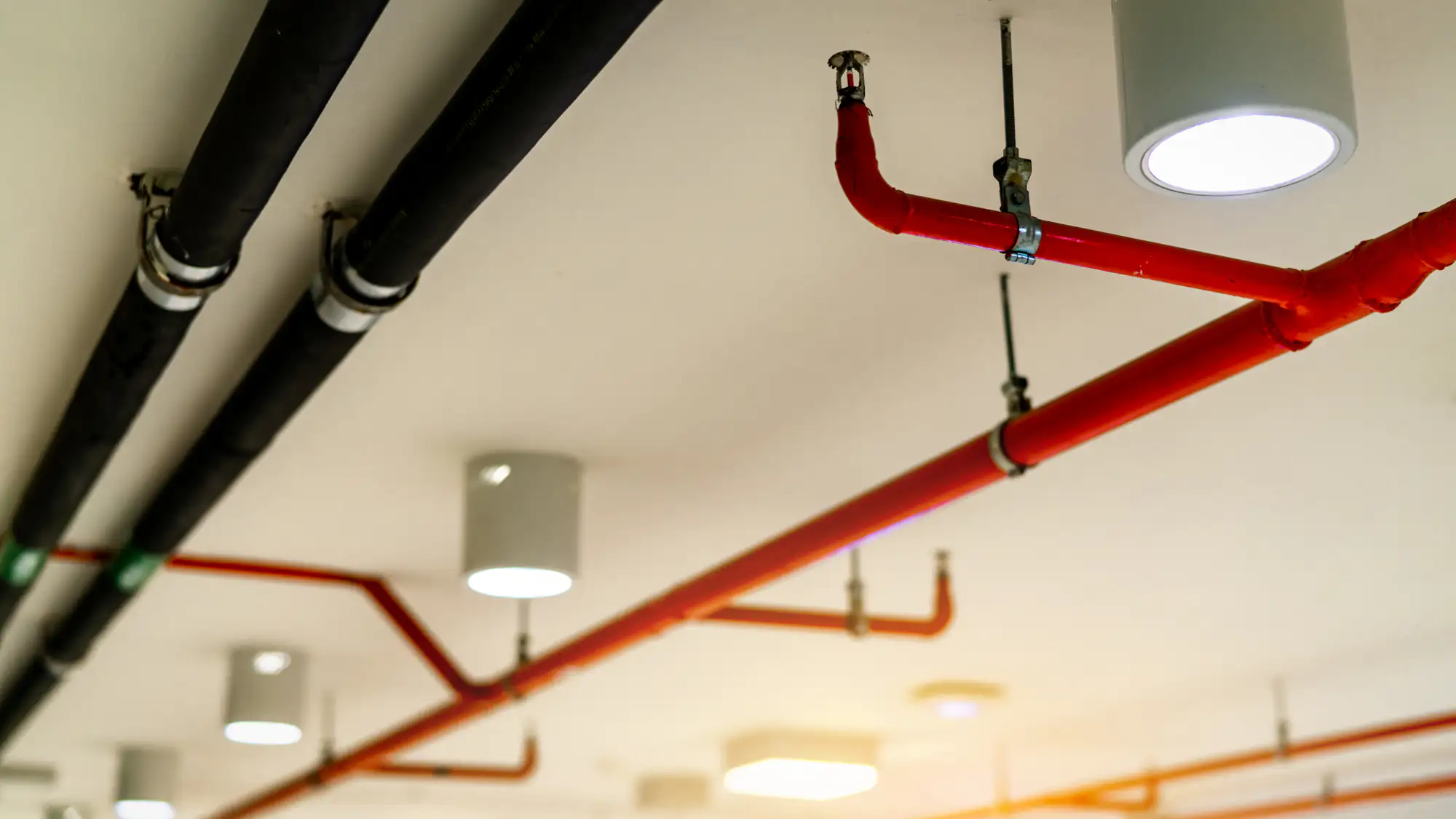
When your fire sprinkler system is properly maintained and your inspections are handled on schedule, you’re not scrambling when the fire marshal shows up. You’re not dealing with surprise violations that cost thousands in fines or force you to shut down operations while you fix what should’ve been caught months ago.
NFPA 25 requires weekly, monthly, quarterly, and annual inspections depending on your system components. Miss one, and you’re out of compliance. Miss several, and you’re looking at serious liability if something goes wrong. That’s not a risk you want hanging over your property.
We manage your entire fire protection schedule so nothing slips through. Fire sprinkler system testing, fire pump inspections, backflow prevention checks, alarm monitoring—all documented, all compliant, all handled without you having to track due dates or coordinate multiple vendors. You get one point of contact and a system that actually works when it needs to.
We hold NYS License #12000325006, Suffolk County license 180, and Nassau County licenses for fire alarm and sprinkler work. We’re NICET certified, MBE certified, and a Notifier by Honeywell authorized dealer. Those aren’t just credentials to put on a website—they mean we can legally install, inspect, and certify your systems across East Setauket, Stony Brook, Smithtown, Hauppauge, and everywhere else on Long Island.
We’ve been handling fire protection services for commercial properties, restaurants, warehouses, and high-value residential buildings throughout Suffolk and Nassau counties. When you call, you’re talking to people who know the local fire codes, the inspection requirements, and what actually triggers violations in this area. We’re not a national chain with a call center—we’re here, and we show up when you need us.
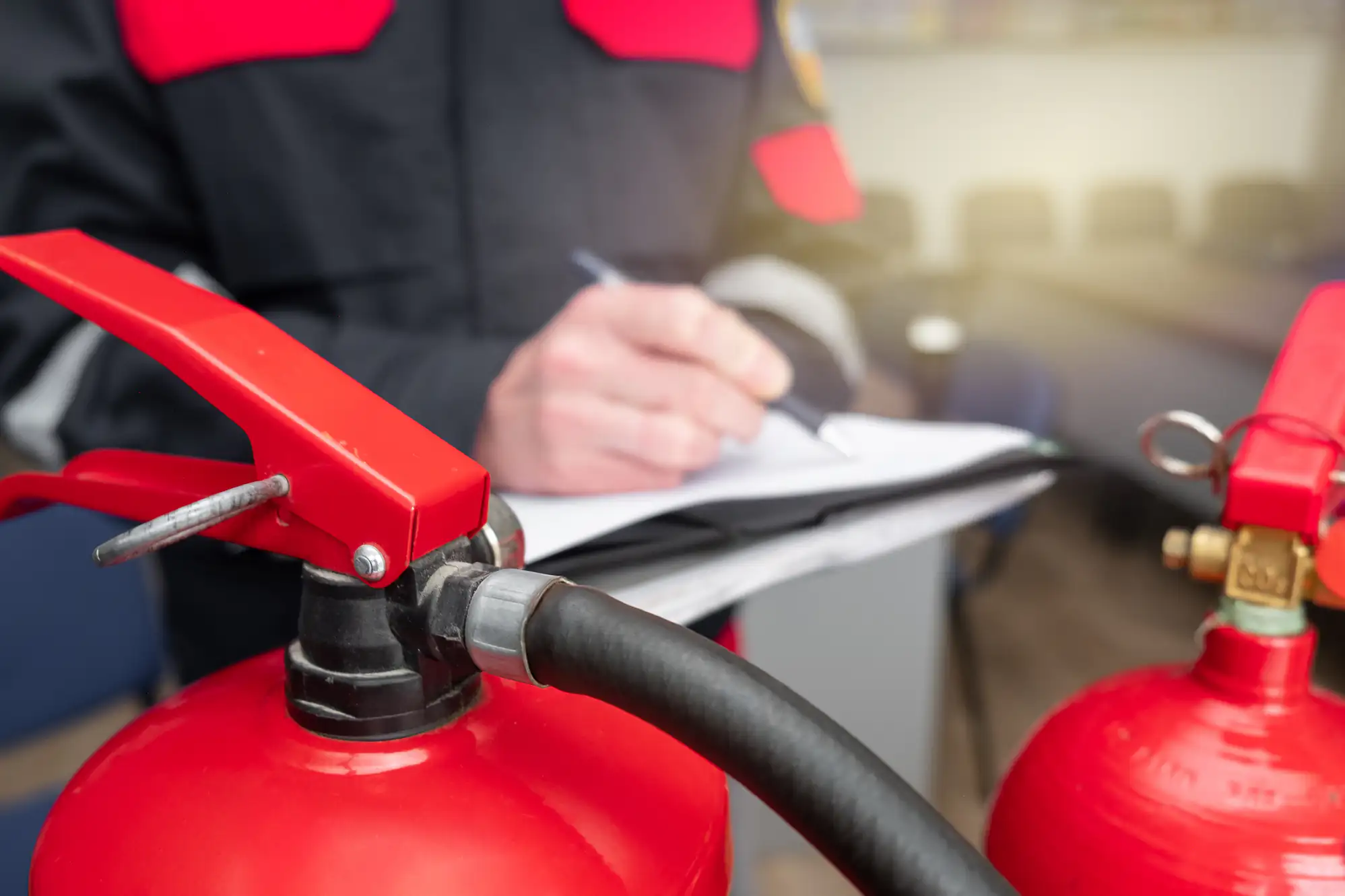
First, we assess your current fire protection system—or design a new one if you’re building or upgrading. That includes fire sprinklers, fire alarms, fire pumps, kitchen suppression systems, and emergency responder radio coverage if your building code requires a BDA system. We’re FCC certified for that work, so you’re covered on all fronts.
Once your system is installed or brought up to code, we set you up on a maintenance schedule that matches NFPA 25 requirements and your building’s specific needs. You’ll get reminders before inspections are due, and our techs handle the testing, documentation, and reporting. If something fails during an inspection, we fix it right then—no waiting for another vendor or playing phone tag to get it resolved.
If you’ve already got violations from the FDNY or local fire marshal, we correct them fast. We know what inspectors are looking for, and we know how to document the fixes so you can close out the violation without dragging it through multiple reinspections. You’re back in compliance, and your building stays operational.
Ready to get started?
You get a fire sprinkler system that’s tested and maintained according to NFPA 25 standards. That means your sprinklers, standpipes, fire pumps, and backflow preventers are inspected on the right schedule—not when someone remembers to call a contractor.
You get fire alarm systems installed and monitored by NICET certified professionals who understand Title 24 requirements and the International Building Code. If your building needs emergency responder radio coverage to meet code, we install and certify BDA systems so first responders can communicate inside your property during an emergency.
In East Setauket and across Long Island, commercial buildings face strict fire safety regulations. Restaurants need kitchen fire suppression systems that meet local health and safety codes. Warehouses and industrial facilities need reliable sprinkler coverage and fire pump testing. High-rise buildings and large commercial properties need functioning alarm systems and proper emergency communication infrastructure. We handle all of it, and we make sure it’s documented correctly so you’re ready for inspections, insurance audits, and any situation where you need to prove compliance.
If you’re dealing with an existing violation, we don’t just patch it—we fix the root cause and provide the paperwork the fire department needs to sign off. That’s the difference between closing a violation and having it come back six months later.
NFPA 25 sets different inspection frequencies depending on the component. Sprinkler system gauges and control valves need to be checked weekly or monthly. Alarm devices, water flow alarms, and fire pumps require quarterly testing. Full system inspections, including internal pipe assessments and backflow prevention testing, happen annually or every few years depending on the type of system you have.
If that sounds like a lot to track, it is. Most property owners don’t realize how many moving parts are involved until they miss an inspection and get flagged during a fire marshal walkthrough. The standard doesn’t grandfather older systems either—if your building was built in 1985, your sprinkler system still has to meet current NFPA 25 requirements today.
We manage the entire schedule for you. You’re not tracking due dates or wondering if something got missed. Our techs show up on time, handle the inspections, document everything, and let you know if anything needs attention before it becomes a violation.
FDNY violations come with fines that start around $800 and can climb past $5,000 depending on the severity and how long the issue goes unresolved. In some cases, they’ll issue a stop-work order or restrict building occupancy until the violation is corrected. That’s not just a fine—that’s lost revenue, delayed projects, and a serious liability issue if something happens while you’re out of compliance.
The city issued over 22,000 fire safety violations in 2024 alone. Most of them were avoidable—missed inspections, broken alarm components, sprinkler valves that were shut off and never turned back on. Once you have a violation, you need to fix the problem, get it reinspected, and provide documentation that proves the issue is resolved.
We handle violation corrections across East Setauket, Nassau County, Suffolk County, and NYC. We know what the inspectors are looking for, and we know how to document repairs so the violation gets closed without multiple follow-up visits. The faster you address it, the less it costs and the sooner you’re back to normal operations.
If your building is new construction, a high-rise, or has areas where emergency responder radios don’t get reliable signal coverage, the International Building Code and local fire codes likely require a BDA system. BDA stands for Bi-Directional Amplifier, and it boosts radio signals so firefighters and EMS can communicate inside your building during an emergency.
Without it, first responders might not be able to coordinate effectively if they’re operating on different floors or in areas with heavy concrete and steel that block radio signals. That’s a life safety issue, and it’s why building codes now mandate these systems in many commercial and residential properties.
We’re FCC certified to install and test BDA systems. That means we handle the design, installation, and annual testing required to keep your system compliant. If you’re not sure whether your building needs one, we can assess your property and let you know what’s required based on current code and your local fire marshal’s expectations.
Yes. Insurance companies assess fire risk when they set your premiums, and a well-maintained fire sprinkler system, working fire alarms, and documented compliance with NFPA 25 can all reduce your rates. Some insurers offer direct discounts for buildings with automatic sprinkler systems and central station monitoring. Others adjust your risk classification, which indirectly lowers what you pay.
The bigger benefit is avoiding the claim in the first place. Sprinkler systems that are properly maintained have a 96% success rate when they activate. That means less damage, lower claim costs, and no rate hikes after a fire. Buildings without sprinklers or with systems that fail due to poor maintenance face much higher losses—and much higher insurance costs going forward.
If you’re trying to reduce your premiums, start by making sure your fire protection system is up to code and fully documented. Insurers want to see regular inspections, maintenance records, and proof that your systems are monitored 24/7. We provide all of that, and we can work with your insurance provider to make sure they have what they need to adjust your coverage.
A fire pump test measures whether your pump can deliver the water pressure and flow rate your sprinkler system needs to operate during a fire. NFPA 25 requires annual testing, and the test includes running the pump at different speeds, checking pressure levels, verifying that alarms and controllers work correctly, and inspecting the pump for leaks, vibration, or other signs of wear.
If your fire pump fails during a test, your sprinkler system might not have enough water pressure to suppress a fire. That’s a critical failure, and it’s one of the most common violations we see in older commercial buildings. Pumps wear out, controllers malfunction, and if no one’s testing them regularly, you won’t know there’s a problem until it’s too late.
We handle fire pump testing for properties across Long Island. Our techs run the full test, document the results, and provide you with a report that satisfies NFPA 25 and your insurance requirements. If the pump fails, we diagnose the issue and get it repaired so you’re not sitting on a broken system waiting for someone else to schedule a follow-up.
Title 24 is California’s energy and building standards code, but if you’re asking about fire alarm compliance in New York, you’re looking at the International Building Code, NFPA 72 for fire alarm installation, and local amendments specific to Suffolk and Nassau counties. Your fire alarm system needs to be installed by a licensed contractor, inspected regularly, and connected to a central monitoring station if your building type requires it.
In East Setauket and surrounding areas, commercial buildings, multi-family residential properties, and certain high-occupancy spaces must have fire alarm systems that meet current code. That includes smoke detectors, heat detectors, pull stations, notification devices, and in some cases, carbon monoxide detectors integrated into the system.
We install and service fire alarm systems that meet all applicable codes. We’re a Notifier by Honeywell authorized dealer, which means you’re getting commercial-grade equipment backed by a manufacturer with a solid reputation. If your current system is outdated or you’ve failed an inspection, we’ll assess what needs to be upgraded and handle the work so you’re compliant and covered.
Other Services we provide in East Setauket