Explore firsthand accounts of our exceptional service and dedication to safety through the glowing testimonials from our satisfied clients.
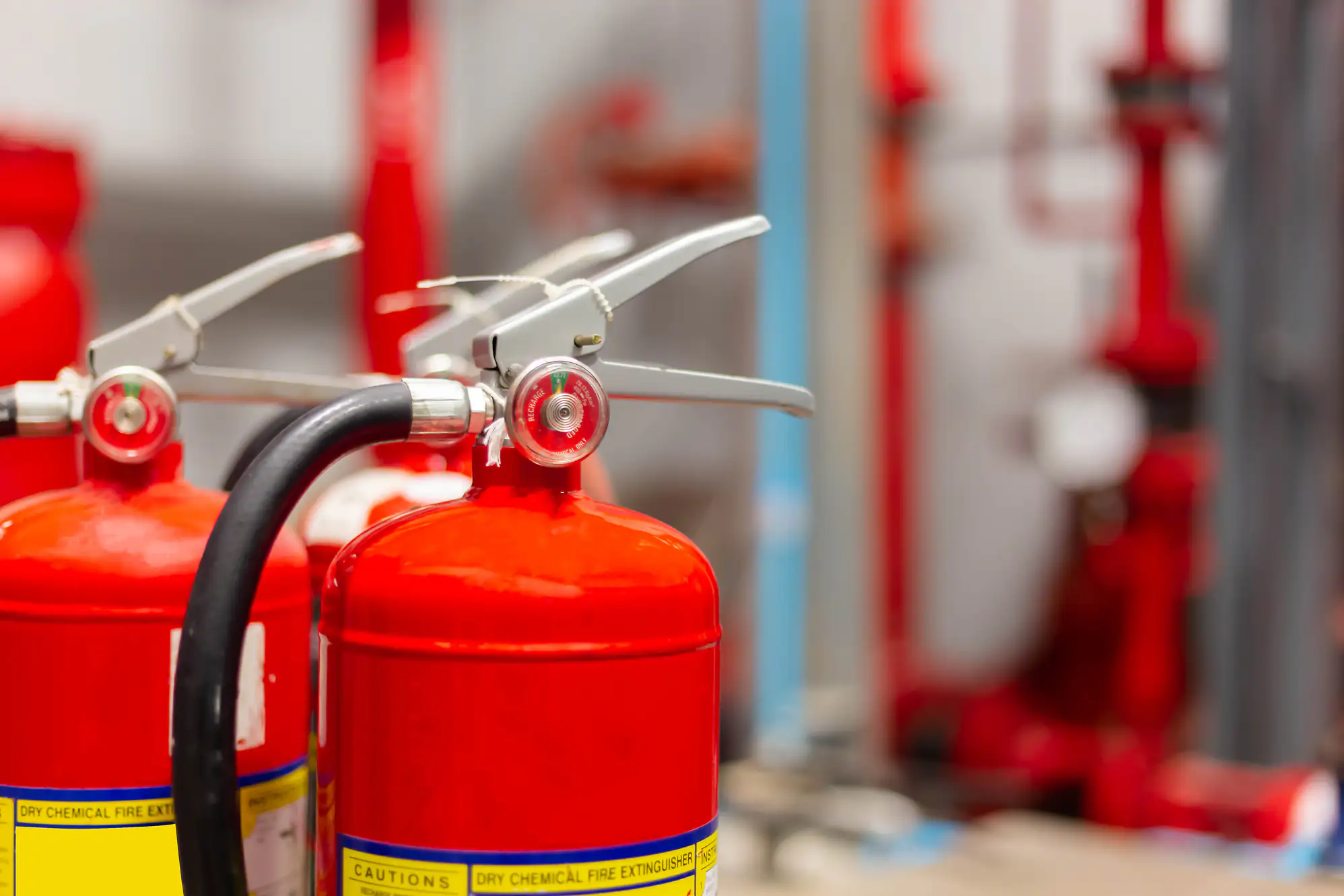
You’re not just buying a fire alarm system. You’re eliminating the risk of FDNY violation code VC3, which can cost thousands in fines and bring your operations to a halt while inspectors scrutinize every corner of your building.
A properly installed fire detection system means your insurance company stops asking questions and starts lowering premiums. It means emergency responders can communicate clearly throughout your building when seconds matter. It means you’re not scrambling to fix outdated equipment that doesn’t meet current NFPA 72 standards.
Most importantly, it means the system actually detects smoke and fire when it needs to. Not just during inspections, but at 2 AM on a Tuesday when no one’s watching. That’s the difference between a close call and a catastrophe.
We hold NYS License #12000325006, Nassau County licenses, and Suffolk County license 180. We’re NICET certified professionals and a Notifier by Honeywell authorized dealer, which means you’re getting equipment that meets the highest industry standards.
We’re also MBE certified and members of the New York Fire Alarm Association. But what matters more than the credentials is this: we’ve been handling fire alarm installations and violation corrections across Kings Park, Smithtown, Commack, and the surrounding Long Island communities long enough to know exactly what local inspectors look for and what building owners actually need.
When you call, you’re talking to people who understand Long Island fire codes, not a call center three states away reading from a script.
First, we assess your building and review any existing violations or outdated equipment. If you’ve received a notice from FDNY or your insurance company is asking questions, we know exactly what needs to happen next.
Then we design a system that fits your specific layout and use case. A high-rise office building in Hauppauge needs different coverage than a warehouse in Central Islip or a restaurant in Port Jefferson. We’re not selling you a one-size-fits-all package.
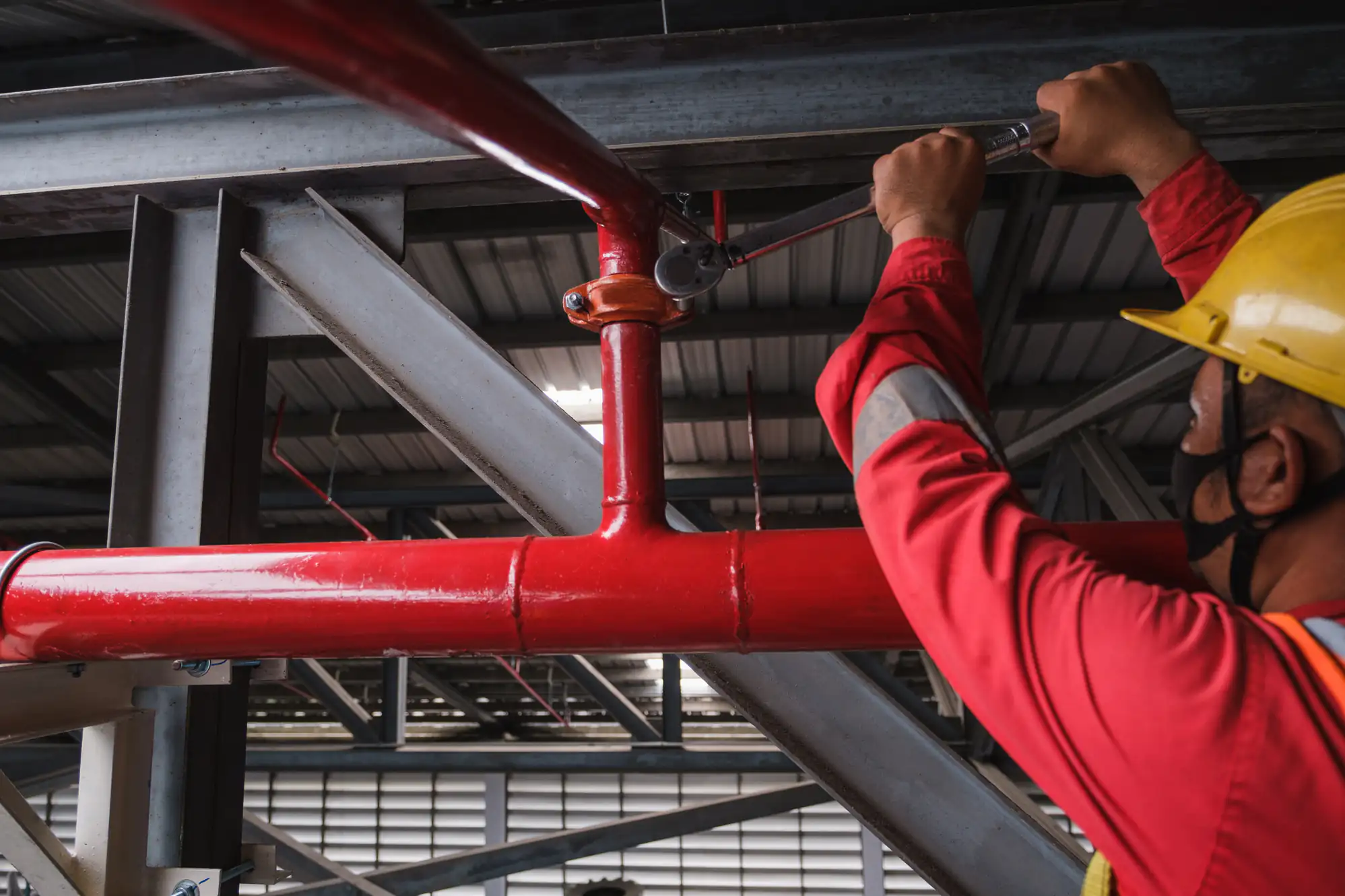
Installation happens on your timeline with minimal disruption. Our team handles everything from smoke detector replacement to full fire alarm system integration, including BDA systems for emergency responder communication. Every component gets tested and documented for FDNY approval.
After installation, you get the certifications and paperwork you need for inspections. We also provide 24/7 monitoring and emergency support, because fire doesn’t wait for business hours. If something goes wrong, you have a direct line to trained operators who know your system.
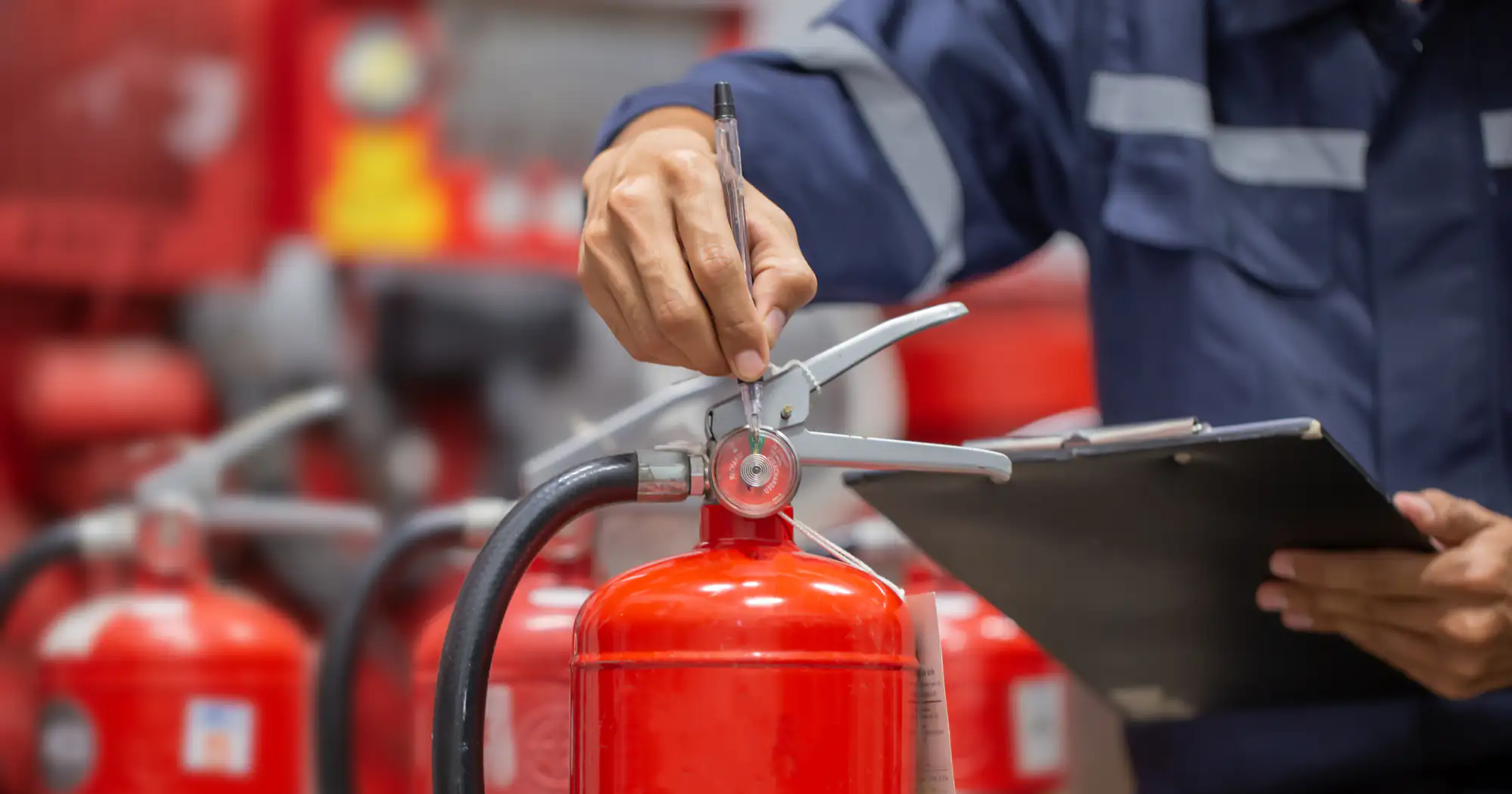
Ready to get started?
Every fire alarm installation includes smoke alarm installation, combo smoke and co alarm options, and integration with your existing building systems. If you need a Kidde carbon monoxide alarm, Nest fire alarm, or specific Kidde co alarm models, we handle that too.
For commercial properties across Kings Park, Ronkonkoma, Bay Shore, and the rest of Suffolk and Nassau Counties, we install BDA systems that solve the dead spot problem 98.5% of first responders report in buildings. When firefighters can’t communicate inside your building during an emergency, response times suffer. A properly installed bi-directional amplifier system fixes that.
We also specialize in violation correction services. If you’ve been cited for failure to maintain your fire alarm system or outdated central-station monitoring, we know how to bring everything up to code quickly. That includes updating transmission methods that no longer meet FDNY standards and ensuring your documentation is ready for the next inspection.
Long Island’s aging infrastructure means many buildings are operating with systems installed decades ago. Smoke detector replacement and full system upgrades aren’t just about compliance—they’re about making sure the equipment actually works when you need it.
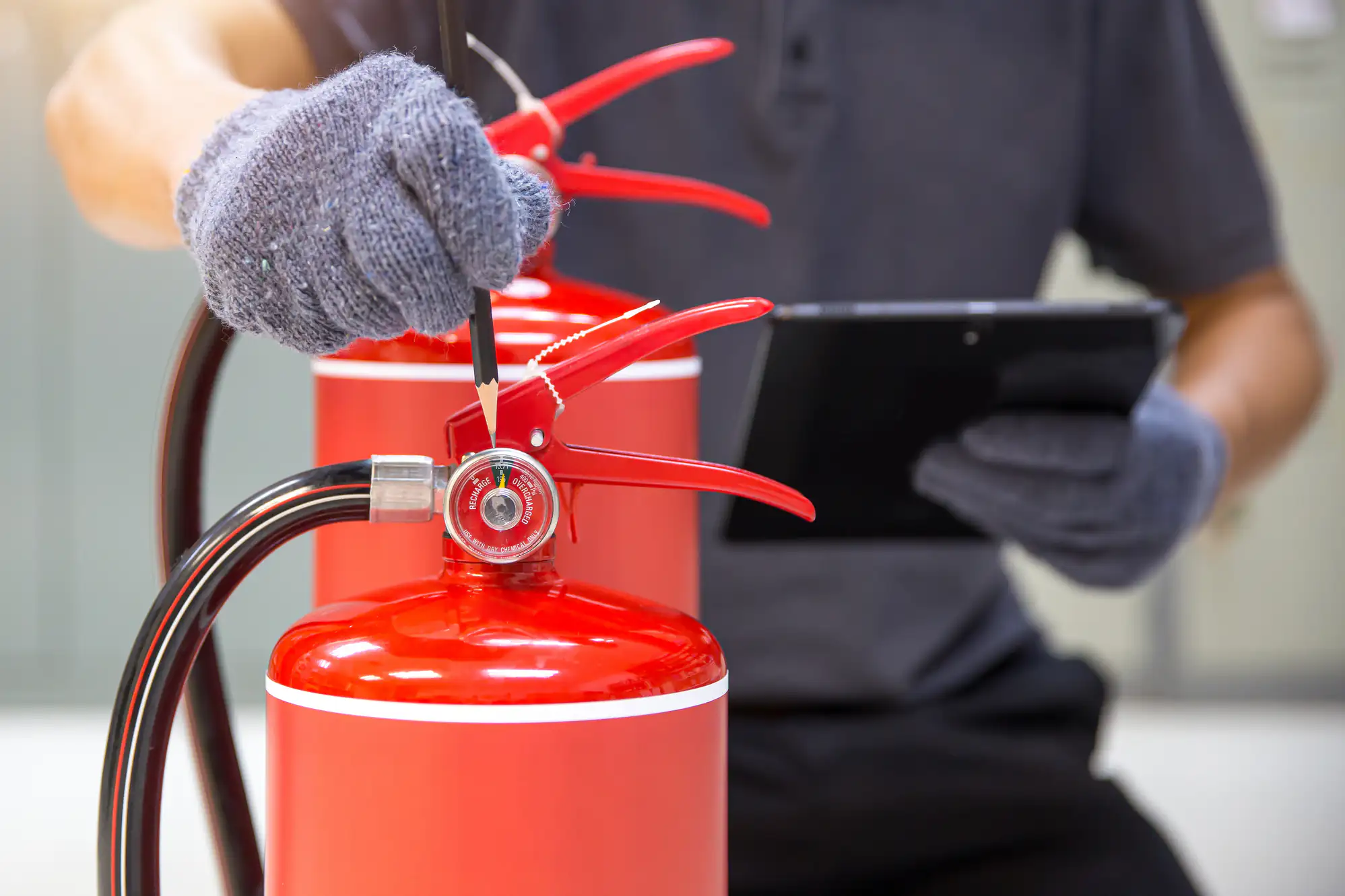
The honest answer is it depends on your building size, layout, and current code compliance status. A small retail space might need a basic smoke alarm installation with a few detectors and a control panel. A multi-story office building needs a more complex fire detection system with BDA components for emergency responder communication.
If you’re dealing with violations, that changes the scope too. Correcting FDNY violation code VC3 often means upgrading outdated transmission methods and replacing equipment that’s no longer compliant with NFPA 72 standards. That adds to the upfront cost but eliminates ongoing fines and insurance headaches.
What you should know is that a properly installed system often pays for itself through lower insurance premiums. Many commercial policies offer 5% to 20% reductions when you have a monitored fire alarm system that meets current standards. Over time, that’s real money back in your pocket, not just a compliance checkbox.
Standalone smoke detectors alert people in the immediate area when they detect smoke. A fire alarm system does that and also notifies a central monitoring station, which contacts emergency responders automatically. That’s the difference between hoping someone hears the alarm and knowing help is already on the way.
For commercial buildings in Kings Park and across Long Island, fire codes often require central-station monitoring. It’s not optional. FDNY standards mandate that fire alarm systems transmit signals to a monitoring center that’s staffed 24/7. If your building still relies on outdated transmission methods or doesn’t have monitoring at all, you’re out of compliance.
A full fire detection system also includes components like pull stations, notification appliances, and control panels that manage the entire network. When one smoke detector goes off, the whole building gets alerted. That’s critical in larger spaces where people might not hear a single alarm in a distant hallway or storage area.
NFPA 72 and FDNY require regular testing and inspection of fire alarm systems. The exact frequency depends on your system type and building use, but most commercial properties need annual inspections at minimum. Some components require more frequent testing—like monthly checks on certain notification devices.
The problem is that many building owners don’t realize fire alarm testing is often handled separately from installation. You might have one company that installed your system years ago and a different vendor responsible for ongoing maintenance. That creates gaps where testing gets missed or documentation isn’t filed correctly.
When we install a fire detection system, we also provide ongoing maintenance and testing services. You’re not juggling multiple vendors or trying to remember when the last inspection happened. We handle the testing, keep your documentation current, and make sure you’re ready when inspectors show up. That’s especially important in Kings Park and surrounding areas where local fire marshals are cracking down on outdated systems.
Sometimes, yes. If the violation is related to outdated monitoring methods or a few failed components, we can often upgrade specific parts of your system without tearing everything out. That might mean adding central-station monitoring, replacing smoke detectors that are past their useful life, or updating your control panel firmware.
Other times, the system is so old that patching it together creates more problems than it solves. If your building is still using technology from 20 or 30 years ago, parts might not be available anymore. Even if we can find them, you’re pouring money into equipment that’s going to fail again soon.
Our violation correction process starts with a full assessment. We review the citation, inspect your current system, and give you a clear picture of what needs to happen. If we can save you money by upgrading instead of replacing, we’ll tell you. If the system needs to be replaced to meet current FDNY and NFPA 72 standards, we’ll explain why. Either way, you’re making an informed decision based on what your building actually needs, not what’s easiest for us to sell.
A BDA system—bi-directional amplifier—boosts radio signals inside your building so emergency responders can communicate clearly during a fire or other emergency. Without one, firefighters and EMS personnel often hit dead spots where their radios don’t work. That’s a serious problem when they’re trying to coordinate a rescue or evacuation.
In New York, many jurisdictions now require BDA systems in new construction and major renovations, especially for larger buildings or structures with basements and interior spaces that block radio signals. Even if your building isn’t legally required to have one yet, it’s worth considering if you have areas where cell phone signals drop or thick concrete construction that interferes with wireless communication.
We install BDA systems across Long Island, from high-rise offices in Hauppauge to industrial facilities in Central Islip. The installation process involves testing signal strength throughout your building, placing amplifiers and antennas strategically, and ensuring the system meets UL2524 standards. Once it’s in place, first responders can communicate anywhere in your building—which could make the difference in a life-threatening situation.
For a straightforward smoke alarm installation in a small commercial space, we’re usually talking about one to two days. That includes mounting detectors, running wiring, installing the control panel, and testing everything to make sure it works correctly.
Larger buildings with complex fire detection systems take longer. A multi-story office building or warehouse might need a week or more, especially if we’re integrating BDA systems, upgrading outdated infrastructure, or working around your business operations. We don’t shut down your entire building to install fire alarms—we coordinate the work to minimize disruption.
The timeline also depends on whether we’re dealing with violation corrections. If FDNY has cited your building and you’re under a deadline to fix the issues, we prioritize getting you compliant as quickly as possible. That might mean working evenings or weekends to meet inspection dates. The goal is always to get your system installed, tested, and approved without dragging the process out longer than necessary.
Other Services we provide in Kings Park