
Explore firsthand accounts of our exceptional service and dedication to safety through the glowing testimonials from our satisfied clients.
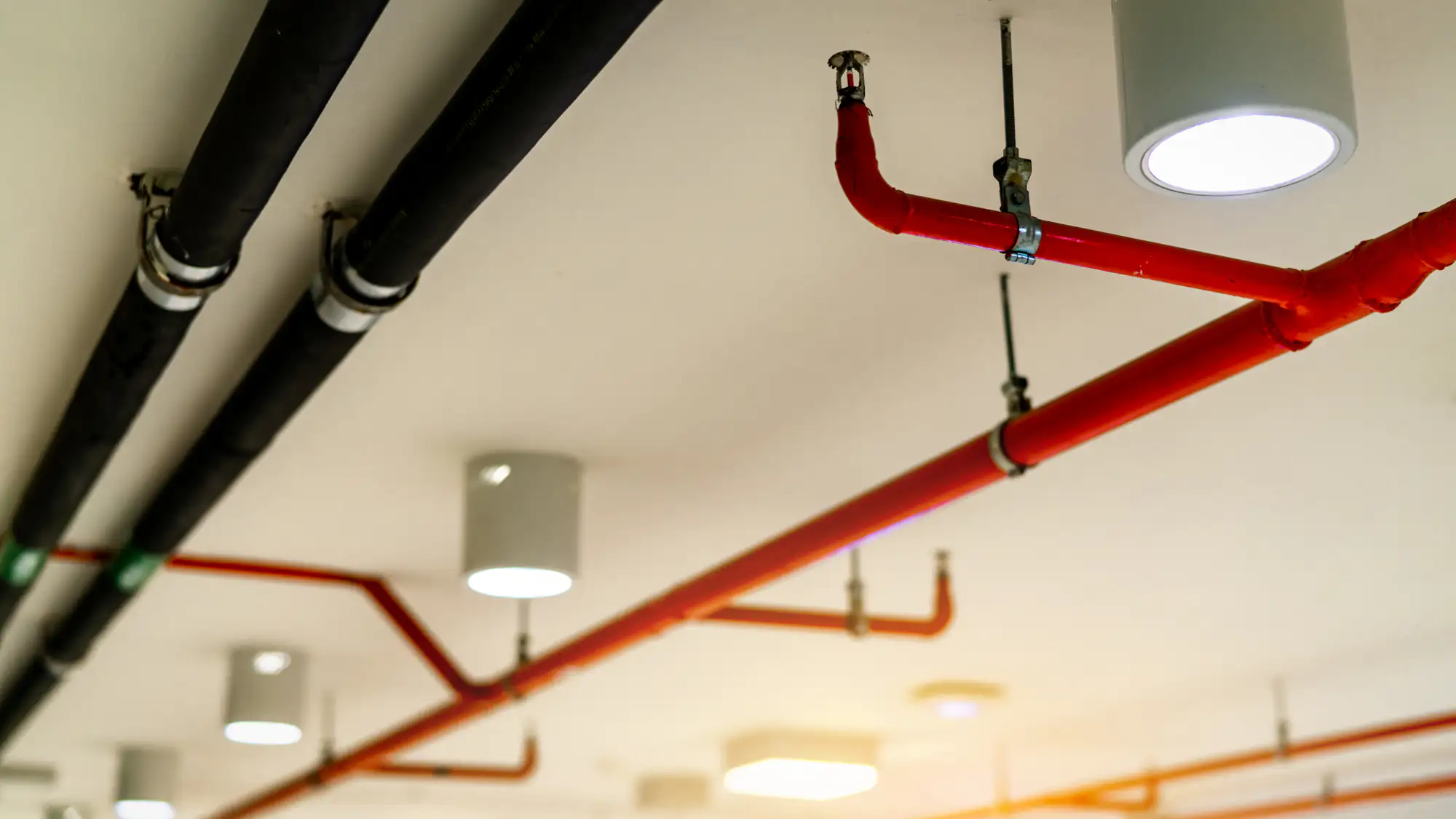
You’re not wondering if your fire alarm system will trigger when it needs to. You’re not scrambling to fix violations before FDNY shuts you down. You’re not paying inflated insurance premiums because your building lacks proper fire sprinkler coverage.
Your property stays compliant with NFPA 25 standards and international building code requirements. Your insurance company sees a protected building and adjusts your rates accordingly—because data shows sprinklers and alarms cut fire losses by up to 85%. Your tenants, employees, and customers move through your space without you losing sleep over whether the fire pump will fail during an inspection.
When Suffolk County fire marshals show up, your documentation is ready. When an emergency happens, your system responds immediately. That’s what working fire protection looks like—and it’s what keeps your doors open and your liability down.
We hold NYS License #12000325006, Suffolk County License 180, and Nassau County licenses to back up every installation and inspection we complete. We’re NICET certified, MBE certified, and authorized Notifier by Honeywell dealers—which means you’re working with professionals who actually know the building code inside and out.
Kings Park sits in Suffolk County, where fire safety compliance works differently than Nassau’s centralized system. You’re dealing with local fire districts that each have their own expectations, and we’ve navigated those nuances across Smithtown, Commack, Nesconset, and the surrounding communities for years. We know what inspectors look for, what violations cost you, and how to get systems up to code without the runaround.
We’re members of the New York Fire Alarm Association because we take this work seriously. You need someone local who answers the phone and shows up when there’s a problem—not a national chain that routes you through three departments before someone maybe calls back.
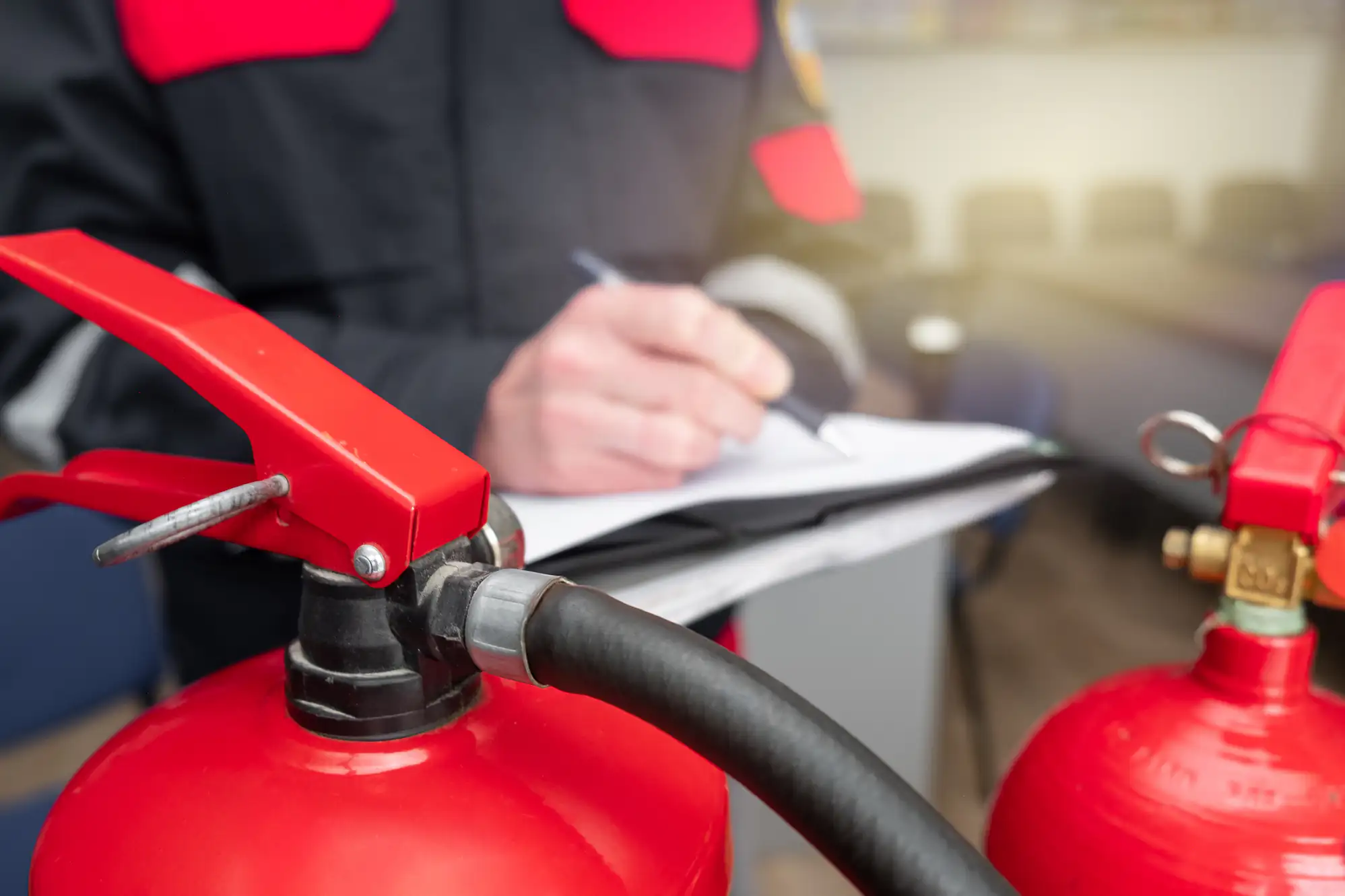
First, we assess your property and current fire protection setup. If you’ve got violations, outdated equipment, or gaps in coverage, we identify exactly what needs fixing and what meets code. No upselling, no scare tactics—just a clear breakdown of where you stand with NFPA 25 compliance and local building code requirements.
Next, we design a system that fits your building. That might mean installing a new fire sprinkler system, upgrading your fire alarm panel, adding a BDA system for emergency responder communication, or servicing your existing fire pump. If you’re dealing with a commercial kitchen, we handle Ansul and kitchen suppression systems. If you need Title 24 compliance or specific detector coverage, we map that out in the plan.
Then we install, test, and document everything. You get the paperwork you need for inspections, insurance, and Suffolk County fire marshal visits. We don’t disappear after installation—our 24/7 emergency response means if something fails or you get hit with a violation notice, we’re available to correct it fast. You stay compliant, your building stays protected, and your business keeps running.
Ready to get started?
You’re getting fire alarm system installation and monitoring that meets international building code standards. You’re getting fire sprinkler system design, installation, and quarterly inspections per NFPA 25 requirements. You’re getting fire extinguisher service, hydrostatic testing, and proper placement based on your building’s layout and occupancy type.
If your building struggles with radio communication for first responders, we install BDA systems that boost connectivity for EMTs, police, and firefighters—a requirement in many newer commercial buildings and retrofits. If you’ve received ECB summonses or FDNY violations, we provide violation correction services that include the repairs, documentation, and follow-up inspections to get those cleared.
Kings Park properties face the same compliance pressures as the rest of Suffolk County—where fire districts operate independently and enforcement varies by location. That means your building in Kings Park might need different documentation than a facility in Hauppauge or Ronkonkoma, even though they’re miles apart. We handle those details so you don’t have to track down what each district requires. You get one team managing your fire pump testing, your alarm monitoring, your sprinkler valve inspections, and your carbon monoxide detector compliance—all under the same roof.

NFPA 25 requires quarterly inspections for fire sprinkler systems, and New York enforces that standard strictly. You’re looking at visual checks of your sprinkler valves, fire pump operation, and alarm connections every three months. Annual inspections go deeper—full system flow tests, valve functionality, and backflow prevention checks.
If you skip these inspections, you’re not just risking a violation. You’re risking system failure when you actually need it, and you’re handing your insurance company a reason to deny claims if something goes wrong. Suffolk County fire marshals can issue fines starting at $800 and escalating quickly if deficiencies stay open too long.
Most building owners don’t realize that even a closed valve left unrestored after maintenance can trigger a violation. We manage those inspection intervals, document everything, and make sure impairments get reported and resolved fast. You stay compliant without having to track due dates yourself.
You’ll receive a notice from the fire marshal outlining the specific violation and a deadline to correct it. Depending on severity, you might face fines between $800 and $5,000+, and in extreme cases, they can issue a vacate order or shut down your building until the issue is fixed.
Common violations include inoperable fire alarms, blocked exits, missing fire extinguishers, or sprinkler systems that haven’t been tested on schedule. The key is responding fast—ignoring the notice or missing the correction deadline makes everything worse and more expensive.
We handle violation correction from start to finish. We assess what’s wrong, make the repairs, pull the necessary permits if needed, and provide the documentation the fire marshal requires to close the violation. If it’s a repeat issue or something that’s been flagged before, we also identify why it keeps happening so you’re not stuck in a loop of fines and fixes. You want this handled by someone who knows Suffolk County’s process and can move quickly.
If your building is new construction or undergoing major renovations, the international building code likely requires a BDA system—also called an Emergency Responder Radio Coverage System. The goal is making sure firefighters, police, and EMTs can communicate inside your building during an emergency, especially in areas with poor cell signal or thick concrete that blocks radio transmission.
Older buildings in Kings Park might not have been required to install BDA systems originally, but if you’re doing significant upgrades or changing occupancy types, that requirement can get triggered. Even if it’s not mandated yet, it’s worth considering—first responders can’t do their job effectively if they can’t communicate, and that puts everyone at risk.
We’re FCC-certified to design and install these systems. We test signal strength throughout your building, identify dead zones, and install amplifiers and antennas that boost coverage to meet code. It’s not a simple plug-and-play setup, and it needs to be done right the first time to pass inspection. If you’re unsure whether your building needs one, we can assess that during a site visit and give you a clear answer.
It depends on your building size, layout, occupancy type, and existing infrastructure. A small office might run $2 to $4 per square foot for a basic wet pipe sprinkler system. A restaurant with a commercial kitchen, high ceilings, or special hazards could be $5 to $10+ per square foot because you need more coverage, higher-grade components, and possibly foam or chemical suppression in certain areas.
Retrofitting an older building in Kings Park costs more than new construction because we’re working around existing walls, ceilings, and utilities. If your building doesn’t have adequate water pressure, you might also need a fire pump, which adds to the upfront cost but is required to meet NFPA standards.
The real cost isn’t the installation—it’s what happens if you don’t have it. A single fire can result in $77,340 in average insurance claims, and that’s if your coverage even pays out. Buildings without sprinklers face higher premiums, more liability, and significantly higher risk of total loss. We provide upfront estimates after assessing your property so you know exactly what you’re looking at before any work starts.
An installed fire alarm can detect smoke or heat and sound a local alert, but if no one’s in the building or awake to hear it, that alarm isn’t doing much. Monitoring means your system is connected to a central station that gets notified the second your alarm triggers—and they immediately contact the fire department and your emergency contacts.
In commercial buildings, monitoring isn’t optional. New York building code requires it for most occupancy types, and your insurance company will almost certainly mandate it as a condition of coverage. Even in residential properties, monitored systems drastically reduce response time, which is the difference between a small kitchen fire and losing the whole structure.
We provide 24/7 alarm monitoring with professional operators standing by, not automated systems that route to voicemail. If your alarm goes off at 2 a.m., we’re calling the fire department and reaching out to you within seconds. You’re also getting regular system testing and maintenance to make sure the monitoring connection stays active and your detectors stay functional. It’s the difference between having equipment and having protection that actually works when it counts.
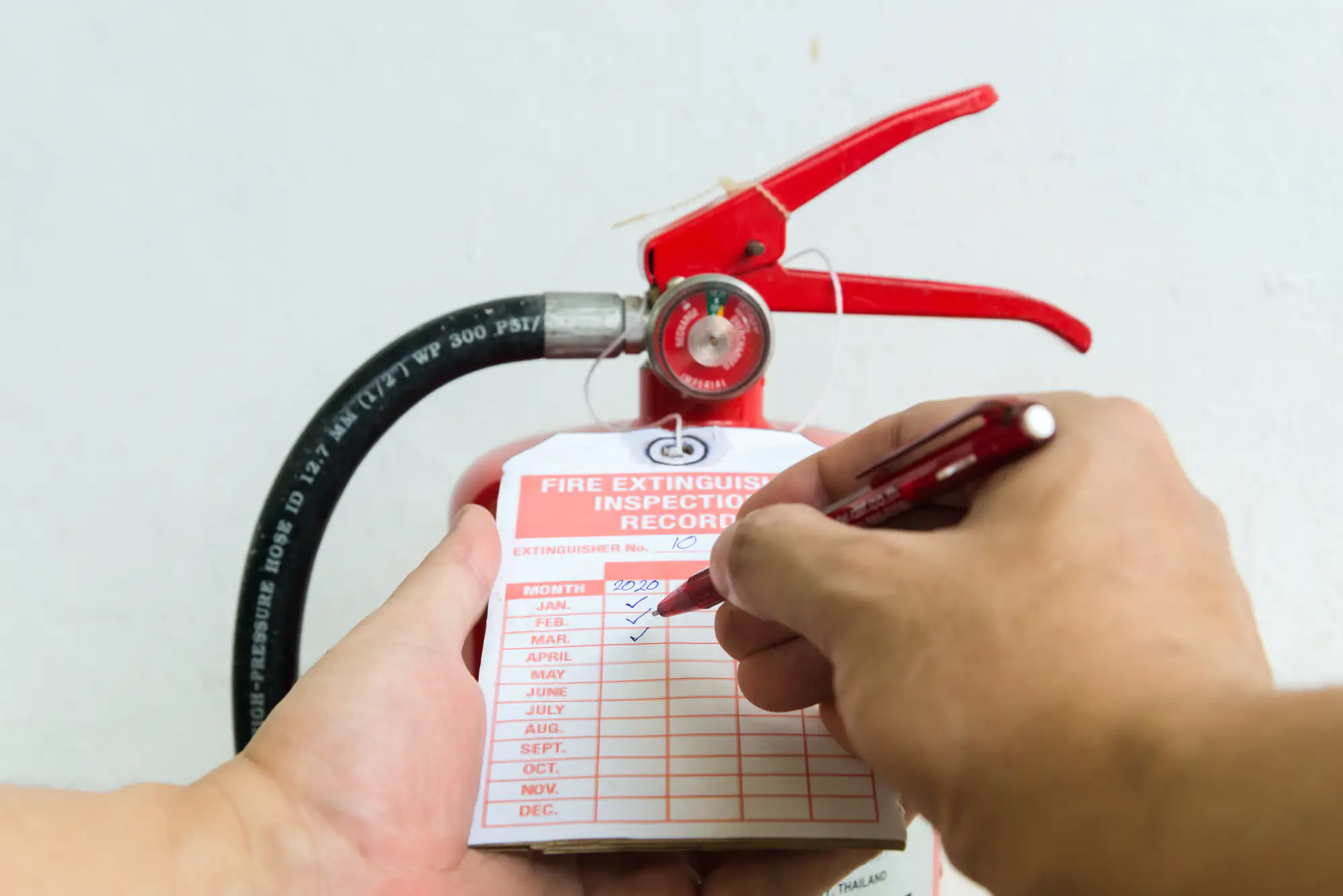
Yes. Fire extinguishers need annual inspections and servicing, plus hydrostatic testing every 5 to 12 years depending on the type. New York requires proper placement, signage, and documentation showing your extinguishers are up to code—and inspectors will check that during fire marshal visits or insurance walkthroughs.
Most building owners either forget about extinguisher service entirely or assume the ones they bought years ago are still good. Extinguishers lose pressure, seals degrade, and chemicals settle over time. If someone tries to use one during an emergency and it doesn’t work, you’re facing liability on top of fire damage.
We handle the full extinguisher lifecycle—installation, annual inspections, recharging, hydrostatic testing, and replacement when units reach end of life. We tag and document everything so you’ve got proof of compliance ready when you need it. If you’ve got a commercial kitchen, warehouse, or multi-tenant building in Kings Park, this isn’t optional. It’s a basic requirement, and we make sure it’s handled correctly without you having to track due dates or chase down service appointments.
Other Services we provide in Kings Park