Explore firsthand accounts of our exceptional service and dedication to safety through the glowing testimonials from our satisfied clients.
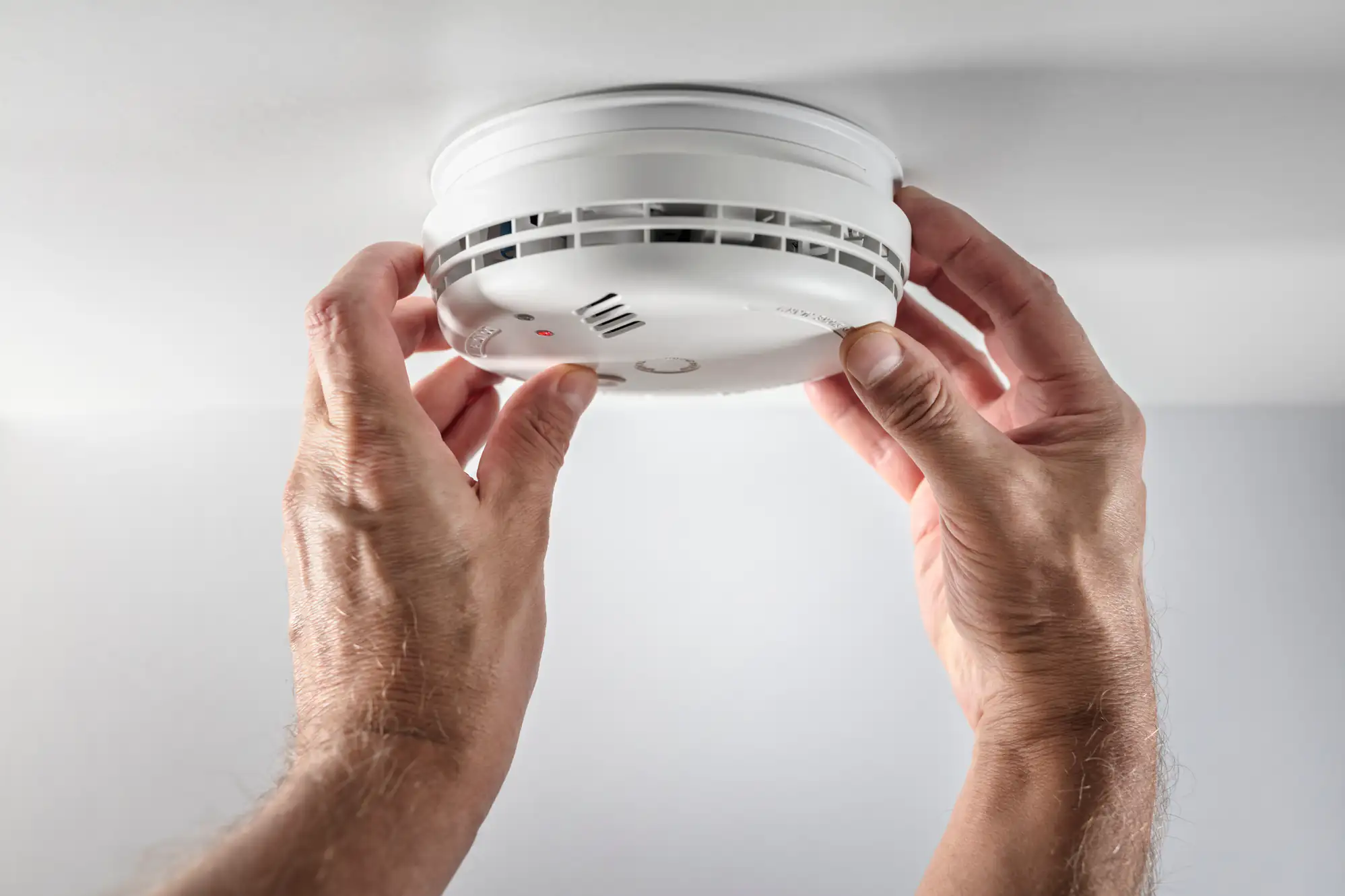
A working fire alarm system does more than check a box. It cuts your insurance premiums—most carriers drop rates 5-20% when you’ve got professionally installed and monitored detection in place. That’s real money back every year.
It keeps you compliant with Suffolk County fire codes, which means no violations, no fines, and no scrambling when an inspector shows up. In Kings Park and across Long Island, the regulatory environment isn’t simple—109 volunteer fire departments operate under a decentralized model, and each district has its own expectations.
The right system also protects what you’ve built. Warehouse fires cause $155 million in damage annually. Restaurant fires add another $172 million. A smoke detector or combo smoke and CO alarm that actually works gives you the time to respond before a small problem becomes a total loss.
We hold NYS License #12000325006, Nassau County licenses, and Suffolk County License 180. We’re NICET certified, MBE certified, and we’re an authorized Notifier by Honeywell dealer. That’s not marketing—it’s what keeps your system legal and functional.
We serve Kings Park, Smithtown, Commack, and the surrounding Suffolk County area with fire detection systems built for commercial properties, high-rises, warehouses, restaurants, and residential buildings that need more than a basic smoke alarm replacement.
We’re also members of the New York Fire Alarm Association and one of the few companies in the region that meet UL certification requirements. When your building needs a fire alarm installation that passes FDNY approval the first time, you’re not experimenting with someone new to the process.
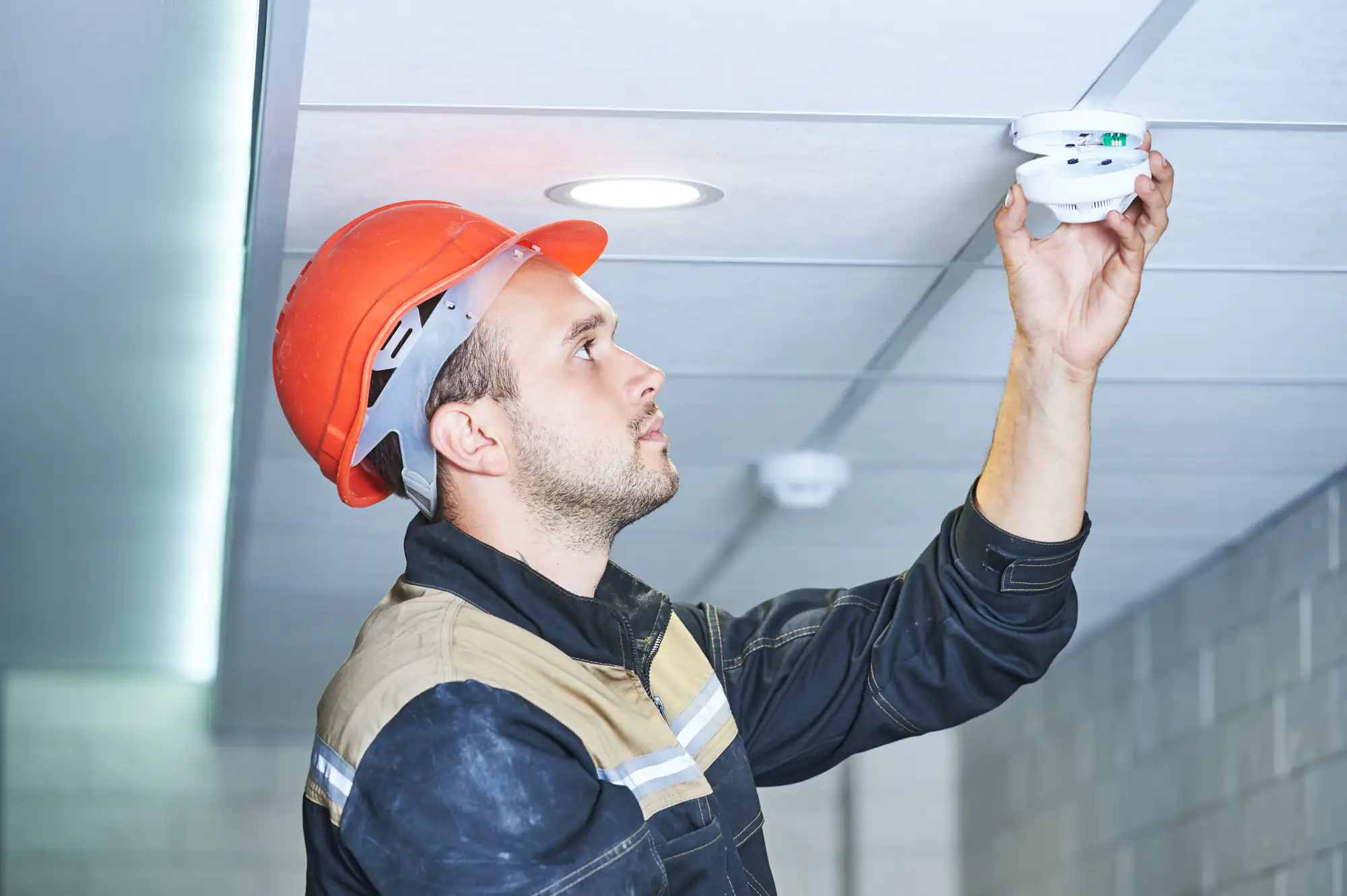
First, we assess your building—size, occupancy type, use classification, and any existing violations or compliance gaps. That tells us what kind of fire detection system you actually need, not what’s easiest to sell.
Next, we design the system and file the required documents with FDNY if your property falls under NYC building code, or coordinate with your local Suffolk County fire district. This step takes a few weeks, but it’s not optional. Skipping it means your system won’t pass inspection.
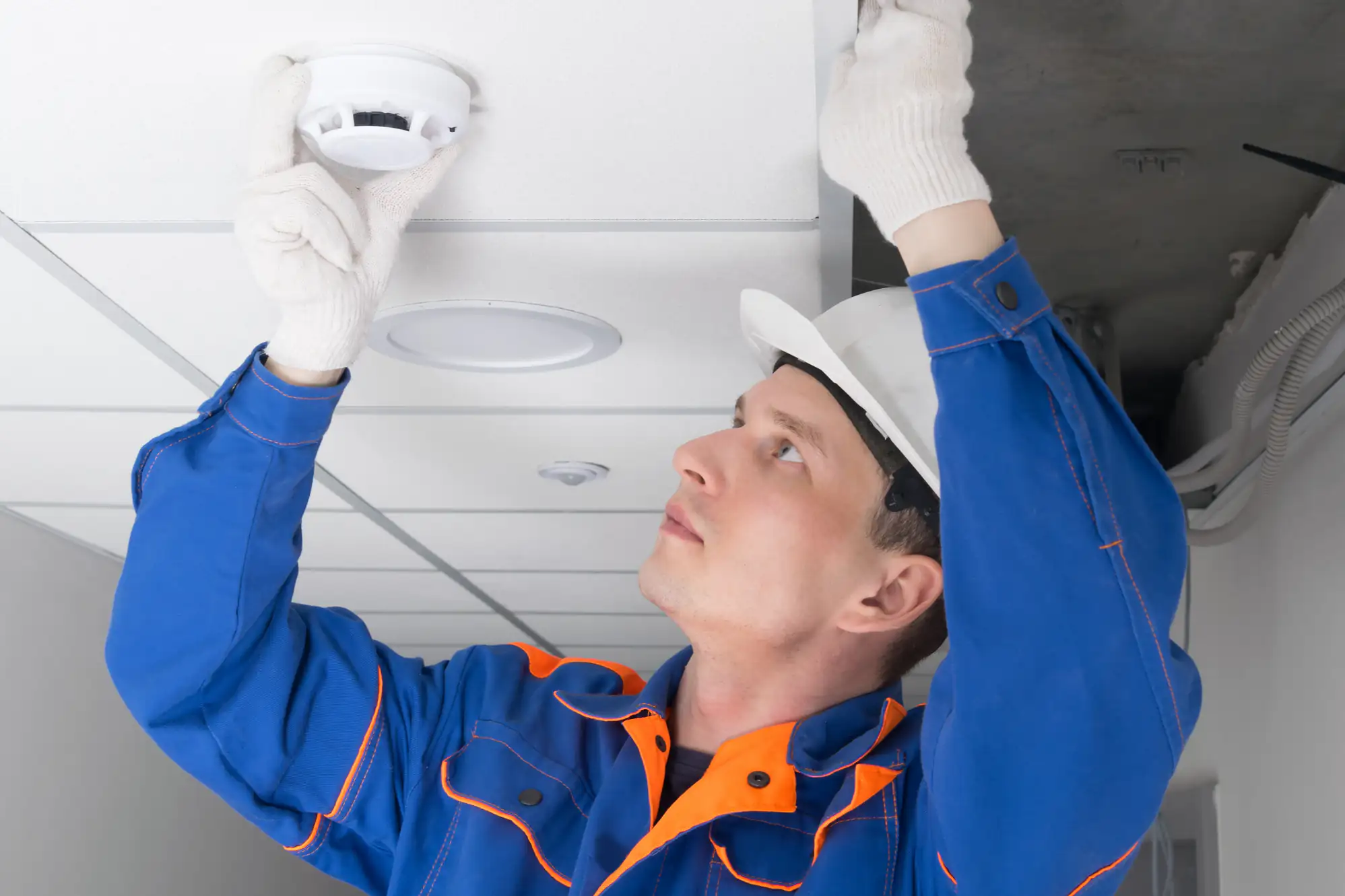
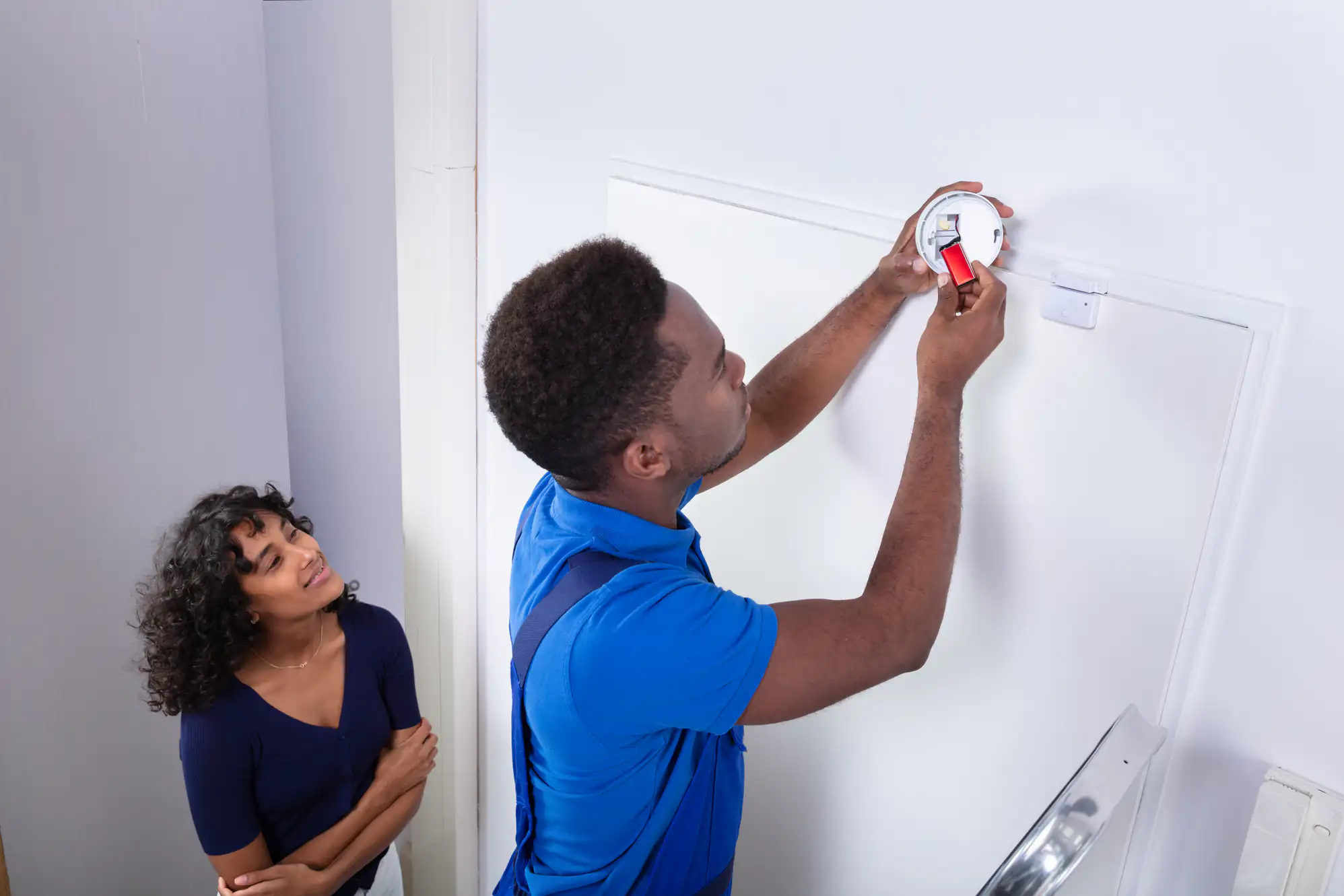
Once approved, we install the system using Notifier by Honeywell equipment. That includes smoke detectors, heat sensors, pull stations, and notification devices—whatever your code requires. If you need a combo smoke and CO alarm for residential areas or a full networked fire alarm for a commercial building, we spec it correctly.
After installation, we test everything, walk you through the system, and connect it to 24/7 central station monitoring. You get immediate alerts if anything triggers, and emergency services get notified without delay. We also handle ongoing maintenance and any future violation correction services if codes change or equipment ages out.
Ready to get started?
Every fire detector installation includes a full code compliance review based on your building’s location and use. In Kings Park and across Suffolk County, that means understanding which of the 109 fire districts you fall under and what their specific requirements are. It’s not the same as Nassau County, and it’s definitely not the same as NYC.
You get NICET certified technicians handling the install—not subcontractors, not generalists. These are people trained specifically in fire protection systems who know the difference between a smoke alarm replacement in a single-family home and a networked fire detection system in a 10,000 square foot warehouse.
We also include system design, FDNY or local fire marshal plan filing, installation of all devices (smoke detectors, Kidde CO alarms, Nest fire alarms if that’s what your system calls for, pull stations, control panels), testing, and connection to our 24/7 monitoring service. If your building needs a BDA system for auxiliary radio communication, we handle that too.
And if you’ve got an existing violation on file, we’ll correct it as part of the process. That’s common in older buildings where previous systems weren’t maintained or didn’t meet updated codes. We don’t just install new equipment—we make sure the whole setup is defensible when the next inspection happens.
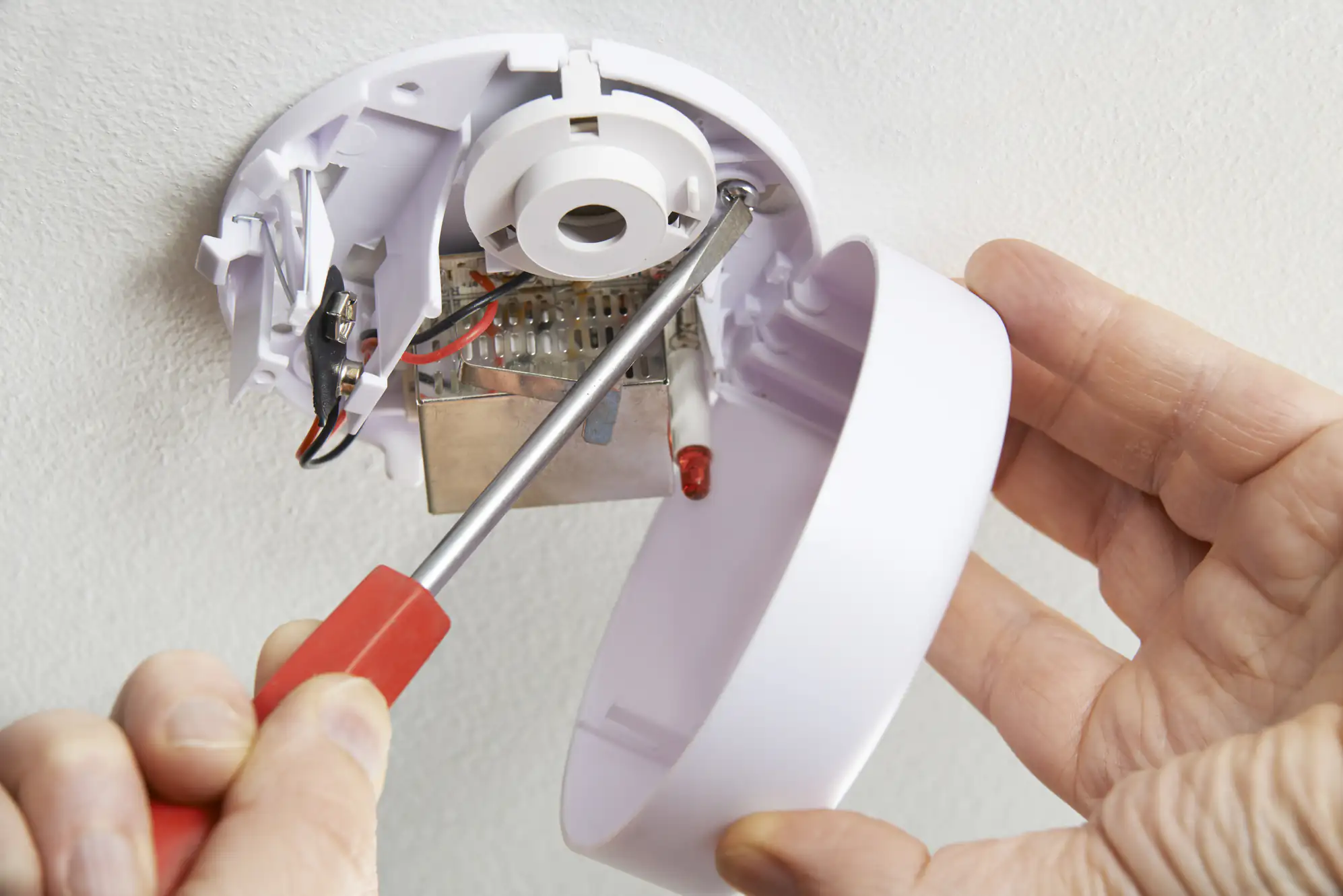
Cost depends on building size, occupancy type, and what the code requires for your specific property. A basic smoke alarm replacement in a residential setting might run a few hundred dollars. A full commercial fire alarm system with monitoring, pull stations, and networked devices can run several thousand.
The bigger cost isn’t the install—it’s what happens if you don’t have a compliant system. Fines, failed inspections, insurance issues, and liability exposure add up fast. Most commercial property owners also see a 5-20% drop in insurance premiums once a monitored fire detection system is in place, which offsets the upfront investment over time.
We give you a flat quote after assessing your building. No surprises, no upselling equipment you don’t need.
If your building falls under NYC building code jurisdiction, yes—you need FDNY approval before installation. That process involves submitting system plans, waiting for review, and getting sign-off before any work starts. It can take a few weeks.
If you’re in Suffolk County outside of NYC jurisdiction, you’ll work with your local fire district or fire marshal instead. Kings Park falls under Suffolk’s decentralized model, which means your requirements depend on which volunteer fire department covers your area.
We handle the filing process either way. You don’t need to figure out which agency to contact or how to fill out the paperwork—we’ve done it hundreds of times and know what each jurisdiction expects.
A smoke detector only senses smoke particles in the air. A combo smoke and CO alarm detects both smoke and carbon monoxide, which is a colorless, odorless gas that can kill you before you realize there’s a problem.
For residential properties, combo units make sense because they cover both fire and CO risks with one device. For commercial buildings, you might need separate smoke detectors and CO alarms depending on your occupancy type and what fuel-burning equipment you have on site.
Long Island homes are required by local and federal housing codes to have working smoke detectors, and the number you need depends on your home’s size and layout. If you’ve got gas appliances, a furnace, or an attached garage, adding CO detection isn’t optional—it’s a safety baseline.
Smoke detectors typically last 8-10 years before the sensors degrade. After that, they’re not reliable even if they still chirp during testing. If your building has older detectors, a smoke alarm replacement is cheaper than dealing with a system that fails when you actually need it.
Commercial fire alarm systems need annual inspections and testing under NFPA 72 standards. That includes checking all devices, testing communication with the monitoring center, and making sure backup power works. Skipping maintenance is a code violation in most jurisdictions, and it voids your insurance coverage if something happens.
We offer ongoing service contracts that handle inspections, testing, and any repairs automatically. You’re not tracking dates or trying to remember when the last check happened—we schedule it, show up, and document everything for your records.
For a single-family home where code only requires basic smoke detection, yes—you can install a Nest fire alarm or similar smart device yourself. They’re designed for DIY installation and they work fine for residential monitoring.
For commercial properties, multi-family buildings, or any structure that requires FDNY approval or fire marshal sign-off, self-installation isn’t an option. The system has to be designed, installed, and tested by a licensed professional, and it has to meet specific code requirements that a consumer-grade device won’t satisfy.
Even in residential settings, if you want the system tied to central station monitoring or if your insurance requires professional installation for the discount, you’ll need a licensed installer to handle it. The equipment might be the same, but the documentation and compliance process is different.
If your system fails inspection, you’ll get a violation notice with a deadline to correct the issue. That might mean replacing faulty devices, updating outdated equipment, fixing wiring problems, or redesigning parts of the system to meet current code.
Ignoring the violation leads to fines, and in some cases, you can’t legally occupy the building until it’s resolved. For commercial properties, that means lost revenue on top of the penalties.
We handle violation correction as a standalone service. If you’ve inherited a building with fire alarm issues or your previous provider installed something that doesn’t meet code, we’ll assess what’s wrong, fix it, and get you back in compliance. Most of these situations aren’t complicated—they just need someone who knows what the inspector is actually looking for.
Other Services we provide in Kings Park