
Explore firsthand accounts of our exceptional service and dedication to safety through the glowing testimonials from our satisfied clients.
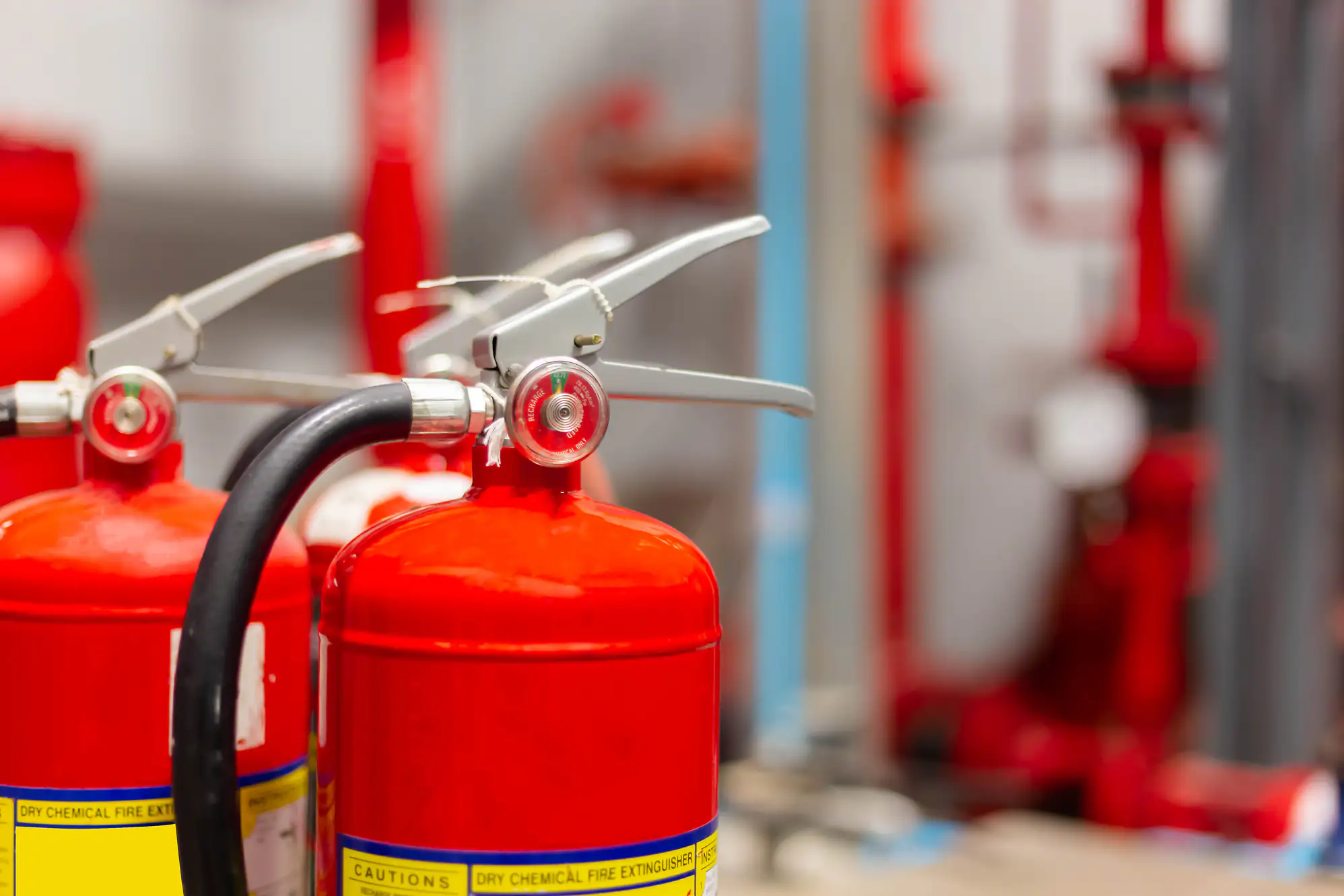
A fire alarm system isn’t just about compliance. It’s about having a system that detects smoke or heat before a small problem becomes a total loss. In Suffolk County, where 109 independent fire districts each enforce their own codes, you need a system that meets the specific requirements of your location and gets inspected without issues.
The right fire detection system cuts your insurance premiums by 5% to 20% in most cases. That’s real money back in your pocket, year after year. More importantly, it gives you early warning when seconds count, reducing the risk of injury, property damage, and the kind of business interruption that can take months to recover from.
You’re not looking for the cheapest option. You’re looking for a system that works the first time, passes inspection, and doesn’t fail when you need it. That’s what a properly installed, code-compliant fire alarm does.
We hold NYS License #12000325006, Suffolk County License 180, and Nassau County licenses. We’re NICET-certified, MBE-certified, and an authorized Notifier by Honeywell dealer. That’s not just paperwork—it means our team knows the codes, the equipment, and the local inspection process across every fire district in Suffolk County.
We work in Oakdale, Ronkonkoma, Bohemia, Hauppauge, Sayville, and throughout Long Island. Whether you’re managing a commercial property, running a restaurant, or overseeing a warehouse, we’ve handled fire alarm installations in facilities like yours. We know what inspectors look for, and we know how to get systems approved without delays or rework.
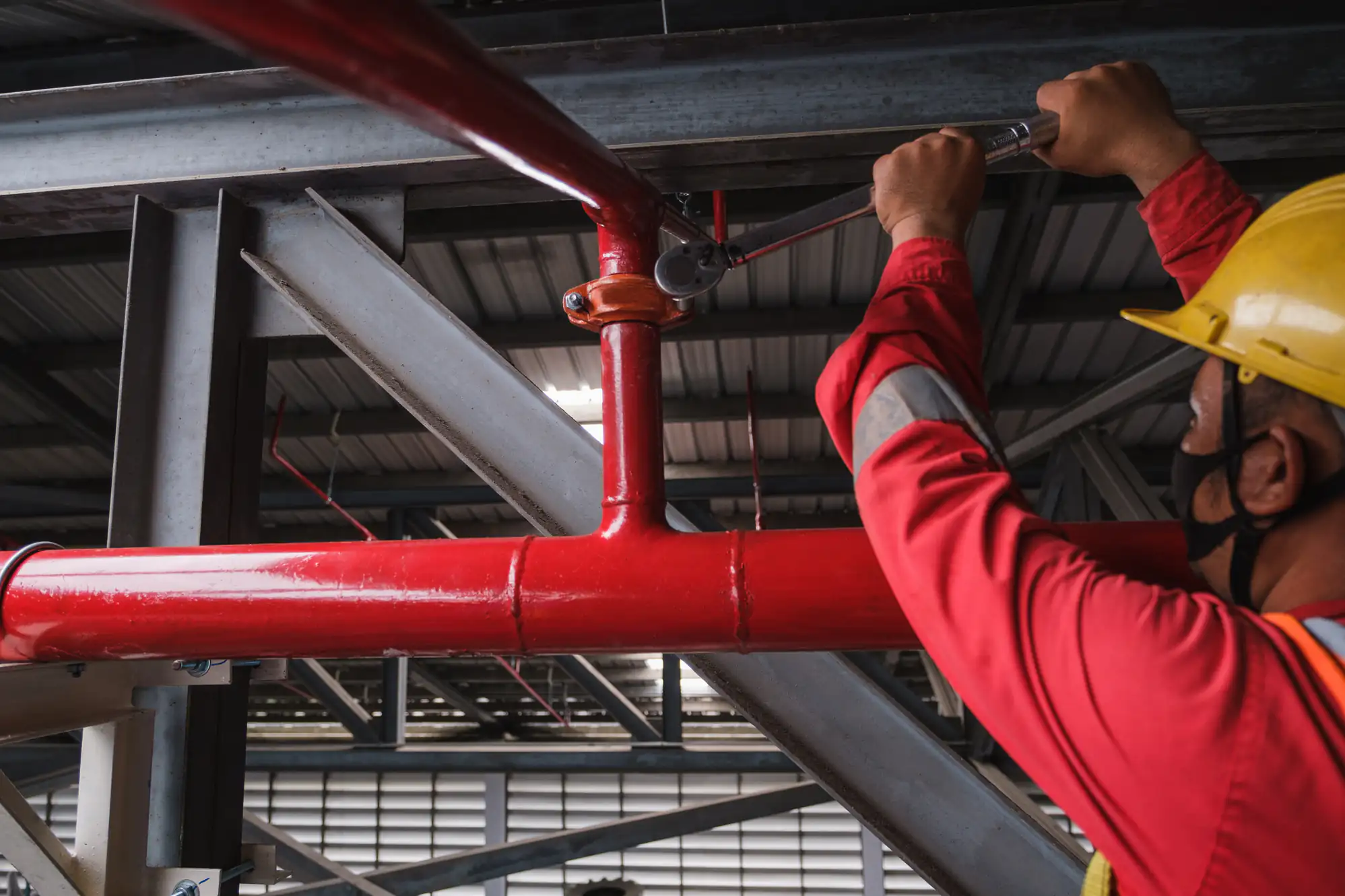
We start with a site assessment to understand your building layout, occupancy type, and the specific fire district codes that apply to your Oakdale property. Suffolk County’s decentralized system means each district has unique requirements, and we map those out before we design anything.
Next, we design a system that fits your space. That could be a conventional alarm for a smaller building, an addressable system for a larger facility that needs zone-specific detection, or a wireless setup if running new wiring isn’t practical. We walk you through the options and explain what makes sense for your situation and budget.
Installation is handled by our NICET-certified technicians. We mount detectors, pull stations, notification devices, and control panels according to NFPA standards and local codes. After installation, we test every device, document the system, and schedule the required inspections. Once approved, we connect your system to 24/7 monitoring so any alarm triggers an immediate response. We also offer ongoing maintenance and inspection services to keep everything compliant and functional long-term.

Ready to get started?
A complete fire detection system includes smoke detectors, heat detectors, manual pull stations, audible and visual notification devices, and a control panel that manages the entire network. Depending on your building and code requirements, you may also need duct detectors, beam detectors for high ceilings, or combination smoke and carbon monoxide alarms in certain spaces.
In Suffolk County, commercial properties often require addressable systems that pinpoint the exact location of an alarm. This is critical for large buildings where responders need to know which zone triggered the alert. We also install wireless fire alarm systems in buildings where retrofitting wired devices isn’t feasible due to construction limitations or historical preservation requirements.
Beyond installation, we handle smoke alarm replacement, smoke detector replacement, and system upgrades for older buildings that don’t meet current NFPA codes. If you’ve received a violation notice, we provide violation correction services to bring your system into compliance and clear the issue with your local fire marshal. Every system we install is eligible for 24/7 monitoring, which connects directly to emergency services and ensures a faster response when an alarm is triggered.
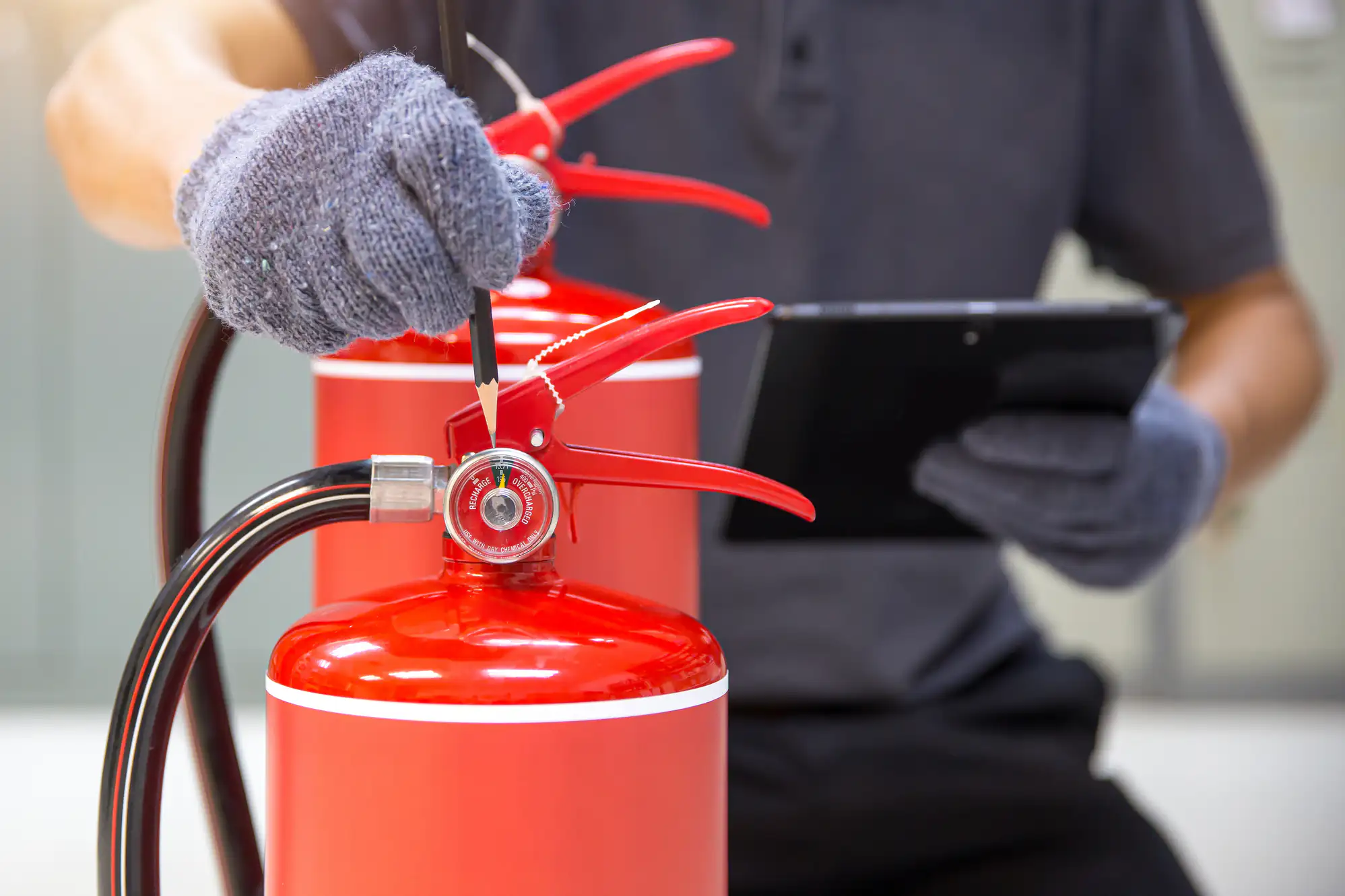
It depends on your building size, occupancy type, and which fire district you’re in. Smaller buildings with straightforward layouts can often use conventional fire alarm systems, where devices are grouped into zones. Larger or more complex facilities typically require addressable fire alarm systems, which identify the exact device that triggered an alarm.
Addressable systems cost more upfront but provide faster response times and easier troubleshooting. They’re also required by many Suffolk County fire districts for commercial properties over a certain square footage or occupancy load. If you’re in a building where running new wiring is difficult, a wireless fire alarm system might be the best option.
We assess your property, review the local code requirements, and recommend a system that meets compliance without over-engineering. The goal is a system that passes inspection, works reliably, and fits your budget.
Installation costs vary based on building size, system type, and the number of devices required. A small commercial space might need a basic conventional system with a few smoke detectors and pull stations, which is less expensive. A larger facility with multiple floors, high ceilings, or specialized detection needs will require more equipment and labor.
Addressable systems cost more than conventional systems due to the advanced control panels and wiring. Wireless systems can reduce labor costs but have higher equipment costs per device. On average, commercial fire alarm installation in Suffolk County ranges from a few thousand dollars for basic setups to significantly more for complex buildings.
The return comes through lower insurance premiums, reduced liability, and avoiding the cost of fire damage or business interruption. Most clients see a measurable reduction in insurance costs within the first year, and the system pays for itself over time. We provide upfront pricing after the site assessment so there are no surprises.
Yes. Most commercial insurance carriers reduce premiums by 5% to 20% when you install a monitored fire alarm system. The exact discount depends on your insurer, your building type, and whether the system is monitored 24/7 by a central station.
Insurance companies view fire alarms as risk reduction. Early detection means faster response, less damage, and lower claim costs. Some insurers require fire alarm systems as a condition of coverage for certain property types, especially older buildings or high-risk occupancies like restaurants and warehouses.
You’ll need documentation showing your system is installed to code, inspected, and actively monitored. We provide all the necessary paperwork and certifications after installation. Contact your insurance agent to confirm the discount before installation, but in most cases, the savings are significant enough to offset a portion of the system cost each year.
NFPA 72 requires annual inspections for most commercial fire alarm systems. Suffolk County fire districts enforce this standard, and many require proof of inspection as part of your certificate of occupancy or business license renewal.
During an inspection, a certified technician tests every smoke detector, heat detector, pull station, and notification device to ensure they’re functioning correctly. The control panel is checked for faults, and battery backups are tested. Any issues are documented and corrected before the system is certified.
If your system fails inspection or you’ve received a violation notice, we provide violation correction services to bring everything into compliance. Skipping inspections can result in fines, insurance issues, or liability problems if a fire occurs and your system wasn’t maintained. We offer annual inspection contracts that handle scheduling, testing, and documentation so you stay compliant without having to track it yourself.
If your system is monitored, the monitoring center will contact you immediately to verify whether it’s a real emergency or a false alarm. You’ll have a short window to provide a passcode or confirm the situation before they dispatch emergency services. If you don’t respond, they’ll send the fire department as a precaution.
False alarms are usually caused by cooking smoke, steam, dust during construction, or low batteries in wireless devices. Properly installed and maintained systems have fewer false alarms because detectors are placed in appropriate locations and sensitivity is calibrated correctly.
Some fire districts in Suffolk County charge fees for repeated false alarms, so it’s worth investing in regular maintenance to avoid nuisance trips. If you’re experiencing frequent false alarms, we can assess your system, relocate problematic detectors, or upgrade to devices with better discrimination between real smoke and environmental factors. The goal is reliable detection without unnecessary disruptions.
Sometimes, but it depends on the age and condition of your existing system. If your control panel and wiring are still in good shape, you may be able to upgrade individual devices like smoke detectors or add new zones without a full replacement. However, if your system is more than 15-20 years old, replacement is usually the better option.
Older systems often lack the features required by current NFPA codes, like addressable detection or voice evacuation. They’re also harder to service because replacement parts become unavailable as manufacturers discontinue older models. If you’ve received a violation notice or failed an inspection, upgrading individual components may not be enough to bring the system into compliance.
We evaluate your existing system and give you an honest assessment of whether an upgrade makes sense or if replacement is the smarter long-term investment. In many cases, a new system costs less to maintain, integrates with modern monitoring, and provides better protection than trying to patch together an outdated setup.
Other Services we provide in Oakdale