

Explore firsthand accounts of our exceptional service and dedication to safety through the glowing testimonials from our satisfied clients.
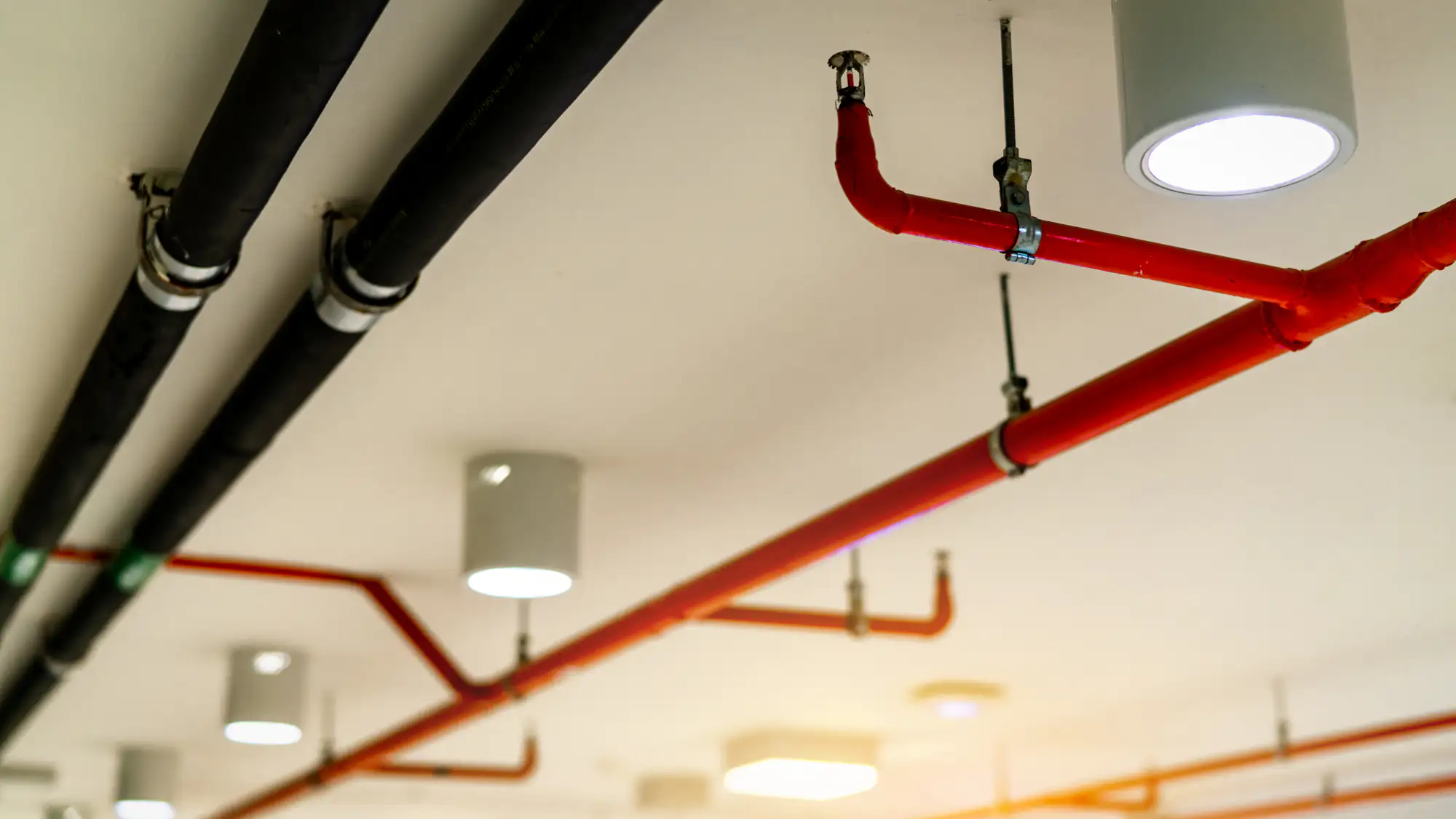
You’re running a business or managing a property, not studying fire codes full-time. That’s the problem with most fire protection requirements—they’re confusing, constantly changing, and the penalties for getting them wrong hit hard.
When your fire sprinkler system passes inspection the first time, you’re not scrambling to reschedule tenants or shut down operations. When your fire alarm systems actually work during an emergency, you’re protecting people and assets. When building code inspectors show up and everything checks out, you move on with your day instead of dealing with violation notices and reinspection fees.
The difference between reactive fire protection and proactive fire protection is simple. Reactive means you’re fixing problems after they’re cited. Proactive means your systems are installed right, tested regularly, and compliant before anyone asks. That’s what keeps your insurance valid, your occupancy permit active, and your liability exposure low.
We hold NYS License #12000325006, plus Nassau and Suffolk County licenses. We’re NICET certified, MBE certified, and authorized Notifier by Honeywell dealers. Those credentials matter because they mean we’re qualified to design, install, inspect, and repair fire protection systems across Long Island without subcontracting the technical work.
We’ve been correcting violations, installing fire sprinkler systems, and upgrading outdated equipment throughout Oakdale and surrounding Suffolk County towns for years. Most of our work comes from referrals—property managers who’ve dealt with other companies that missed inspection deadlines or couldn’t explain why a system failed.
If you’re in Oakdale, you know the mix of commercial properties, industrial warehouses, and older buildings that need modern fire protection upgrades. We work in that environment daily. We know which inspectors cover which jurisdictions, what NFPA 25 compliance actually requires for your building type, and how to fix violations without ripping out entire systems.
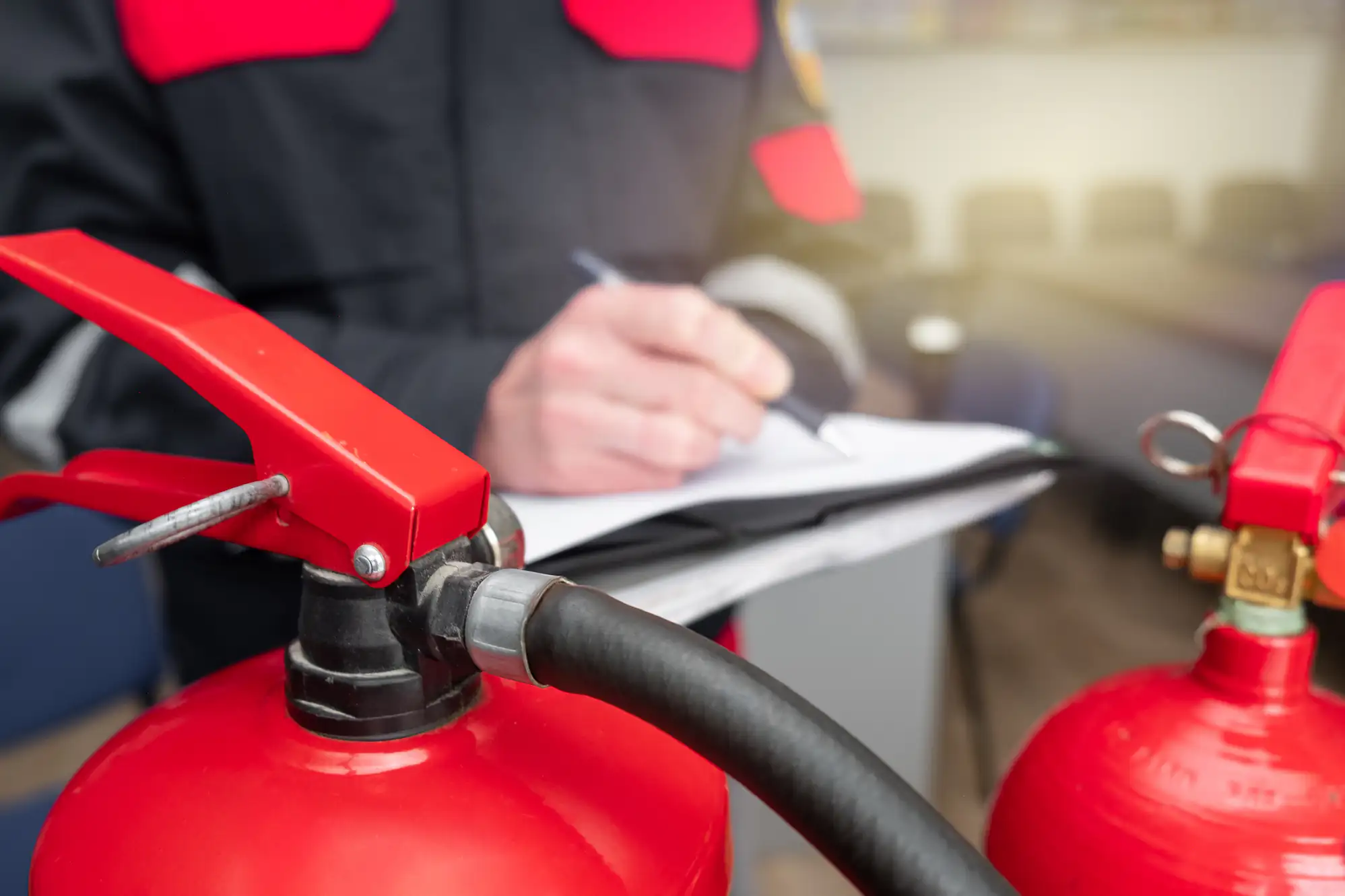
First, we assess what you currently have and what you actually need. That means looking at your existing fire sprinkler system, checking your fire alarm setup, reviewing any violation notices, and confirming what the International Building Code and local Oakdale requirements say about your property type. You get a clear explanation of what’s wrong, what’s missing, and what it’ll take to fix it.
Next, we handle the installation or repair work. If you need a new fire pump, upgraded sprinkler heads, or a full BDA system for emergency responder communication, we coordinate the job around your schedule. Our NICET certified team does the technical work—no subcontractors learning on your property.
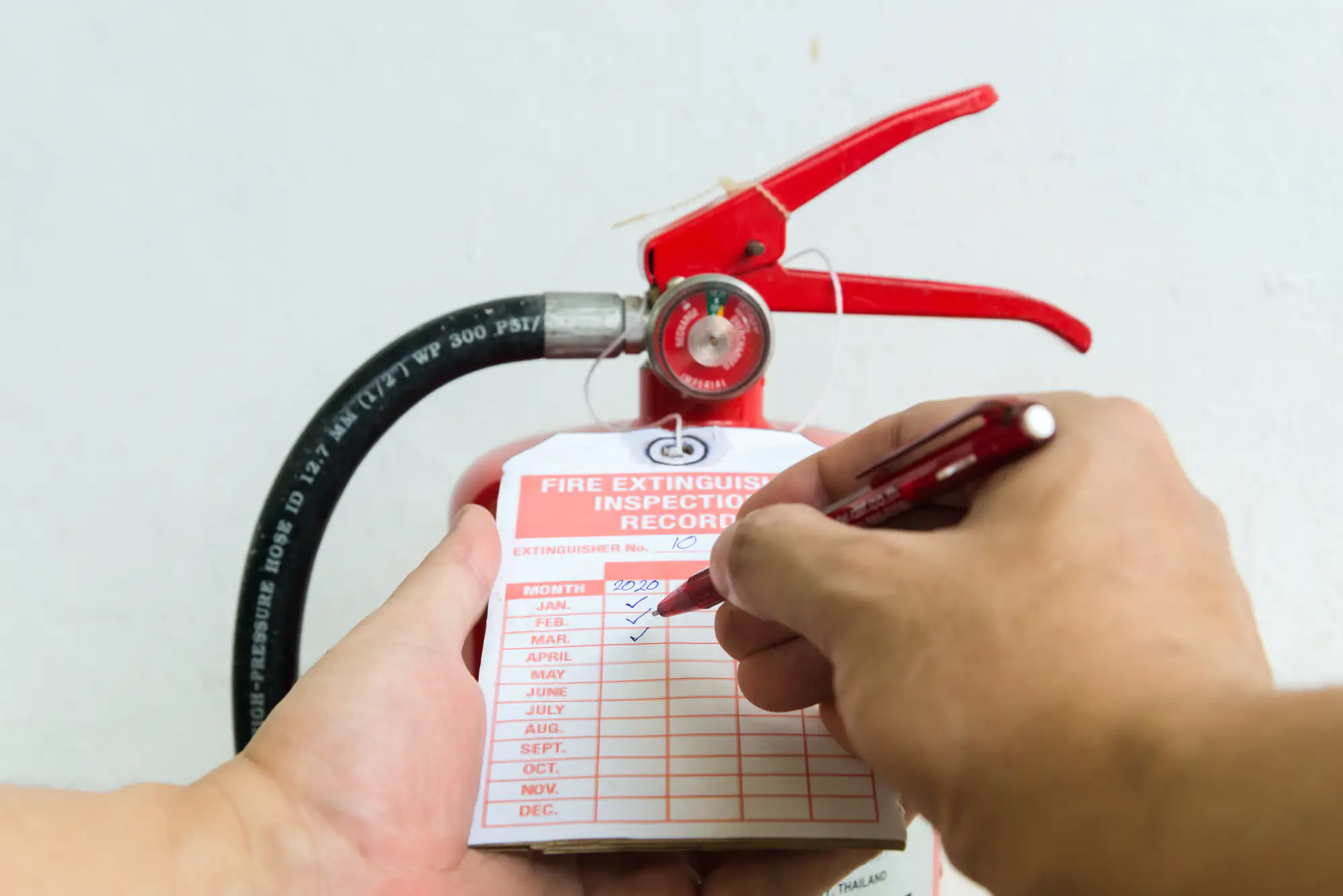
After installation, we test everything according to NFPA 25 standards and document it properly. You receive the inspection reports, compliance certificates, and maintenance schedules you’ll need for your records. If you’re correcting a violation, we work directly with the fire marshal’s office to close it out. Then we set up ongoing monitoring and maintenance so you’re not guessing when the next inspection is due.
Ready to get started?
Fire protection services cover more than just installing a sprinkler system and walking away. You’re getting system design that meets Title 24 energy compliance and building code requirements specific to your property’s use and occupancy type. That includes calculating water flow, pressure requirements, and coverage zones so your fire sprinkler system actually works when it needs to.
Oakdale has a mix of commercial buildings, some dating back decades, that weren’t built with modern fire alarm systems or adequate emergency responder radio coverage. If your building has connectivity issues that prevent first responders from communicating inside, you need a BDA system installation. We’re FCC-certified to install those systems, and they’re increasingly required for new construction and major renovations across Suffolk County.
You also get violation correction services. If you’ve received a notice from the fire department about non-compliant equipment, expired inspections, or failed tests, we identify what triggered the violation and fix it. That might mean replacing a fire pump that’s no longer rated for your building’s size, upgrading outdated Kidde fire and carbon monoxide detectors, or reconfiguring your sprinkler layout to match current code.
Ongoing maintenance keeps everything functional between inspections. Weekly checks, monthly tests, quarterly inspections, annual certifications—we handle the schedule and documentation so you’re never surprised by a lapsed permit or failed system.

NFPA 25 requires different inspection intervals depending on what component you’re checking. Sprinkler heads get visually inspected annually, but you’re also looking at quarterly checks for your fire pump, monthly valve inspections, and weekly checks if you have a wet pipe system with certain configurations.
The confusion comes from the fact that different parts of your system are on different schedules. Your fire pump might need testing every month, while your backflow preventer only gets tested annually. If you miss any of these deadlines, you’re technically out of compliance even if the rest of your system is fine.
Most property owners in Oakdale don’t track this themselves. You either hire a fire protection company that manages the schedule for you, or you risk missing an inspection and finding out during a fire marshal visit. We send reminders, handle the testing, and keep your documentation current so you’re always ready if someone asks to see your records.
A fire alarm system detects smoke, heat, or manual activation and alerts people to evacuate. It doesn’t put out the fire—it just warns you there’s a problem. Your fire sprinkler system actually suppresses the fire by releasing water when heat triggers the sprinkler heads.
You need both in most commercial buildings. The alarm gets people out safely and notifies monitoring services or emergency responders. The sprinkler system controls the fire spread until firefighters arrive. They work together, but they’re separate systems with different installation requirements, inspection schedules, and code standards.
Some building owners assume that having one covers them for the other. It doesn’t. Oakdale commercial properties typically need compliant fire alarm systems and fire sprinkler systems to meet building code and maintain insurance coverage. If you’re missing either one or your existing systems are outdated, you’re looking at violations during your next inspection.
Most of the time, yes. Violations usually stem from specific components that are outdated, improperly installed, or not tested on schedule. You might need to replace corroded sprinkler heads, upgrade your fire pump to meet current flow requirements, or add coverage to areas that weren’t originally protected.
We’ve corrected hundreds of violations across Suffolk County without ripping out entire systems. The key is identifying exactly what the fire marshal cited and addressing that specific issue to code. Sometimes it’s as simple as relocating a sprinkler head that’s blocked by new ductwork. Other times you’re adding a BDA system because your building’s construction materials block radio signals for emergency responders.
The exceptions are older systems that are so far out of compliance that piecemeal fixes don’t make sense. If your building still has outdated equipment that’s no longer supported or your system was never designed to meet current occupancy loads, a full replacement might be more cost-effective than constant repairs. We’ll tell you which situation you’re in before you spend money on fixes that won’t solve the underlying problem.
A BDA system—Bi-Directional Amplifier—boosts radio signals inside your building so firefighters, police, and EMTs can communicate with each other and their dispatch during an emergency. If your building’s construction materials block radio frequencies, first responders can’t coordinate effectively, which puts everyone at risk.
You need one if your building fails a radio signal test, which is now required for most new construction and major renovations in Suffolk County. Buildings with concrete, metal studs, or below-grade areas often have dead zones where radios don’t work. The fire marshal will test signal strength during inspections, and if it falls below the required threshold, you’ll get cited until you install a BDA system.
We’re FCC-certified to design and install these systems, which matters because improper installation can actually interfere with emergency communications instead of improving them. The system needs to be tuned to the specific frequencies used by local fire and police departments in Oakdale and surrounding areas. It’s not a DIY project, and it’s not something you want to trust to a company that doesn’t specialize in emergency responder systems.
It depends entirely on your building size, use type, water supply, and existing infrastructure. A small office retrofit might run differently than a new warehouse installation with high ceilings and specialized hazards. You’re paying for design, materials, labor, permits, and testing—and each of those varies based on your specific situation.
The biggest cost drivers are usually the fire pump if your municipal water pressure isn’t sufficient, the pipe material and layout required to cover your square footage, and any structural work needed to support the system. If you’re adding sprinklers to an older building that wasn’t designed for them, you might need to upgrade your water service or add a dedicated tank.
We provide detailed estimates after assessing your property because giving you a number without seeing the building would be guessing. What we can tell you is that cutting corners on installation costs you more in the long run. Cheap installations fail inspections, require expensive corrections, and sometimes don’t work when you actually need them. You’re better off getting it done right the first time with a licensed contractor who knows Oakdale building code requirements and NFPA standards.
Yes. Our monitoring service connects your fire alarm system to a central station with trained operators available around the clock. When your alarm triggers, you get immediate notification and so do emergency responders if needed. You’re not relying on someone in the building to notice the alarm and call 911.
Monitoring is required for most commercial properties in Oakdale, and it’s usually a condition of your insurance policy. Without it, your alarm might sound locally, but nobody’s dispatching help if the building is unoccupied. That’s a problem for warehouses, offices after hours, or any property that isn’t staffed 24/7.
We handle the monitoring setup as part of your fire alarm installation, and the monthly monitoring fee is separate from the installation cost. You’ll get notifications via phone, text, or email depending on how you want to be contacted. The system logs every alarm event, test, and malfunction, which gives you documentation for inspections and insurance claims. If you already have a fire alarm system but it’s not monitored, we can usually connect it to our monitoring service without replacing the entire panel.
Other Services we provide in Oakdale