Explore firsthand accounts of our exceptional service and dedication to safety through the glowing testimonials from our satisfied clients.
You’re not wondering if your system will fail when it matters most. You’re not dealing with inspectors who red-tag your building because someone cut corners on the install. You’re not scrambling to fix violations that could’ve been avoided from day one.
Your fire detection system does what it’s supposed to do. It meets code. It gets approved. It protects your people and your property without you losing sleep over whether it’ll work during an emergency.
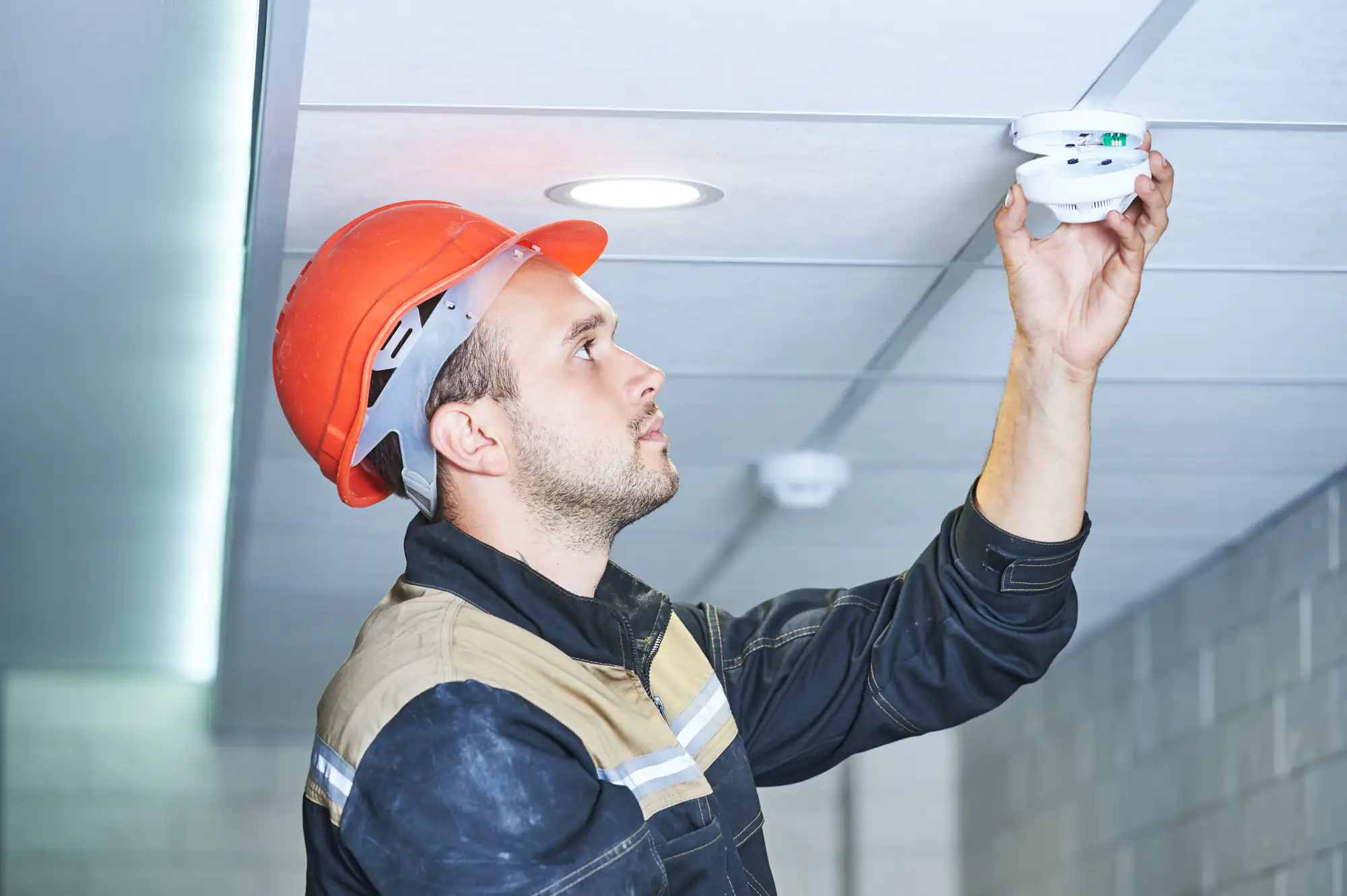
That’s what happens when the installation is done right the first time. No callbacks. No failed inspections. No surprises when the Fire Department shows up. Just a system that works, installed by people who know exactly what Long Island fire codes require and how to deliver it without the drama.
We hold NYS License #12000325006 and Suffolk County License 180 because you can’t legally install fire alarm systems here without them. We’re NICET certified, which means our team has proven technical competency in fire alarm systems—not just experience, but verified knowledge.
We’re also a Notifier by Honeywell authorized dealer and a member of the New York Fire Alarm Association. That’s not name-dropping. It means we have direct access to manufacturer support, training updates, and the latest code changes that affect your building in Oakdale and across Nassau and Suffolk counties.
You’re working with people who understand what it takes to get your fire detection system approved in this market. We know the inspectors. We know the codes. We know what fails and what doesn’t.
First, we assess your building and what you actually need. Not what we want to sell you—what your property requires based on square footage, occupancy type, and current fire code. We’re looking at detector placement, system integration, and whether you need smoke detectors, combo smoke and CO alarms, or a full networked fire alarm system.
Next, we submit your fire alarm system documents to the Fire Department for approval before we touch anything. This is required in New York, and skipping it is why some installs get shut down mid-project. We handle that paperwork so you don’t get stuck in bureaucratic limbo.
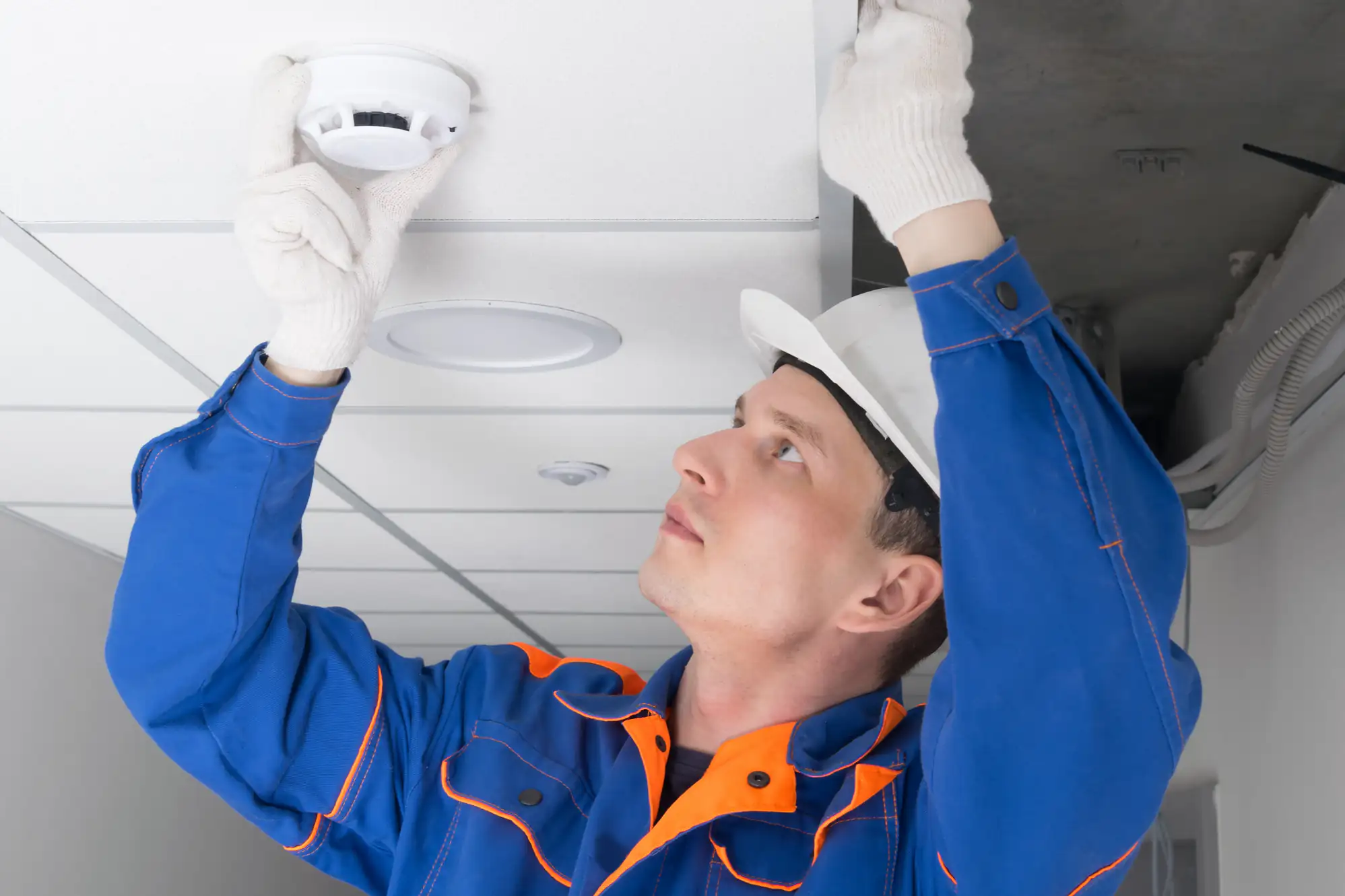
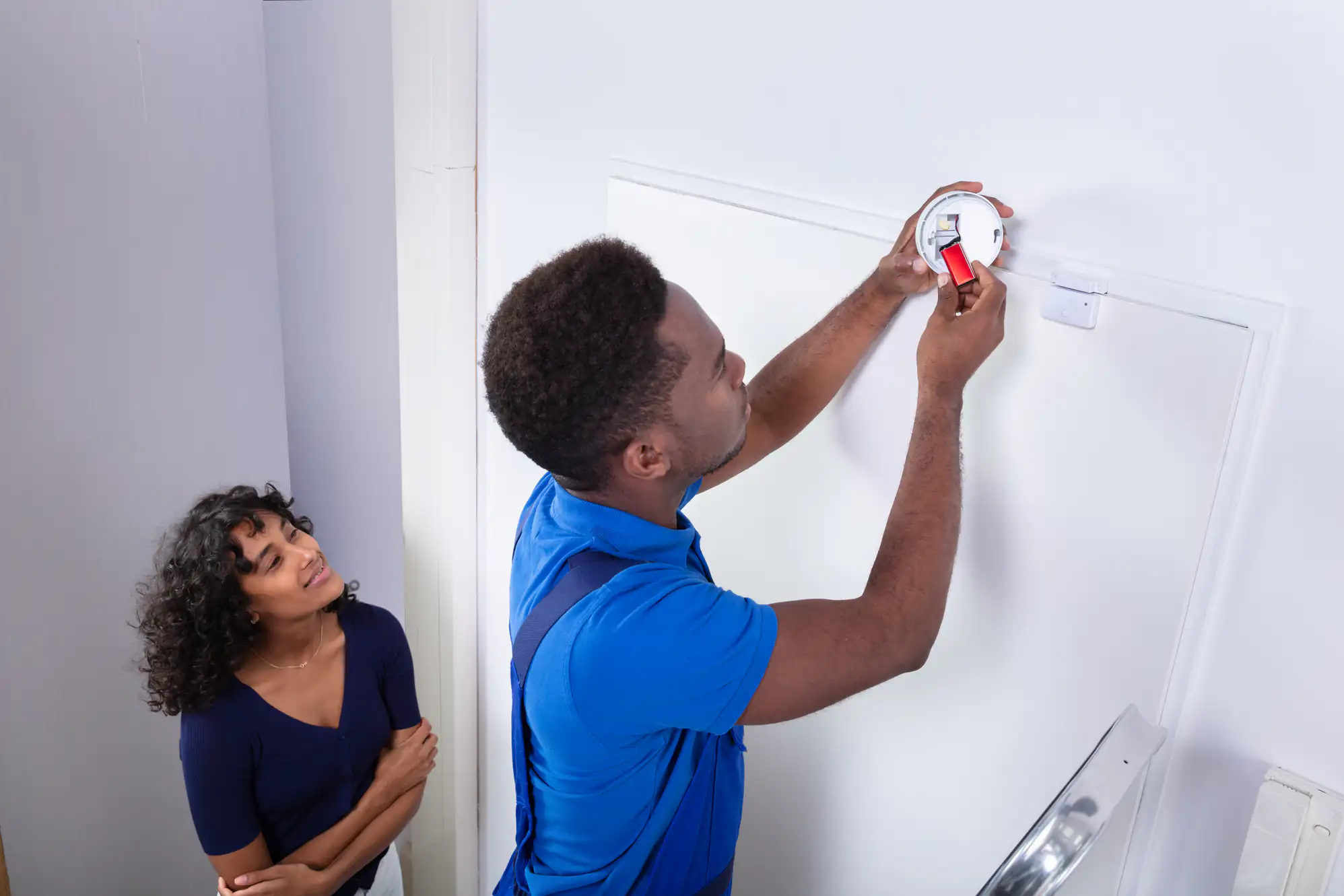
Then we install. Our NICET-certified team puts in your fire detection system according to the approved plans, NFPA 72 standards, and NYC building code Chapter 9 requirements. We’re talking proper detector spacing, correct wiring, battery backup, and system interconnectivity that actually works when tested.
Finally, we test everything and coordinate the inspection. You get a system that passes the first time because it was installed correctly from the start. After that, we can set you up with monitoring and annual inspections to keep you compliant long-term.
Ready to get started?
You’re getting a complete fire detection system designed for your specific building in Oakdale. That includes smoke detectors, heat detectors, or combo smoke and CO alarms depending on what your property needs. If you’re in a commercial space, we’re installing networked fire alarm systems that communicate with a central panel and can integrate with your existing security or building management systems.
We’re also installing systems that meet the 2022 Fire Code updates—enhanced alarm audibility, proper battery backup, and interconnectivity requirements that weren’t always mandatory before. If your building needs a BDA system for emergency responder radio coverage, our FCC-certified team handles that integration too. Firefighters and police need to communicate inside your building during an emergency, and dead zones get people hurt.
For Oakdale properties dealing with violations or outdated systems, we provide correction services that bring you back into compliance. That might mean upgrading old smoke alarm systems, replacing Kidde CO alarms that are past their lifespan, or installing Nest fire alarms that give you remote monitoring capabilities. Whatever gets you compliant and keeps you there.
Long Island sees over 12,000 residential fires annually, with faulty wiring as the leading cause. Your fire detection system is often the only warning you get before a small problem becomes a total loss. We make sure that warning system actually works.
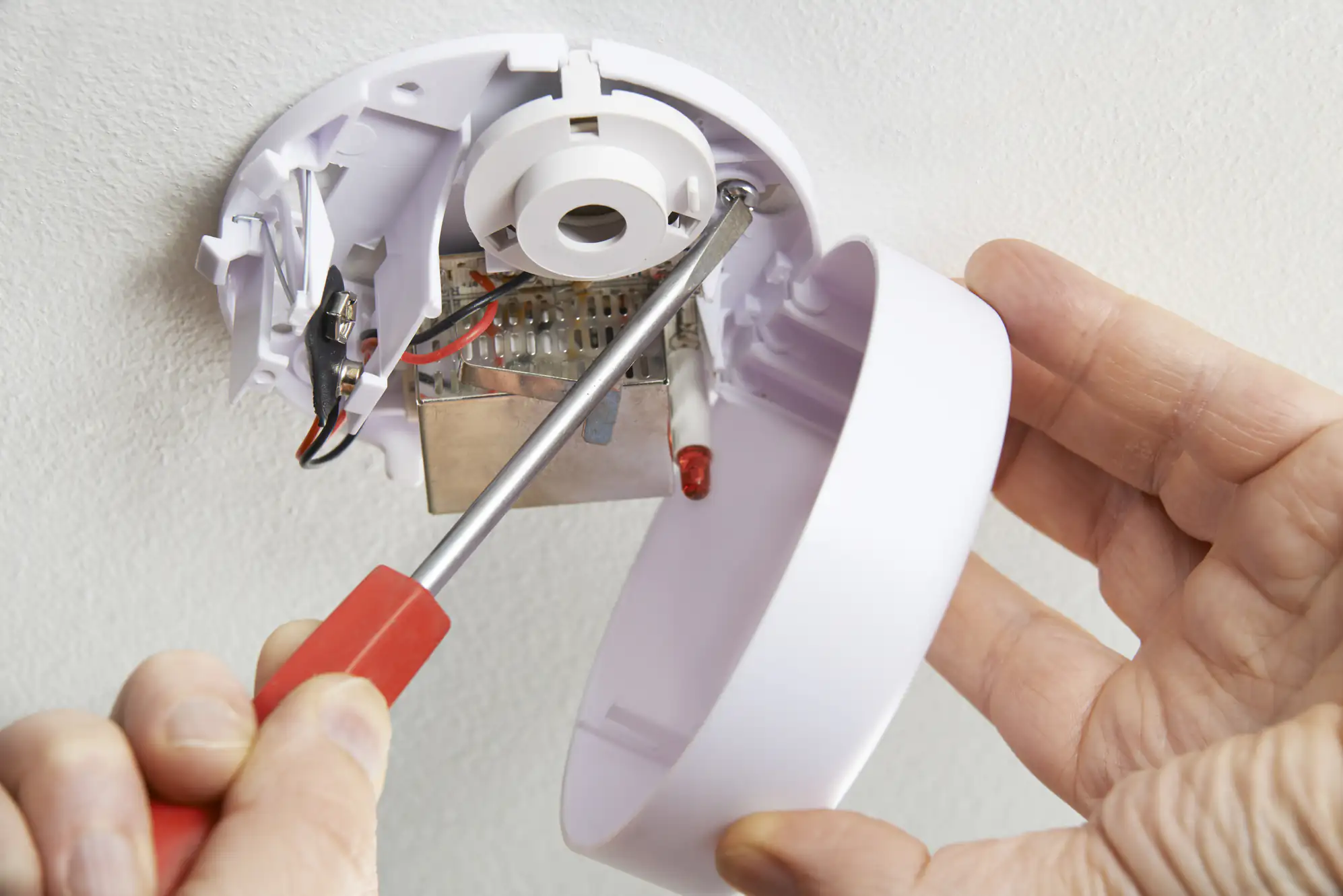
It depends on your building size and system complexity, but most commercial fire alarm installations in Oakdale take between two days and two weeks. A small retail space with a basic smoke detector system might be done in a couple of days. A larger warehouse or multi-tenant building with a networked fire detection system, BDA integration, and multiple zones could take longer.
The timeline also depends on how quickly we get Fire Department approval on your submitted plans. That’s not something we control, but we do handle the submission process to avoid delays caused by incomplete or incorrect documentation. Once we have approval, the physical installation moves quickly because our team knows exactly what needs to happen.
We schedule installations to minimize disruption to your business operations. If you need us to work after hours or on weekends to avoid interfering with your daily operations, we can make that happen. The goal is to get you a fully functional, code-compliant system without shutting down your business for days on end.
Smoke detectors only detect smoke particles in the air, which signals a fire. Combo smoke and CO alarms detect both smoke and carbon monoxide, which is a colorless, odorless gas that can kill you before you even realize there’s a problem. Carbon monoxide comes from fuel-burning equipment—furnaces, water heaters, generators, anything that burns gas, oil, wood, or coal.
If your building has fuel-burning equipment or an attached garage, New York code requires carbon monoxide detectors in addition to smoke detectors. Combo units handle both functions in one device, which can simplify installation and reduce the number of devices you need on ceilings and walls.
For commercial properties in Oakdale, the decision often comes down to your building’s mechanical systems and occupancy type. Residential properties almost always benefit from combo units because most homes have gas appliances or heating systems. We assess your specific situation during the initial walkthrough and recommend what actually makes sense for your building—not just what’s easiest to install.
Yes. Suffolk County requires a fire alarm license to install, service, or modify fire alarm systems. That’s Suffolk County License 180 for us, and it’s not optional. If someone installs your fire detection system without the proper license, your system can fail inspection, you can get fined, and you’ll likely have to pay someone else to rip it out and redo it correctly.
New York also requires fire alarm system documents to be submitted to and approved by the Fire Department before installation begins. Unlicensed installers either don’t know this or ignore it, which means your project gets shut down when an inspector shows up and asks for the approved plans.
Hiring a licensed, NICET-certified installer means you’re working with someone who has verified technical knowledge and is legally authorized to do the work. It also means you have recourse if something goes wrong, because licensed contractors are accountable to the state and county. You’re not just protecting yourself from bad installations—you’re protecting yourself from liability if someone gets hurt because your fire alarm system didn’t work when it was supposed to.
New York requires annual inspections and testing for fire alarm systems, with more frequent inspections for larger buildings depending on occupancy type and system complexity. These inspections aren’t optional—they’re part of maintaining your certificate of occupancy and staying compliant with fire code.
During an inspection, the entire system gets tested. That includes smoke detectors, heat detectors, pull stations, notification devices, control panels, and battery backups. The inspector is making sure everything communicates properly, alarms sound at the correct decibel levels, and backup power works if you lose electricity.
If your system fails inspection, you get a violation notice and a deadline to fix the problem. Depending on the severity, that could mean fines, occupancy restrictions, or a stop-work order if you’re in the middle of construction or renovations. We offer monitoring and maintenance services that include annual inspections, so you’re not scrambling every year to find someone who can test your system and file the required paperwork. It’s easier to stay compliant when someone’s already tracking your inspection schedule and knows your system inside and out.
It depends on what you currently have and what code requires for your building. If your existing system uses outdated technology, lacks required features like battery backup or proper interconnectivity, or doesn’t meet the 2022 Fire Code updates, you’re probably looking at a replacement rather than an upgrade.
Older smoke alarm systems might not have the enhanced audibility requirements that newer codes mandate. They might not integrate with modern building management systems. They might use detectors that are past their functional lifespan—most smoke detectors should be replaced every 10 years, and CO alarms typically need replacement every 5 to 7 years.
We assess your current system and tell you honestly whether an upgrade will get you compliant or if you need to start fresh. Sometimes you can add devices, upgrade the panel, and bring everything up to code without ripping out the entire system. Other times, the cost and hassle of trying to retrofit old equipment exceeds the cost of installing a new system that you know will work correctly. We’re not trying to sell you a full replacement if an upgrade will do the job—we’re trying to get you compliant in the most cost-effective way possible.
You get a violation notice that outlines what failed and gives you a deadline to fix it. Depending on the issue, that deadline might be 30 days, 60 days, or immediate if the problem creates a serious life-safety hazard. Ignoring the violation leads to fines, potential occupancy restrictions, and in extreme cases, a building shutdown until you’re compliant.
Common failure points include detectors that don’t trigger alarms, notification devices that don’t sound at the required decibel levels, control panels with dead batteries, and systems that don’t communicate properly between zones. Sometimes the issue is installation-related—improper detector placement, incorrect wiring, or missing documentation that should’ve been filed with the Fire Department.
If you’re dealing with a failed inspection, we provide violation correction services that identify the problem, fix it correctly, and get you re-inspected. The faster you address violations, the less they cost you in fines and operational disruptions. If you’re working with us from the start, failures are rare because we install systems that meet code requirements the first time. But if you inherited a problem system or had someone else do the original install, we can step in and get you back on track.
Other Services we provide in Oakdale