Explore firsthand accounts of our exceptional service and dedication to safety through the glowing testimonials from our satisfied clients.
Your fire alarm system isn’t just checking a box. It’s the difference between a small incident and a total loss, between passing inspection and scrambling to fix violations before fines pile up.
When your system is installed right and monitored properly, you’re not thinking about it. You’re not getting calls about false alarms. You’re not worrying whether your insurance will actually pay out if something happens. You’re running your business or living in your home knowing that if smoke or fire is detected, the right people get notified immediately.
That’s what a proper fire detection system does. It works quietly in the background until the moment you need it most. And when that moment comes, it doesn’t hesitate.
We hold NYS License #12000325006, Nassau County licenses, and Suffolk County license 180. We’re NICET certified, which means our technicians have proven expertise in fire alarm installation and inspection—not just a weekend course.
We’re also a Notifier by Honeywell authorized dealer and members of the New York Fire Alarm Association. That matters because you’re getting access to industry-leading equipment and staying current with code changes that affect St. James, Smithtown, Ronkonkoma, and the rest of Long Island.
We’ve been handling fire alarm systems across Suffolk, Nassau, and NYC long enough to know that every jurisdiction has its quirks. What passes in one town might get flagged in another. That’s why local experience isn’t optional.
First, we assess your property. That means understanding your building layout, occupancy type, existing systems, and what local codes require for St. James, NY. We’re not selling you equipment you don’t need—we’re making sure you have what actually keeps you compliant and protected.
Next comes design and equipment selection. If you need a combo smoke and co alarm setup for residential, or a full fire detection system with central station monitoring for commercial, we map it out clearly. You’ll know what’s going in, where it’s going, and why.
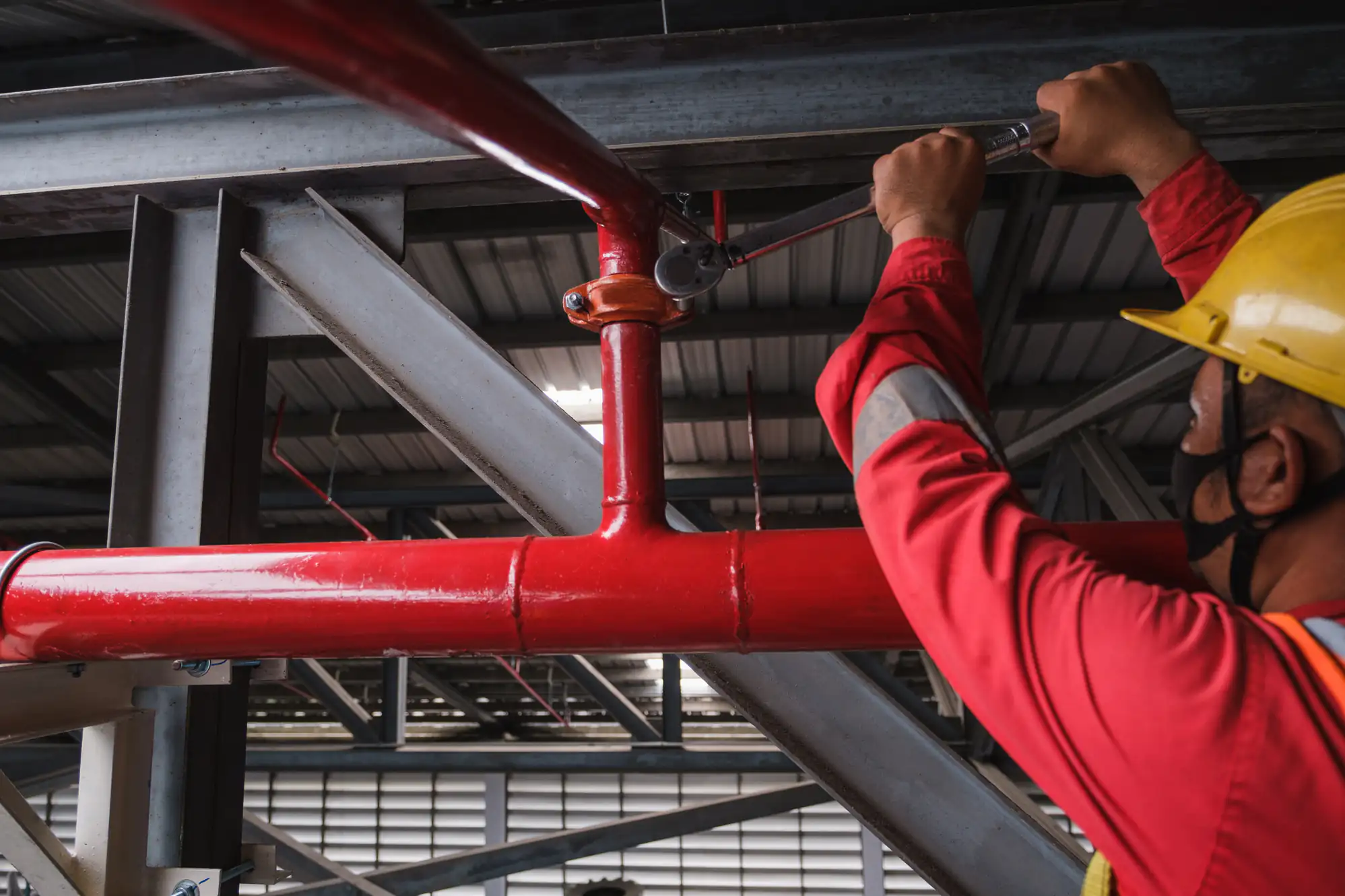
Installation is handled by our certified technicians who pull permits and follow NFPA 72 standards. We don’t cut corners. Once the system is in, we test everything, program your monitoring, and walk you through how it works.
After that, you’re covered. We handle inspections, maintenance, and any violation correction services if something gets flagged during a fire marshal visit. You’re not dealing with this alone.
Ready to get started?
Your fire alarm system needs more than installation. It needs 24/7 monitoring so that when a smoke detector goes off at 2 a.m., someone’s calling the fire department and reaching you immediately. That’s not optional for most commercial properties in St. James, NY—it’s required.
Annual inspections are also mandatory under NFPA 72. We handle those so you’re not scrambling when your insurance company or the fire marshal asks for documentation. If your tags are expired—even by one day—that’s a violation. We make sure that doesn’t happen.
We also handle smoke alarm replacement, smoke detector replacement, and upgrades to newer technology like Nest fire alarms or Kidde CO alarms when it makes sense. If you’re in a building that needs a BDA system for emergency responder radio communication, we install and certify those too.
And if you’ve already got violations? We specialize in correction services. That means figuring out what’s wrong, fixing it fast, and getting you back in compliance before fines escalate. In Nassau and Suffolk Counties, those fines can hit $800 to $5,000 depending on the violation. We help you avoid that.
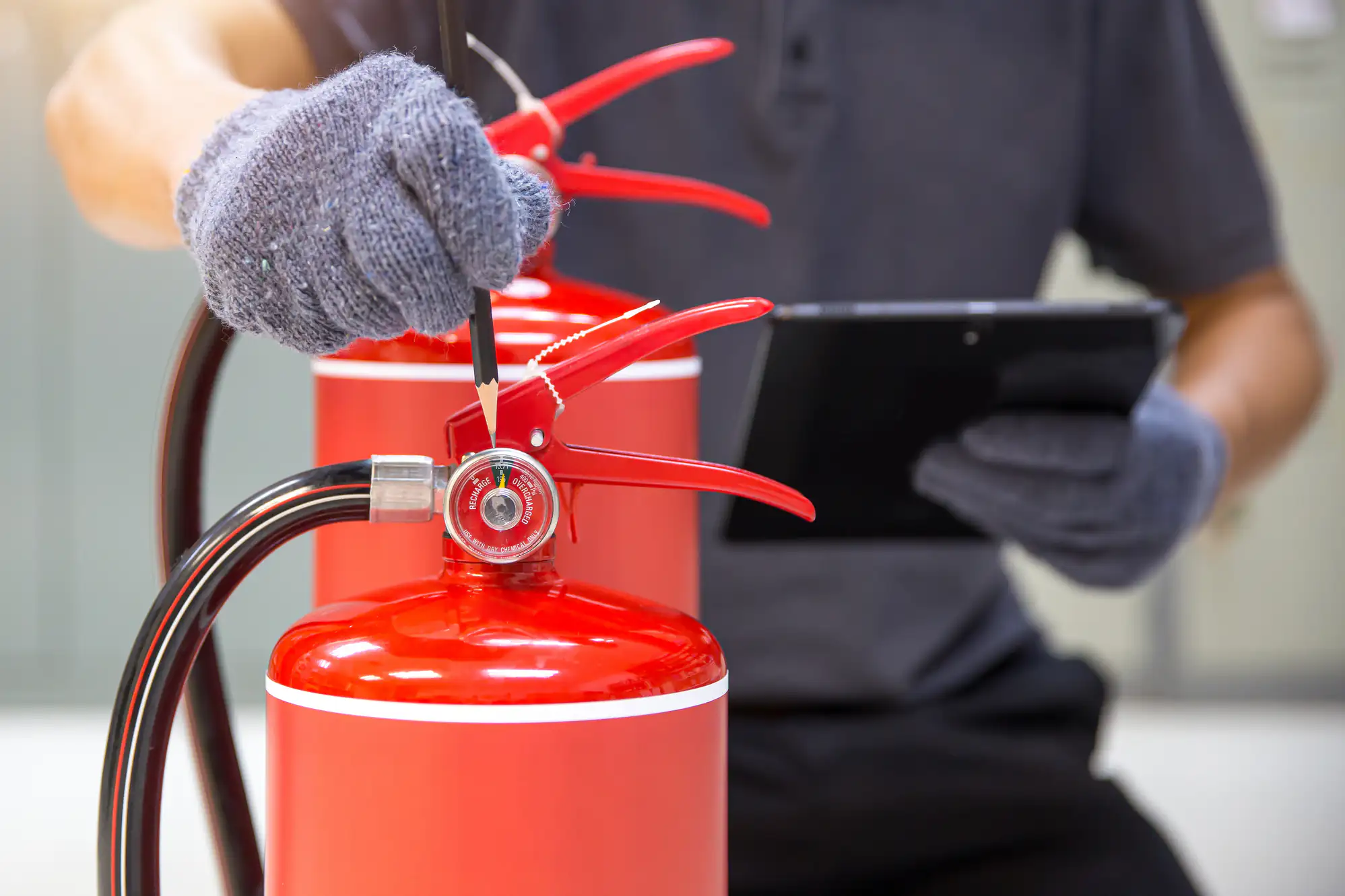
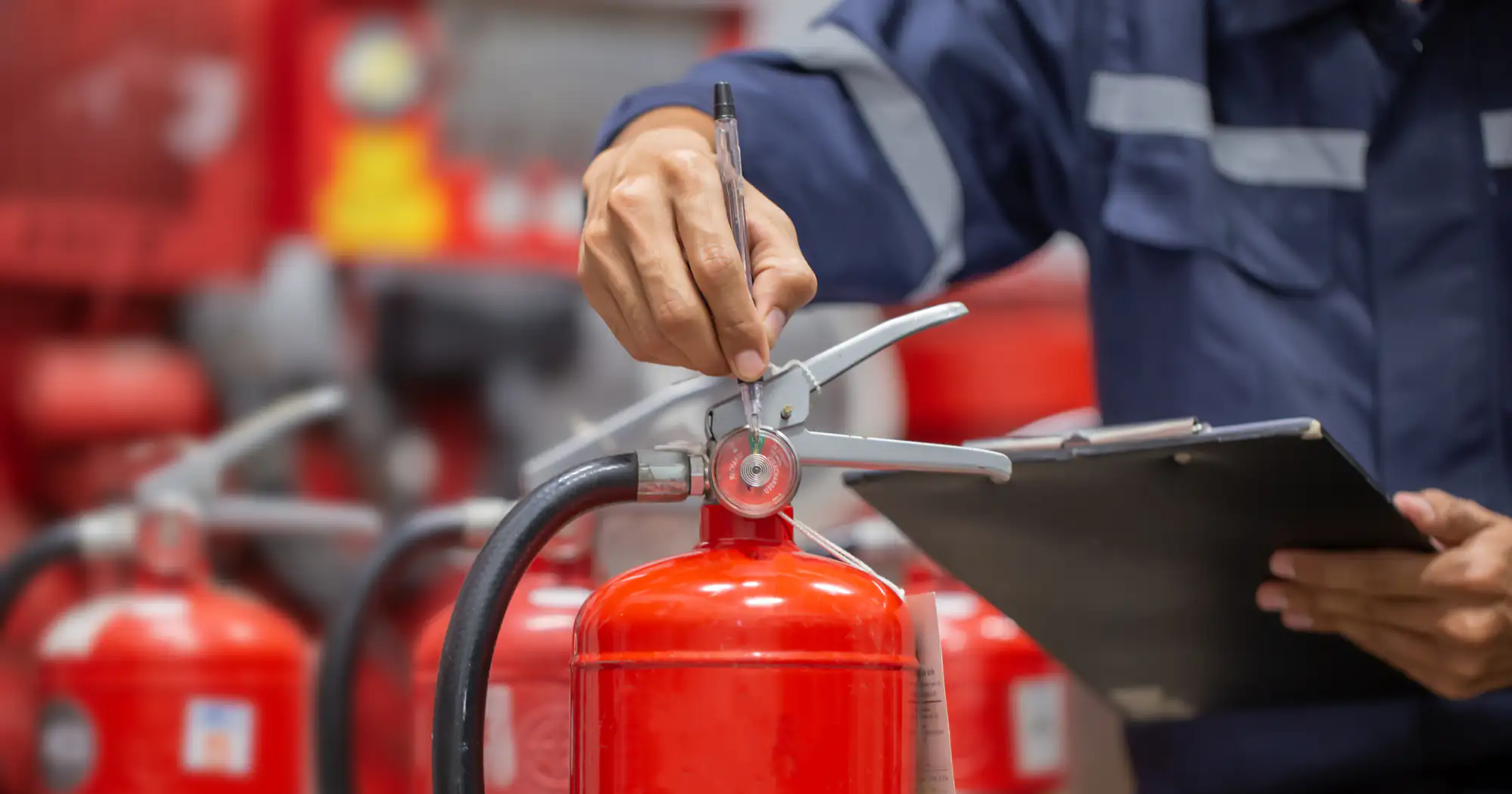
NFPA 72 requires annual inspections for all commercial fire alarm systems. That includes testing smoke detectors, pull stations, notification devices, and your connection to central station monitoring.
If you skip it, you’re not just risking a violation—you’re risking your insurance coverage. Most commercial policies require proof of annual inspection. If you file a claim and can’t show current documentation, they can deny it.
Residential systems don’t have the same inspection requirements unless specified by your insurance or HOA. But smoke alarm replacement is still recommended every 10 years, and combo smoke and co alarms should be tested monthly.
An unmonitored system makes noise when it detects smoke or fire. That’s it. If no one’s home or awake, it’s just ringing into the void.
A monitored fire alarm system sends a signal to a central station the moment it’s triggered. They immediately contact the fire department and reach out to you. That’s the difference between a five-minute response and a total loss.
For commercial properties in St. James, NY, monitoring is typically required by code. For residential, it’s not always mandatory, but it’s the smarter move if you’re away from home frequently or have a high-value property. Your insurance company will often give you a discount for having it, sometimes 15-25% off your premium.
You can install basic smoke detectors in your home without a license. But if you’re dealing with a fire detection system that’s hardwired, monitored, or required by code, you need a licensed installer in New York.
For commercial properties, there’s no gray area. Installation must be done by a licensed, certified professional. That’s because the system has to meet NFPA standards, pass inspection, and integrate with monitoring services.
Trying to DIY or hiring someone without the right credentials usually ends one of two ways: it fails inspection, or it works until it doesn’t—and then you’re dealing with a much bigger problem. Licensed installers also pull the necessary permits, which protects you if something goes wrong.
You get a violation notice and a deadline to fix it. Depending on what failed, you might have 30 days, or you might have less. If it’s a critical safety issue, they can red-tag your building until it’s corrected.
Common failures include expired inspection tags, non-functional smoke detectors, weak battery backups, or outdated equipment that no longer meets code. In Nassau and Suffolk Counties, fines start around $800 and can climb past $5,000 for repeat offenses.
We handle violation correction regularly. That means diagnosing what failed, repairing or replacing equipment, getting it reinspected, and clearing the violation before it costs you more. The faster you address it, the less it costs.
It depends on your property type and occupancy. Standalone smoke detectors might be enough for a single-family home. But if you’re running a commercial space, multi-family building, restaurant, or warehouse in St. James, NY, you likely need a full fire alarm system.
A fire alarm system includes smoke detectors, but it also has pull stations, notification devices like strobes and horns, and a control panel that communicates with monitoring services. It’s designed to alert everyone in the building and get emergency responders on the way immediately.
Even in residential settings, upgrading to a monitored system or adding combo smoke and co alarms makes sense if you want better protection. Smoke detectors alone won’t call for help if you’re not home.
It depends on your building size, system complexity, and whether you need monitoring. Small commercial properties might spend a few thousand dollars for a basic system. Larger buildings with multiple zones, BDA systems, or advanced fire detection can run significantly higher.
Residential installations for monitored systems or whole-home smoke alarm setups typically cost less, but it still varies based on how many devices you need and whether you’re upgrading existing wiring.
What matters more than the upfront cost is whether the system actually works and keeps you compliant. Cheap installations that fail inspection end up costing more in violations, reinstalls, and headaches. We price based on what your property actually needs—not what’s easiest to sell you.