Explore firsthand accounts of our exceptional service and dedication to safety through the glowing testimonials from our satisfied clients.
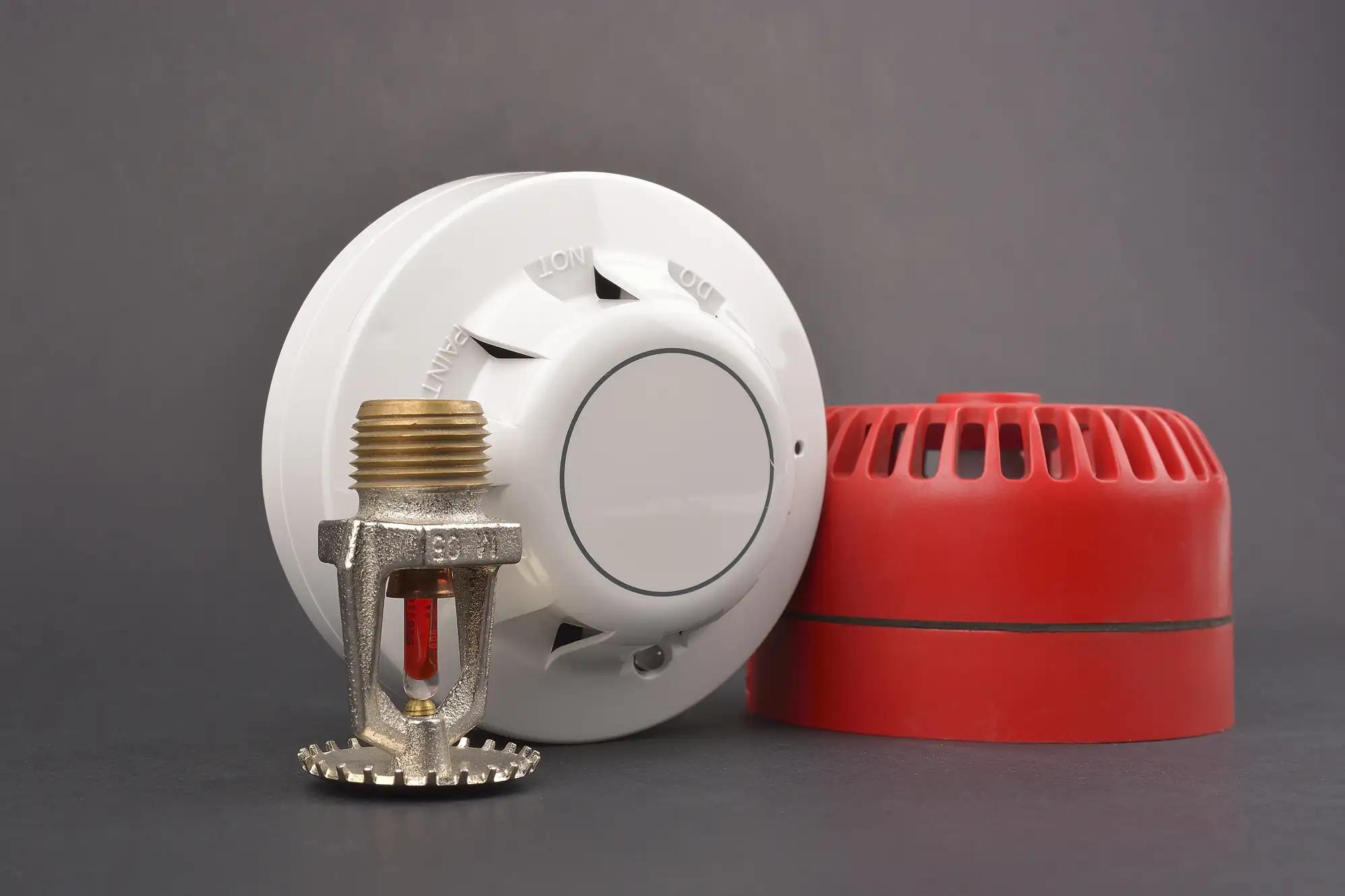
You’re not dealing with violations anymore. Your fire marshal inspection goes smoothly because we already checked what the inspector’s going to check. Your insurance premiums don’t spike because your documentation is current and complete.
Your building operates without interruption. No emergency fire watch. No scrambling to find a contractor who can fix things fast. No explaining to tenants why the alarm system’s been offline for three days.
When you work with us as fire protection consultants who understand NFPA 101 life safety code and the international fire code, you’re not reacting to problems. You’re catching pressure issues, blocked access, and expired tags during routine checks – not during official inspections when the fines start adding up. That’s the difference between paying for prevention and paying for violations that could’ve been avoided.
Island Fire & Defense Systems holds NYS License #12000325006, Suffolk County license 180, and Nassau County licenses. We’re NICET certified, MBE certified, and we’re authorized Notifier by Honeywell dealers. Those aren’t just credentials – they’re proof we can actually do the work.
We serve St. James, Smithtown, Hauppauge, and 40+ other Long Island communities because Suffolk County’s 109 volunteer fire departments mean 109 different ways to interpret the same code. What passes in one district might not fly in another. We know which fire inspector near you is going to flag what, and we prepare your property accordingly.
You’re not our first restaurant with a kitchen suppression issue. You’re not our first warehouse that failed a sprinkler inspection. We’ve corrected violations across Nassau and Suffolk Counties, and we know how to move fast when you’re under a deadline.
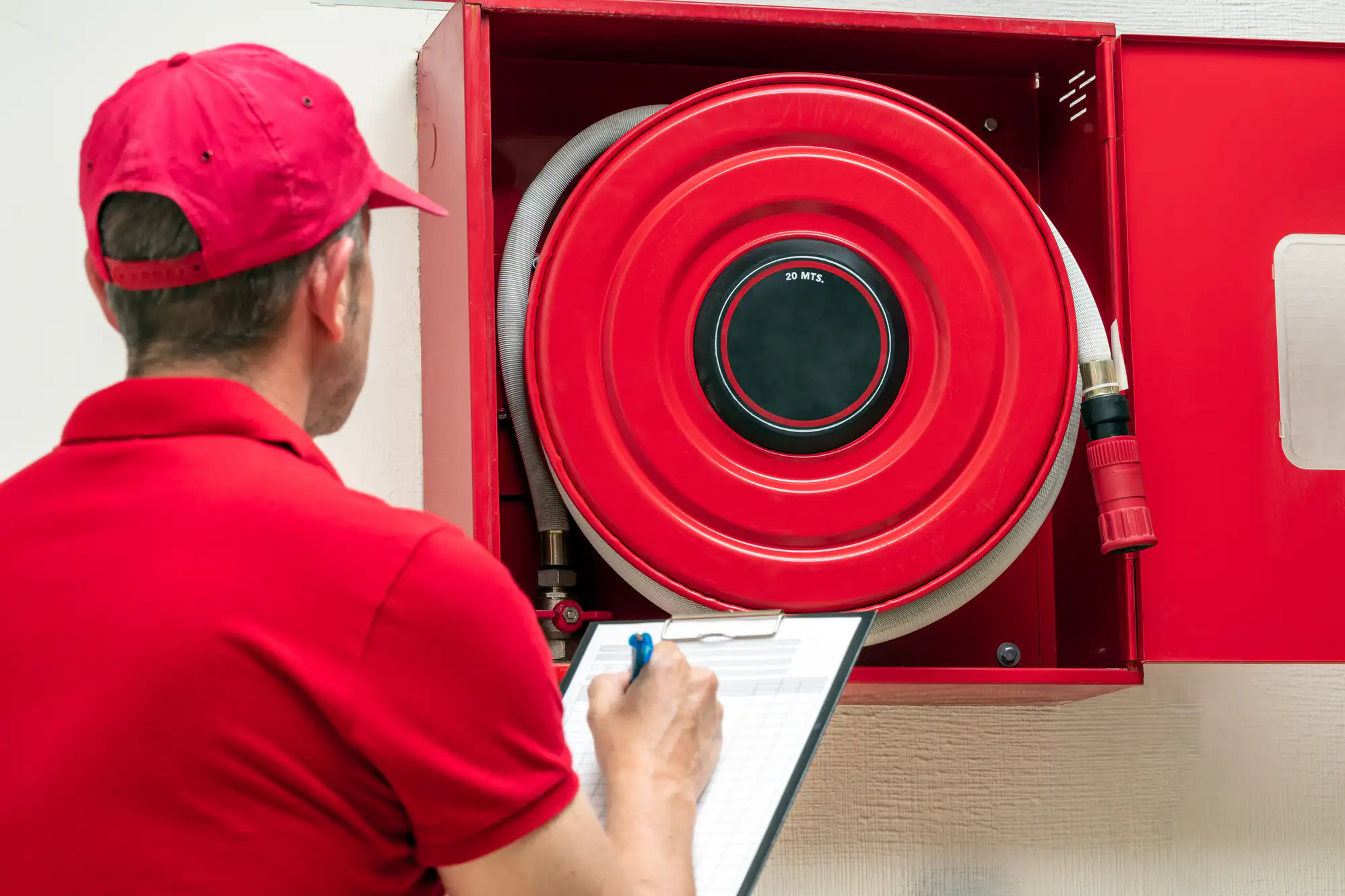
First, we assess what you have. That means walking your property, checking your current fire alarm systems, sprinklers, extinguishers, egress routes, and any fire and safety plan documentation you’re supposed to have on file. We’re looking for what’s going to fail before an official inspection happens.
Then we tell you what needs fixing. Not what might be nice to upgrade someday – what’s going to get flagged. We prioritize based on code requirements and violation risk. If your fire extinguisher tags are expired, that’s getting handled now. If your egress window code compliance is borderline, we’re addressing it before it becomes a problem.
After that, we either fix it ourselves or coordinate with the right people to get it done. We handle fire alarm drawings, system installations, monitoring, and violation corrections. If your building needs a fire watch because a system’s down, we help you get back online fast. Once everything’s compliant, we document it properly so you have records ready when the fire marshal inspection happens. And if you want ongoing support, we set up annual inspections to keep you ahead of code changes and equipment issues.
Ready to get started?
You get a full assessment of your current fire protection systems against the ICC building code and local Suffolk County requirements. That includes checking whether your fire safety plan meets current standards, whether your sprinkler system’s been tested per NFPA 25, and whether your egress routes are actually clear and compliant.
You get violation correction services if something’s already been flagged. In Suffolk County, where each fire district has local control, a violation in one area might be handled differently than in another. We know how to work with your local fire marshal and get issues resolved quickly – because the longer a violation sits, the more it costs to fix.
You also get documentation that actually holds up during inspections. A home safety check for high-value properties isn’t just walking through with a checklist. It’s creating records that prove compliance, updating your fire and safety plan to reflect any building changes, and making sure your insurance company has what they need. Across Long Island, expired tags, blocked access, pressure problems, and physical damage account for most violations. We catch those during routine consulting visits, not during official inspections when fines are already in play.
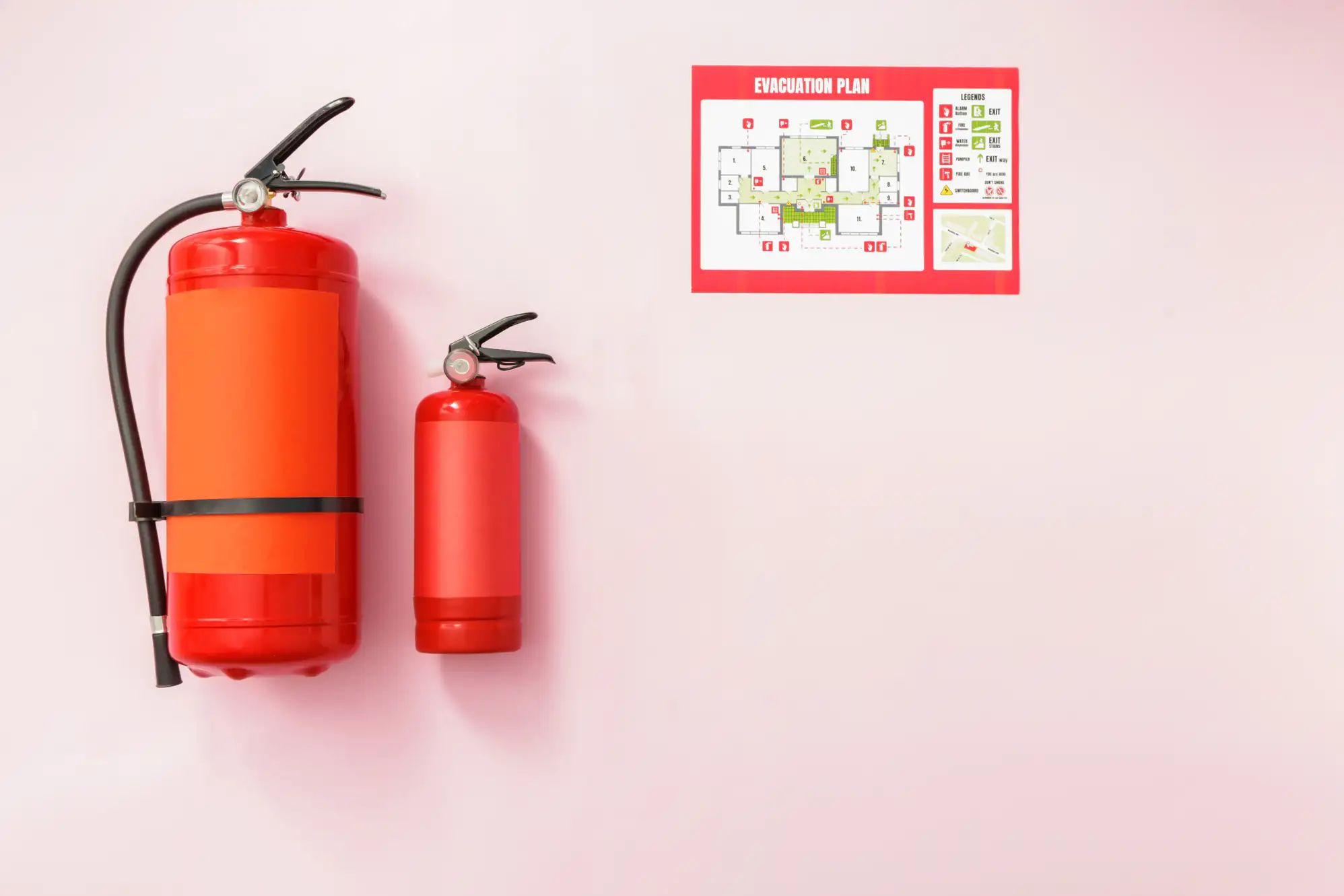
We walk your property and check everything a fire inspector would check – but before the official inspection happens. That means testing your fire alarm system, verifying your sprinklers are holding proper pressure, checking that extinguishers are tagged and accessible, and confirming your egress routes meet code.
We’re looking at your fire safety plan to make sure it’s current and reflects any changes you’ve made to the building. We check that your documentation is complete, because if you can’t prove you’ve been maintaining your systems, that’s a violation even if the equipment works fine.
The goal is to catch issues while you still have time to fix them affordably. Hiring us before an official inspection typically costs $1,250 to $5,000. Fixing violations after a fire marshal finds them costs three to five times more. We’d rather you pay us once to prevent problems than pay someone else repeatedly to fix emergencies.
It depends on your building type and what systems you have installed. Fire sprinkler systems need inspection at least once a year under NFPA 25. Fire alarm systems require monthly visual inspections plus periodic testing. Extinguishers need annual maintenance and testing.
If you’re running a commercial kitchen, your suppression system has its own schedule. If you’ve got a high-occupancy building or healthcare facility, you’re looking at more frequent checks. The size of your building and the complexity of your fire protection systems determine how often you need professional eyes on everything.
In Suffolk County, where 109 volunteer fire departments operate under local fire districts, your specific requirements might vary slightly based on where you’re located. Some districts enforce more aggressively than others. We track those differences so you’re not caught off guard when requirements shift between towns. Most of our clients in St. James and surrounding areas schedule annual consultations and let us handle the monthly checks remotely or during routine service visits.
NFPA 101 is the Life Safety Code – it focuses on protecting people during fires and other emergencies. It covers things like egress routes, exit signage, occupancy limits, and how quickly people can get out of a building safely. It’s updated every three years and used widely across New York.
The International Fire Code (IFC) is broader. It addresses fire prevention, hazardous materials, system installation and maintenance, and operational requirements for buildings. It’s what most jurisdictions use as their baseline, then they add local amendments on top.
In practice, you need to comply with both, plus any local codes your fire district has adopted. That’s where it gets complicated on Long Island – Nassau County uses a centralized Fire Commission approach, while Suffolk County’s 109 fire departments have local control. Working with us as fire protection consultants who know your area helps you navigate which codes apply to your specific property and how your local fire marshal interprets them. You don’t want to guess wrong and find out during an inspection.
Yes. We handle emergency violation removal and work to resolve issues as quickly as possible. The first step is figuring out exactly what was cited and what it’s going to take to fix it. Sometimes it’s a documentation issue – you have the right equipment, but you can’t prove it’s been maintained. Other times it’s a physical problem that needs immediate correction.
If a required fire protection system is out of service, the building either needs to be evacuated or you need an approved fire watch until it’s fixed. We help you avoid that by getting systems back online fast. We’re authorized Notifier by Honeywell dealers, so if it’s an equipment issue, we can source and install what’s needed without waiting on third-party suppliers.
Violation correction in Suffolk County can be tricky because each fire district handles enforcement a little differently. We’ve worked with fire marshals across Long Island, and we know how to communicate what’s been done to resolve the issue and get you back in compliance. The key is moving fast – the longer a violation sits, the more expensive it gets and the more likely you are to face additional penalties or operational restrictions.
If you’re operating a commercial building in New York, yes. A fire and safety plan is required under the ICC building code and enforced during fire marshal inspections. It’s not just a formality – it’s a written document that outlines evacuation procedures, system locations, emergency contacts, and staff responsibilities during a fire emergency.
Your plan needs to be specific to your building. A generic template won’t cut it if an inspector actually reads it. It should reflect your current layout, your installed fire protection systems, and any changes you’ve made since the building was constructed. If you’ve added walls, changed occupancy types, or installed new equipment, your fire safety plan needs updating.
We help you create or update fire and safety plans that meet Long Island’s requirements and actually make sense for your property. We include fire alarm drawings, sprinkler locations, egress routes, and everything else that needs to be documented. When the fire marshal shows up, you hand them a plan that’s accurate, current, and compliant – not something you printed off the internet five years ago.
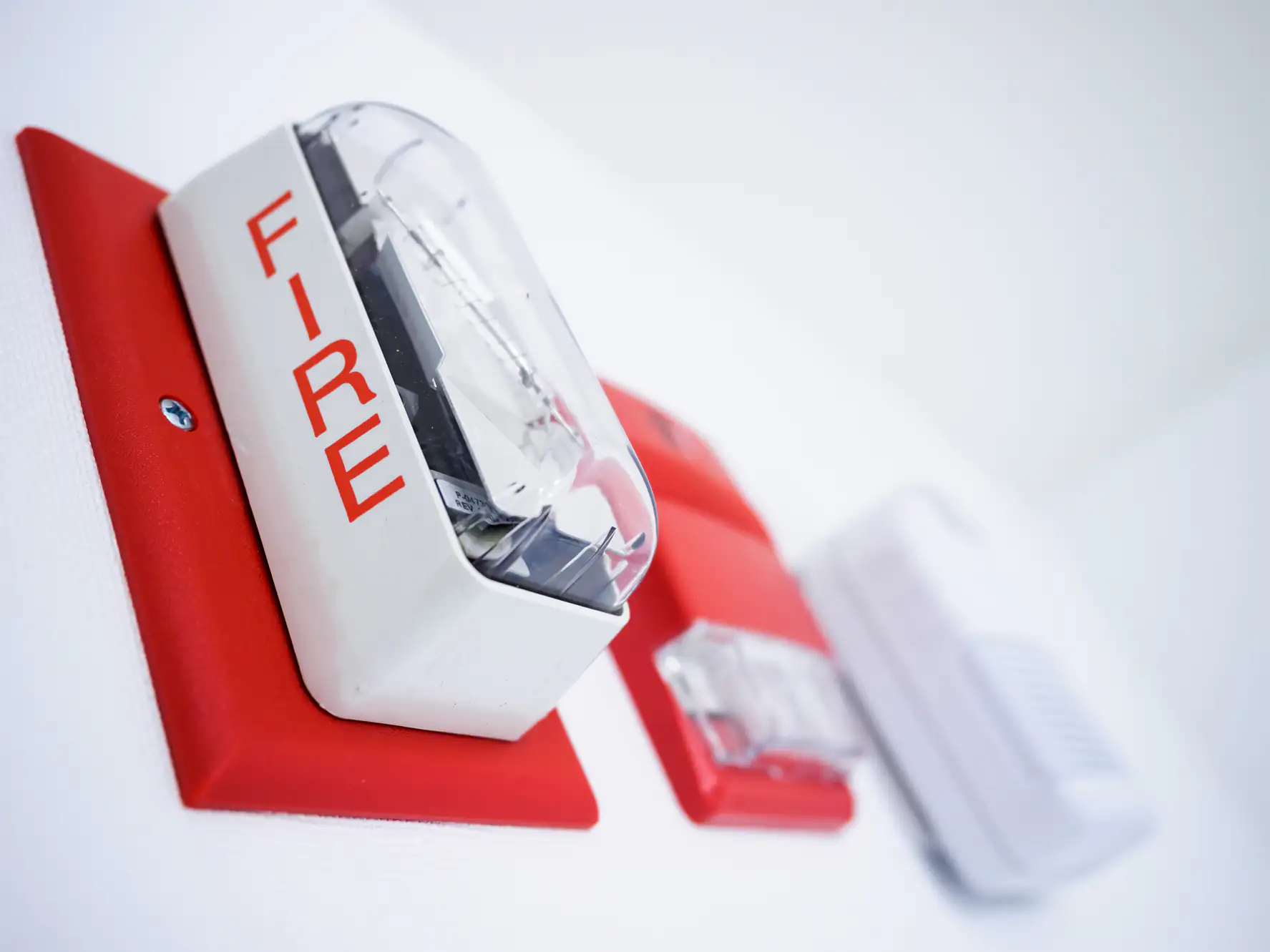
If your fire alarm system fails, you’re looking at a violation notice and a deadline to fix it. Depending on what failed, you might need repairs, recalibration, or full replacement of certain components. Common failures include devices that don’t communicate with the panel, low battery backups, or wiring issues that prevent proper signaling.
The inspector will document what’s wrong, and you’ll need to provide proof of correction before they’ll sign off. That means hiring someone to make the repairs, then scheduling a re-inspection or submitting documentation that shows the work was completed by a licensed professional. In Suffolk County, that’s where having a NICET certified technician matters – inspectors want to see credentials.
We handle fire alarm system repairs and upgrades across St. James and Long Island. If your system’s outdated or you’re dealing with repeated failures, we’ll tell you whether it makes more sense to fix what you have or upgrade to something reliable. As authorized Notifier by Honeywell dealers, we install systems that meet current code and actually work when they’re supposed to. And we document everything so you have records proving compliance when the next inspection rolls around.