
Explore firsthand accounts of our exceptional service and dedication to safety through the glowing testimonials from our satisfied clients.
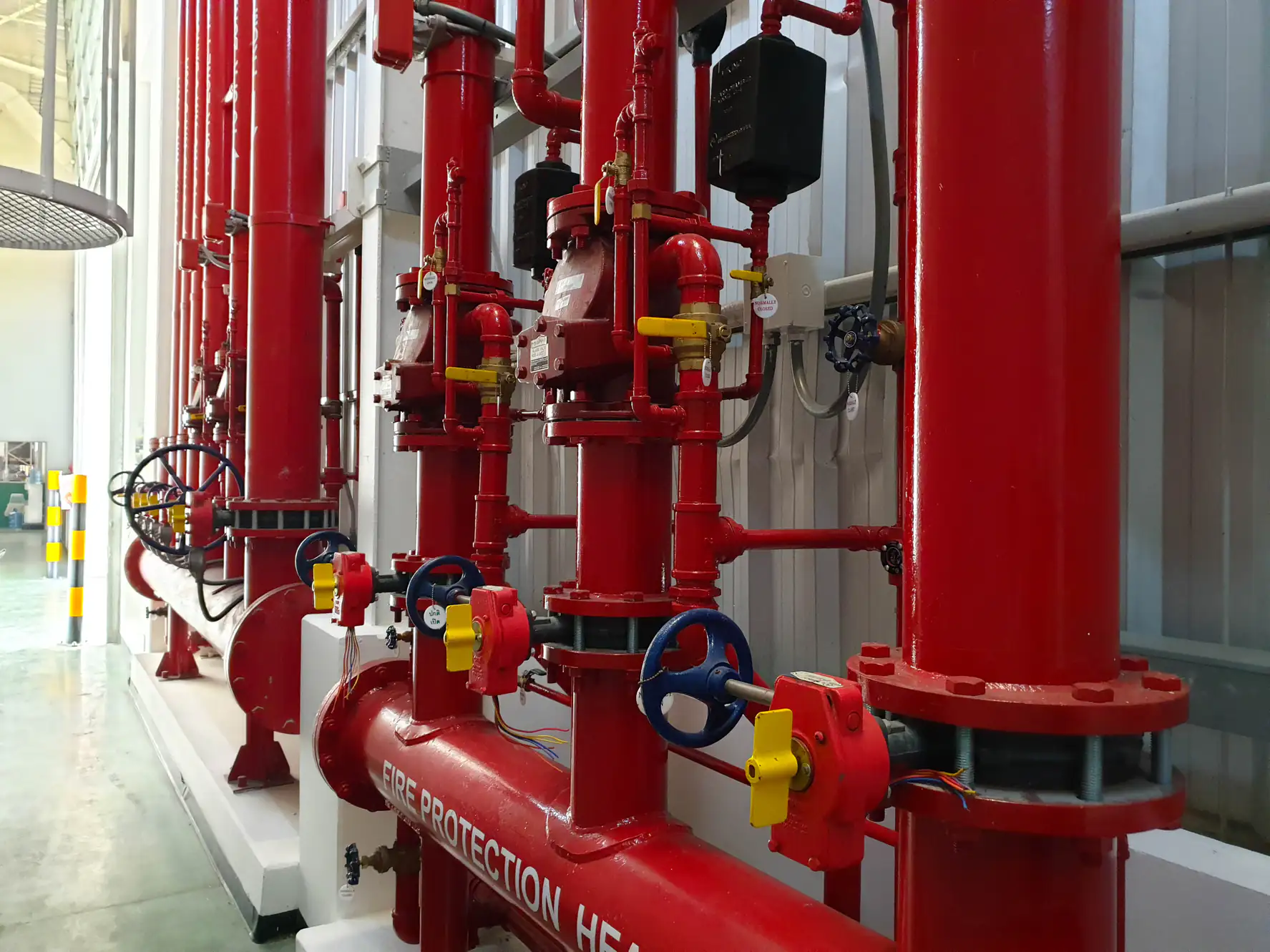
When a fire breaks out, you don’t have time to wonder if your sprinkler system will activate. You need a system that’s been installed right, inspected properly, and built to meet both NFPA 25 standards and Suffolk County’s local requirements.
That’s what separates a compliant installation from a liability. The difference shows up in your insurance premiums—typically 5% to 15% lower when you have a properly functioning fire sprinkler system. It shows up in fire marshal inspections that don’t turn into violation notices. And it shows up when a small kitchen fire gets controlled by one sprinkler head instead of turning into a total loss.
You’re not just checking a box. You’re installing a system that uses 85% less water than a fire hose, confines damage to the room of origin 97% of the time, and cuts fire-related deaths by 87%. Those aren’t marketing stats—they’re NFPA findings based on decades of real-world data.
We hold NYS License #12000325006, Suffolk County license 180, and Nassau County licenses to operate across Long Island. We’re NICET certified, MBE certified, and a Notifier by Honeywell authorized dealer.
What that means for you is straightforward: we know the building code requirements in St. James and surrounding Suffolk County towns. We know which municipalities layer on additional fire safety regulations beyond state code. And we know how to design a fire sprinkler system that passes inspection without costly redesigns or delays.
We’ve been installing commercial fire sprinkler systems, retrofitting older buildings to meet current NFPA 13 standards, and handling violation corrections for property owners who need systems brought up to code. If you’re in St. James, Smithtown, Hauppauge, or anywhere in Suffolk County, you’re working with a local team that understands the specific compliance landscape here.
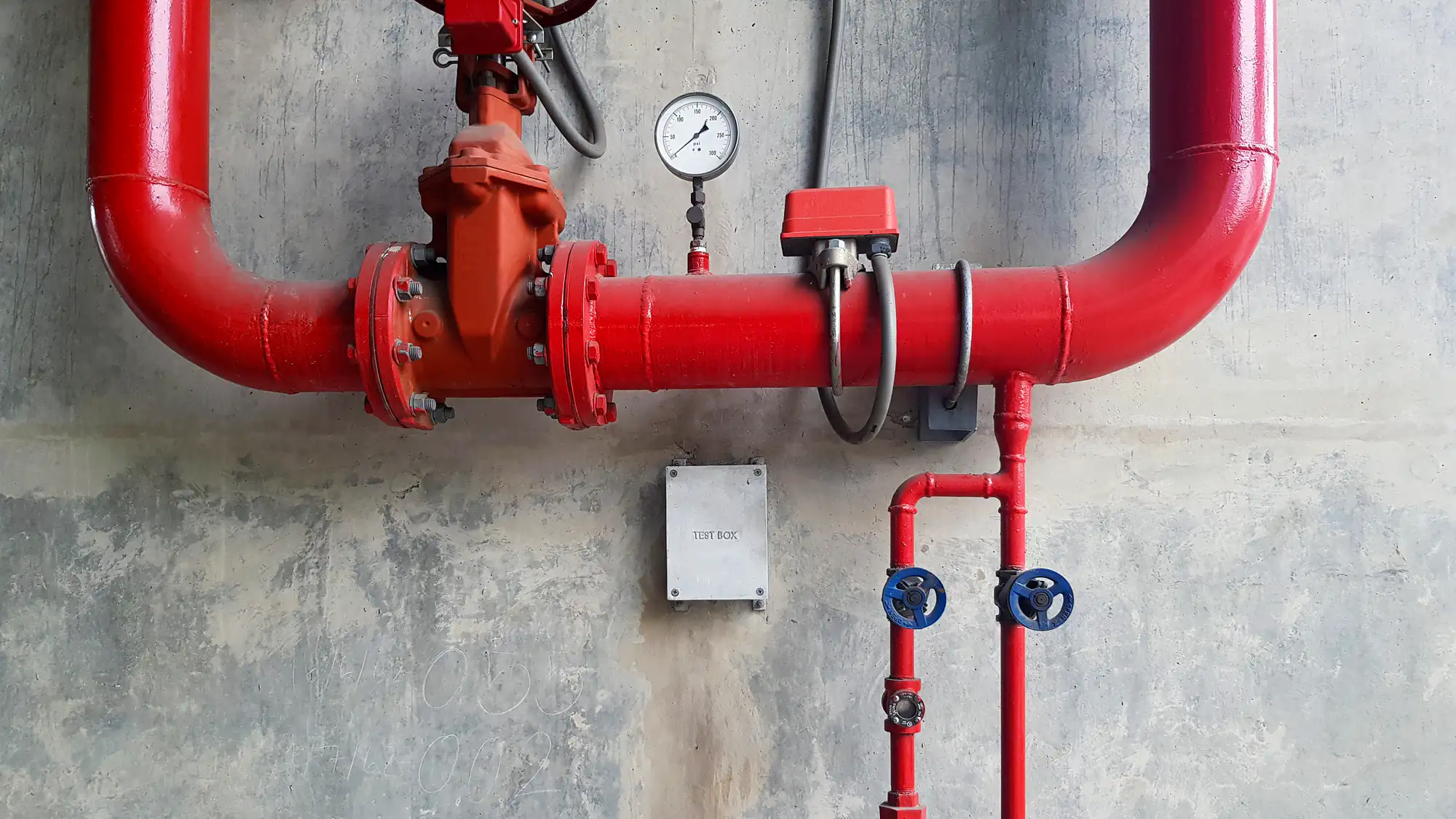
First, we assess your building. That means understanding your property type, square footage, occupancy classification, and whether you’re dealing with new construction or a retrofit. We also confirm what the local fire marshal and building department require—because Suffolk County allows individual towns to add regulations on top of state code.
Next, we design the system. This isn’t a one-size-fits-all process. A warehouse needs a different sprinkler system than a restaurant, and a high-rise office building has different requirements than a retail storefront. We select the right system type—wet pipe, dry pipe, pre-action, or deluge—based on your environment and risk factors. Choosing wrong here leads to frozen pipes, leaks, or system failure when you need it most.
Then we handle permitting, installation, and testing. Our NICET certified team installs the system according to NFPA 13 and International Building Code standards. We coordinate inspections with the local fire marshal and make sure everything is documented properly. Once the system passes inspection, we provide you with the maintenance schedule you’ll need to stay compliant under NFPA 25—which includes weekly, monthly, quarterly, annual, and five-year inspection requirements depending on the component.
Ready to get started?
A complete fire sprinkler system installation includes design and engineering, permitting and code compliance documentation, the physical installation of piping and sprinkler heads, connection to your water supply or fire pump, system testing and inspection coordination, and a full walkthrough of your maintenance obligations.
In Suffolk County, that also means navigating local municipal requirements. Some towns require additional documentation or specific system features beyond what New York State mandates. We handle that coordination so you’re not stuck between the fire marshal and your insurance company when it’s time for final approval.
You also get access to ongoing inspection services. NFPA 25 isn’t optional—it’s the standard that keeps your system legally compliant and your insurance valid. If a fire happens and your building wasn’t up to code, your insurance company can dispute the claim. That means the full cost of the damage falls on you. Regular inspections prevent that scenario, and we make sure you know exactly when each inspection is due and what it involves.
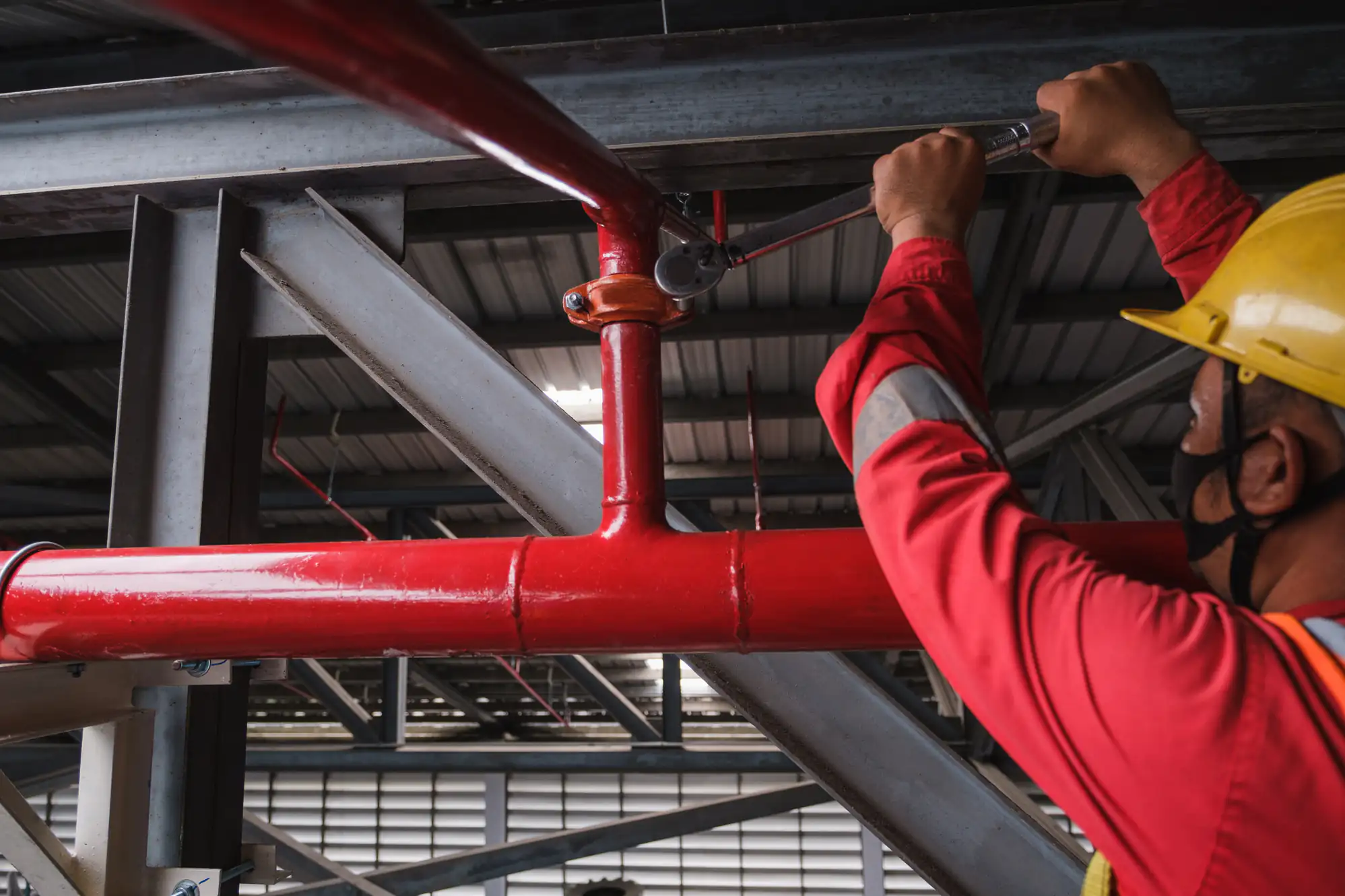
Commercial fire sprinkler system installation typically costs between $1.50 and $8.00 per square foot. The range depends on your building size, the type of system you need, and how complex the installation is.
A simple wet pipe system in a new construction warehouse costs less than retrofitting a dry pipe system into an older building with limited access. Labor costs in Long Island and NYC also run higher than national averages, so expect pricing on the upper end of that range if you’re in Suffolk or Nassau County.
But here’s what offsets that cost: insurance premium reductions. Most commercial property owners see savings between 5% and 15% annually once a compliant fire sprinkler system is installed. For a 10,000 square foot building, that can mean $500 to $2,000 in savings per year. Over a 10-year period, the system often pays for itself through insurance discounts alone—and that’s before you factor in the avoided costs of fire damage, business interruption, or code violation fines.
A wet pipe system keeps water in the pipes at all times. When a sprinkler head activates due to heat, water flows immediately. It’s the most common system type because it’s reliable, cost-effective, and requires less maintenance.
A dry pipe system keeps pressurized air or nitrogen in the pipes instead of water. When a sprinkler head opens, the air releases first, then a valve opens to let water flow. This system is used in unheated spaces—warehouses, parking garages, outdoor loading areas—where freezing temperatures could burst water-filled pipes.
Choosing the wrong system is one of the biggest mistakes property owners make, especially during a change of use. If you buy a warehouse that had a dry pipe system and convert it to heated office space, you might not need that dry pipe setup anymore. But if you install a wet pipe system in a space that drops below freezing, you’re looking at burst pipes and water damage. That’s why the initial assessment matters—we match the system type to your actual environment and use case.
It depends on your building type, occupancy classification, and local requirements. NFPA 13 generally requires fire sprinkler systems in commercial buildings over 5,000 square feet, but Suffolk County municipalities can impose stricter rules.
Some towns require sprinklers in all new commercial construction regardless of size. Others mandate them in specific occupancy types—restaurants, nightclubs, daycare centers—even if the building is small. If you’re renovating or changing the use of an existing building, you might trigger a requirement to install sprinklers even if the previous use didn’t require them.
The safest move is to confirm requirements with both the local fire marshal and building department before you assume you’re exempt. We handle that research as part of the design phase, so you’re not surprised halfway through a project. And even if sprinklers aren’t required, installing them anyway often makes financial sense when you factor in the insurance discounts and liability protection.
NFPA 25 sets the inspection schedule, and it’s more frequent than most property owners expect. Some components need weekly checks, others monthly, quarterly, annually, or every five years.
Gauges and control valves get checked weekly or monthly. Alarm devices and waterflow alarms are tested quarterly. The full system inspection—including sprinkler heads, piping, hangers, and fire pump performance—happens annually. Internal pipe inspections for corrosion happen every five years in most systems.
Here’s the part that catches people off guard: you’re responsible for scheduling these inspections. We won’t automatically show up unless you have a maintenance contract in place. Miss an inspection, and you’re out of compliance. If a fire happens while you’re out of compliance, your insurance company has grounds to deny the claim. That’s why most property owners either sign a maintenance agreement or set up their own calendar reminders tied to NFPA 25 requirements.
No. That’s a common misconception, and the data proves otherwise. A fire sprinkler system uses about 10 to 25 gallons of water per minute. A fire hose used by firefighters flows 150 to 250 gallons per minute—roughly six times more water.
Most fires are controlled by one or two sprinkler heads activating, not the entire system. Only the heads exposed to enough heat will open. So if a fire starts in one corner of your warehouse, only the sprinkler heads directly above that area activate. The rest stay closed.
Compare that to waiting for the fire department. By the time they arrive, the fire has spread. They’re using multiple hoses, breaking through walls and ceilings, and flooding the building to knock down flames. NFPA research shows that sprinklers confine fire damage to the room of origin 97% of the time. Without sprinklers, that number drops to 74%. You’re looking at significantly less water damage, less smoke damage, and a much higher chance of reopening your business quickly after an incident.
You can absolutely retrofit a fire sprinkler system into an existing building. It’s more complex than new construction because you’re working around finished spaces, but it’s done regularly across Long Island—especially as older buildings get updated to meet current fire codes.
Retrofitting has become a priority in urban areas where older commercial buildings don’t meet modern NFPA 13 standards. If you’re doing a major renovation, changing the building’s use, or responding to a fire marshal violation, installing sprinklers might be required. Even if it’s not required, many property owners choose to retrofit because of the insurance savings and liability protection.
The installation process involves running new piping through walls, ceilings, and floors. In some cases, we can use existing chases or drop ceilings to minimize the disruption. In others, we need to open walls and patch them after installation. Either way, the goal is the same: get you a code-compliant system that protects your property and keeps your insurance company happy. We coordinate the work to minimize downtime and handle all the permitting and inspections required in St. James and throughout Suffolk County.
Other Services we provide in St. James