Explore firsthand accounts of our exceptional service and dedication to safety through the glowing testimonials from our satisfied clients.
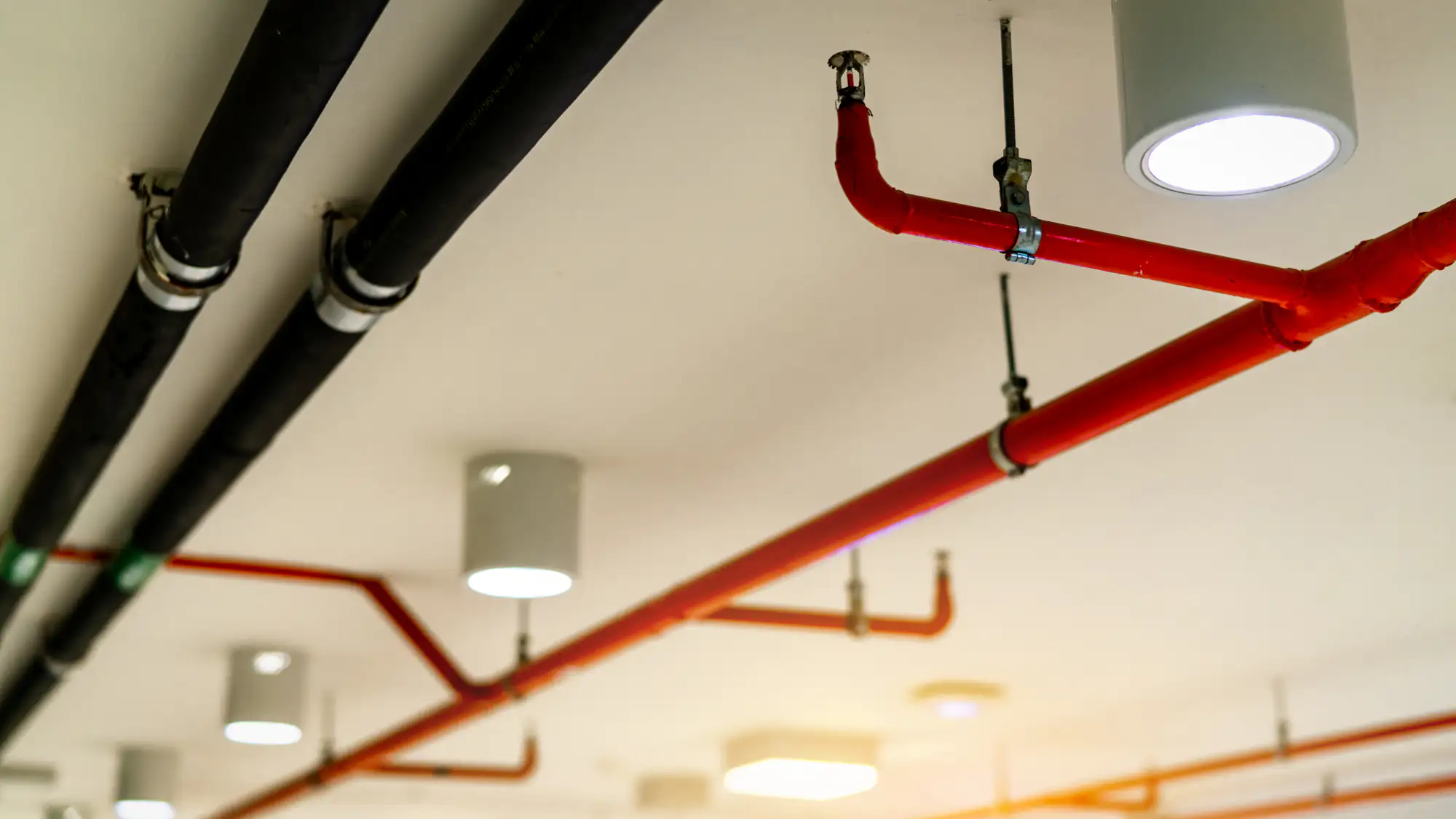
You’re running a business in Brightwaters, not studying fire codes. But when the inspector shows up, your fire sprinkler system better be compliant or you’re looking at fines that start at $1,000 per violation.
That’s where this gets expensive fast. A missed NFPA 25 inspection means more than a citation. It means your insurance company can deny your claim if something happens. It means the fire marshal can shut you down until you fix it.
You need fire protection services that actually keep you ahead of the requirements. Not scrambling when you get the notice. Not calling around trying to find someone who can fix violations before your deadline. You need systems installed right, inspected on schedule, and documented properly so you never have to think about it until the annual reminder hits your inbox.
We hold NYS License #12000325006, Suffolk County License 180, and Nassau County licenses because this work requires it. You’re working with NICET certified professionals who install fire alarm systems and fire sprinkler systems across Long Island every week.
Brightwaters sits in Suffolk County, where you’ve got 109 different volunteer fire departments and each district has its own requirements on top of state codes. That’s not something you figure out from a manual. You learn it by doing hundreds of installations and inspections across Bay Shore, Islip, and the rest of the South Shore.
We’re authorized Notifier by Honeywell dealers and members of the New York Fire Alarm Association. That means you get access to the equipment that actually works and the expertise to install it according to the international building code and local amendments.
First, we assess your building and what you actually need. A restaurant in Brightwaters needs kitchen fire suppression that meets Title 24 requirements. A warehouse needs a completely different fire sprinkler system setup. We’re not selling you the same package we sold the last guy.
Then we design the system and pull the permits. You don’t chase down approvals from the building department or fire marshal. We handle the paperwork because we know exactly what Suffolk County requires and we’ve done it enough times that it moves quickly.
Installation happens on your timeline. We coordinate around your business hours because shutting down for three days isn’t realistic for most operations. Our crews show up when they say they will, install everything to code, and test it before we leave.
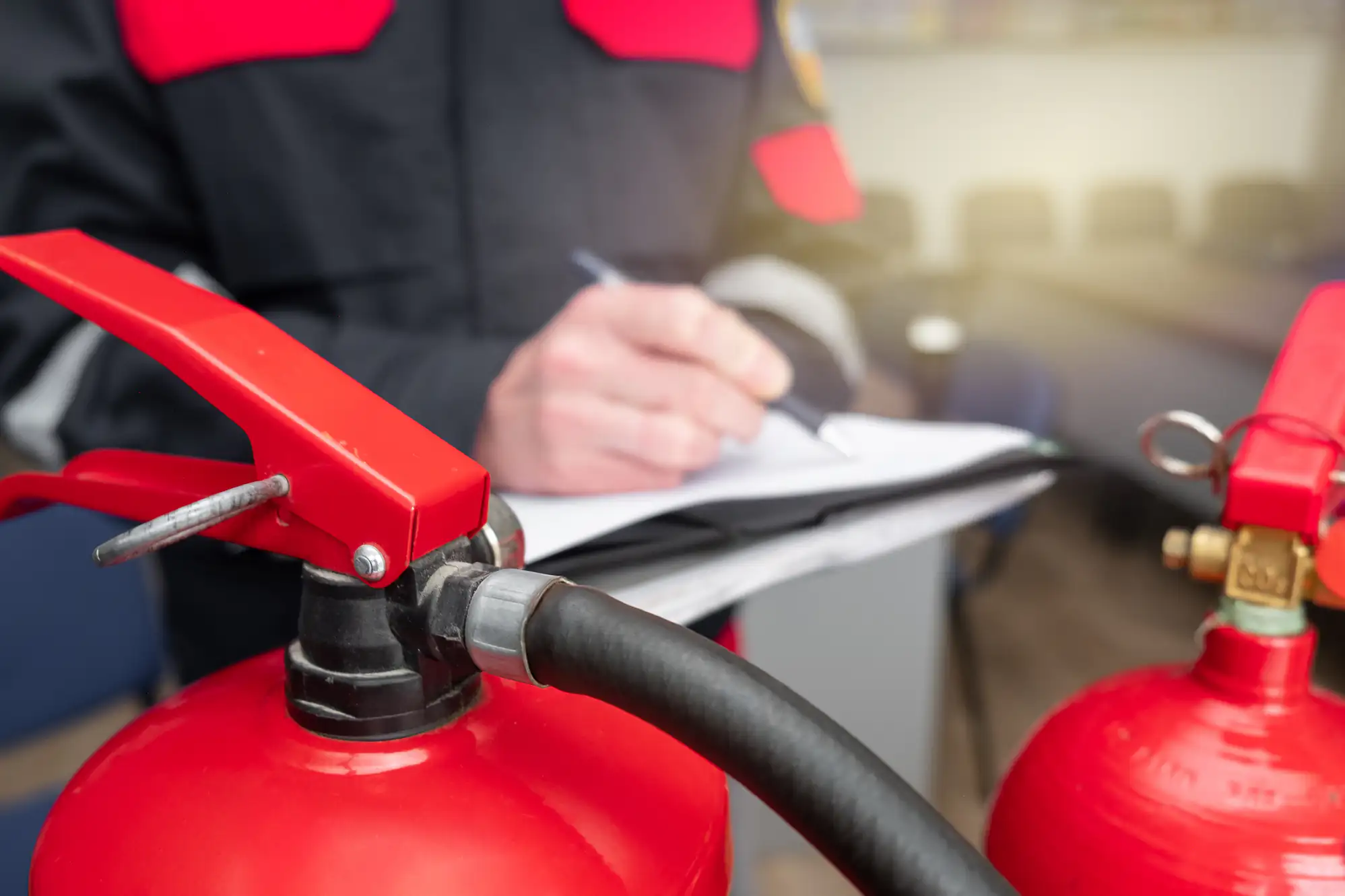
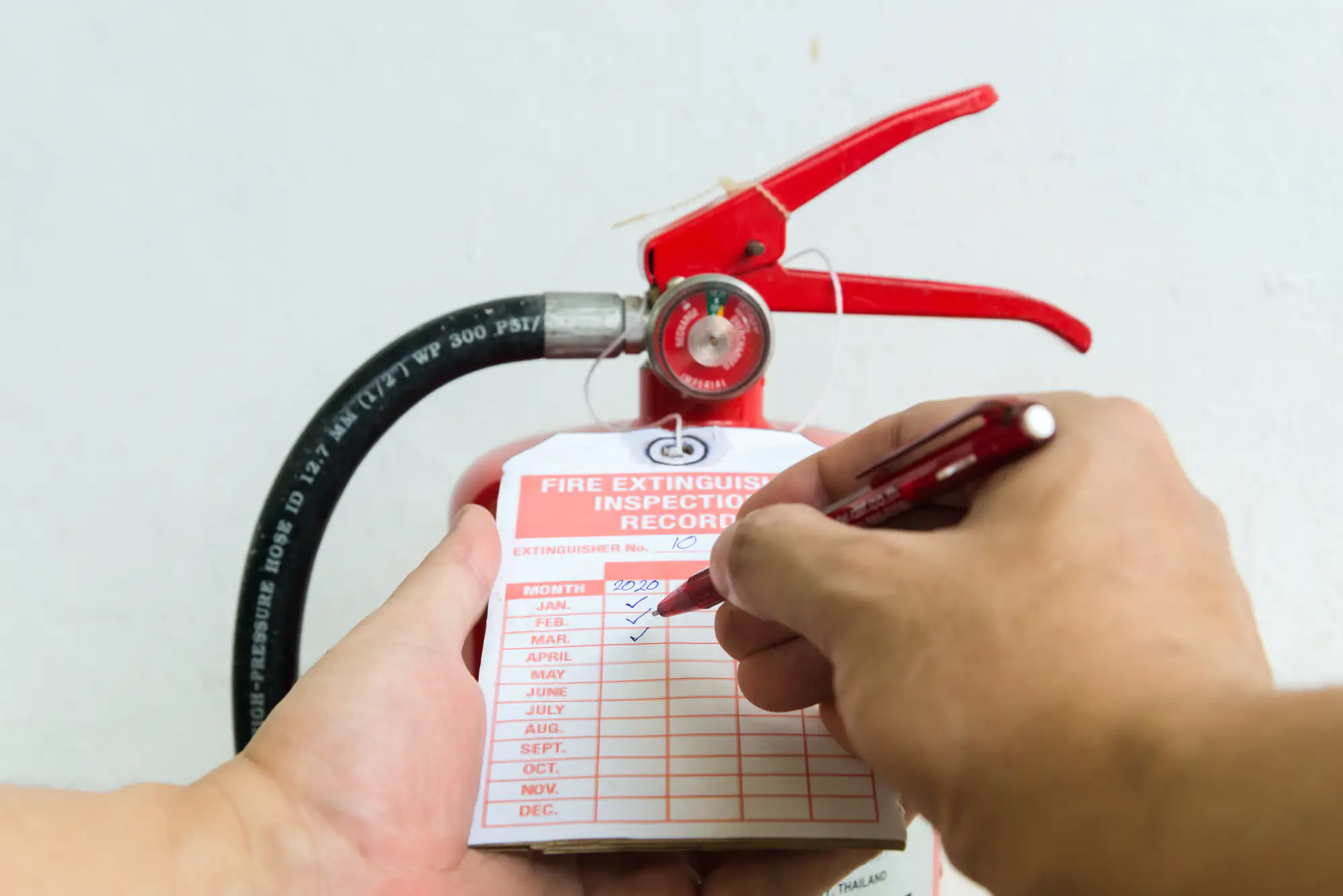
After that, you’re on a maintenance schedule. NFPA 25 requires annual inspections for most fire sprinkler systems, plus quarterly and monthly checks depending on your setup. We send reminders, show up on schedule, document everything in your fire log book, and submit reports to your insurance company if they need them.
Ready to get started?
You get fire alarm systems designed and installed to current building code requirements. That includes smoke detectors, pull stations, notification devices, and 24/7 central station monitoring so emergency services get notified the second something triggers.
Your fire sprinkler system gets installed with proper backflow prevention, fire pump testing, and all the control valves inspected and tagged. If you’ve got an existing system that’s throwing violations, we handle the correction work and get you back in compliance.
Commercial kitchens get specialized suppression systems because grease fires don’t respond to water. You need the right fire extinguishers in the right locations, inspected annually, and tagged properly.
Brightwaters businesses also deal with unique challenges from being this close to the water. Salt air corrodes components faster than inland locations. We account for that during installation and flag it during inspections before it becomes a failure point. You’re not getting a generic approach copied from a building in Central Islip. You’re getting fire protection services designed for your specific property and location.
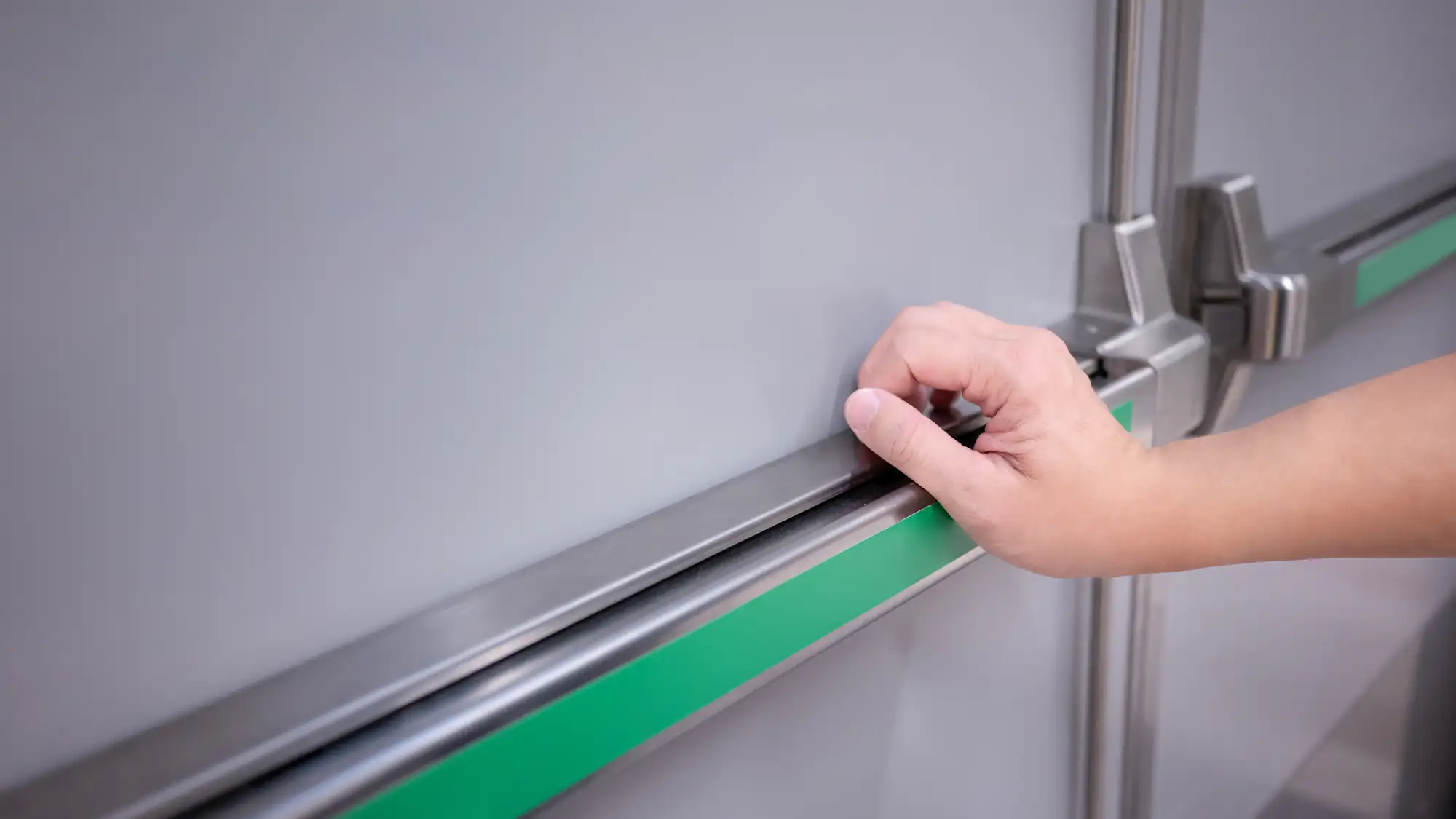
NFPA 25 requires annual inspections for most fire sprinkler systems, but that’s just the baseline. You’ve also got quarterly checks on your fire pump if you have one, monthly valve inspections, and weekly checks on some components depending on your system type.
Suffolk County enforces these requirements strictly. The fire marshal doesn’t care when your system was installed. Current code applies to existing buildings, which means no grandfathering. If the 2022 fire code added a requirement, your 2015 system needs to meet it.
Most Brightwaters businesses put themselves on our maintenance schedule and forget about it. We track what’s due, show up on schedule, complete the inspections, and update your documentation. You get a reminder before we come and a report after we’re done. That’s how you avoid the surprise violation that costs you a thousand dollars and a week of stress trying to fix it before the deadline.
You get a violation notice with a deadline to correct it. Depending on the severity, that deadline might be 30 days or it might be immediate. The fines start at $1,000 per violation and go up from there if you don’t fix it.
Worse than the fine is what happens with your insurance. If you have a fire and your system wasn’t compliant at the time, your insurance company can refuse to pay the claim. That’s in the fine print of your policy. They require you to maintain working fire protection systems and stay current on inspections.
We handle violation corrections for businesses across Long Island every month. Most violations come from missed inspections, broken components that weren’t caught early, or documentation gaps in your fire log book. The inspector checks that log first. If it’s not current, you’re already starting behind. We fix the actual problem, update your documentation, submit the correction paperwork, and get you back in compliance before your deadline.
Building code requires it for most commercial properties. Your fire alarm system needs to notify emergency services automatically because you can’t guarantee someone will be there to call 911 when it goes off at 2 AM.
Central station monitoring means our system receives the signal the instant your alarm triggers. We verify it’s not a false alarm and dispatch the fire department to your Brightwaters location immediately. Response time matters. A fire doubles in size every minute during the growth phase.
The monitoring also catches system failures before they become problems. If a detector goes offline or your backup battery dies, we get an alert and contact you to schedule a repair. You’re not finding out your system is down when the inspector shows up or worse, when you actually need it. The monitoring costs less than most business owners spend on coffee each month, and it’s required anyway, so there’s no real decision to make here.
It depends entirely on your building size, what you’re using it for, and what you already have installed. A 3,000 square foot retail space needs different coverage than a 20,000 square foot warehouse with high-pile storage.
New fire sprinkler system installation might run $2 to $10 per square foot depending on complexity. Fire alarm systems vary based on how many devices you need and whether you’re running new wiring or using wireless technology. Annual inspections typically cost a few hundred dollars for basic systems and go up from there.
Here’s what matters more than the upfront cost: a properly installed system costs less to maintain, fails less often, and keeps you compliant without emergency repair bills. We’ve seen businesses spend $5,000 fixing a cheap installation that wasn’t done right the first time. You’re better off paying for NICET certified professionals who install it correctly and put you on a maintenance schedule that prevents expensive surprises. Get a quote based on your actual building and requirements instead of trying to budget from averages.
Yes, we handle violation corrections regularly. Another company installed the system, the inspector found problems, and now you need someone who can actually fix it before your deadline.
Common violations we correct include improper sprinkler head spacing, missing backflow preventers, fire pumps that weren’t tested on schedule, alarm systems with dead zones, and fire extinguishers that aren’t rated for the hazards in your building. Most of these happen because the original installer didn’t know Suffolk County’s specific requirements or cut corners to save money.
We assess what’s actually wrong, not just what the violation notice says. Sometimes the citation points to a symptom but misses the underlying problem. We fix both, document the corrections properly, and submit everything to the fire marshal. You’re not paying twice for the same repair because we didn’t understand the requirement. Brightwaters businesses shouldn’t have to become fire code experts. You should be able to hire someone who already is.
Fire sprinkler systems use water to control fires in most commercial buildings. They’re designed to contain the fire until the fire department arrives. Each sprinkler head activates individually when it reaches a specific temperature, so you’re not flooding your entire building because one head went off.
Fire suppression systems use chemicals, foam, or gas instead of water. You see these in commercial kitchens where grease fires can’t be extinguished with water, in server rooms where water would destroy expensive equipment, and in industrial facilities with specific hazards. Kitchen suppression systems are required by code for any commercial cooking operation.
Your building might need both. A restaurant in Brightwaters needs sprinklers throughout the dining area and building, plus a specialized suppression system over the cooking equipment. We design systems that meet building code requirements for your specific use. You’re not guessing what you need or hoping the inspector agrees with your interpretation. You get a system designed by professionals who install these every week and know exactly what Suffolk County requires.
Other Services we provide in Brightwaters