
Explore firsthand accounts of our exceptional service and dedication to safety through the glowing testimonials from our satisfied clients.
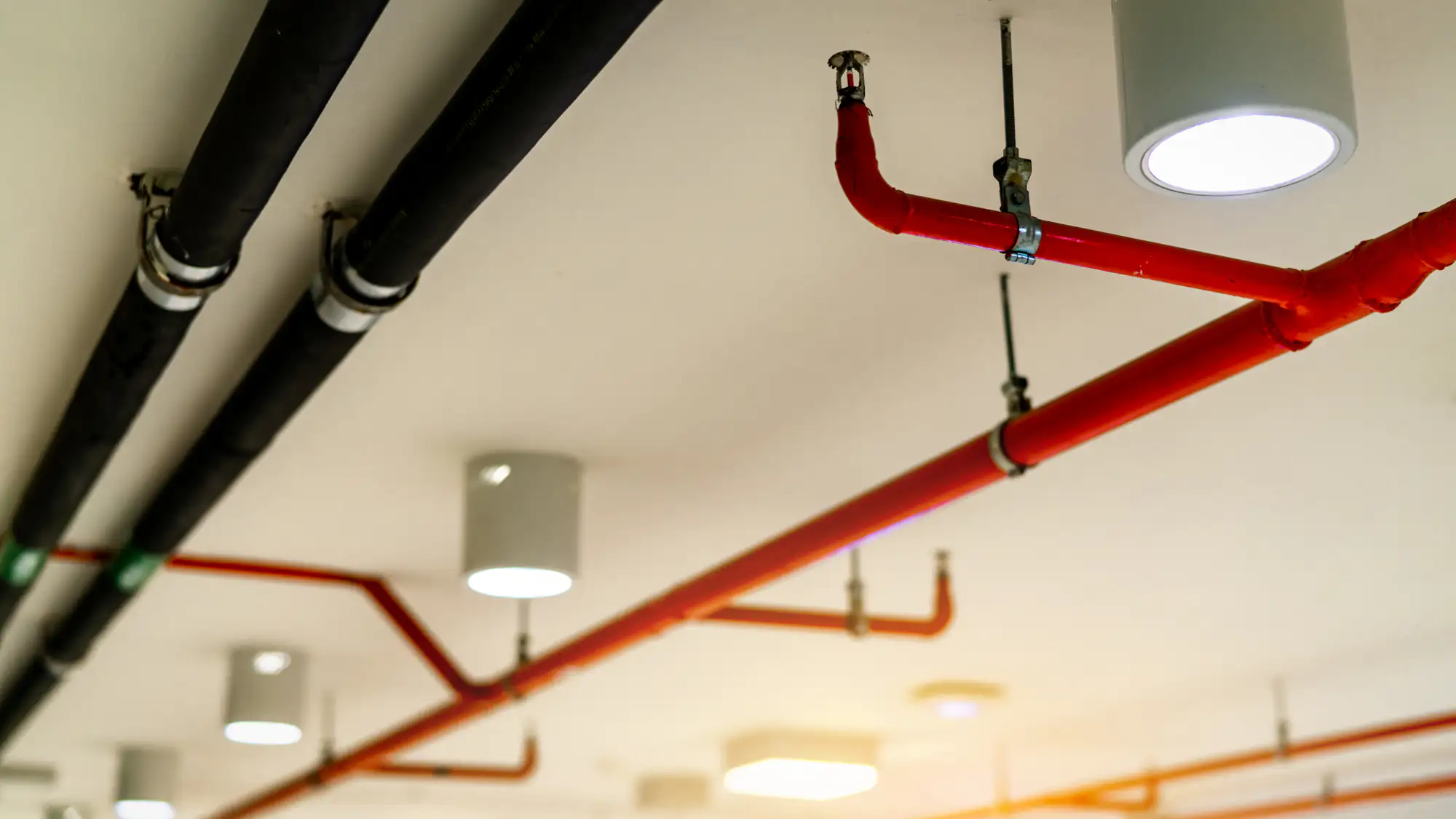
You’re not dealing with another inspection failure. Your fire sprinkler system works when it needs to. Your building code compliance is documented and current.
That’s what happens when your fire protection services are handled by people who actually know NFPA 25 requirements. Not just the basics—the quarterly testing schedules, the annual inspections, the backflow preventer checks that most property managers forget about until they’re facing a violation.
St. James properties deal with the same fire code enforcement that hits the rest of Suffolk County. The difference is whether you’re scrambling to fix violations after the fact or staying ahead of them with a system that’s maintained correctly from the start. When your fire alarm systems are monitored 24/7 and your sprinkler inspections are scheduled before they’re overdue, you’re not the one getting the citation.
We hold NYS License #12000325006, Suffolk County license 180, and Nassau County certifications. We’re NICET certified, MBE certified, and we’re authorized Notifier by Honeywell dealers.
That’s not just paperwork. It means we install BDA systems that actually meet fire code requirements. It means our technicians know the International Building Code and Title 24 compliance standards that apply to commercial properties across St. James and the surrounding Long Island communities.
We’ve worked with facility managers in Smithtown, property owners in Lake Grove, and commercial operations throughout Central Islip and Hauppauge. The local fire departments know our work because we’re the ones they don’t have to call back for corrections.
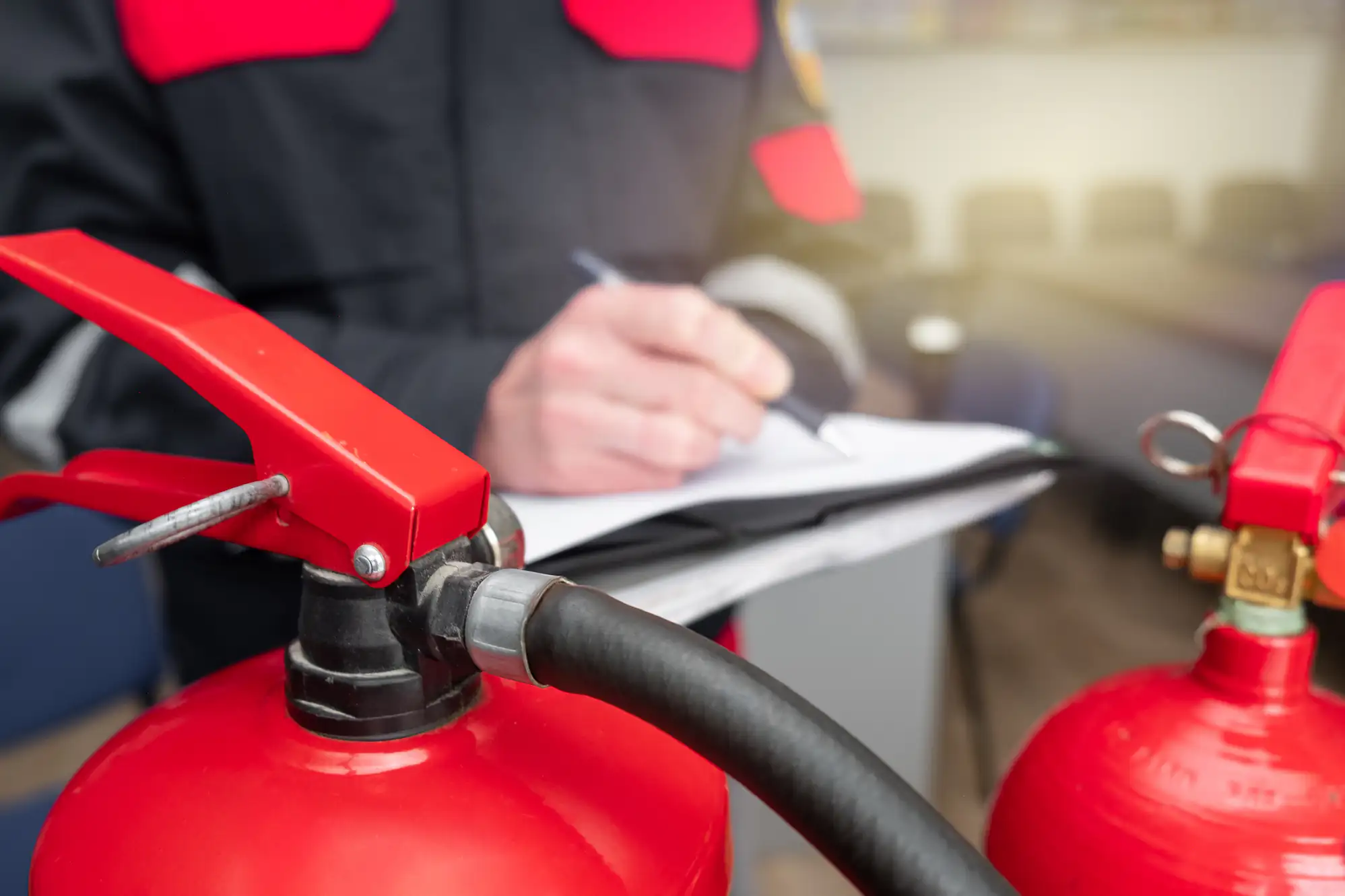
First, we assess your property. Not a sales pitch—an actual evaluation of what your building needs based on occupancy type, square footage, and current code requirements. If you’ve got an existing fire sprinkler system that’s outdated or failing inspections, we identify what needs upgrading.
Then we design the system. Fire alarm drawings that meet local fire marshal requirements. Kitchen fire suppression systems for restaurants in Patchogue and Ronkonkoma. Emergency lighting that actually illuminates exit paths. BDA system installation for buildings where radio communication is required for first responders.
Installation happens with FCC-certified technicians who know how to integrate these systems without disrupting your operations. We’re not learning on your property. After installation, you get the documentation you need for inspections—test reports, compliance certificates, maintenance schedules.
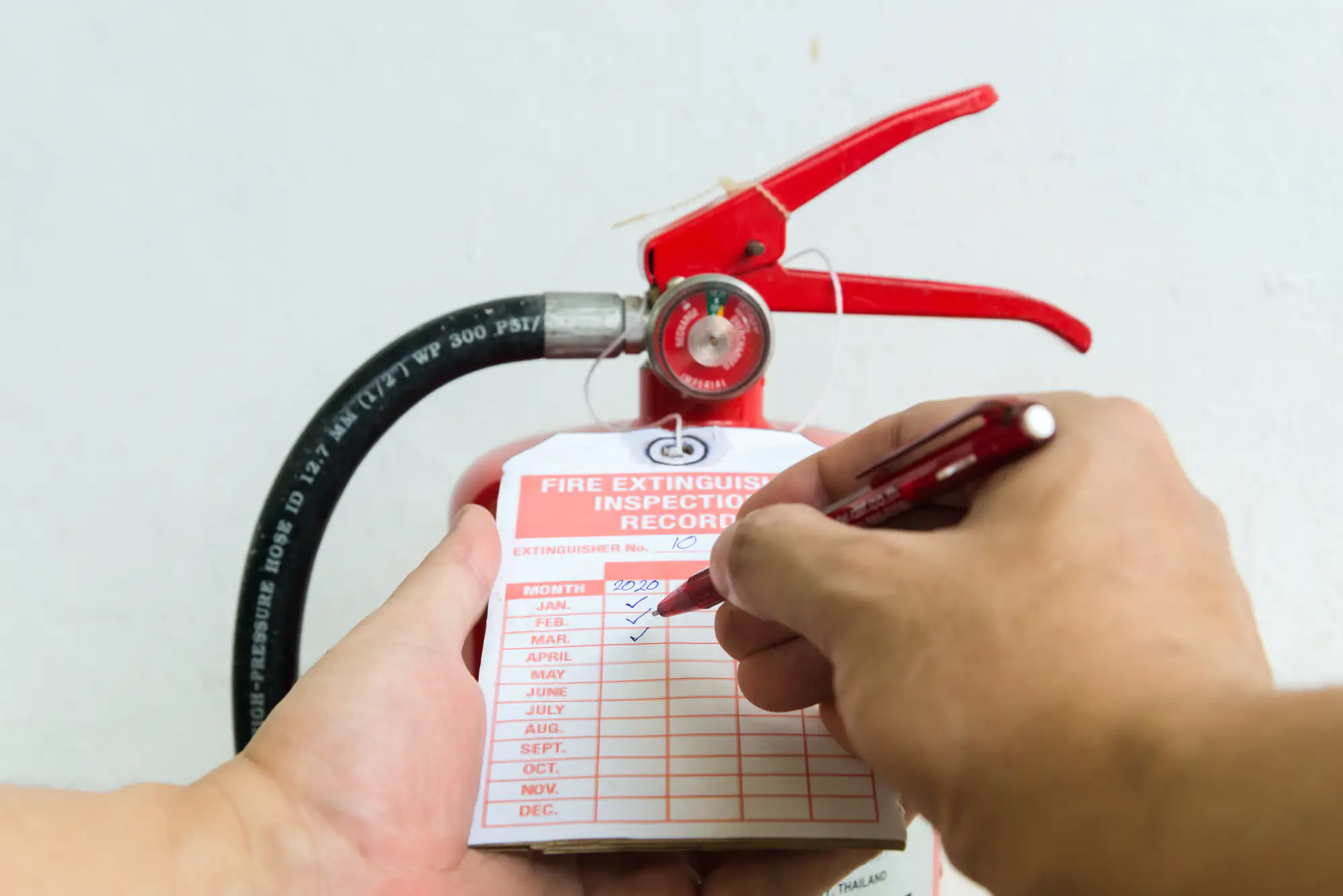
Ongoing maintenance keeps you compliant. Monthly fire extinguisher checks. Quarterly fire pump testing. Annual sprinkler system inspections per NFPA 25. We handle the calendar so you’re not tracking due dates across multiple systems.
Ready to get started?
You get fire sprinkler system installation and repair. That includes wet systems, dry systems, and pre-action systems depending on what your building requires. We handle the backflow testing that’s required annually and the valve inspections that most contractors skip.
Fire alarm systems come with 24/7 monitoring. Real-time alerts when something triggers. Remote management so you’re not physically checking panels. We install Notifier by Honeywell equipment because it’s reliable and serviceable long-term.
For commercial kitchens, you get Ansul system installation and the required semi-annual inspections. For buildings with communication dead zones, BDA systems that boost emergency responder radio signals throughout the structure.
St. James properties—especially older buildings in the historic district—often need violation correction services. We’ve cleared buildings that were cited for blocked Fire Department Connections, outdated sprinkler heads, and non-compliant emergency lighting. The work gets done right so the violation actually gets dismissed.
Fire extinguisher service covers inspection, recharging, and replacement. We track hydrostatic test dates so you’re not using expired equipment. Security system integration ties everything into one monitored platform if that’s what your facility needs.
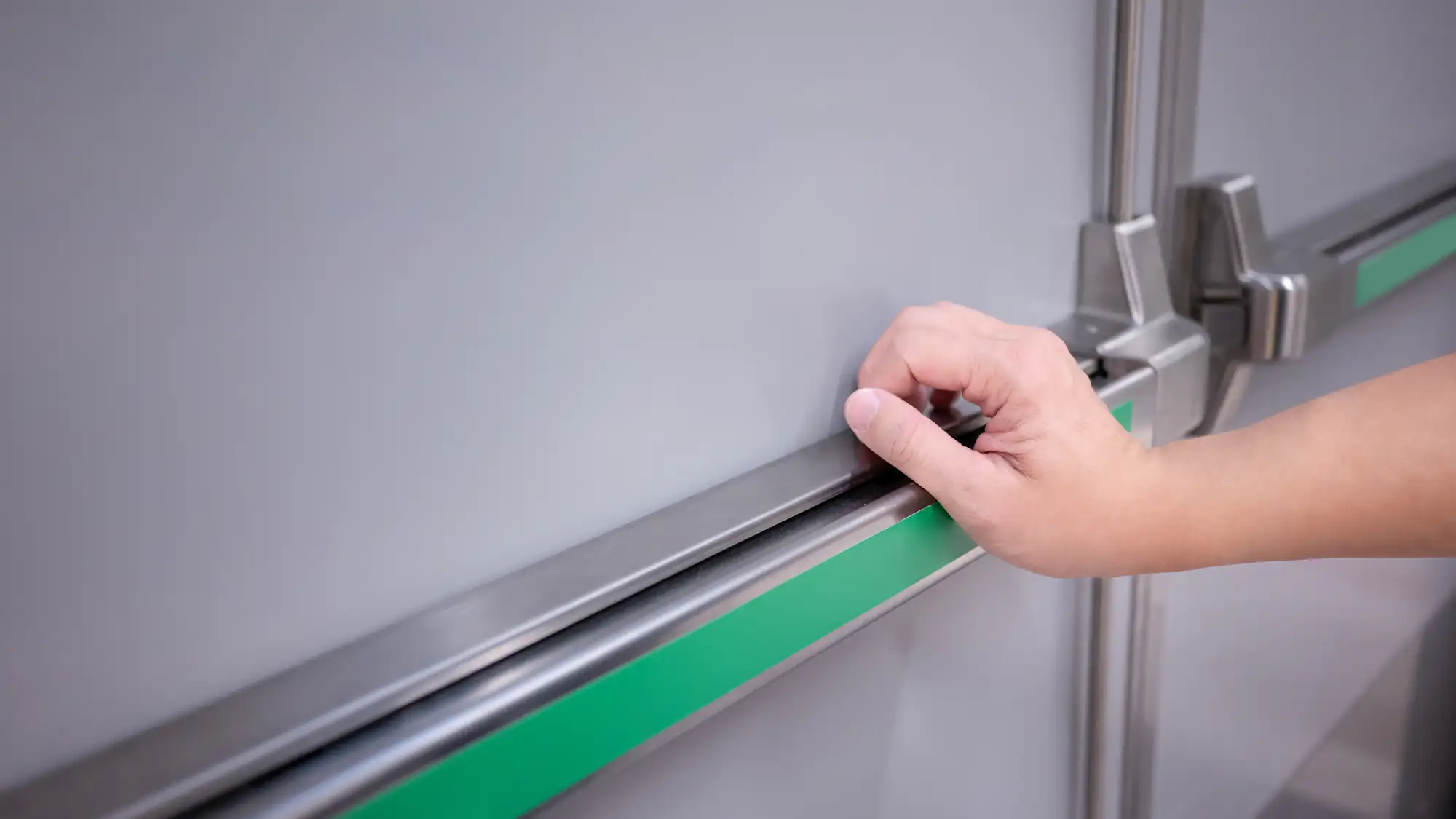
NFPA 25 breaks inspections into monthly, quarterly, annual, and multi-year intervals depending on the component. Gauges and control valves get checked monthly. Alarm devices are tested quarterly. The full system inspection—including main drains and backflow preventers—happens annually.
Every five years, you’re looking at internal pipe inspections if your system meets certain criteria. Every 10 years, sprinkler heads in certain environments need replacement or sample testing. Most property managers don’t track this themselves, which is why buildings end up with violations when the fire marshal shows up.
We maintain the schedule for you. You get reminders before inspections are due, and we handle the testing so you’re not coordinating it yourself. The documentation goes into your compliance file, and you’ve got proof of maintenance if there’s ever an incident or an insurance audit.
You get a violation notice with a correction deadline. Depending on the severity, that deadline might be 30 days or it might be immediate. Penalties start at $250 for first-time violations and go up to $5,000 or more for repeat offenses or life-safety issues.
The violation doesn’t just go away. You have to fix the problem, get it re-inspected, and provide documentation that the issue is resolved. If it’s a blocked Fire Department Connection or a non-functional sprinkler system, you’re also risking your insurance coverage and potentially your certificate of occupancy.
We handle violation corrections across Suffolk and Nassau Counties. That means we know what the local inspectors are looking for, and we know how to document the fix so it actually clears the violation. Most of our correction work in St. James involves outdated fire alarm systems, missing sprinkler coverage in renovated spaces, or emergency lighting that doesn’t meet current building code requirements.
If your building has areas where emergency responder radios don’t work, you need a BDA system. That’s not optional—it’s required by the International Building Code and enforced by local fire marshals. The system boosts radio signals so firefighters and EMS can communicate throughout your building during an emergency.
Buildings with basements, concrete construction, or metal framing often have dead zones. High-rises, hospitals, large warehouses, and some commercial properties in St. James fall under the requirement. If you’re doing a renovation or new construction, the fire marshal will test radio coverage before issuing your certificate of occupancy.
We install FCC-certified BDA systems that integrate with your existing fire alarm and emergency systems. The installation includes signal testing to verify coverage in every required area. You also get the ongoing maintenance that’s required to keep the system functional—because a BDA system that’s not maintained is the same as not having one when the fire department needs it.
It depends on what’s missing or outdated. A building that needs a full fire sprinkler system retrofit is a bigger project than one that just needs updated fire alarm panels or additional emergency lighting. Most older properties in St. James need some combination of sprinkler upgrades, alarm system replacements, and emergency exit improvements.
Sprinkler retrofits can range from a few thousand dollars for small additions to six figures for full building coverage. Fire alarm system upgrades typically run lower, but you’re still looking at equipment costs, installation labor, and integration with monitoring services. Emergency lighting and exit signage are usually the most affordable updates.
The real cost is what happens if you don’t upgrade. Violations carry fines. Insurance companies can drop coverage or increase premiums on non-compliant buildings. And if there’s an incident and your fire protection systems weren’t up to code, you’re facing liability that makes the upgrade cost look minor. We provide estimates based on actual building assessments, not guesses, so you know what you’re dealing with before work starts.
Yes, and it’s usually smarter than coordinating multiple contractors. When you’re tracking fire extinguisher inspections, sprinkler system testing, fire alarm monitoring, kitchen suppression maintenance, and emergency lighting checks across different vendors, something gets missed. Different schedules, different invoices, different points of contact.
We handle fire extinguisher service, fire sprinkler inspections per NFPA 25, fire alarm system monitoring and testing, kitchen suppression systems, emergency lighting, BDA systems, and backflow preventer testing. One company, one schedule, one set of compliance records.
That matters when the fire marshal shows up or when your insurance company audits your safety program. You’re not scrambling to find paperwork from three different contractors. You’ve got a complete compliance file from one source, and you’ve got one number to call if something needs immediate attention. For property managers overseeing multiple buildings in Ronkonkoma, Bohemia, or Hauppauge, that consolidation saves time and reduces the risk of missed inspections.
Inspection is the physical testing of your fire alarm system—checking detectors, pull stations, notification devices, and control panels to make sure everything works. That happens annually at minimum, and it’s required by NFPA 72 and local fire codes. You get a written report documenting the test results.
Monitoring is the 24/7 service that watches your system in real time. When a smoke detector activates or someone pulls a fire alarm, the monitoring center gets the signal immediately. They contact you, dispatch emergency services if needed, and log the event. Monitoring doesn’t replace inspections—it’s what makes your fire alarm system functional between inspections.
Most commercial properties in St. James need both. The inspection keeps you compliant and ensures your equipment actually works. The monitoring ensures that when something happens at 2 AM on a Sunday, someone knows about it and responds. We provide both services, and we integrate them so your inspection schedule is coordinated with your monitoring contract. That way you’re not paying for monitoring on a system that’s overdue for testing or dealing with false alarms from equipment that hasn’t been maintained.
Other Services we provide in St. James